

-

Parasitic diseases in rabbits: the commonest threats and how to prevent them
Coccidiosis, encephalitozoonosis, ear mange and cheyletiellosis are the parasitic diseases pet rabbits meet most often, and they can go unnoticed for a long time. We explain how they are diagnosed in the laboratory, how they are treated, and which hygiene, quarantine and feeding rules keep infection at bay.
-

How to protect your dog’s paws in winter
Frost, ice and road salt leave a dog's pads irritated, cracked and sometimes frostbitten every winter. We explain how to pick a route and a protective wax before the walk, how to rinse and dry the paws properly once you are home, and which signs mean it is time to call the veterinary clinic.
-

Horner’s syndrome in dogs and cats: signs, causes, diagnosis and treatment
A drooping eyelid, a smaller pupil and a visible third eyelid on one side add up to Horner's syndrome. It is not painful in itself and does not harm sight, but it often signals another, more serious condition underneath. We explain the causes, the diagnostic steps, the pharmacological tests and the treatment options.
How to Litter Train a Cat
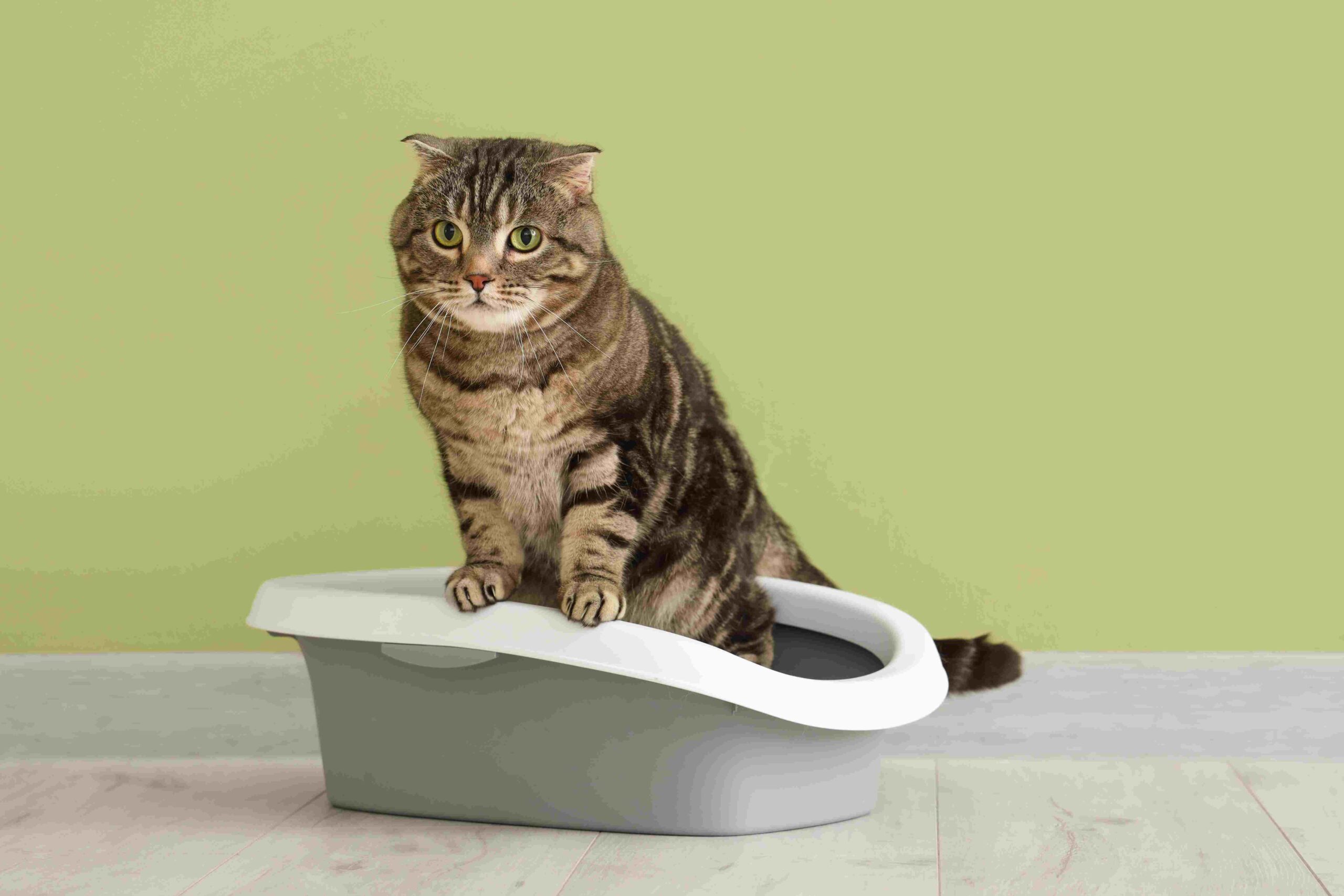
In this article we cover the key rules that will help with litter training, the right place to put the litter tray and ways to encourage your cat to use it regularly. Whether you have a small kitten or an adult cat, our tips will help you establish good toilet habits in your pet. With our advice, the process will be simpler and less stressful for both you and your cat.
How to litter train a cat: the general rules
Litter training can be a challenge, but with the right approach your cat will pick it up quickly. The most important thing is to place the litter tray in a quiet, easily accessible spot. Cats value their privacy, so avoid high-traffic areas. Cleanliness is another key factor: cats are very clean animals and may avoid a dirty tray. Regularly removing waste and changing the litter is essential. It is also worth paying attention to the type of litter. Some cats prefer a particular kind, so experiment to find the one your pet likes best. Rewards and positive reinforcement are extremely effective. When your cat uses the tray, praise it and give it a treat. Avoid punishing accidents, as this will only put the cat off using the tray. Remember that patience and consistency are key. Every cat is different and some need more time to learn. Watch your pet and adapt your methods to its needs. With the right approach, your cat will soon learn to use the litter tray, which benefits both of you.
Where to put the litter tray
Choosing the right spot for the litter tray is crucial to successful litter training. The tray should be placed somewhere quiet and calm, away from noise and the bustle of the household. A bathroom or utility room can be ideal, giving the cat privacy and peace. Avoid placing the tray near food and water bowls, as cats are very clean and do not like to toilet where they eat. Remember to clean the tray regularly and keep it hygienic. Cats are very sensitive to smells and may avoid the tray if it is dirty. A clean, fresh litter tray is the foundation of successful training.
How to teach a cat to use the litter tray
If you want your cat to start using the litter tray, you need to approach it with patience and consistency. Cats value cleanliness and routine, so it is important to provide the right conditions. Choosing the right tray and the right location are key to success. The tray should be in a quiet, easily accessible spot, away from food and water bowls.
Here are a few steps that can help with litter training:
Remember that patience and consistency are key. Every cat is different, so it may take a little time. It is important not to punish the cat for accidents but to focus on positive reinforcement. With the right approach, your cat will soon learn to use the litter tray.
When do cats most often use the litter tray?
Cats are exceptionally clean animals and instinctively strive to stay hygienic. Experts point out that cats are most likely to use a litter tray in calm, quiet places where they feel safe. The tray should be kept away from noisy household appliances and high-traffic areas. Cats prefer spots that give them some privacy, which helps them feel comfortable while they toilet. The tray should also always be clean. Cats are very sensitive to smells, so regular cleaning is essential. A dirty tray can put a cat off using it, which may lead to toileting elsewhere in the house.
The type of litter matters too: some cats have preferences about texture and scent, and this can also affect their willingness to use the tray. In addition, cats often use the tray after eating or after waking up. Watching your pet and noticing these moments can help you understand its habits better. Specialists suggest making sure the cat has easy access to the tray at these key moments, which can make litter training considerably easier.
How to litter train a kitten
Litter training a kitten can be a challenge, but with the right approach it is entirely achievable. The first step is choosing the right tray. It should be easy to reach and placed in a quiet spot where the kitten feels safe. The tray should also be the right size: not too big, but not too small either, so the kitten can move around in it freely. Once you have the right tray, show the kitten where it is. You can do this by gently placing the kitten in the tray after meals or after a nap. Cats have a natural instinct to bury their waste, so most kittens quickly work out what the tray is for. If the kitten has an accident outside the tray, do not shout or scold: that will only stress it.
Instead, gently move it to the tray and praise it when it uses the tray correctly. Cleanliness is also crucial. Cats are very clean animals and may avoid a dirty tray. Remove waste regularly and change the litter so the tray is always fresh. Keeping the tray clean not only encourages the kitten to use it but also helps avoid unpleasant smells in the house. Remember that every cat is different and some need more time to learn. Be patient and consistent, and your kitten will eventually get the hang of it. Regular rewards and positive reinforcement can speed the process up considerably.
How to litter train an adult cat
Litter training an adult cat may seem a daunting task, but with the right approach it is entirely achievable. First of all, choose a suitable tray and litter. The tray should be big enough for the cat to turn around in comfortably. The litter should be soft and pleasant under the cat’s paws, which will encourage it to use the tray. Once you have the right tray and litter, place the tray in a quiet, easily accessible spot. Avoid high-traffic areas so the cat feels safe. If the cat has never used a tray before, you can try putting some of its waste in the tray so it understands what it is for.
Regular cleaning is essential, as cats are very clean animals and may avoid a dirty tray. Remember to reward the cat every time it uses the tray. Positive reinforcement in the form of treats or praise will help it understand that using the tray is the behaviour you want. If the cat struggles to learn, be patient and consistent. Every cat is different and some need more time to adjust to a new routine.
How the number of litter trays affects cats’ toilet habits
Having enough litter trays in the house is crucial to litter training. Every cat needs its own space to toilet, so it is important to provide a sufficient number of trays. Too few trays can cause stress in cats and make them reluctant to use them.
Experts recommend one litter tray per cat in the household, plus one extra just in case. This way every cat has access to its own tray and does not have to compete with the others for it. The extra trays can be placed in different parts of the house so that all the cats can reach one easily.