
Contact us Make an appointment

The Singapura cat: a guide to the charms of the breed

Introduction

The Singapura is one of the smallest cat breeds in the world, known not only for its distinctive appearance but also for its gentle, sociable nature. Despite its small size, the breed has won recognition among cat lovers around the globe.

Origins

The breed has its roots in Singapore, where its history dates back to the 1970s, when people first began to notice its unique looks and friendly disposition. The breed most likely arose from natural crosses between local cats, and its development was taken up in the 1980s by breeders in the United States such as Margaret E. E. Tully. In 1988 the Singapura was officially recognised by the Cat Fanciers’ Association, which helped it gain popularity worldwide. Today these cats are prized for their small size, elegant appearance and sociable temperament.

What does a Singapura look like?

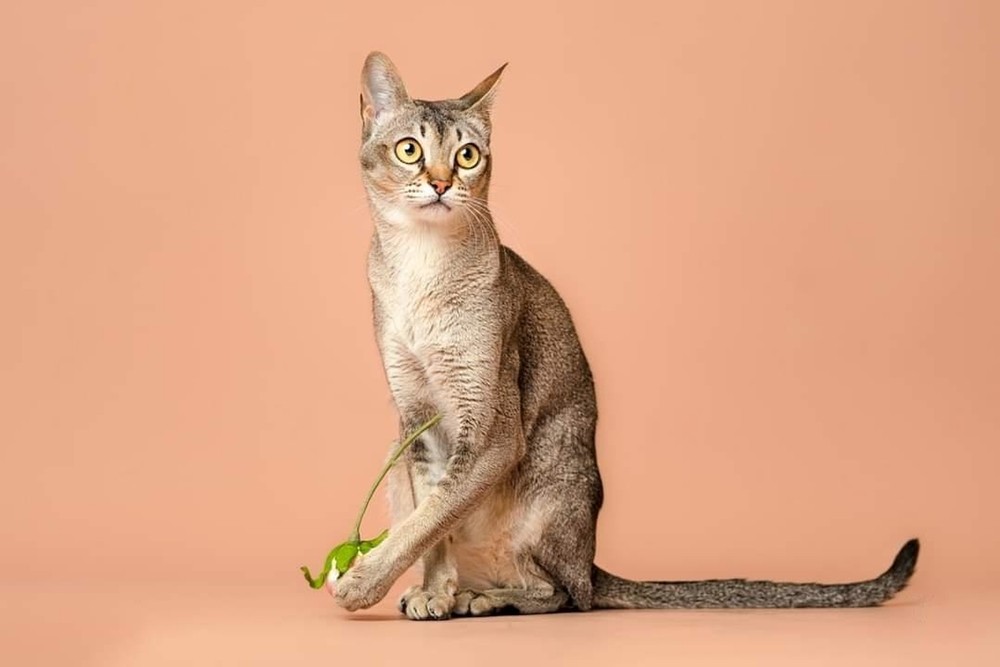
The Singapura is one of the smallest cat breeds, with a slender, elegant build. Adults usually weigh between 2 and 3.5 kg. The head is rounded with a slightly domed forehead, and the large, wide-set ears have rounded tips. The Singapura’s eyes are an intense golden colour, which gives the face great expressiveness.

The coat is short, dense and silky to the touch, most often in a shade of beige or gold, frequently with darker accents. Small ticked markings on the body are another hallmark of the breed and give it its distinctive look.

What kind of companions are Singapura cats?

Singapura cats are exceptionally sociable and friendly. They are known for their openness towards people and other animals, which makes them ideal companions. They love being the centre of attention and are very sensitive to their owners’ emotions. Their intelligence makes them easy to train, and they can solve simple puzzles, so they tend to be active and curious about the world.

The Singapura’s behaviour can be described as lively and playful. These are high-energy animals that need both mental and physical stimulation. They love interactive games and climbing, and happily accompany their owners in everyday activities. These cats are usually loyal and form strong bonds with family members.

How to care for a Singapura

Caring for a Singapura is relatively simple, mainly thanks to its short coat. 

  1. Brushing: regular brushing (once or twice a week) helps remove dead hair and minimise shedding. It is also a good opportunity to check the cat’s skin for unwanted parasites or skin problems.
  2. Hygiene: regular checks of the ears and teeth are important. Cleaning debris from the ears and looking after the teeth, whether by brushing or with special dental treats, helps keep the mouth healthy.
  3. Bathing: Singapura cats do not need frequent baths unless there is a specific need (for example if they get dirty). Otherwise their grooming mainly consists of regular cleaning.
  4. Exercise: providing plenty of activity through a variety of toys and opportunities to climb is essential for keeping the cat healthy and in good condition.
  5. Veterinary visits: regular check-ups at the vet, including vaccinations and health assessments, are key to keeping your cat healthy.

Health considerations for the breed

For all their charm and energy, Singapura cats can be prone to a few specific health problems worth knowing about. The most common is hypertrophic cardiomyopathy (HCM), which causes thickening of the heart muscle and increases the risk of heart failure. The breed can also experience urinary tract problems such as cystitis and the formation of urinary stones, which show up as frequent trips to the litter tray and discomfort when urinating. Dental problems, including gum and tooth disease, are also common, so regular oral hygiene is a must. In addition, Singapura cats may be inclined to put on weight, which can lead to a range of health complications, and in some cases they may suffer from hereditary eye defects. That is why it is important for owners of this breed to consult a vet regularly and to look after their cat’s health through a proper diet and good care.

Summary

The Singapura is a delightful breed that combines a small body with a big heart. Its sociability, intelligence and unusual looks make it an ideal companion for active people who love animals. Like any breed, the Singapura needs proper care, but it will certainly repay its owner with unforgettable friendship and devotion.

Neurological diseases that affect a dog’s ability to walk, and how to prevent them

Neurological diseases in dogs pose a serious challenge to their health, affecting their ability to move and their quality of life. The nervous system is responsible for coordinating movement, maintaining balance and responding to stimuli, so problems in this area can lead to noticeable difficulties with walking and changes in behaviour. Owners should be alert to the first signs that may point to a neurological disorder, because early recognition is crucial for effective treatment.

What signs may appear in the early stages of disease?

The first signs that should prompt owners to see a vet, and that may indicate a neurological problem affecting a dog’s ability to walk, include:

  1. Unsteady gait: difficulty keeping balance, wobbling or trembling of the limbs when moving.
  2. Excessive stiffness: stiffness in the neck or back that makes movement difficult, for example trouble getting up.
  3. Unusual vocalisation: panting, whimpering or howling in response to movement or touch, which may suggest pain.
  4. Changes in behaviour: apathy, reduced activity, avoiding play or walks, which may be a sign of pain or discomfort.
  5. Difficulty controlling movement: awkward body movements such as clumsy jumping, stumbling or being unable to perform normal activities (e.g. climbing stairs).
  6. Loss of strength in the limbs: weakness in the hind legs, which may show as difficulty moving or standing up.
  7. Changes in posture: an unnatural body position, a drooping head, and difficulty changing position.
  8. Other neurological signs: seizures, unexplained reactions, or changes in how the dog perceives stimuli (e.g. hypersensitivity to sound or touch).

The most common neurological diseases affecting the ability to walk

Intervertebral disc disease (IVDD)

Intervertebral disc disease (IVDD) is a condition involving damage to the intervertebral discs, which act as shock absorbers between the vertebrae of the spine. As a result of degeneration or injury, a disc may bulge or shift, putting pressure on the spinal cord and nerves and causing pain and neurological deficits. IVDD is more common in small breeds such as Dachshunds, Beagles and Chihuahuas.

The first signs of IVDD may include sudden back pain, stiffness, difficulty moving, and changes in posture such as reluctance to jump or climb stairs. As the disease progresses, the dog may experience weakness, numbness in the limbs and even complete paralysis as pressure on the spinal cord increases.

The disease can take various forms, from mild signs that can be managed conservatively to severe cases requiring surgery. Early diagnosis and appropriate treatment are key to minimising damage and restoring motor function. 

Degenerative diseases of the nervous system in dogs

Degenerative diseases of the nervous system in dogs are a group of conditions characterised by progressive damage to nerve cells, leading to muscle weakness and problems with coordination. Examples include amyotrophic lateral sclerosis (ALS), neuropathies and various forms of ataxia. The causes are varied and include genetic factors, autoimmune processes, poor nutrition and age.

The first signs of degenerative neurological disease may include weakness in the limbs, difficulty keeping balance, and behavioural changes such as apathy or reluctance to exercise. As the disease progresses, dogs may develop more serious gait problems, which significantly affect their quality of life and their ability to carry out everyday activities. Diagnosis is based on a neurological examination and diagnostic imaging such as CT or MRI.

Dyskinesia

Dyskinesia in dogs is a movement disorder characterised by involuntary, abnormal body movements, which may include tremors, twisting and uncontrolled movements of the limbs. The signs  can  vary depending on the severity of the condition, but often include difficulty moving, wobbling and an inability to perform smooth, purposeful movements. These changes can cause considerable discomfort and limit the dog’s everyday activities.

Dyskinesia is often the result of damage to the central nervous system, which may be caused by  factors such as metabolic disease, toxic substances, genetics, viral or inflammatory infections, and head injuries. In some cases the cause  remains unknown.

Treatment depends on the underlying cause and may include medication prescribed by a vet to relieve the signs and improve motor function. Depending on the cause, rehabilitation may also be recommended to help improve coordination and muscle strength. 

Flaccid paresis syndromes of spinal origin

Flaccid paresis syndromes of spinal origin are a group of neurological disorders characterised by muscle weakness and unsteady movement in dogs. Affected dogs may show signs such as difficulty moving, wobbling, weakness of the hind limbs and, in more advanced cases, complete paralysis. They may also show abnormal reactions to touch, and their posture may be unnatural because of muscle weakness.

These syndromes can have various causes, including genetic predisposition, viral infections (such as viral encephalitis), metabolic disease and injury. Treatment is usually comprehensive and includes anti-inflammatory medication, rehabilitation and supportive drugs aimed at relieving the signs and improving the animal’s quality of life. In some cases surgery may be necessary, particularly when the problem is caused by an anatomical abnormality.

How can neurological diseases that affect a dog’s mobility be prevented?

Many neurological conditions in dogs have a genetic basis, which makes complete prevention difficult. However, there are preventive measures that can significantly reduce the risk of walking problems. The foundation is regular veterinary check-ups, which allow potential health problems to be detected early. A proper diet is also essential; it is worth considering supplements tailored to your dog’s individual needs, which you can discuss with your veterinarian.

Another important aspect is preventing head injuries, which means taking care when the dog jumps from heights and keeping running on the lead under control. Keeping your dog safe during exercise, along with proper training and socialisation, plays a significant part in minimising risk. It is also good practice to keep up with parasite prevention to avoid infections that can affect the dog’s nervous system.

Summary

Looking after your dog’s neurological health is essential for its mobility and overall wellbeing. Regular veterinary visits, a suitable diet with supplements, parasite prevention and protection from head injuries all help to minimise the risk of neurological disease. Encouraging safe exercise, together with proper training and socialisation, is vital for giving our four-legged friends better health and a better quality of life.

The Ocicat: a fascinating breed that pairs wild looks with a sociable nature

Origins of the breed

The Ocicat was developed in the United States in the 1960s, and its history is the product of an accidental cross. Breeders such as Virginia Daly set out to create a cat with the wild look of an ocelot but the gentle temperament of a house cat. To achieve this, they crossed Siamese, Abyssinian and American Shorthair cats.

The first representatives of the breed were kittens born in a litter from a Siamese queen carrying Abyssinian genes. The Ocicat quickly won over cat lovers with its unique appearance and friendly nature. Today Ocicats are recognised as a fully fledged breed and are much loved by breeders and owners around the world.

What does an Ocicat look like?

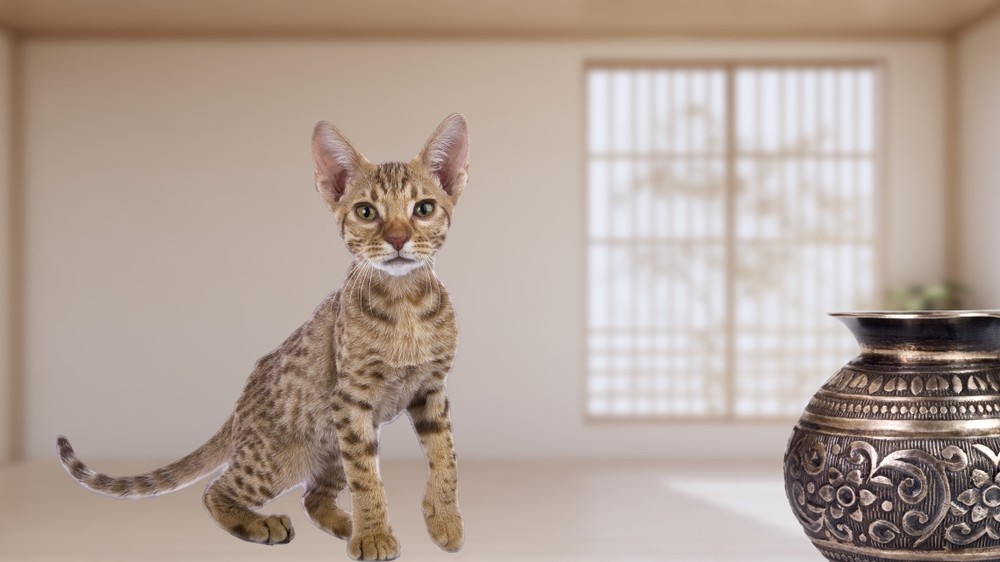
Ocicats have a striking, attractive appearance that combines the features of a wild cat with the elegance of a domestic pet. Their coat is short, dense and glossy, which gives them a very healthy, well-groomed look. Ocicats come in a range of colours, including tawny, silver, chocolate, lilac and shades of cinnamon, with a distinct spotted pattern reminiscent of wild cats. An adult Ocicat usually weighs between 3.5 and 6.5 kg, depending on sex and individual build, and with proper healthcare and good living conditions the average lifespan is 12 to 15 years.

The Ocicat is a cat with a slender, athletic build inherited from its Siamese ancestors. Its jaw is rectangular in shape and sits harmoniously within a “modified” wedge-shaped head. The eyes are large and almond-shaped; they can be any colour except blue and are outlined with a distinct dark rim. The ears are set wide apart and high on the head, with broad bases. The chest is strong and broad, which emphasises the cat’s sturdy build.

What kind of companion is an Ocicat? Does it get on with other animals?

The Ocicat is an exceptionally friendly, sociable and energetic cat that settles into home life very well. Known for its intelligence, it is very curious and keen to explore its surroundings, so it needs regular physical and mental stimulation. Ocicats are highly sociable and enjoy spending time with people and other animals, which makes them excellent companions, especially in families with children.

Their open nature means they can get on very well with dogs, other cats and even small animals such as rabbits or guinea pigs, provided the introductions are handled properly. Ocicats are curious by nature and often initiate play with other animals, which makes them cheerful housemates in multi-pet households. 

How to prepare your home for an Ocicat

For an Ocicat to feel at home, it is worth providing conditions that suit its active, sociable lifestyle. Ideally the home should be spacious: a minimum floor area of around 50–70 m² is recommended, especially if several people or other animals live there. It is important that the cat has enough room to run, play and explore.

Beyond play, Ocicats also love to climb and explore, so investing in scratching posts, cat trees or wall shelves will bring them a great deal of joy. It is also a good idea to offer various sources of mental stimulation, such as toys that make sounds or puzzle feeders that require the cat to work things out.

Making the home safe from hazards such as electrical cables or poisonous plants is equally important. Creating a safe corner where the Ocicat can hide or rest will help it feel comfortable in its new surroundings. Conditions like these support not only your cat’s health but also its happiness and wellbeing.

What to bear in mind when caring for an Ocicat

The Ocicat is a breed that needs regular activity to meet its physical and mental needs. Because of their lively temperament, Ocicats need daily exercise, which can include interactive games such as chasing a ball, feather wands or other toys that engage their natural hunting instincts. Time spent playing with their owner is extremely important to them, so it is worth scheduling play sessions together at least a few times a day.

Caring for an Ocicat also means regular visits to the vet to monitor the cat’s health and keep up with vaccinations and parasite prevention. Dental hygiene matters too: brush the teeth regularly and offer special dental treats that help keep them healthy. A suitable diet matched to the cat’s energy needs and access to fresh water are also essential. Well-balanced care and plenty of activity will allow your Ocicat to enjoy a calm, happy life at home.

Ocicat health: genetics, diseases and prevention

 The Ocicat is a breed that can live for around 12 to 15 years, and with proper care even longer. Because they have very little undercoat, these cats do not cope well with the cold, so it is worth keeping them warm and comfortable in the cooler months. Among the genetic conditions that can affect Ocicats, progressive retinal atrophy (PRA) stands out: it causes gradual deterioration of vision and can eventually lead to blindness. The presence of this condition can be confirmed or ruled out with specialist genetic testing.

The breed is also prone to hypertrophic cardiomyopathy (HCM), which causes thickening of the heart muscle and circulatory problems, as well as dental conditions such as gum disease. To reduce the risk of these diseases, prevention is key: regular veterinary check-ups and ongoing monitoring of your cat’s health.