

-
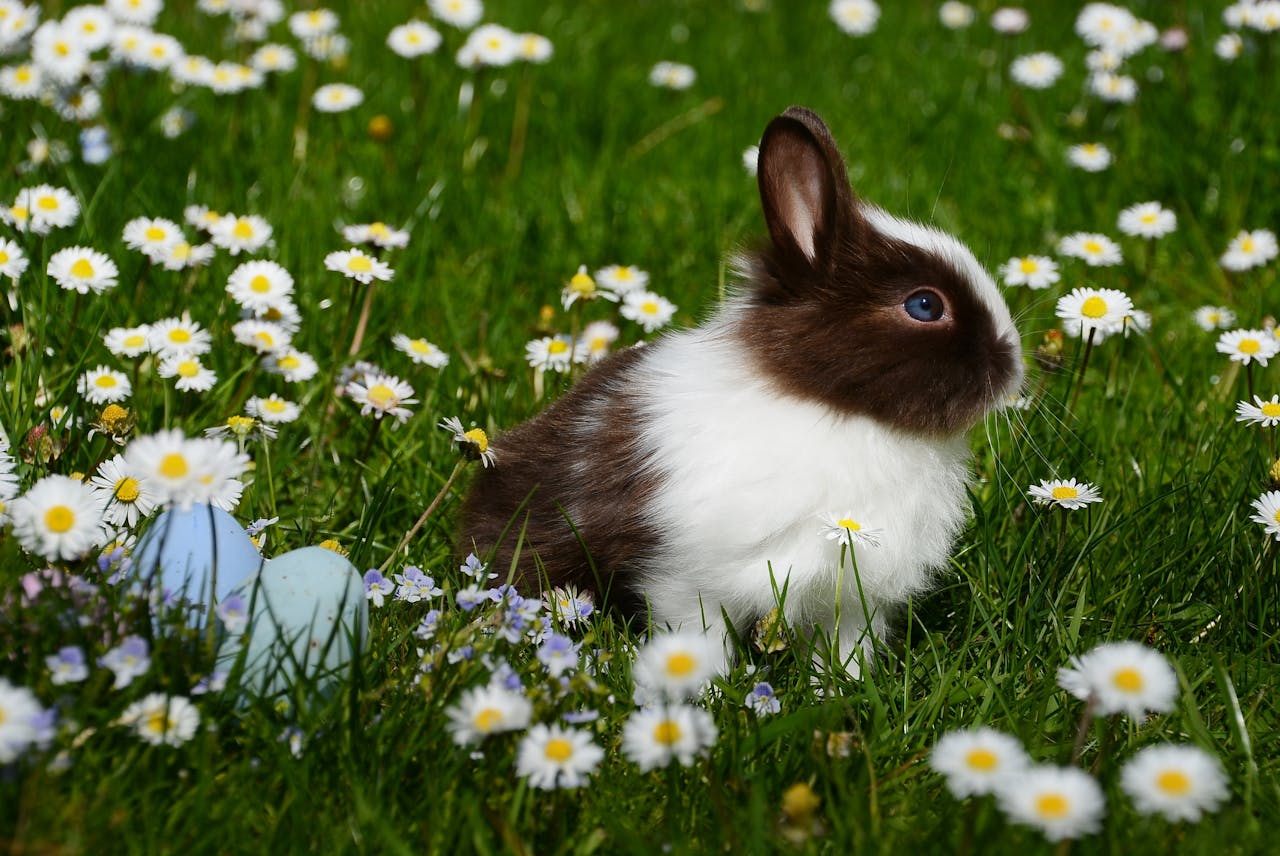
Parasitic diseases in rabbits: the commonest threats and how to prevent them
Coccidiosis, encephalitozoonosis, ear mange and cheyletiellosis are the parasitic diseases pet rabbits meet most often, and they can go unnoticed for a long time. We explain how they are diagnosed in the laboratory, how they are treated, and which hygiene, quarantine and feeding rules keep infection at bay.
-
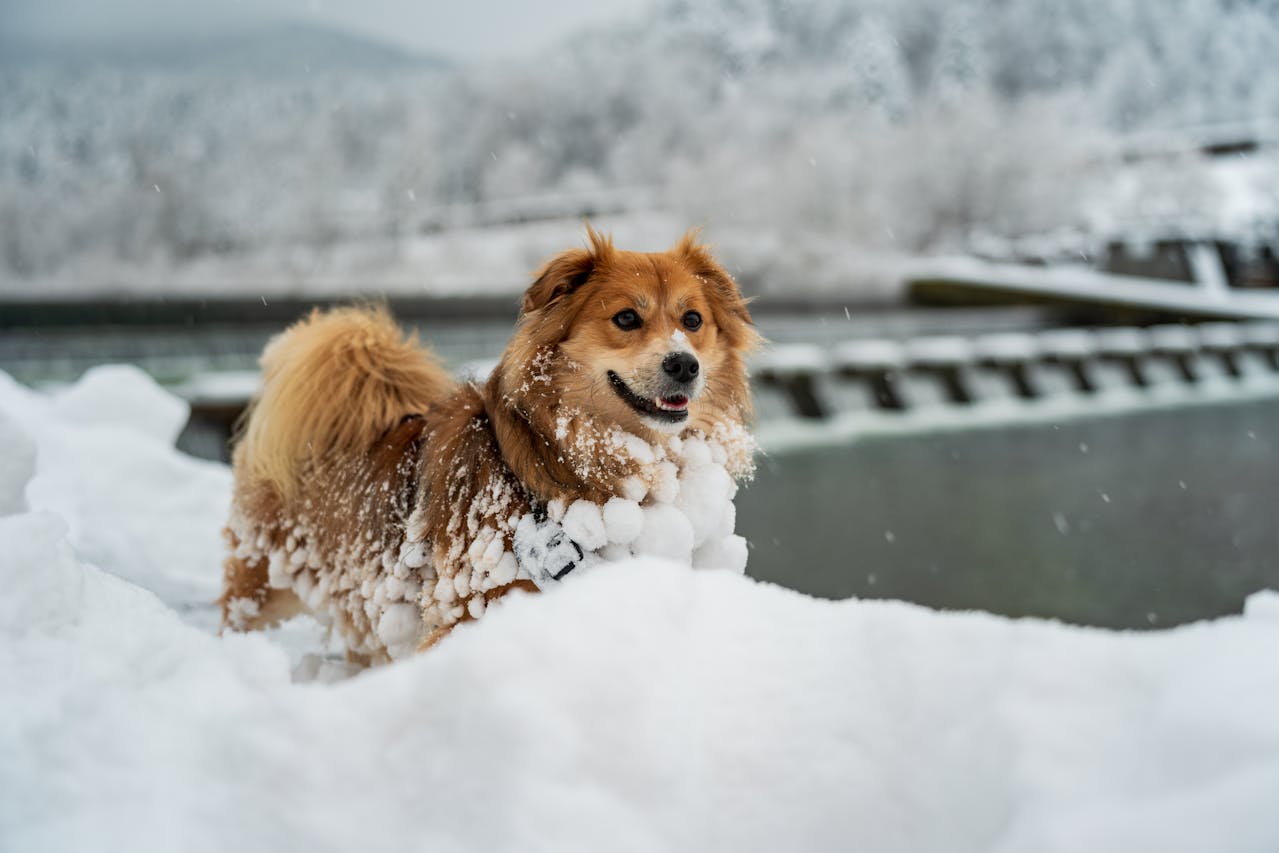
How to protect your dog’s paws in winter
Frost, ice and road salt leave a dog's pads irritated, cracked and sometimes frostbitten every winter. We explain how to pick a route and a protective wax before the walk, how to rinse and dry the paws properly once you are home, and which signs mean it is time to call the veterinary clinic.
-
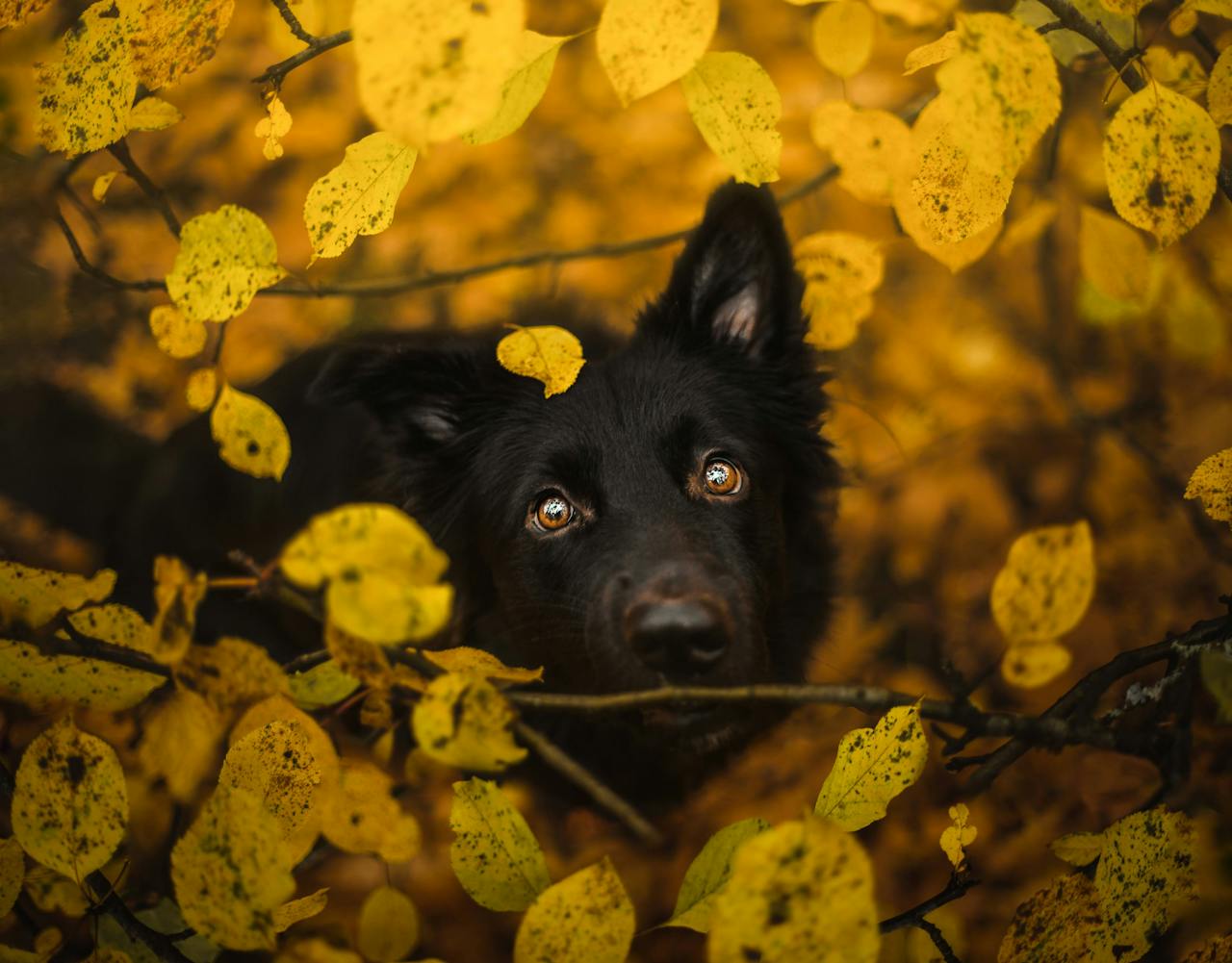
Horner’s syndrome in dogs and cats: signs, causes, diagnosis and treatment
A drooping eyelid, a smaller pupil and a visible third eyelid on one side add up to Horner's syndrome. It is not painful in itself and does not harm sight, but it often signals another, more serious condition underneath. We explain the causes, the diagnostic steps, the pharmacological tests and the treatment options.
What does breathing difficulty look like in dogs and cats?
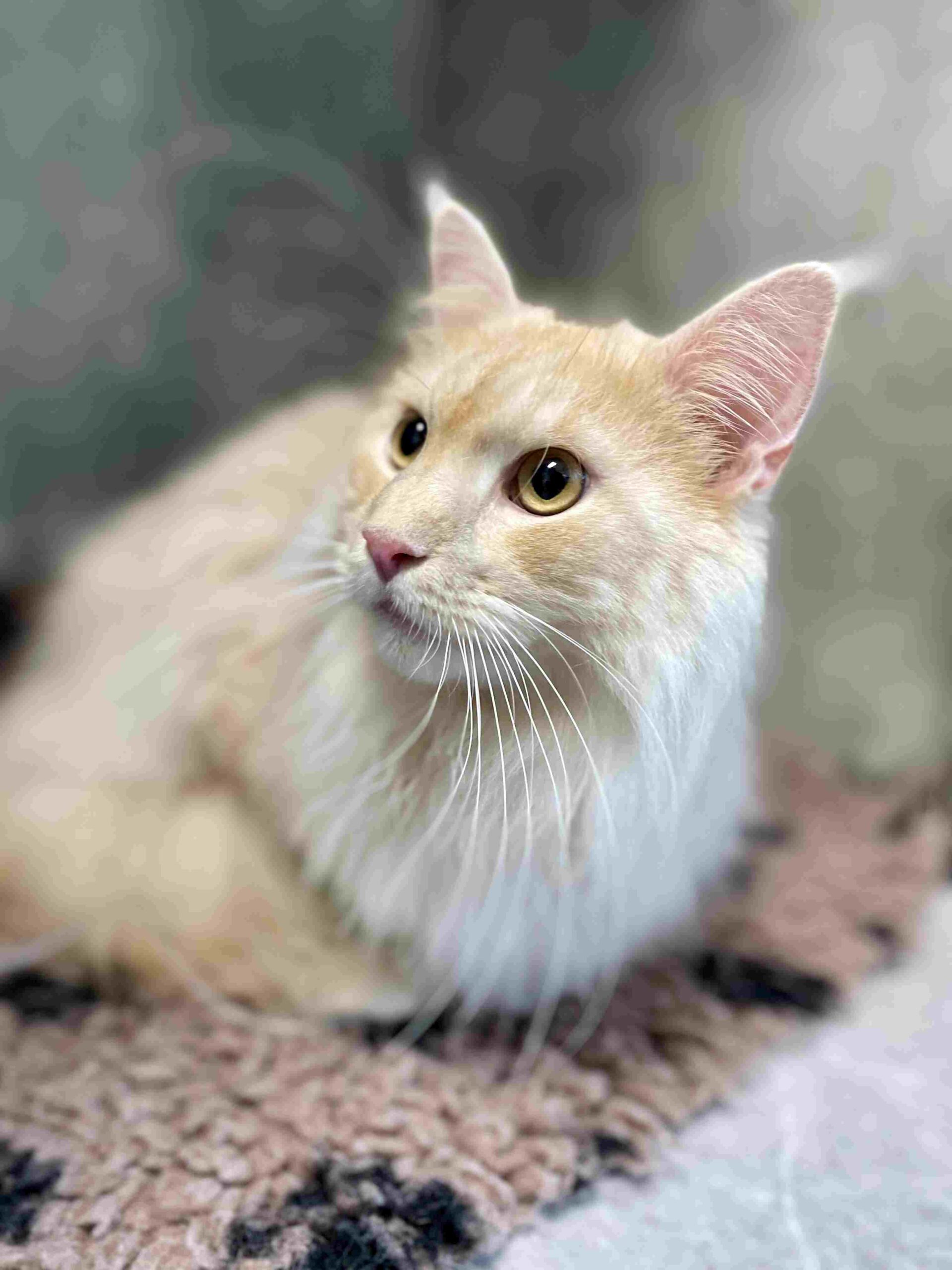
How can you tell that an animal has a breathing problem?
Breathing difficulty can look different depending on its cause, as it may originate in the respiratory system, the circulatory system or a breed predisposition.
It is essential that owners always pay attention to the way their pet is breathing.
The most common signs of breathing difficulty include:
Breathing difficulty is divided into inspiratory and expiratory dyspnoea, and the type of problem is one of the key pieces of information in reaching a diagnosis.
Inspiratory dyspnoea is typically accompanied by sounds such as wheezing or rattling. It usually originates in the upper airways and may be caused by an infection, an allergic reaction or cancer. This is the picture we often see in brachycephalic dog breeds, whose anatomy makes breathing harder.
Expiratory dyspnoea is characterised by resistance when breathing out. It can be seen, for example, in allergic bronchitis, when excessive secretions are produced that make exhaling difficult. It is often accompanied by a characteristic puffing or laboured breathing.
What causes breathing difficulty in animals?
As described above, breathing problems can stem from the respiratory system, the circulatory system, anatomy or environmental factors.
Left-sided heart failure is a particularly dangerous problem, because blood backs up in the pulmonary vessels, leading to pulmonary oedema.
Polyps are another common reason why an animal may have trouble breathing. Polyps are growths that form on the lining of the nose or throat and restrict the flow of air. Tumours have a similar effect.
Another cause of laboured breathing is so-called extreme breeding, which gives us dogs with very flat noses. Brachycephalic breeds often have a muzzle that is too short, nostrils that are too narrow and a soft palate that is too long. Together, these make every breath a struggle.
A further anatomical defect, which may be genetic, is tracheal collapse, often seen in small-breed dogs.
What should you do when your pet is struggling to breathe?
Whatever the cause, as soon as you notice anything abnormal about your dog’s or cat’s breathing, take them to a 24-hour veterinary clinic as quickly as possible. Time is critical here, because the longer the condition persists, the harder it is to reverse. Clearly, an animal in respiratory distress can deteriorate suddenly, and the situation can quickly become life-threatening.