

-
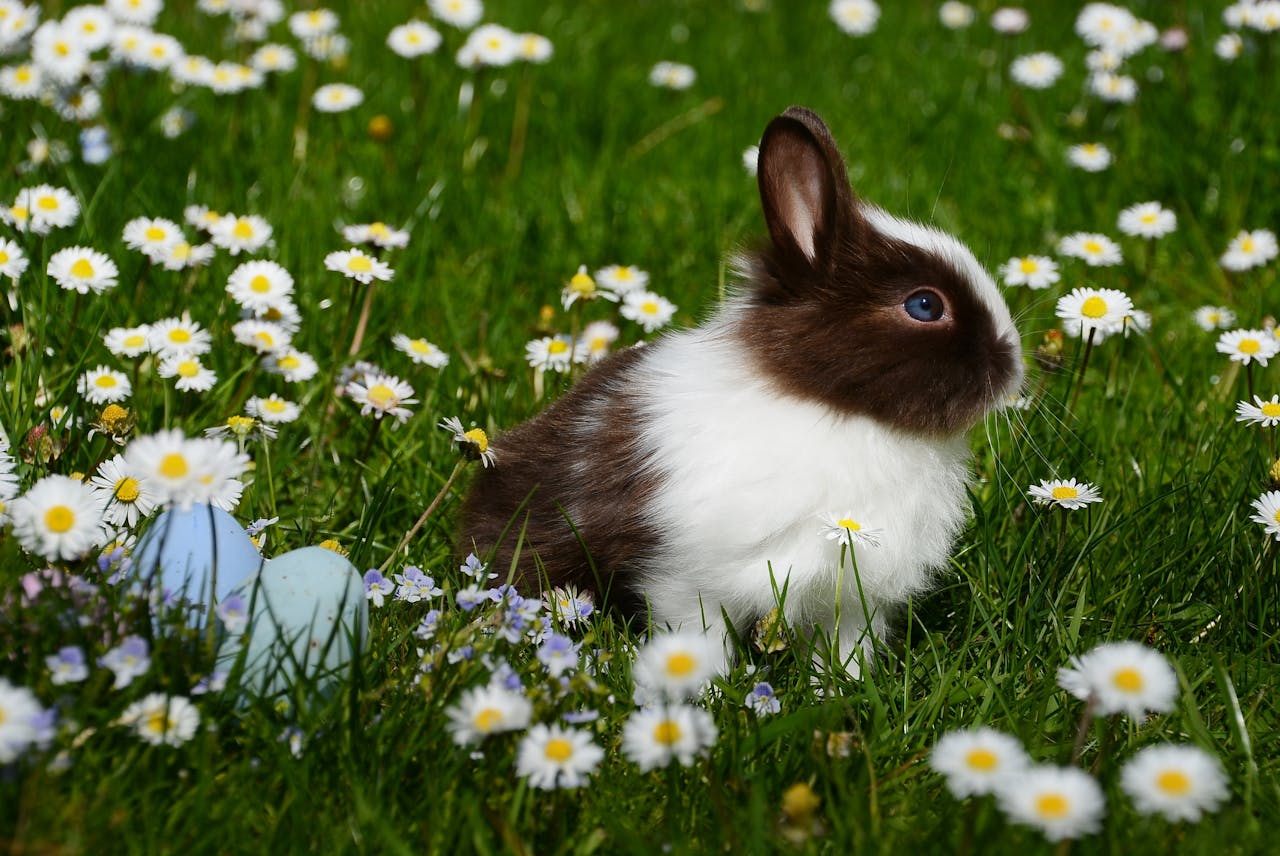
Parasitic diseases in rabbits: the commonest threats and how to prevent them
Coccidiosis, encephalitozoonosis, ear mange and cheyletiellosis are the parasitic diseases pet rabbits meet most often, and they can go unnoticed for a long time. We explain how they are diagnosed in the laboratory, how they are treated, and which hygiene, quarantine and feeding rules keep infection at bay.
-
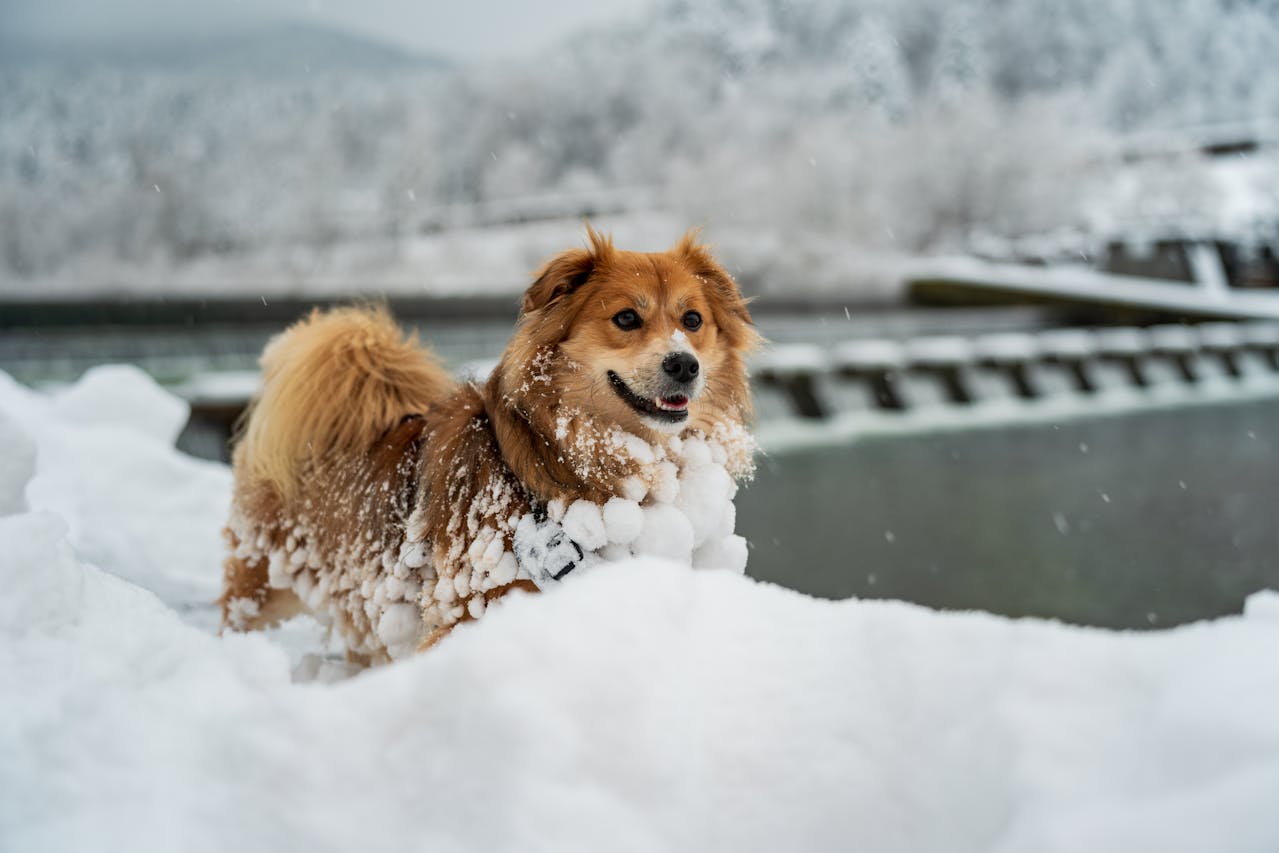
How to protect your dog’s paws in winter
Frost, ice and road salt leave a dog's pads irritated, cracked and sometimes frostbitten every winter. We explain how to pick a route and a protective wax before the walk, how to rinse and dry the paws properly once you are home, and which signs mean it is time to call the veterinary clinic.
-
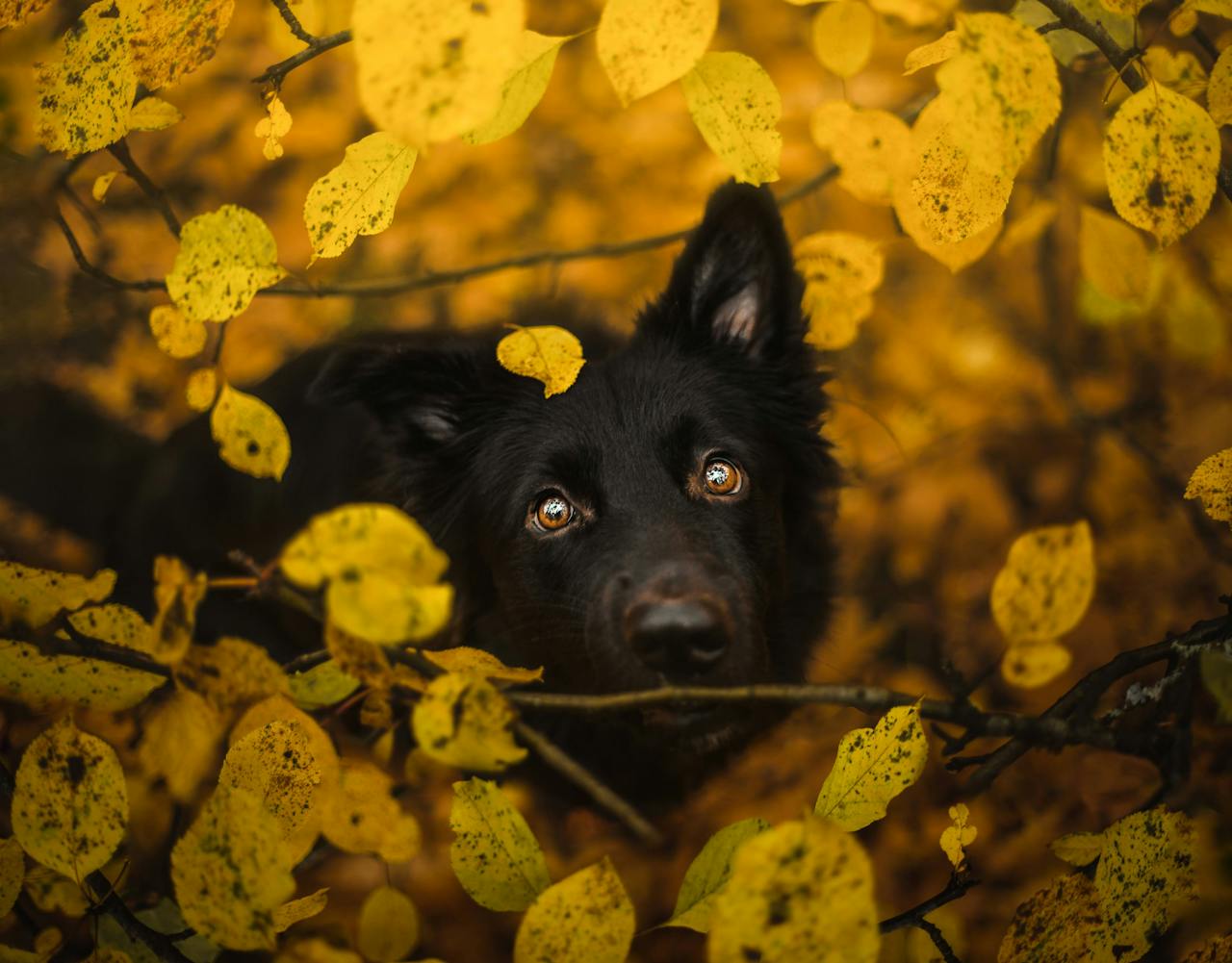
Horner’s syndrome in dogs and cats: signs, causes, diagnosis and treatment
A drooping eyelid, a smaller pupil and a visible third eyelid on one side add up to Horner's syndrome. It is not painful in itself and does not harm sight, but it often signals another, more serious condition underneath. We explain the causes, the diagnostic steps, the pharmacological tests and the treatment options.
How to prepare your pet for surgery
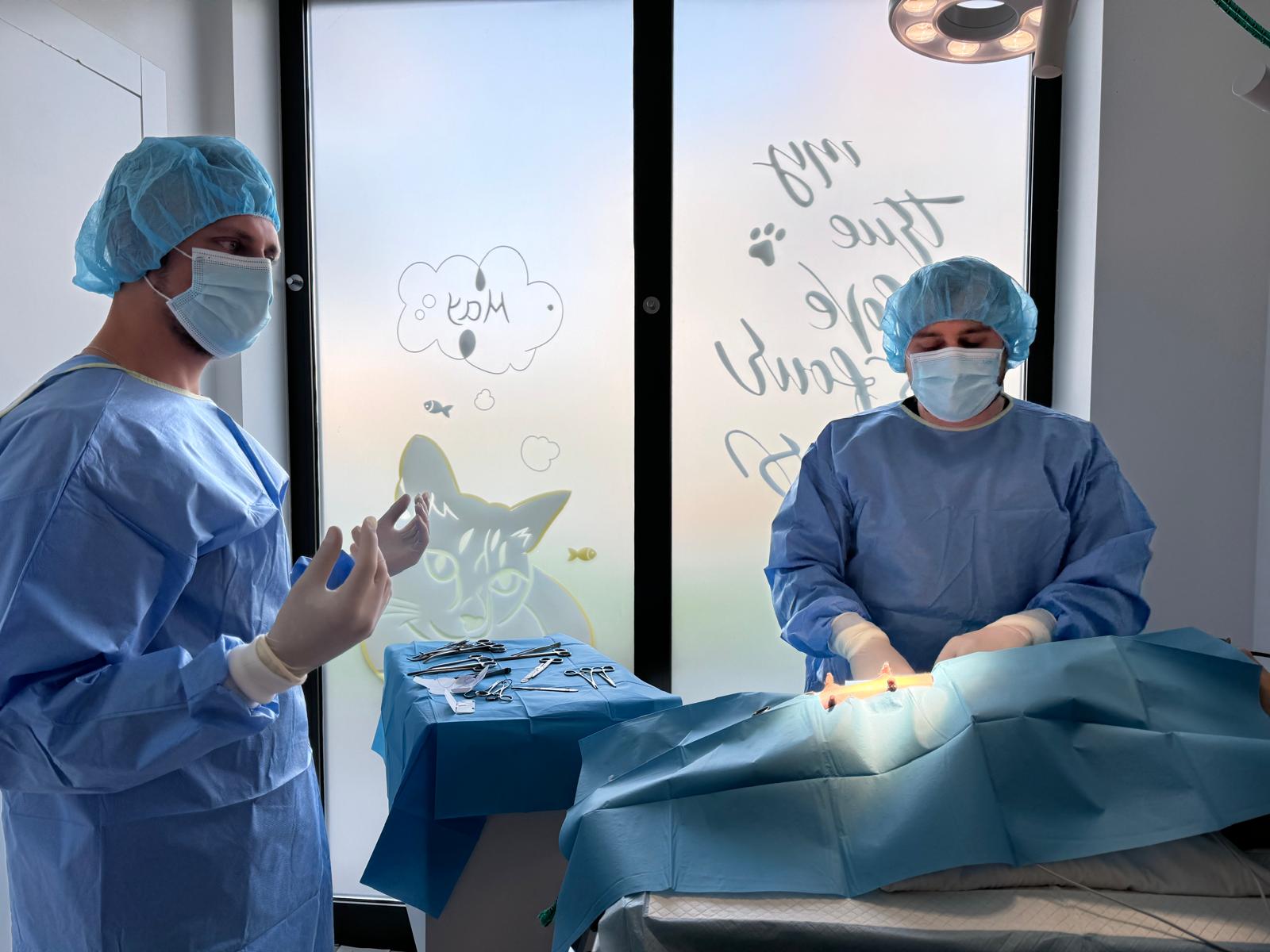
Does your pet need a pre-operative appointment?
For the surgeon, this appointment is a chance to examine the patient clinically and take a look at the problem itself, for example the teeth before a dental procedure or a tumour that is to be removed.
The appointment matters a great deal for the owner too, because the vet can use it to:
Are blood tests needed before surgery?
The first thing we will ask before booking any procedure is whether blood tests have been done.
These tests are very important so that the vet anaesthetising your pet knows what condition its body is in. In short, they allow us to assess the anaesthetic risk and clear the patient for surgery. The results are valid for around 2 weeks from the date of the test, so the operation must take place within that time. Exactly which parameters are checked is up to the attending vet.
Is a heart scan necessary before surgery?
An echocardiogram is always recommended for older animals and for breeds prone to heart disease. This examination also shows the patient’s actual condition and helps us tailor the anaesthesia individually.
The scan can be done well ahead of the planned surgery, as even one performed a month earlier will still be valid.
Does a dog or cat need to fast before surgery?
Absolutely. Before every procedure your pet must be fasted for 8-12 hours. Please take away water around 2 hours before you arrive at the clinic. The exception is small mammals, which can have access to food and water the whole time.
Dogs and cats need an empty stomach because anaesthetic drugs cause vomiting, and fasting minimises the risk of a sleeping animal choking on stomach contents. A full stomach also puts extra strain on the circulatory system and can delay the effect of the anaesthetic.
What additional tests are needed before an operation?
Sometimes a specialist ultrasound, X-ray, CT or MRI scan is required to get the clearest possible picture of the area to be operated on. If the patient needs such tests, the surgeon will let the owner know.