
-
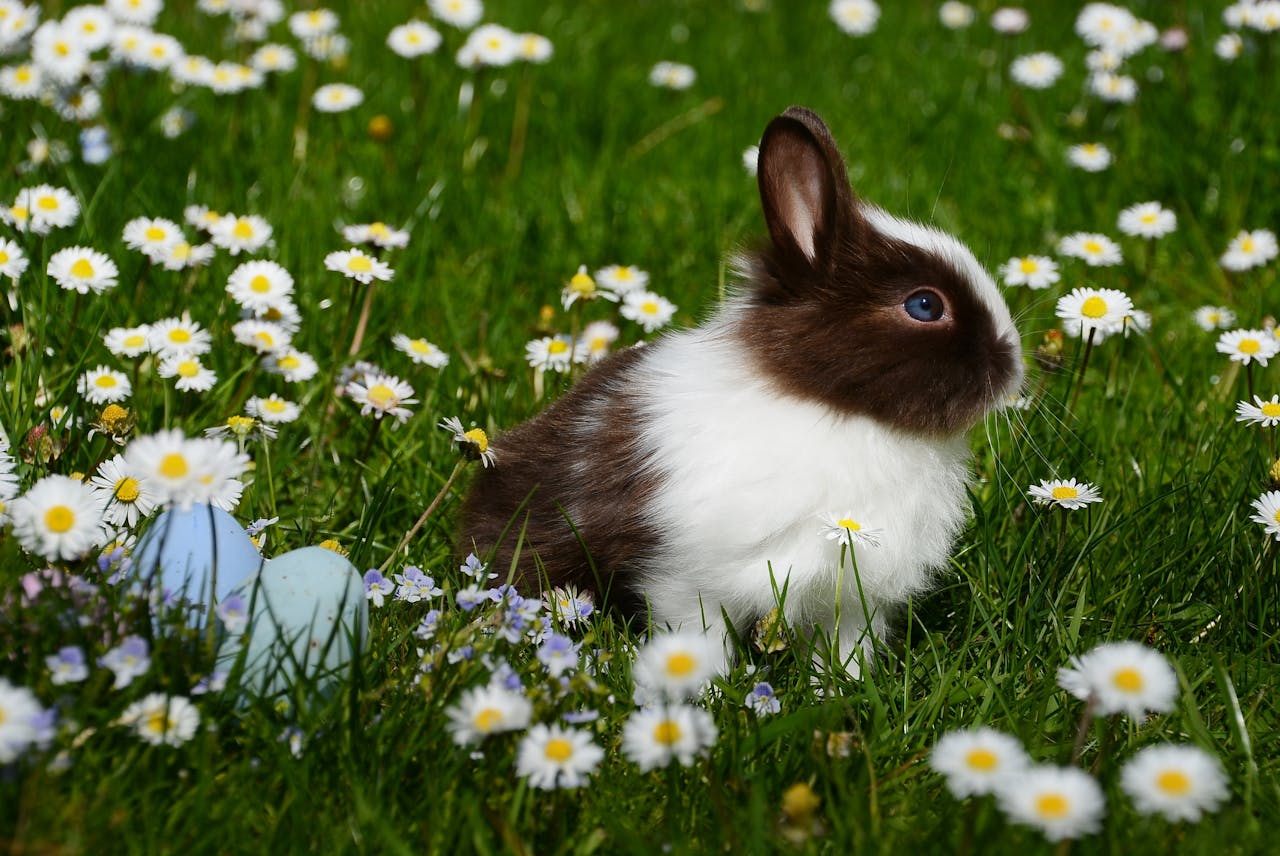
Parasitic diseases in rabbits: the commonest threats and how to prevent them
Coccidiosis, encephalitozoonosis, ear mange and cheyletiellosis are the parasitic diseases pet rabbits meet most often, and they can go unnoticed for a long time. We explain how they are diagnosed in the laboratory, how they are treated, and which hygiene, quarantine and feeding rules keep infection at bay.
-

How to protect your dog’s paws in winter
Frost, ice and road salt leave a dog's pads irritated, cracked and sometimes frostbitten every winter. We explain how to pick a route and a protective wax before the walk, how to rinse and dry the paws properly once you are home, and which signs mean it is time to call the veterinary clinic.
-
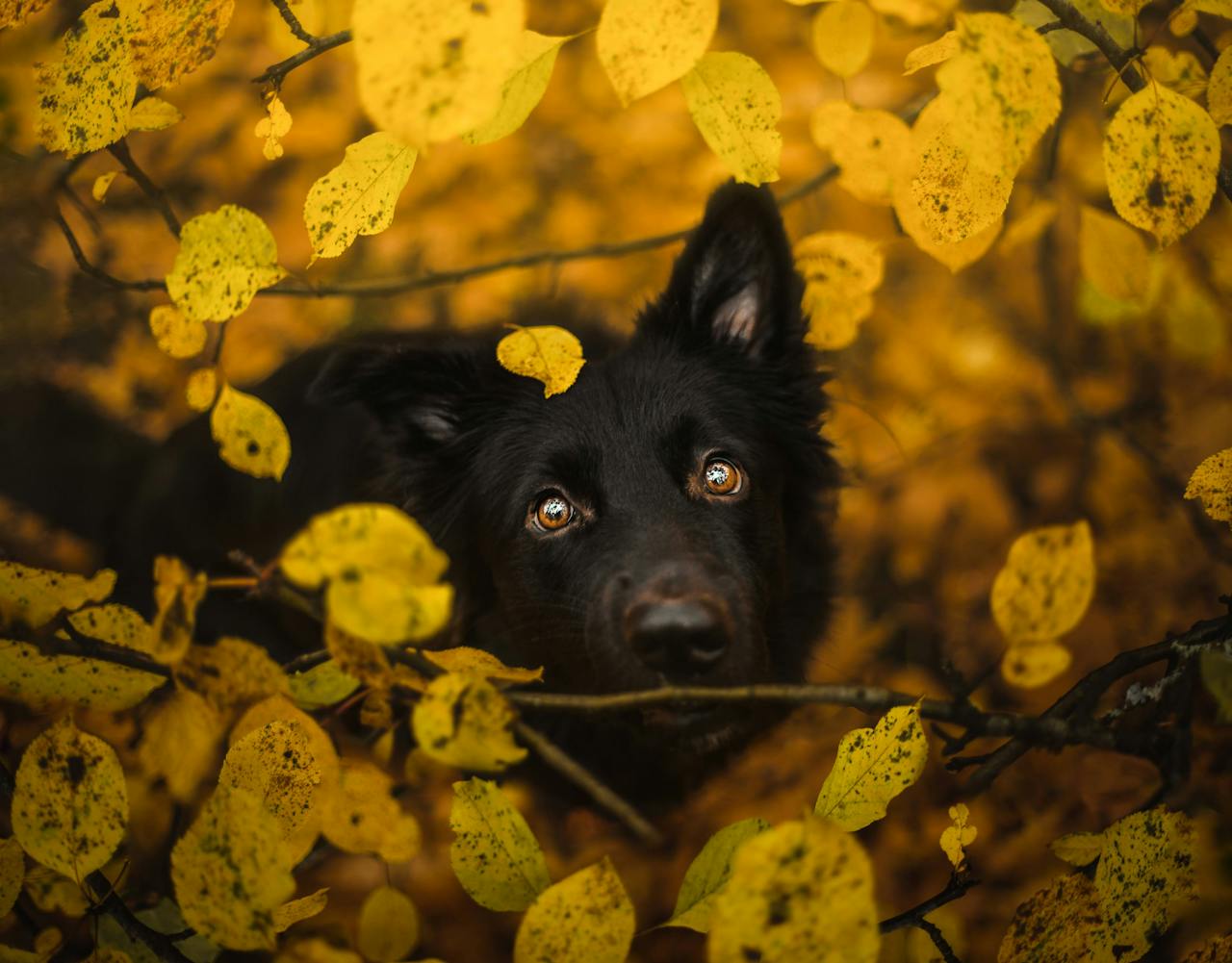
Horner’s syndrome in dogs and cats: signs, causes, diagnosis and treatment
A drooping eyelid, a smaller pupil and a visible third eyelid on one side add up to Horner's syndrome. It is not painful in itself and does not harm sight, but it often signals another, more serious condition underneath. We explain the causes, the diagnostic steps, the pharmacological tests and the treatment options.
Can animals have thyroid problems?
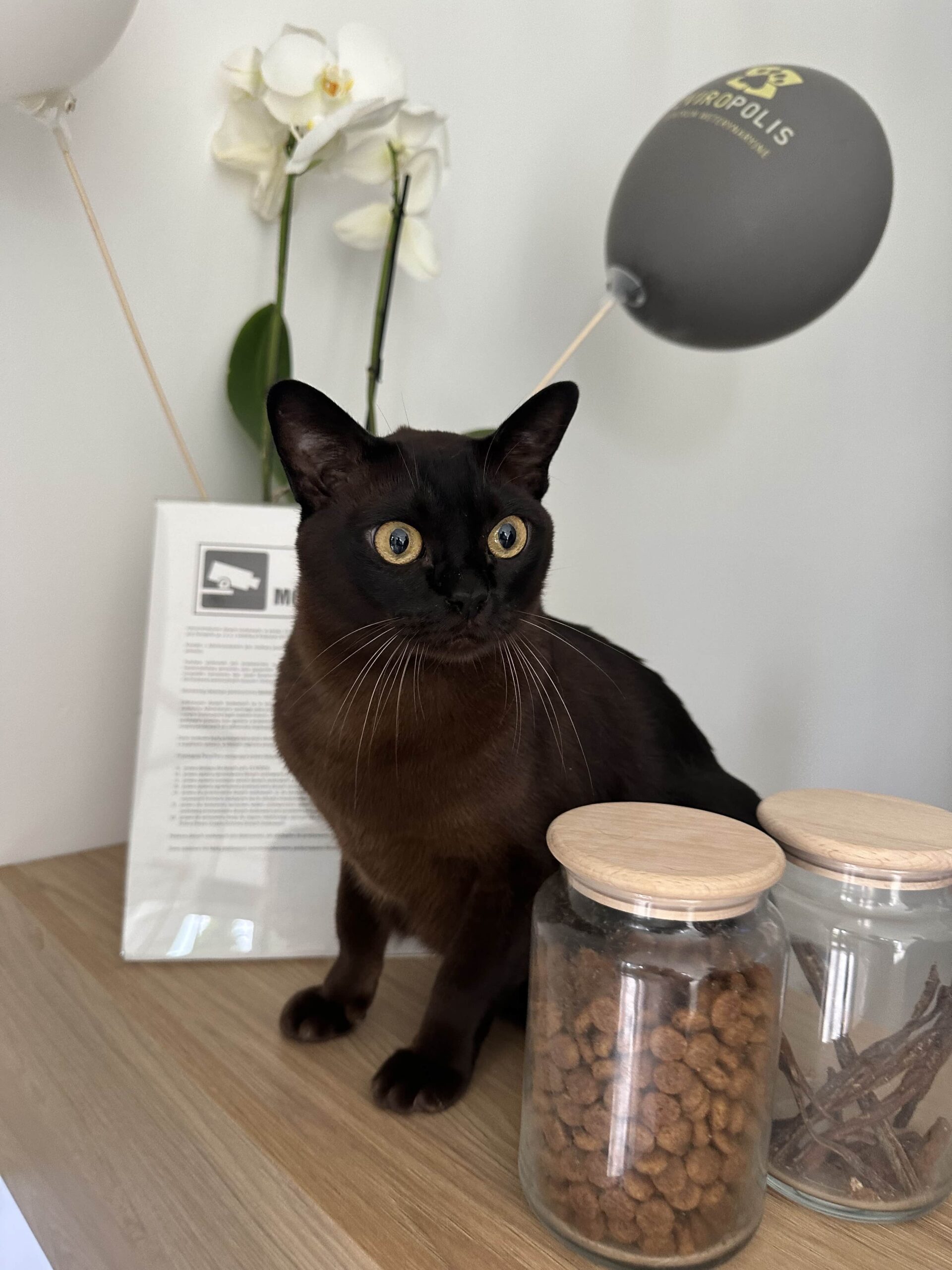
The thyroid is a small gland that plays a key role in the functioning of the whole body. It regulates metabolism, influencing how an animal’s body manages its energy. In veterinary practice, however, we see a clear split between species when it comes to diseases of this gland.
When the thyroid is diseased, a dog’s metabolism usually slows down abnormally, whereas a cat’s speeds up dangerously. Below we explain how differently these conditions present in the two species.
The thyroid in dogs and cats – key differences in pathophysiology
Pet owners are often unaware that dogs and cats suffer from two completely opposite thyroid disorders:
Because these conditions run such different courses, their diagnosis and clinical picture call for an individual approach.
Hypothyroidism in dogs – clinical signs and predisposition
Hypothyroidism develops slowly. Owners often mistake the symptoms for the natural ageing of their pet. In reality, they are the result of a hormone deficiency.
Main symptoms in dogs:
Predisposed breeds:
Owners of breeds such as the Golden Retriever, Labrador, Dobermann, Boxer and Cocker Spaniel should pay particular attention to thyroid screening.
Hyperthyroidism in cats – a threat to geriatric patients
Hyperthyroidism is one of the most frequently diagnosed endocrine diseases in cats over 8 years of age. It forces the cardiovascular system and the kidneys to work overtime, which, if left untreated, can lead to serious complications.
Main symptoms in cats:
Diagnosis – why a routine blood count is not enough
A standard preventive blood test (basic haematology and biochemistry) can only hint at a problem; it does not allow a definitive endocrine diagnosis to be made. To confirm the disease, at Zviropolis we run a specialist thyroid profile.
It includes measuring the key parameters:
Preparing for the test:
Reliable results depend on the patient being properly prepared. The animal should be brought in for the blood sample fasted (at least 8-12 hours without food) to avoid lipaemia (fat in the serum), which can distort the hormone readings.
Treatment and prognosis
The aim of treatment is to restore euthyroidism (normal hormone levels) and improve the patient’s quality of life.
In dogs (hypothyroidism):
Treatment consists of lifelong supplementation with synthetic levothyroxine. It is a safe and effective therapy. Once the right dose has been established, the clinical signs resolve and the animal returns to normal condition and activity.
In cats (hyperthyroidism):
Management is more complex and is tailored to the individual patient’s condition. The available options are:
In cats, treatment requires close monitoring of kidney parameters.
Thyroid disorders, though common, lead to serious health consequences if left untreated. If you notice unexplained weight gain and apathy in your dog, or restlessness despite weight loss in your older cat, we recommend a veterinary consultation. At Zviropolis we have the diagnostic facilities to assess your pet’s endocrine function precisely. Early diagnosis is the key to effective treatment. Do get in touch.