
A natural instinct
Cats scratch furniture first and foremost because of an instinct that is deeply rooted in their nature. Scratching is normal behaviour that lets a cat sharpen its claws and shed the dead outer layer. It is a process that keeps the claws in good condition and stops them from overgrowing. On top of that, a scratching cat is marking its territory: the scent glands in its paws leave behind a unique smell that tells other animals the spot is already taken.
A response to stress and boredom
Cats may also scratch furniture in response to stress or boredom. When they do not get enough stimulation or play, they look for relief in scratching. This kind of activity lets them work off pent-up tension and frustration. That is why it matters so much to offer a cat varied play and outlets for its energy.
Communication and territory
Scratching also plays an important part in cats’ social communication. By scratching furniture, a cat marks out its territory, which matters especially when other animals are around. It is a signal to other cats that the place is occupied. Such behaviour not only helps keep order in their world, it is also a way of showing confidence and standing in a given environment.
How to stop a cat scratching the furniture
When you notice your cat starting on the furniture, it is important to react calmly and constructively. Here are a few effective methods that can help break the habit.
1. Redirect to a scratching post
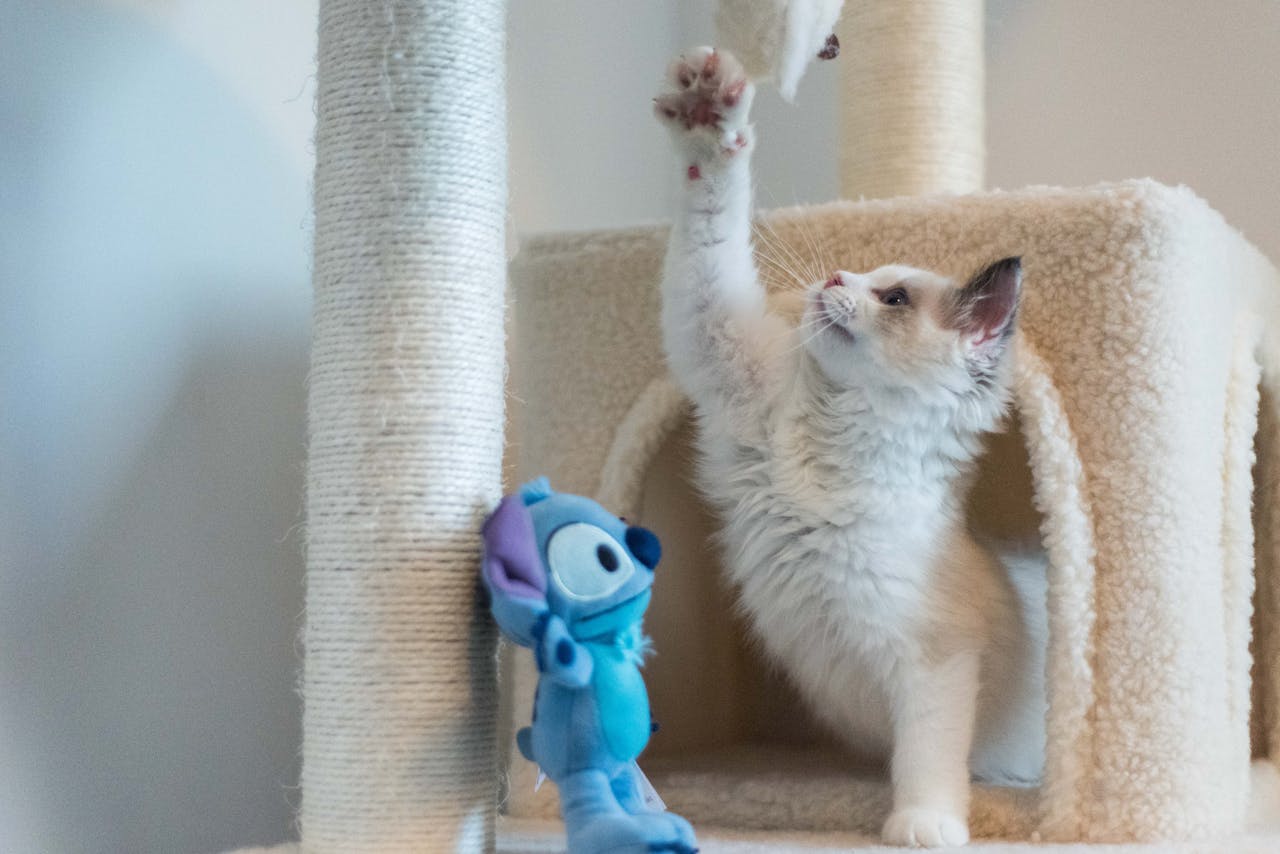
First, gently move the cat over to the scratching post and encourage it to use this alternative spot. Toys or treats can help draw its attention to the post.
2. Positive reinforcement
Rather than punishing your cat for scratching the furniture, focus on positive reinforcement. When the cat uses the post, reward it with a treat or praise. This helps it understand that scratching the post brings good things.
3. Deterrent sprays
Consider using one of the deterrents sold in pet shops, which can be sprayed onto furniture. They have an off-putting smell that reliably discourages cats from scratching in those places.
4. More exercise and stimulation
Giving your cat regular play, so that it gets both physical and mental exercise, will also reduce its urge to scratch the furniture. Interactive toys, wand teasers or balls will keep a cat busy and channel its energy somewhere far more appealing.
Why a scratching post matters to your cat
A scratching post satisfies a cat’s natural instincts, letting it sharpen its claws and mark territory, which builds its confidence. By offering a healthy alternative to the furniture, we make a cat less likely to damage it and at the same time reduce stress and boredom. What is more, when a cat uses the post and is rewarded for it, positive behaviour patterns take hold, so it will keep choosing the post over the sofa. In this way a scratching post becomes not just a practical solution but also a way of looking after a cat’s comfort and contentment.
The role of play in breaking the furniture-scratching habit
Cats need regular physical and mental stimulation to stay healthy and happy. When a cat does not get enough play, it will find other ways to work off its energy, and that often leads to destructive behaviour such as scratching the furniture. Regular interaction with their owner through play, with wand teasers or interactive toys, keeps a cat engaged, provides the activity it needs and helps it learn that scratching the post is far more satisfying than wrecking the furniture.