Contact us Make an appointment

Urine testing in dogs and cats: what it involves and why it matters

Urine testing, also known as urinalysis, is one of the basic and extremely valuable diagnostic tools in veterinary medicine. It allows a rapid assessment of an animal’s health and can detect many diseases before any visible clinical signs appear. Urine analysis provides valuable information not only about the urogenital system but also about other organs and systems, such as the kidneys, liver or pancreas.

Why is a urine test carried out?

Urine testing is performed routinely in many situations. The most common are:

  • Diagnosing kidney and bladder disease: it helps detect inflammation, kidney or bladder stones and renal failure.
  • Monitoring chronic conditions: in dogs and cats with diabetes, hyperthyroidism (in cats) or chronic renal failure, regular urine analysis shows how well the treatment is working.
  • Preventive screening (a “check-up”): in older animals or as part of routine examinations, it allows health problems to be caught early.
  • Investigating clinical signs: when an animal has trouble passing urine, drinks more water or urinates in unusual places.

How to collect a urine sample

Collecting a urine sample can be a challenge. The following methods are the ones most often used:

  1. Free catch (natural voiding): this involves catching urine in a special container as the animal passes it. In dogs this is the simplest method. With cats you can make the task easier by using a special non-absorbent litter in the tray. The sample should be taken from the middle of the stream, to keep contamination to a minimum.
  2. Cystocentesis: the most accurate method, in which urine is taken directly from the bladder with a fine needle. The procedure is carried out by a veterinarian under ultrasound guidance. It is ideal for bacteriological testing, as it eliminates the risk of contaminating the sample.
  3. Catheterisation: this involves passing a catheter into the bladder. It is an invasive method, used mainly in animals that cannot pass urine on their own.

For dogs and cats alike, the sample should be fresh: it is best delivered to the laboratory within 30-60 minutes of collection.

What to watch out for when collecting urine

A clean, representative urine sample is essential to reliable results. Even slight contamination can lead to a wrong diagnosis and unnecessary treatment.

  • Hygiene: always use a clean, sterile urine container, ideally one bought from a pharmacy or veterinary clinic. Yoghurt pots or jars from the kitchen are not suitable.
  • Timing: the sample should reach the laboratory as quickly as possible, ideally within 30-60 minutes of collection. Storing it too long allows bacteria to multiply, cells to break down and the pH to shift, which can falsify the result completely. If you cannot deliver the sample straight away, keep it in the fridge for no more than 6 hours.

Which parameters are measured in a urine test?

A general urine test in dogs and cats measures a number of parameters that together give a comprehensive picture of the animal’s health. The most important of them, and what they mean, are set out below.

Physical parameters

  • Colour: normal urine ranges from straw-coloured to amber. A darker colour may point to dehydration, while a reddish-brown shade suggests the presence of blood or bilirubin.
  • Clarity: a healthy animal’s urine is clear. Cloudy urine may indicate crystals, cells (white and red blood cells, for instance) or bacteria.
  • Specific gravity (SG): a measure of the kidneys’ ability to concentrate urine. A low value (very dilute urine) may point to renal failure or diabetes insipidus. A high value, in turn, may indicate dehydration.
  • pH: this shows how acidic or alkaline the urine is. In a healthy dog or cat, urine pH is usually slightly acidic. Changes in pH may point to urinary tract infections (bacteria can shift the pH towards alkaline) or to urinary stones.

Chemical parameters

  • Protein: a small amount of protein in urine can be normal, but a higher concentration (known as proteinuria) may point to kidney disease, inflammation or damage to the urinary tract.
  • Glucose: glucose in the urine (glucosuria) is most often a sign of diabetes. It may also indicate a disorder of the renal tubules.
  • Ketones: their presence may indicate ketonuria, which occurs for example in advanced untreated diabetes, in starvation or in disorders of fat metabolism.
  • Bilirubin and urobilinogen: bilirubin in the urine may point to liver problems or to intense haemolysis (the breakdown of red blood cells). Urobilinogen is a product of bilirubin metabolism, and its level may suggest inflammation of the liver or bile ducts.
  • Blood: blood in the urine (haematuria) indicates bleeding in the urinary tract or kidneys. It may be caused by injury, stones, infection or a tumour.

Examination of the urine sediment

  • Epithelial cells: these come from the urinary tract and bladder. Large numbers of them may indicate inflammation.
  • Red blood cells (erythrocytes): their presence confirms bleeding in the urinary tract or kidneys.
  • White blood cells (leukocytes): a high leukocyte count (leukocyturia) indicates inflammation or infection of the urinary tract.
  • Crystals: different types of crystal (struvite or calcium oxalate, for example) may indicate a predisposition to forming urinary stones.
  • Casts: these form in the renal tubules and may indicate serious kidney disease.
  • Bacteria: their presence in a sterile-collected sample confirms a urinary tract infection (cystitis).

Sharing a bed with your cat: pleasure or risk?

For many cat owners, sleeping alongside their purring companion is the very essence of closeness and comfort. The sweet sight of a cat curled up at your feet or on the pillow can warm the heart. Before you decide to share your bed with your furry friend, though, there are a few things worth thinking about. Is it always a good idea? Are there risks we ought to know about? This article will help you make an informed decision by weighing up both the benefits and the potential risks.

The benefits of sleeping with your cat

For many people, sleeping with a cat brings a whole range of positive experiences. Above all, it strengthens the bond between you and your pet. Cats are animals that value warmth and closeness, and a shared bed is a sign of trust and security for them. Having a cat in the bed can be soothing and relaxing. A cat’s purr, known for its therapeutic qualities, can help reduce stress and anxiety and even improve the quality of your sleep. The warmth and softness of a cat’s fur is an added comfort for many people and makes it easier to drift off. What is more, cats are creatures of routine, so if they get used to sleeping with you it can become a pleasant daily ritual.

Potential risks and drawbacks

For all its benefits, sharing a bed with a cat also carries certain risks that every owner ought to know about.

Hygiene and health

The most important issue is parasites in cats and germs. Even indoor cats can carry fleas, ticks, mites or skin fungi that may pass to humans. Internal parasites such as roundworms or tapeworms are a threat too, especially to children and people with weakened immunity. Always keep up with regular worming and flea and tick prevention. A cat’s fur and skin flakes are also powerful allergens. If you or someone in your household is allergic to cat hair, sharing a bed can worsen symptoms such as a runny nose, coughing, itchy eyes or breathing difficulties.

Disturbed sleep

Cats are nocturnal, or at least follow a shifting activity cycle. They may be busy at night, jumping about, purring loudly, playing and even walking across you. This can disturb your sleep and leave you tired and short of rest. Cats can also take up a good deal of room in the bed, and their sudden movements may wake you.

Safety

For very young children and babies, sleeping with a cat can pose a risk of suffocation if the cat happens to lie on the child’s face. Caution is always needed, and cats should not be allowed to sleep alongside infants.

How to minimise the risks

If you decide to share your bed with your cat, there are several ways to minimise the potential risks and keep everyone in the household safe:

  • Regular veterinary visits: make sure your cat is wormed regularly and protected against external parasites (fleas and ticks).
  • Keeping your cat clean: regular baths (if your cat will tolerate them) and brushing will help reduce the amount of hair and allergens in the bedroom. Keep the litter tray clean too.
  • Personal hygiene: wash your hands after handling your cat, and especially before bed.
  • Allergies: if you suspect an allergy, see a doctor. It may prove necessary to keep the cat out of the bedroom.
  • An alternative bed: give your cat its own comfortable bed in the bedroom, so it has an option if you would rather it did not sleep in your bed every night, or if its night-time activity disturbs you.
  • Boundaries: set clear rules about where the cat may and may not sleep. You might, for example, allow it on the bed but not under the duvet.
  • Children: never leave babies or small children in bed with a cat unsupervised.

In short, whether to sleep with your cat is a personal decision. Weigh up all the pros and cons, but above all use common sense and look after hygiene and health, both your own and your pet’s.

Truths and myths about vaccinating dogs and cats: what you should know

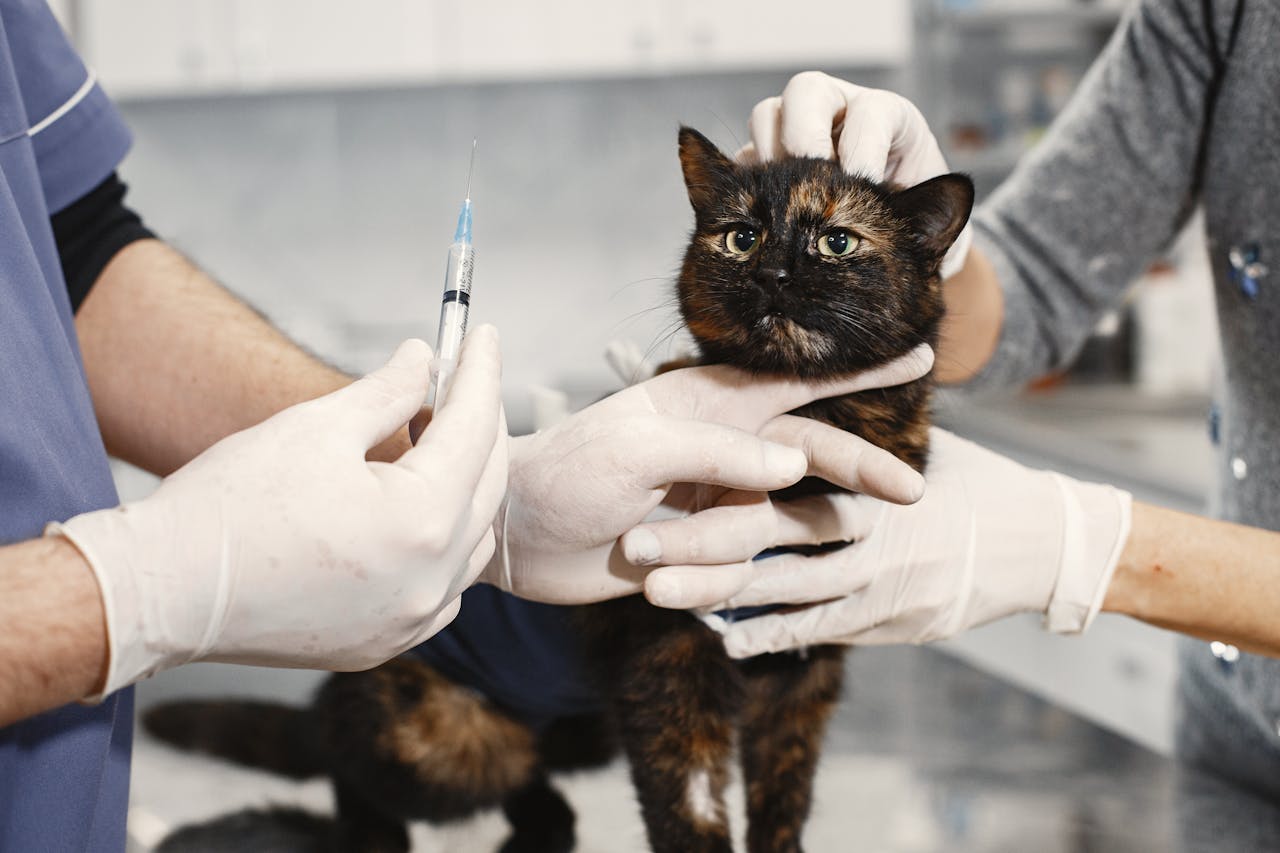
A great many questions, doubts and even myths have grown up around vaccinating our four-legged friends. As owners we want the best for our dogs and cats, so it is only natural that we look for reliable information. Vaccination is one of the most important parts of preventive care, protecting animals from many dangerous and often fatal diseases. Understanding why vaccines matter and how they work will help you make informed decisions about your pets’ health.

Why are vaccinations so important? The diseases they prevent

Vaccines work by “teaching” an animal’s immune system how to deal with particular pathogens before any real infection occurs. They introduce weakened or killed forms of viruses or bacteria into the body, which do not cause disease but do stimulate the production of antibodies. As a result, when the animal meets the real virus, its body is already prepared to fight.

Vaccinations protect against a number of serious diseases:

For dogs:

  • Distemper: a highly contagious and often fatal viral disease affecting the respiratory, digestive and nervous systems.
  • Parvovirus: an acute viral disease of the digestive tract, especially dangerous in puppies, causing severe vomiting and diarrhoea.
  • Leptospirosis: a bacterial disease spread through the urine of infected animals (rodents, for example), also dangerous to humans, which attacks the kidneys and liver.
  • Infectious canine hepatitis (HCC): a viral disease that attacks the liver.
  • Rabies: an incurable viral disease of the nervous system, always fatal; vaccination against it is compulsory in Poland.
  • Kennel cough: a group of respiratory conditions, usually mild but highly contagious, especially where large numbers of dogs gather.

For cats:

  • Panleukopenia (feline distemper): a highly contagious and often fatal viral disease that damages the bone marrow and intestines.
  • Cat flu: a group of respiratory conditions caused by calicivirus and herpesvirus, showing as sneezing, coughing and conjunctivitis.
  • Feline leukaemia (FeLV): a viral disease that attacks the immune system and leads to tumours and other disorders. Vaccination is recommended above all for cats that go outdoors and mix with other cats.
  • Rabies: compulsory in some regions or when travelling.

Vaccination schedules: when and how often?

Vaccination schedules are tailored to the animal’s age and lifestyle, as well as to the regulations in force.

Puppies and kittens (primary course): the first vaccinations usually begin at 6-8 weeks of age. A series of 2-3 doses then follows at intervals of 3-4 weeks. This matters greatly, because the immunity acquired from the mother (maternal immunity) fades over time and the young body has to build its own protection. The final dose should be given after 12-16 weeks of age, to be sure that maternal antibodies do not interfere with the response to the vaccine.

Adult dogs and cats (booster vaccinations): once the full primary course is complete, animals need regular boosters. How often depends on the type of vaccine and on the recommendations of the manufacturer and the veterinarian. Most core vaccines are given every 1-3 years, whereas rabies vaccination in dogs is compulsory every year in Poland. For cats that go outdoors or mix with other cats, regular leukaemia boosters are also recommended.

Myths versus facts: clearing up the doubts

Myth 1: vaccines are dangerous and cause all kinds of illness. The truth: vaccines are safe and undergo rigorous testing. Potential side effects are usually mild and short-lived, such as a slight fever, lethargy or soreness at the injection site. Serious allergic reactions are rare, and the benefits of vaccination, namely protection against fatal diseases, far outweigh the risks.

Myth 2: my dog or cat never leaves the house, so it does not need vaccinating. The truth: although the risk is lower, pathogens can be carried into the home on clothing, shoes or by other animals. Viruses such as parvovirus or panleukopenia are extremely hardy and survive a long time in the environment. Vaccination therefore matters even for indoor animals.

Myth 3: after the first vaccination the animal is already protected. The truth: full protection develops only once the entire primary course is finished (usually 2-3 doses) and a few days have passed since the last dose. Until then, avoid contact with unvaccinated animals and places where many animals gather, such as parks or dog exercise areas.

Vaccinations and travel: what you need to know

If you are planning a trip with your pet, vaccinations are absolutely fundamental. Many countries require an up-to-date rabies vaccination as well as a pet passport. Some countries may have additional requirements, such as a rabies antibody titre test or extra vaccinations (against the hydatid tapeworm, for example). Always check the current rules of your destination and of any transit countries well before you travel. A consultation with a veterinarian, who will issue the passport and advise on the required vaccinations and preventive treatments, is essential.

Remember that your pets’ health is your responsibility. Regular vaccinations are a simple and effective investment in a long and happy life for them.