
Contact us Make an appointment

A Friend for Your Cat: Is It Worth Adopting a Second Pet?

Are cats social animals, and do they need the company of their own kind?

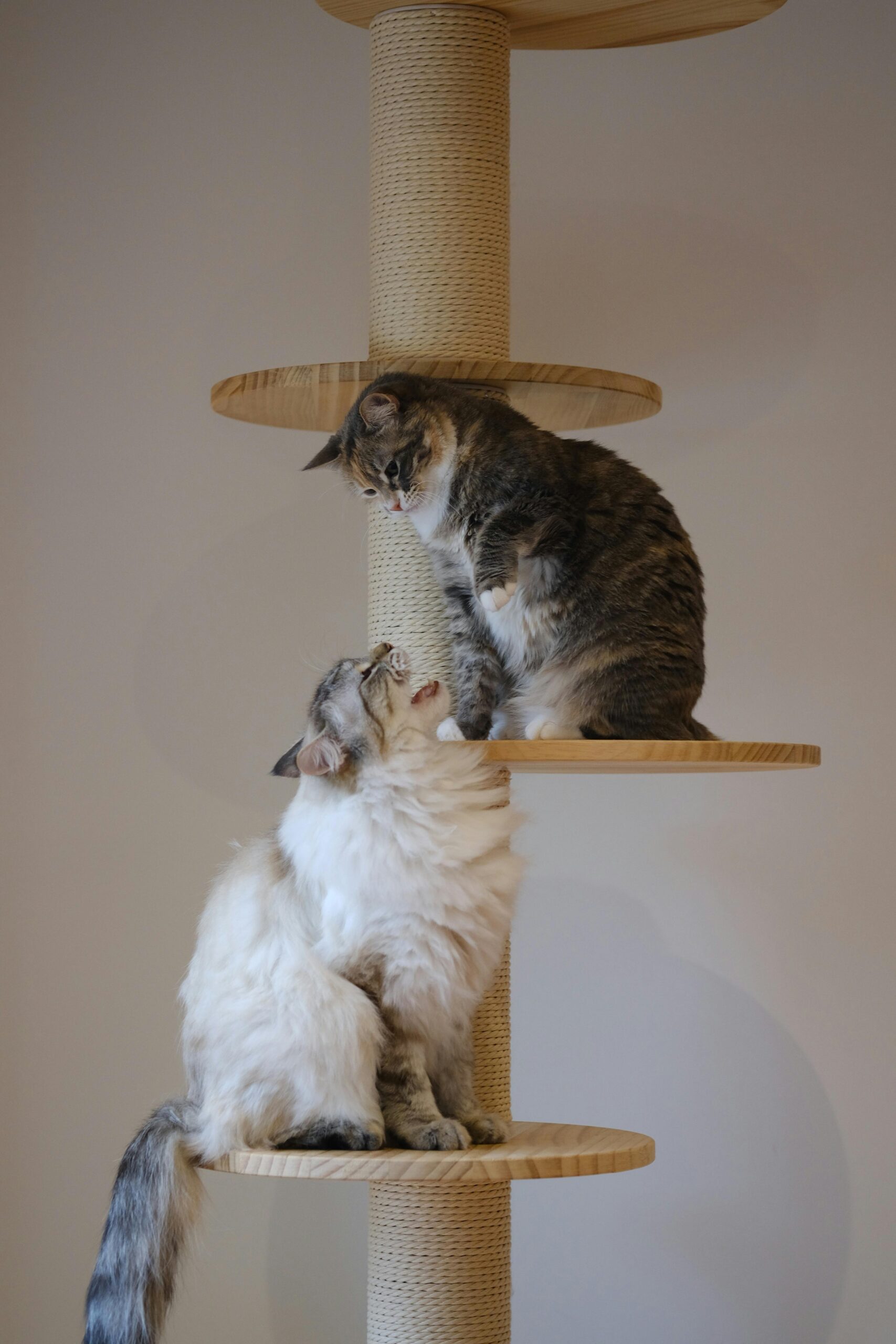
Although cats are often seen as independent and territorial animals, they are in fact more social than they might appear. Many cats enjoy the company of other cats, using their natural instincts for play and interaction. In the wild, cats often form loose groups, especially where food is easy to come by. In these groups they may hunt together, play and strengthen social bonds. At home, many cats appreciate the presence of fellow felines at least to some extent, which can improve their well-being and reduce stress, particularly during their owners’ longer absences. That said, not all cats are alike: some prefer a solitary life and avoid contact with other cats, asserting their territorial nature.

The benefits of adopting a second cat

Bringing a second cat into the home can have many positive effects. An extra companion can be a great source of activity for your first cat. Cats often love to play, and playing together gives them both mental and physical stimulation. Watching two cats interact can also be hugely rewarding for the owner.

A second cat can also help reduce stress and loneliness, especially when the owners are often out. Otherwise, a lonely cat may start to show signs of boredom, which can lead to unwanted behaviour such as damaging furniture or aggression.

Do cats need company?

Not every cat, however, wants the company of another cat. Owners should carefully assess their pet’s temperament and pay attention to its preferences. Some cats are naturally sociable, while others may be territorial and prefer to live alone. So before making a decision, it is worth getting to know your current cat’s personality and doing a bit of “character research”.

If your cat shows friendly, open behaviour towards other animals, that is a positive sign that introducing a new cat will be beneficial. If, on the other hand, your cat is aggressive towards other animals, it is better to consider other forms of stimulation, such as interactive toys or scent games.

When is it worth adopting a second cat?

Adopting a second cat can be a sensible choice in a number of situations. If you have enough space at home and the right resources, it is worth considering adopting a cat from your local shelter. Pay attention to the age of the new cat too: younger cats often adapt more easily to new surroundings and make friends with other animals.

Introducing a second cat into the home should be done thoughtfully and gradually. It is essential to keep the cats separated at first so they can get used to each other, and then to introduce supervised interactions step by step. This lets them become familiar with each other’s scent and temperament.

When is adopting a second cat a bad idea?

Adopting another cat is not always the right solution, and there are many situations that suggest it is better to hold off. First and foremost, a major warning sign is when your current cat is aggressive towards other animals. If it is territorial, this can lead to frequent conflicts and even serious injuries, which will affect both pets negatively. Another important factor is the cat’s temperament and mental well-being. If your pet is unusually fearful, gets stressed by new situations and struggles to adapt, bringing in a new cat may only make it feel worse and increase its stress. It is also important to assess its health. If your cat suffers from chronic illness, is weakened or has health problems, introducing a new animal may expose it to additional stress and the risk of infection. Likewise, if space at home is limited and you cannot give the cats enough room to live separately, it is better not to adopt. Finally, if you do not have the time or resources needed to care properly for two cats, it is worth putting the idea of adoption off for later rather than overburdening yourself. In such cases it is better to focus on giving one cat your full attention and love.

How to Get Your Dog Used to a Muzzle and How to Choose the Right One

A muzzle is not just a tool for keeping others safe on walks; it is also an important part of a dog’s training and its own safety. Getting your dog properly used to a muzzle and choosing the right model are key to the comfort of both your pet and the people around it.

When a muzzle is needed and why it is worth using

A muzzle is advisable in a range of situations where the safety of the dog, other people or other animals may be at risk. Above all, a muzzle should be used when a dog tends to react aggressively towards other dogs or people, as this can lead to dangerous situations. Visits to the vet, journeys on public transport and trips to busy places are further occasions when a muzzle may be essential. On walks in places with lots of stimuli (other dogs, children, cyclists), a muzzle provides an extra layer of protection while also teaching the dog to cope with stressful situations. A muzzle is also recommended for dogs that tend to eat dangerous things such as food scraps or toxic substances. It is worth stressing that a well-fitted muzzle lets the dog breathe freely, drink water and bark, which ensures not only safety but also the dog’s comfort in all sorts of everyday situations.

How to get your dog used to a muzzle

Muzzle training may be necessary in various situations, such as vet visits, travel or meetings with other animals. A muzzle protects not only others but also the dog itself, preventing it from accidentally swallowing something dangerous off the ground. It is important that the dog feels comfortable wearing a muzzle, and that means introducing it gradually.

  1. Choosing the right muzzle: before you start training, pick a muzzle that suits your dog’s breed, size and temperament. It should be comfortable and well fitted so that it does not restrict the dog’s movements, yet is not too loose either.
  2. Getting acquainted: show the dog the muzzle in a positive way, letting it sniff and explore it. Reward any positive reaction to the muzzle with treats.
  3. First fitting: once the dog accepts the muzzle, hold it against the dog’s snout for a few seconds while rewarding calm behaviour. Never force the dog to wear the muzzle, as this can create negative associations.
  4. Gradually extending the time: little by little, increase how long the dog wears the muzzle. You can start at home and then move on to short walks. Reward the dog with treats and praise so that it links the muzzle with positive experiences.
  5. Watching for comfort: it is important to keep an eye on the dog while it is wearing the muzzle. Make sure there are no signs of discomfort or stress. Let it move freely and avoid restricting it unnecessarily.
  6. Taking the muzzle on a walk: once the dog is used to wearing the muzzle in comfortable conditions, it is time for a walk. Gradually make the muzzle part of the walking routine, rewarding the dog for calm behaviour.

How to choose the right muzzle for your dog

Choosing the right muzzle is a key step that has a huge impact on the comfort and safety of both your pet and those around it. When selecting a muzzle, there are several important points that will help you find the best model for your particular dog.

  1. Size and fit: first and foremost, size is the most important factor to consider. The muzzle should fit the dog’s snout perfectly, which requires accurate measurements. Measure the circumference of the snout (at its widest point) and the length from the tip of the nose to the corner of the mouth. Many manufacturers provide size charts to help you choose the right model. A good muzzle should leave room for the snout to move freely and for the mouth to open so the dog can bark or express itself.
  2. Material: the material a muzzle is made of affects how comfortable it is to wear. Nylon muzzles are light, flexible and easy to clean, which makes them suitable for everyday use. Basket muzzles, usually made of metal or plastic, offer better ventilation and let the dog breathe and drink water, which matters on longer walks. Leather muzzles are more durable but can be less comfortable, especially on hot days. When choosing a material, also consider its durability and how easy it is to clean, as a muzzle can pick up dirt and odours.
  3. Type of muzzle: there are various types of muzzle on the market, differing in function and purpose. A fabric muzzle is a great choice for dogs that are not prone to biting, while a basket muzzle is ideal for aggressive dogs because it lets them breathe freely while keeping others safe. A close-fitting muzzle is a solution for short-term situations such as a vet visit, whereas a muzzle worn for a whole walk should be more comfortable and better thought out.
  4. Adjustment and fastening: make sure the muzzle has an adjustable fastening so that it can be fitted to the individual dimensions of your dog’s snout. The fastenings should be easy to use so the muzzle can be put on and taken off quickly, yet strong enough to stop it slipping off by accident.
  5. Testing and adaptation: once you have chosen a muzzle, try it out at home. Let the dog move around freely in the muzzle while watching its reactions, and check that it is not struggling with any discomfort. It is also worth carrying out positive adaptation, using rewards and encouragement so that the dog associates the muzzle with pleasant experiences.
  6. Professional advice: finally, it is worth seeking the opinion of specialists such as behaviourists or dog trainers, who can advise on choosing a muzzle and on training your dog to wear it. They can also suggest models suited to the mindset and temperament of your particular dog.

The Role of Water in a Cat’s Life: How to Keep Your Pet Properly Hydrated

Why proper hydration matters for cats

Proper hydration is essential to a cat’s health and to the way its body works, because water performs a number of vital roles. It is the main component of blood, which carries oxygen and nutrients to the cells and removes carbon dioxide and waste products. Water also regulates the cat’s body temperature through sweating and evaporation, which is particularly important in hot weather. Digestive enzymes need enough water to break food down efficiently in the digestive tract, supporting digestion and the absorption of nutrients. Water is also essential for the kidneys: without adequate hydration they cannot filter toxins and waste from the body effectively, which can lead to serious health problems. Good hydration also supports joint health by keeping the joints properly lubricated, which matters especially in older cats. Maintaining the body’s water balance is therefore the foundation of a cat’s health and well-being, and any disruption to it can have serious consequences.

How much water a cat needs each day

A cat’s daily water requirement depends on many factors, including its weight, age, activity level and diet. As a general rule, a cat should take in 50 to 75 ml of water per kilogram of body weight per day. A 4 kg cat, for example, needs between 200 and 300 ml of water daily. Bear in mind, however, that a cat can get a large part of its daily requirement from food, especially if it eats wet food, which contains around 70-80% water. Cats fed on dry food, which has a moisture content of only around 7-10%, need to drink more from the bowl to make up the difference. It is also worth remembering that cats may drink less when they are in a cool environment or are less physically active.

The consequences of poor hydration in cats

Poor hydration can have serious, even life-threatening consequences for a cat. Dehydration affects the kidneys, impairing their ability to filter toxins and remove waste from the body. This in turn can lead to urinary tract problems such as the formation of crystals and kidney stones, causing pain, infections, and sometimes urine dribbling and life-threatening kidney failure. In addition, insufficient water makes a cat’s metabolism less efficient, which can lead to problems with digestion and the absorption of essential nutrients. Signs of dehydration may include a dry mouth, reduced urine output, loss of skin elasticity, as well as drowsiness and general weakness. In extreme cases, prolonged dehydration can lead to serious complications and even death. That is why it is so important to give your cat constant access to fresh water, keep an eye on how much it drinks and report any worrying symptoms to your veterinarian.

Causes of dehydration in cats

Dehydration in cats can result from a variety of factors, often linked to their eating habits, environment and state of health. Many cats, especially those fed on dry food, do not feel the urge to drink much water, which can lead to a chronic fluid deficit. Cats also tend to avoid food or water that has been standing for a while, an instinct inherited from the wild, where stagnant water may be contaminated. Environmental factors such as ambient temperature and air humidity can also affect a cat’s water needs. Health problems such as kidney disease, diabetes or dental issues may influence a cat’s willingness to drink as well. Finally, stress or changes in the household, such as moving house or a new pet, can make a cat feel uncomfortable, which in turn may reduce how much it drinks.

How to keep your cat properly hydrated

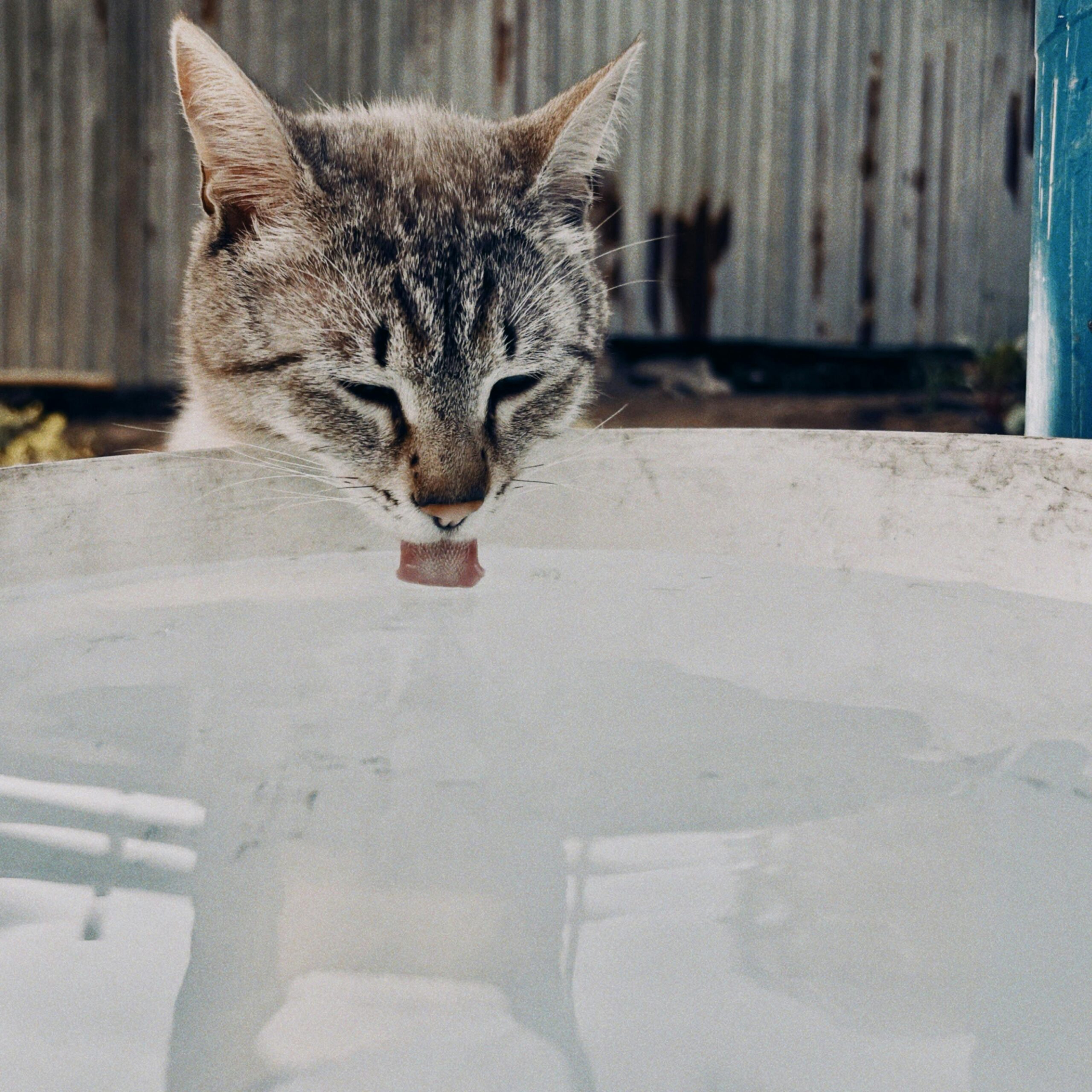
A few simple but effective habits can make a big difference. First of all, always give your cat easy access to fresh, clean water and change it regularly to prevent bacteria and dirt from building up. It is a good idea to place several water bowls around the home, which encourages the cat to drink while playing or relaxing. Many cats prefer moving water, so a cat fountain can be a worthwhile investment: it attracts their attention and increases fluid intake. Diet matters a great deal too; if your cat eats mainly dry food, consider introducing wet food, which contains far more water. You can also add water to dry food to make a paste or moist mixture, making hydration easier. Finally, keep an eye on how much water your cat drinks and how it behaves, so that any hydration problems can be picked up early.