Contact us Make an appointment

Don’t ignore it! Why drooling in a cat can signal a serious health problem

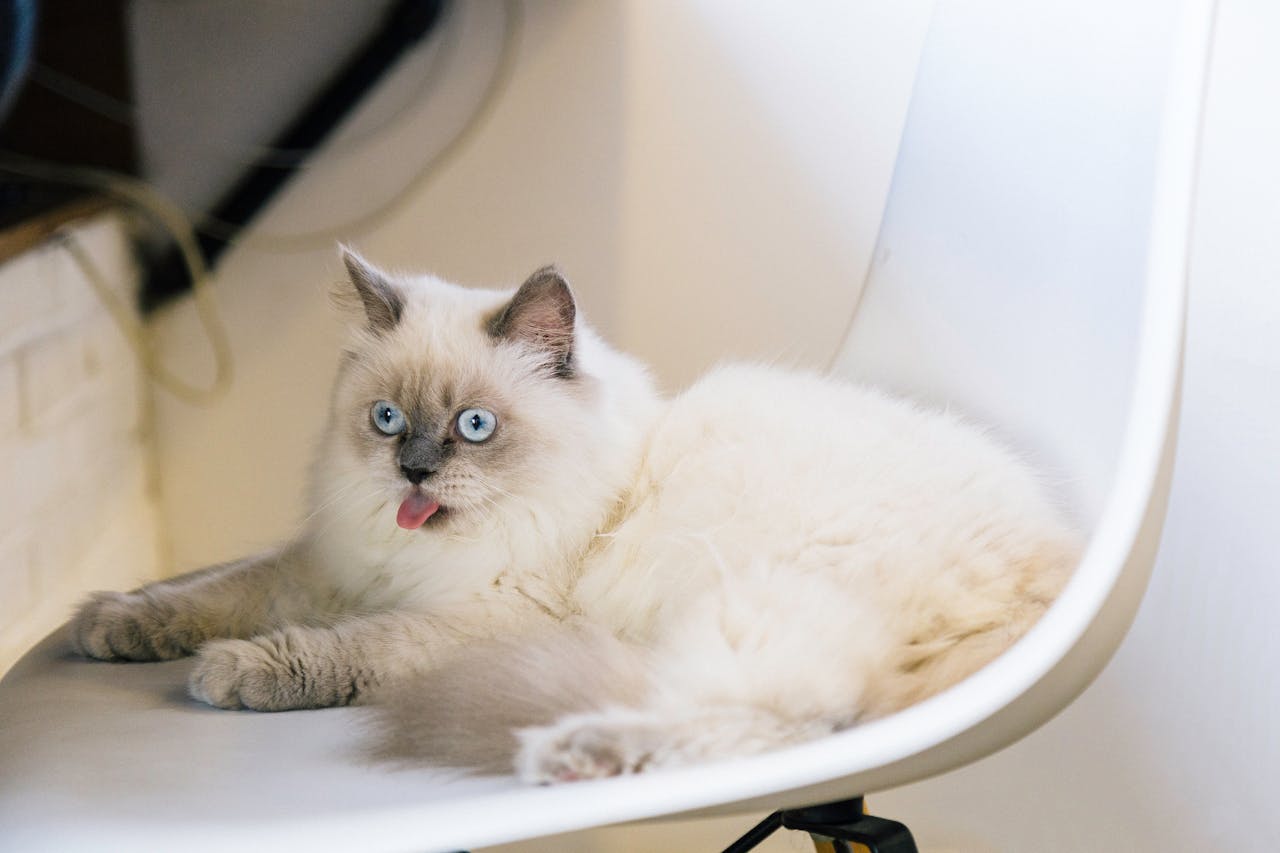
Excessive drooling in cats is something that can easily worry an owner. In some situations it is perfectly normal — while eating or playing, for instance — but in others it points to a health problem that should not be ignored. 

When drooling is perfectly normal

Sometimes a cat drools for entirely ordinary reasons. Catching sight or scent of food, for example, is enough to set the salivary glands going in sheer anticipation. Playing with a wand toy or a lure can have the same effect, because the cat responds to the stimulus exactly as its hunting instinct dictates. In those circumstances the extra saliva is simply a natural sign of excitement and of the drive to catch the “prey”.

When should drooling in a cat worry you?

  1. Loss of appetite: if your cat suddenly stops eating or drinks less water, and this comes together with excessive drooling.
  2. Difficulty eating: if the cat struggles with food — chewing with its mouth open, backing away from the bowl, or crying out in pain while eating.
  3. Bleeding in the mouth: any trace of blood in the saliva, around the muzzle, or left in the bowl after a meal.
  4. Persistent pawing at the face: if the cat keeps scratching around its mouth, something is probably bothering it.
  5. Behavioural changes: anything out of character — listlessness, aggression, hiding away, or trouble moving about.
  6. Vomiting: if the cat is being sick and drooling heavily at the same time.
  7. Weight loss: sudden and marked.

What health problems can drooling point to?

  • drooling may indicate oral disease such as gingivitis, periodontal inflammation or dental infection. A cat with a painful mouth suffers unpleasant symptoms, excessive saliva among them, which means that a lack of proper dental care or an ongoing infection can lead to further complications, including tooth loss.
  • Drooling in a cat can be caused by a swallowed foreign body that irritates the mouth and throat. When a cat accidentally swallows something like a piece of plastic, fabric or another small object, the body responds defensively by producing more saliva. This causes discomfort and even pain, and the cat may cough, vomit or have trouble swallowing. 
  • More serious conditions should not be overlooked either — tumours of the oral cavity or of the salivary glands, which can show up as excessive salivation. As a malignant tumour grows, the cat experiences considerable discomfort, and that too drives saliva production up.
  • Systemic disease, such as liver or kidney disease, can likewise cause heavy drooling. When the body struggles to clear toxins, appetite and general condition suffer, and excess saliva appears as an outward sign. Excessive salivation is sometimes seen in cats with neurological problems that disrupt normal nervous system function and, with it, the animal’s ability to manage its own saliva.
  • Drooling can be one of the signs of poisoning, for instance after a cat has eaten a toxic plant. When a cat nibbles a plant containing harmful substances, the body reacts in various ways, and heavy salivation is one of them. It usually stems from irritation of the lining of the mouth and digestive tract. Alongside the drooling, the cat may show other signs of poisoning such as vomiting, diarrhoea, weakness or apathy.

Drooling in cats: a sign that calls for diagnosis and proper treatment

Drooling in a cat can be caused by a swallowed foreign body that irritates the mouth and throat. When a cat accidentally swallows something like a piece of plastic, fabric or another small object, the body responds defensively by producing more saliva. This causes discomfort and even pain, and the cat may cough, vomit or have trouble swallowing.

What Is a Cat Sitter? Meet the Experts in Feline Care

What is a cat sitter?

A cat sitter is someone who looks after cats while their owners are away. Sitters are responsible for keeping cats comfortable, safe and in good company when their owners are on holiday, travelling for work or simply tied up with other commitments. They offer a broad range of services: feeding the cat, refreshing the water, cleaning the litter tray and playing with the animal, all of which helps meet a cat’s emotional needs. Professional sitters usually have experience with a variety of breeds and temperaments, which allows them to tailor their approach to each individual cat. Working with a cat sitter benefits both the cat, who is far more at ease in familiar surroundings, and the owner, who can rest assured that their pet is in good hands.

Why hire a cat sitter rather than an untrained helper?

Hiring a professional cat sitter is a far better option than relying on someone with no experience of looking after cats. Sitters often complete training that equips them to read feline behaviour and respond to a cat’s needs. They know how to look after a pet’s health, including how to give medication, how to act if something goes wrong and how to keep a cat comfortable and secure in familiar surroundings. Hiring a professional also gives you the benefit of their skill in interacting with cats, which builds trust between sitter and animal. Unlike an untrained helper, a cat sitter can pick up on the subtle signals that suggest a cat is stressed or anxious, and can offer the right kind of play to support their emotional wellbeing. Choosing a professional not only gives the owner peace of mind but also guarantees a higher standard of care — and with it, a happier cat.

How do you find the best cat sitter?

Finding the best cat sitter for your pet takes care and consideration. Start by asking friends and family — they may be able to recommend someone with experience of looking after cats. It is also worth trying local groups on social media and the online platforms that gather pet care listings, where you will find sitters’ profiles along with reviews from other owners. Before making a decision, arrange to meet the prospective sitter so you can see how they respond to your cat. Pay attention to their manner with animals and their ability to build a rapport. Ask about their experience and qualifications. It is important, too, to discuss routines and what the care will actually look like day to day, so you can put together a plan that suits your cat’s needs. Choose a sitter you feel comfortable with and whose approach matches your expectations, and your cat will be in the best possible hands.

How do you become a cat sitter?

Becoming a cat sitter involves a few steps that will give you the necessary skills and win the trust of prospective clients. First, build up your knowledge of feline behaviour and cats’ basic needs, along with animal health and the problems cats may face. Courses in animal care or relevant certificates are a real asset and will add to your credibility. Next comes experience: looking after cats for people you know, or volunteering at a shelter, will introduce you to a range of temperaments and requirements. Once you have some experience behind you, create a profile setting out your skills, availability and the services you offer. You can also register with the online platforms that connect pet sitters with owners looking for help. Building good relationships with clients and their pets is equally important, since that is what earns you strong reviews and referrals — and, with them, a growing business as a cat sitter.

Understanding Addison’s Disease. How to Look After Your Dog’s Health

What is Addison’s disease in dogs?

Addison’s disease, also known as hypoadrenocorticism, is an endocrine disorder that occurs when the adrenal cortex fails to produce enough steroid hormones, notably cortisol and aldosterone. Cortisol plays a central role in regulating metabolism, the body’s response to stress and the maintenance of healthy blood glucose levels, while aldosterone governs the balance of water and electrolytes, including sodium and potassium levels. A shortage of these hormones can leave a dog with serious health problems such as weakness, vomiting and diarrhoea, as well as adrenal crises, which can be life-threatening. Addison’s disease usually develops gradually and may be brought on by a range of factors, among them autoimmune damage to the adrenal glands, which throws the dog’s hormonal balance out and in turn disrupts many vital functions.

Dog breeds predisposed to Addison’s disease

Addison’s disease can affect dogs of any breed, though some are noticeably more prone to it. It most commonly affects medium and large breeds, including:

  • Retrievers (for example the Labrador Retriever and Golden Retriever)
  • Boxers
  • German Shepherds
  • Bedlington Terrier
  • Shar Pei

Several other breeds, including the Whippet, Poodle and Beagle, also carry an increased risk of developing Addison’s disease. There is evidence, too, that females are more susceptible than males. While breed predisposition does raise the risk, it is worth remembering that Addison’s disease can occur in crossbreeds as well.

Signs of Addison’s disease 

The signs of Addison’s disease in dogs vary and tend to appear gradually, which is why they are so often mistaken for other conditions. 

  1. Weakness and apathy – dogs may seem tired, less active and reluctant to play.
  2. Loss of appetite – dogs with Addison’s disease often show less interest in food, which can lead to weight loss.
  3. Vomiting and diarrhoea – many affected dogs have bouts of vomiting and recurring diarrhoea, which can lead to dehydration.
  4. Increased drinking and urination – shifts in electrolyte balance can cause excessive thirst (polydipsia) and increased urine production (polyuria).
  5. Low blood pressure – a blunted response to stress can bring on dizziness and weakness.
  6. Addisonian crisis – in the most severe cases a sudden adrenal crisis may occur, marked by profound weakness, muscle rigidity, trembling, a sharp drop in blood pressure and possible loss of consciousness. This is an emergency and calls for immediate veterinary attention.

Treating Addison’s disease in dogs

Treating Addison’s disease in dogs is a long-term undertaking focused on replacing the missing hormones and keeping their levels steady. The mainstay of therapy is hormone medication, most often corticosteroids such as prednisolone, which make up for the shortfall in cortisol. Doses are tailored to the individual dog, and medication may be needed daily or several times a week. Where aldosterone is lacking, mineralocorticoids such as fludrocortisone are used to help maintain electrolyte balance. Regular monitoring is equally important, covering electrolyte levels and the dog’s overall response to treatment. Owners should stay alert to both short- and long-term signs and offer support during stressful situations, which can trigger an adrenal crisis. Should a crisis occur, it can be life-threatening and requires immediate veterinary intervention, including intravenous fluids and medication.