

-

Parasitic diseases in rabbits: the commonest threats and how to prevent them
Coccidiosis, encephalitozoonosis, ear mange and cheyletiellosis are the parasitic diseases pet rabbits meet most often, and they can go unnoticed for a long time. We explain how they are diagnosed in the laboratory, how they are treated, and which hygiene, quarantine and feeding rules keep infection at bay.
-

How to protect your dog’s paws in winter
Frost, ice and road salt leave a dog's pads irritated, cracked and sometimes frostbitten every winter. We explain how to pick a route and a protective wax before the walk, how to rinse and dry the paws properly once you are home, and which signs mean it is time to call the veterinary clinic.
-
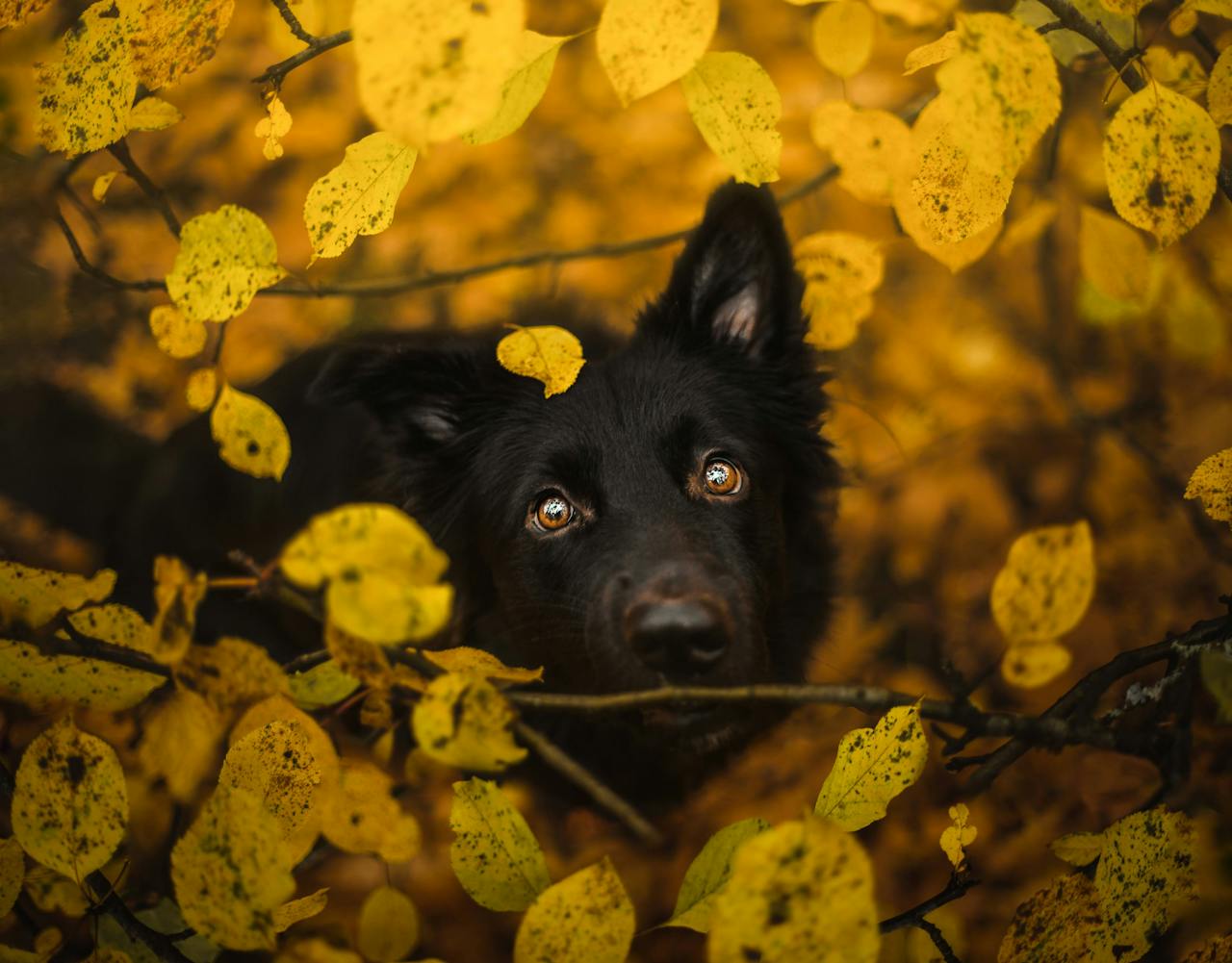
Horner’s syndrome in dogs and cats: signs, causes, diagnosis and treatment
A drooping eyelid, a smaller pupil and a visible third eyelid on one side add up to Horner's syndrome. It is not painful in itself and does not harm sight, but it often signals another, more serious condition underneath. We explain the causes, the diagnostic steps, the pharmacological tests and the treatment options.
Oktawia Szpinda-Konior

A graduate of the Faculty of Veterinary Medicine in Warsaw, which she completed in 2017. In 2024, she defended her doctoral dissertation with distinction, titled “Clinical and Echocardiographic Assessment of the Heart in American Staffordshire Terriers,” earning the title of Doctor of Veterinary Sciences.
Her main professional interests focus on veterinary cardiology and internal medicine in dogs and cats. These fields are her greatest passion and a constant source of motivation for expanding her knowledge. She regularly participates in national and international trainings, courses, and conferences, which allows her to combine up-to-date scientific knowledge with clinical experience in everyday practice.
She is a co-author of scientific publications appearing in peer-reviewed veterinary journals. She shares her knowledge and research findings both within the academic community and with practicing veterinarians.
Privately, she is a devoted caregiver and passionate enthusiast of the American Staffordshire Terrier breed, with which she is connected not only professionally but also emotionally. She deeply understands the needs and specific characteristics of this breed, which is reflected in her clinical and research work.
She consults patients in both Polish and English, providing comprehensive, empathetic, and modern veterinary care. In her work, she values diagnostic precision, a holistic approach to the patient, and open communication with the animal’s caregiver.