

-

Parasitic diseases in rabbits: the commonest threats and how to prevent them
Coccidiosis, encephalitozoonosis, ear mange and cheyletiellosis are the parasitic diseases pet rabbits meet most often, and they can go unnoticed for a long time. We explain how they are diagnosed in the laboratory, how they are treated, and which hygiene, quarantine and feeding rules keep infection at bay.
-

How to protect your dog’s paws in winter
Frost, ice and road salt leave a dog's pads irritated, cracked and sometimes frostbitten every winter. We explain how to pick a route and a protective wax before the walk, how to rinse and dry the paws properly once you are home, and which signs mean it is time to call the veterinary clinic.
-
Horner’s syndrome in dogs and cats: signs, causes, diagnosis and treatment
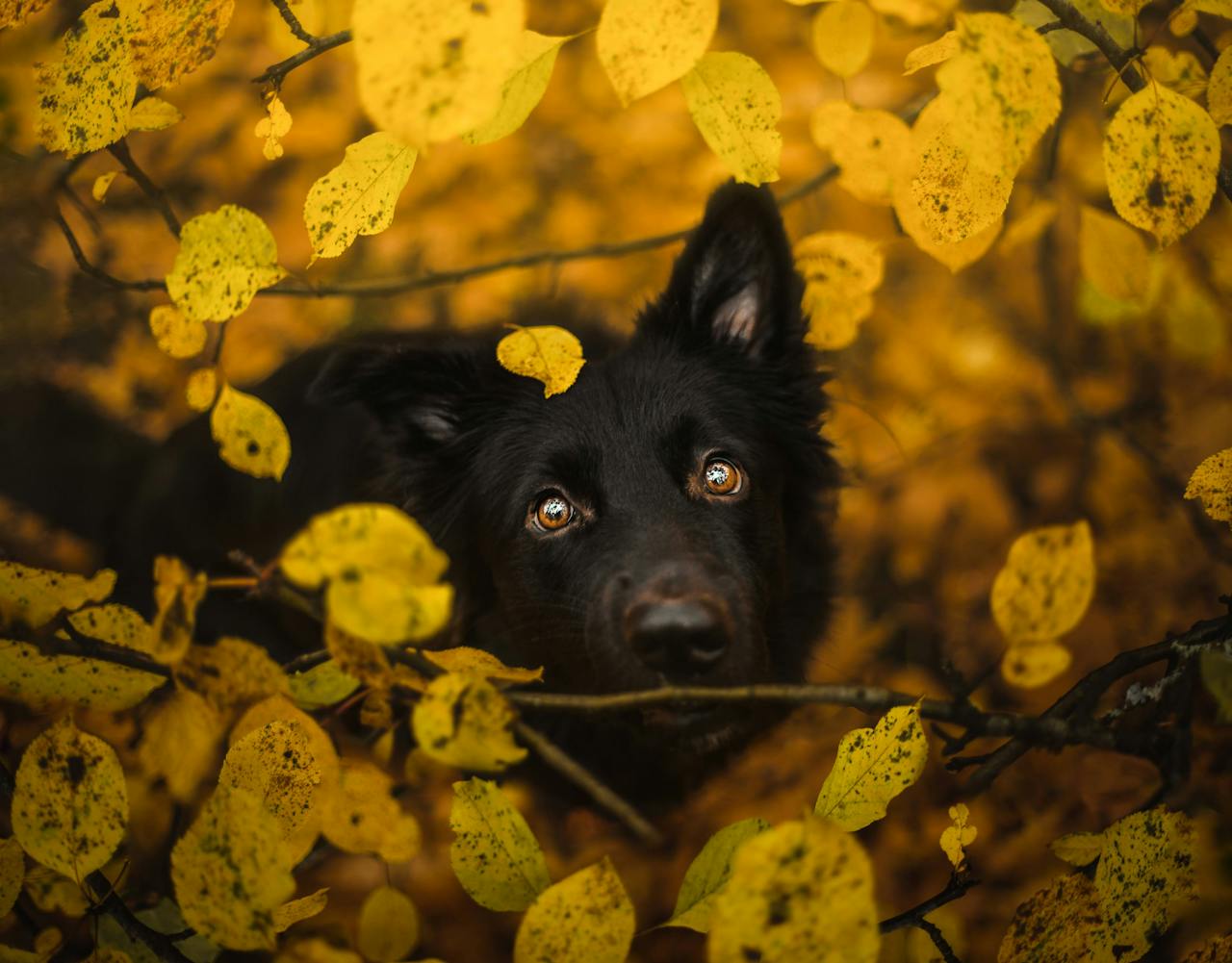
A drooping eyelid, a smaller pupil and a visible third eyelid on one side add up to Horner's syndrome. It is not painful in itself and does not harm sight, but it often signals another, more serious condition underneath. We explain the causes, the diagnostic steps, the pharmacological tests and the treatment options.
Natasha Zdunek
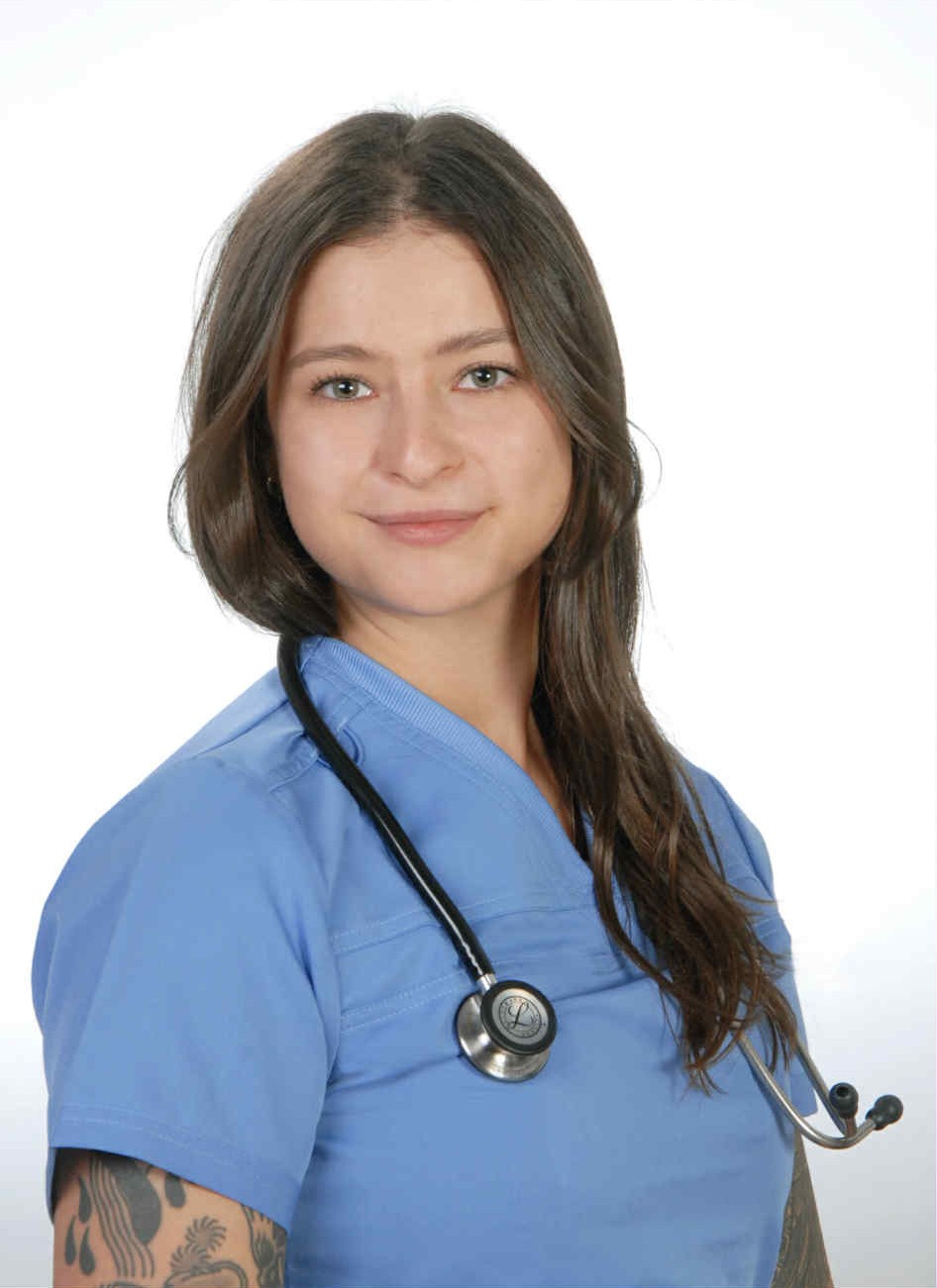
A graduate of the Faculty of Veterinary Medicine at the Warsaw University of Life Sciences, which she completed in 2022. After finishing her studies, she decided to gain experience abroad – for three years, she worked at a renowned veterinary clinic in Germany. It was there that she developed her interests in internal medicine of small animals and began to intensely specialize in soft tissue surgery.
Surgery is her main professional passion. She regularly expands her competencies by participating in international courses and training sessions organized by ESAVS (European School for Advanced Veterinary Studies) and Eickemeyer. These trainings have allowed her not only to acquire a solid theoretical foundation but also to develop high-level practical surgical skills.
In her daily work, she focuses on soft tissue surgery, with particular emphasis on procedures involving the abdominal cavity, urinary tract, and reproductive organs. She also performs procedures in surgical oncology and emergency treatment. She always adheres to the principles of maximum patient safety, precision, and the use of modern, proven treatment methods.
She is a meticulous and dedicated veterinarian who is constantly seeking new development opportunities. Thanks to the experience gained abroad, she is characterized by openness to new solutions and a high standard of patient care.