

-

Parasitic diseases in rabbits: the commonest threats and how to prevent them
Coccidiosis, encephalitozoonosis, ear mange and cheyletiellosis are the parasitic diseases pet rabbits meet most often, and they can go unnoticed for a long time. We explain how they are diagnosed in the laboratory, how they are treated, and which hygiene, quarantine and feeding rules keep infection at bay.
-

How to protect your dog’s paws in winter
Frost, ice and road salt leave a dog's pads irritated, cracked and sometimes frostbitten every winter. We explain how to pick a route and a protective wax before the walk, how to rinse and dry the paws properly once you are home, and which signs mean it is time to call the veterinary clinic.
-

Horner’s syndrome in dogs and cats: signs, causes, diagnosis and treatment
A drooping eyelid, a smaller pupil and a visible third eyelid on one side add up to Horner's syndrome. It is not painful in itself and does not harm sight, but it often signals another, more serious condition underneath. We explain the causes, the diagnostic steps, the pharmacological tests and the treatment options.
Mateusz Wójcik
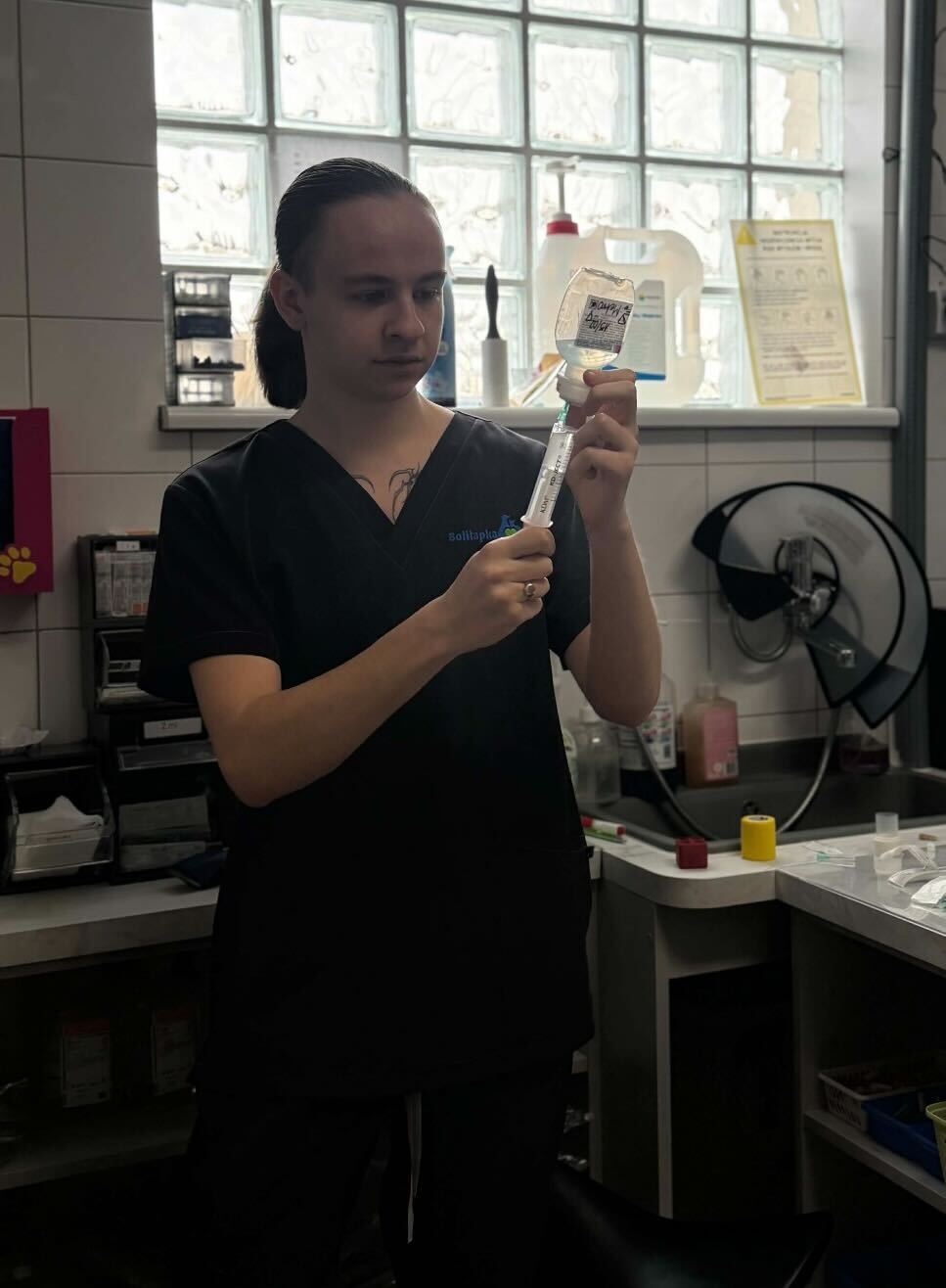
I am a veterinary technician with several years of experience, which I gained working at one of the largest veterinary centers in Podlasie and during night shifts at Zviropolis. I graduated from a veterinary technical school in Białystok and am constantly developing my skills by studying human nursing.
Emergency medicine is closest to my heart – I thrive in emergency situations where quick action, composure, and knowledge are crucial. I regularly attend courses and training, ensuring I work in accordance with current standards, particularly in the field of resuscitation.
After work, I volunteer to help animals through a foundation and care for my dog, Odi, who was rescued from an emergency. At work, I prioritize commitment, peace, and a sense of security – for both patients and their caregivers. In my free time, I enjoy being active – I love traveling and swimming.