
-
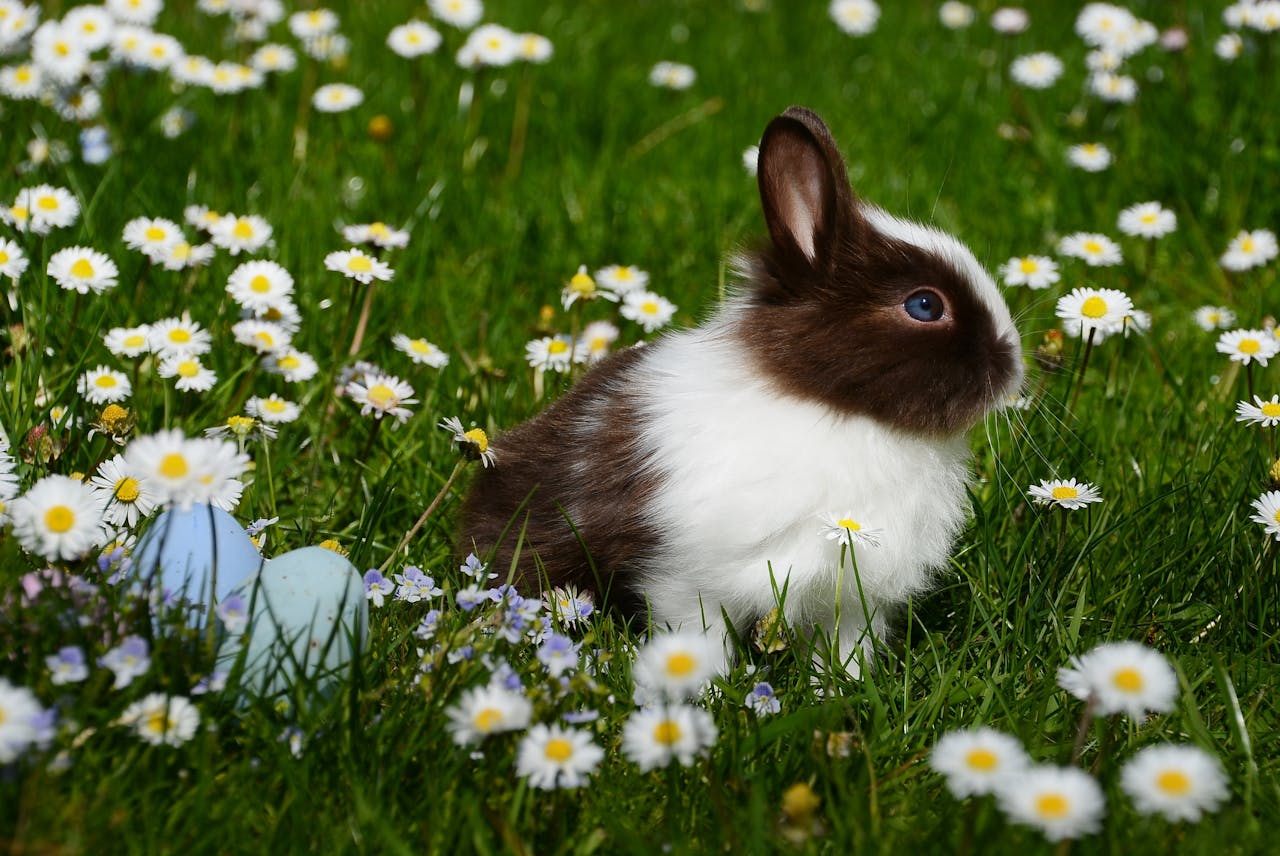
Parasitic diseases in rabbits: the commonest threats and how to prevent them
Coccidiosis, encephalitozoonosis, ear mange and cheyletiellosis are the parasitic diseases pet rabbits meet most often, and they can go unnoticed for a long time. We explain how they are diagnosed in the laboratory, how they are treated, and which hygiene, quarantine and feeding rules keep infection at bay.
-

How to protect your dog’s paws in winter
Frost, ice and road salt leave a dog's pads irritated, cracked and sometimes frostbitten every winter. We explain how to pick a route and a protective wax before the walk, how to rinse and dry the paws properly once you are home, and which signs mean it is time to call the veterinary clinic.
-
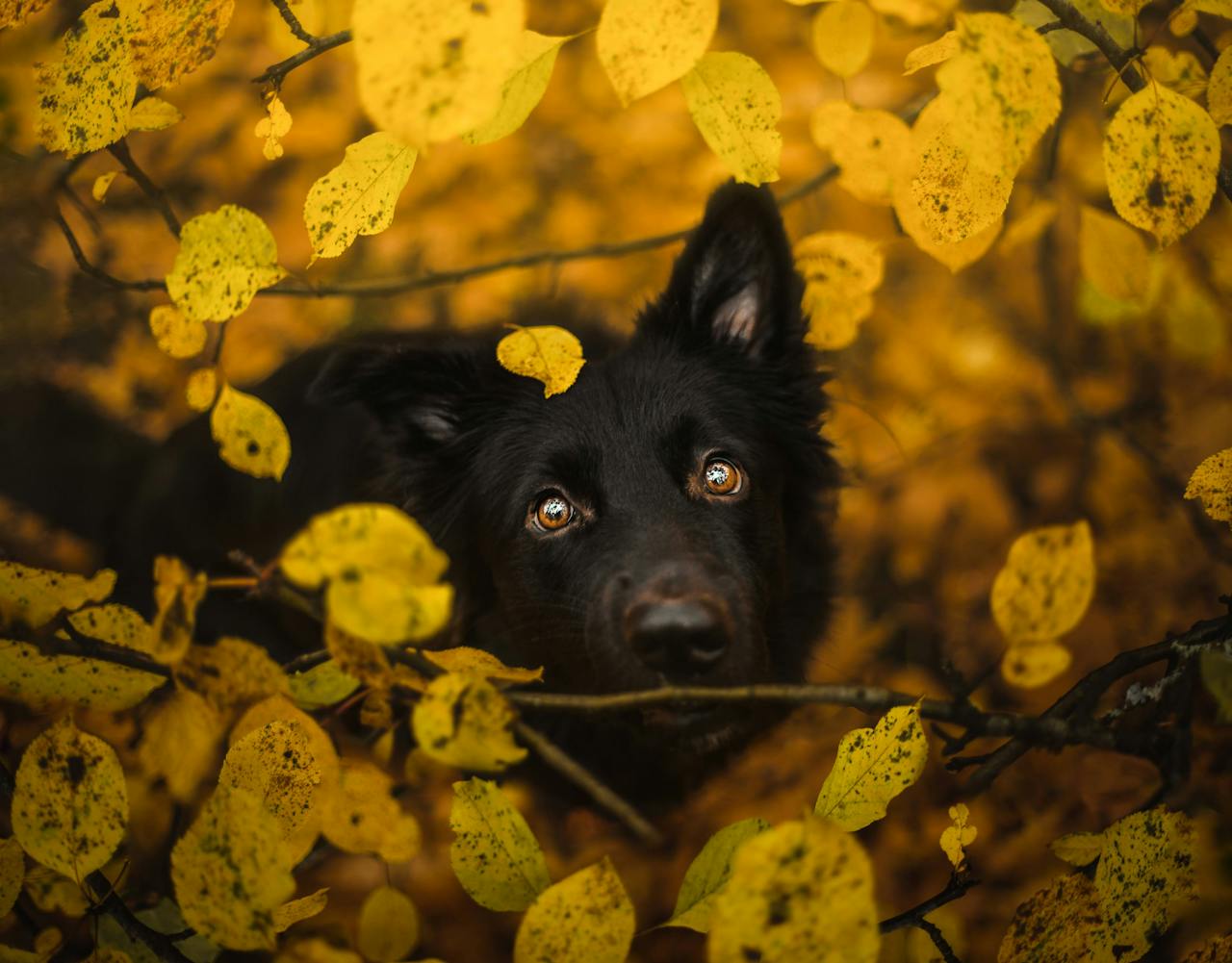
Horner’s syndrome in dogs and cats: signs, causes, diagnosis and treatment
A drooping eyelid, a smaller pupil and a visible third eyelid on one side add up to Horner's syndrome. It is not painful in itself and does not harm sight, but it often signals another, more serious condition underneath. We explain the causes, the diagnostic steps, the pharmacological tests and the treatment options.
Marta Kurpińska
Veterinary technician and behaviorist, she has been associated with Zviropolis since the very beginning of the network’s existence in Poland. She is a specialist in the welfare of shelter dogs and acquired her behaviorist qualifications during a six-year stay in the United Kingdom, where she worked for a leading animal welfare organization. She used her skills working with feral dogs and those getting ready for adoption in India, Mexico, and Thailand. International animal welfare volunteering remains at the forefront of her interests.
To better assist animals, she obtained a diploma as a veterinary technician. In the clinic, she is particularly passionate about emergency situations, surgical assistance, and caring for the recovery and well-being of hospitalized patients.
Her passion lies in caring for and working with animals according to the “Fear Free” principles. For her, there are no difficult patients, only sick and frightened animals that deserve understanding and an individualized approach—whether it’s by playing soft music or providing a plush toy to snuggle with.
In her team, she promotes smiles, mutual support, and motivation for growth.
In her private life, she shares her life with a dog named Lulka, a water-loving adventurer.