

-
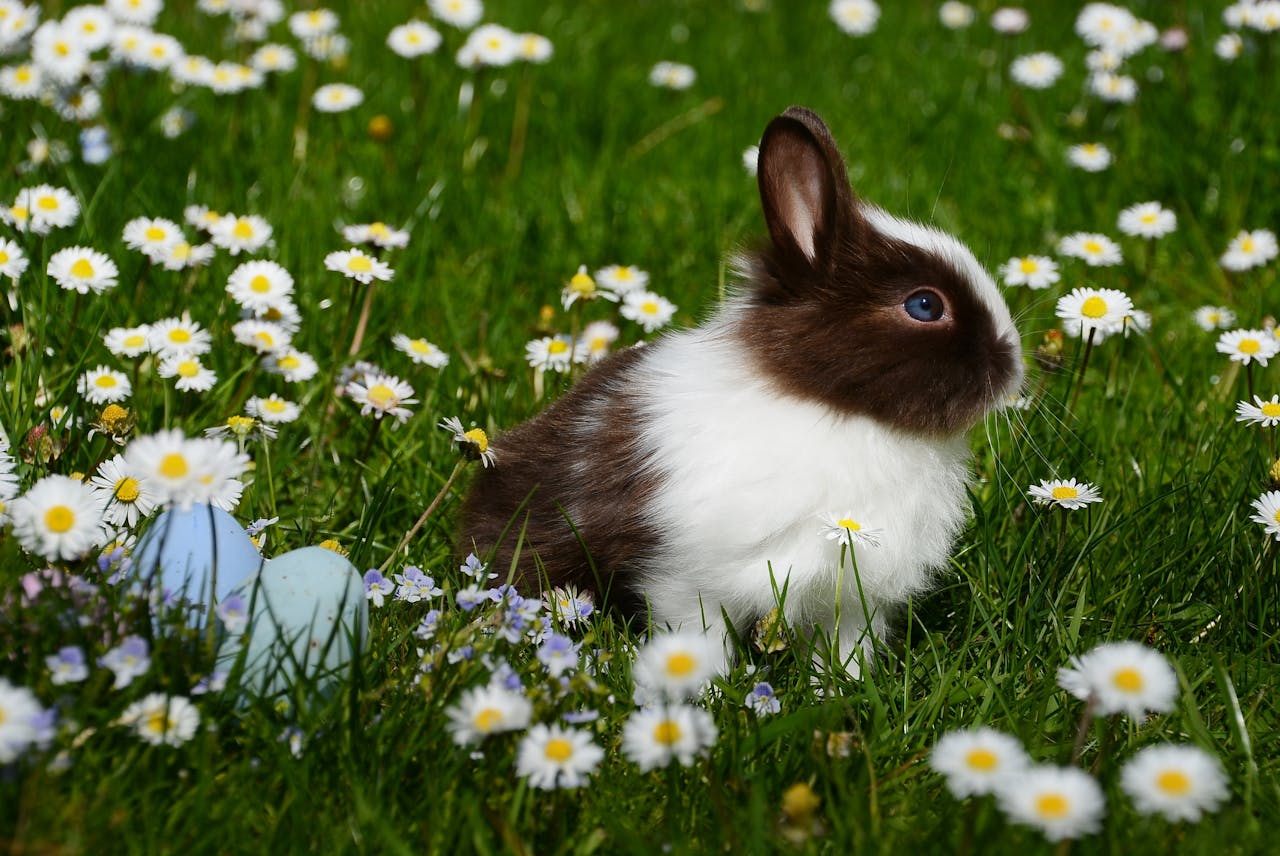
Parasitic diseases in rabbits: the commonest threats and how to prevent them
Coccidiosis, encephalitozoonosis, ear mange and cheyletiellosis are the parasitic diseases pet rabbits meet most often, and they can go unnoticed for a long time. We explain how they are diagnosed in the laboratory, how they are treated, and which hygiene, quarantine and feeding rules keep infection at bay.
-
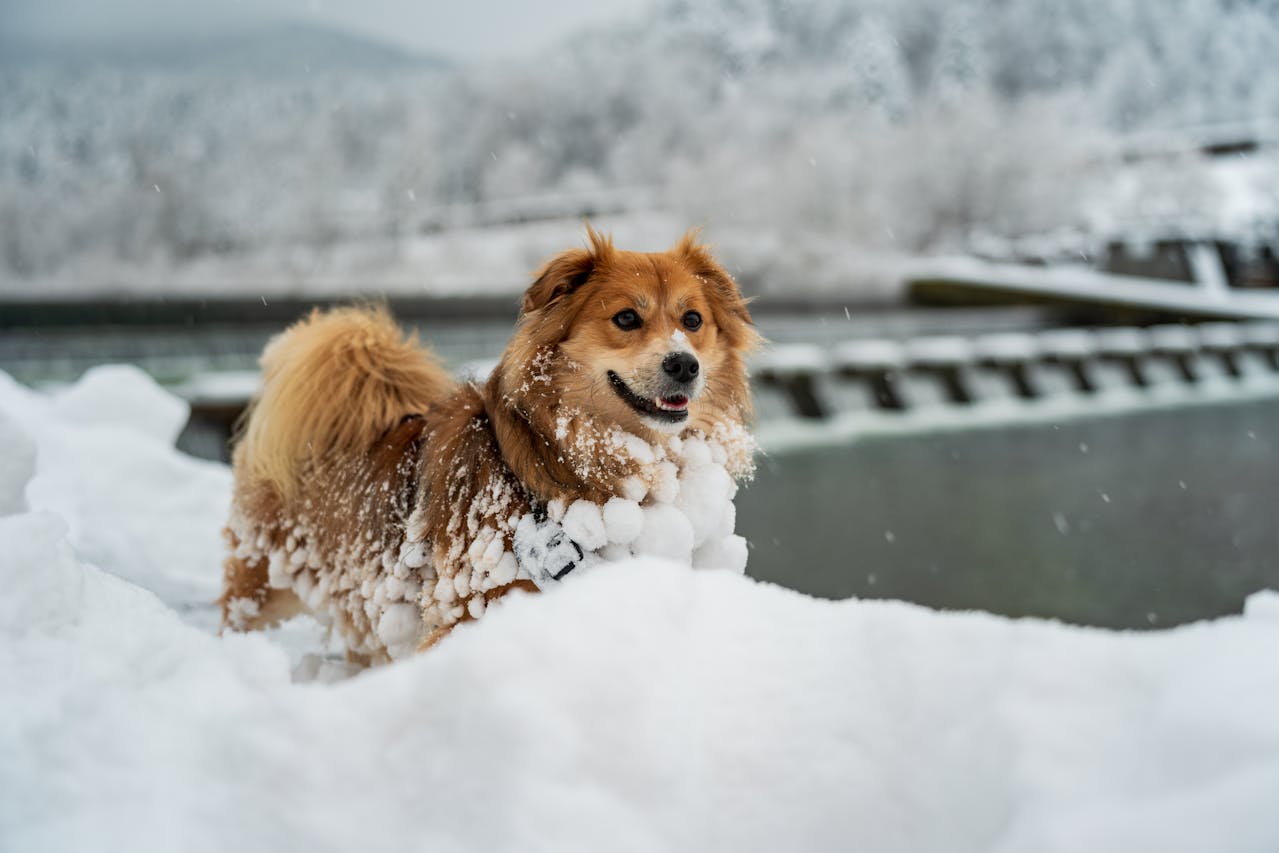
How to protect your dog’s paws in winter
Frost, ice and road salt leave a dog's pads irritated, cracked and sometimes frostbitten every winter. We explain how to pick a route and a protective wax before the walk, how to rinse and dry the paws properly once you are home, and which signs mean it is time to call the veterinary clinic.
-
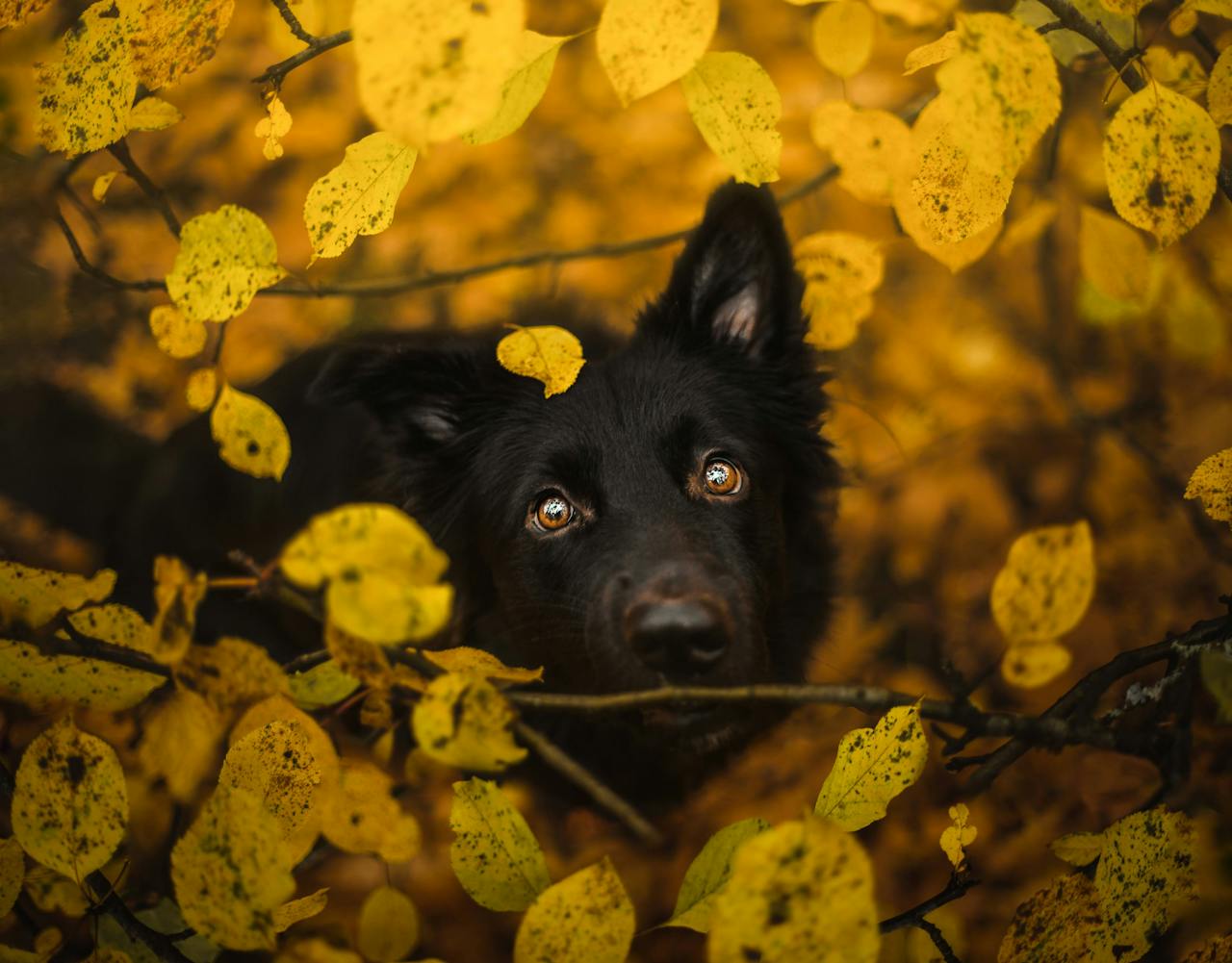
Horner’s syndrome in dogs and cats: signs, causes, diagnosis and treatment
A drooping eyelid, a smaller pupil and a visible third eyelid on one side add up to Horner's syndrome. It is not painful in itself and does not harm sight, but it often signals another, more serious condition underneath. We explain the causes, the diagnostic steps, the pharmacological tests and the treatment options.
Anna Michalik
A graduate of Veterinary Medicine at the Warsaw University of Life Sciences (SGGW), which she completed in 2025. During her studies, she gained a solid theoretical and practical foundation in animal care, with a particular interest in internal medicine of small animals. Currently, she focuses on internal medicine at the clinic, where she deepens her clinical knowledge and gains experience working with demanding patients on a daily basis.
From her second year of studies, she actively pursued professional experience in a 24-hour veterinary clinic near Warsaw, which included an infectious diseases department. Working as a veterinary assistant allowed her to develop practical skills and gain insight into the realities of intensive veterinary care.
Outside of work, she enjoys reading—especially fiction and reportage—which helps her broaden her horizons and deepen her sensitivity. She prefers to spend her free time actively: she loves long walks, cycling, and strength training, which help her maintain her physical health and well-being. She also finds great joy in traveling—whether short weekend trips or longer adventures to unknown places. Connecting with nature, new cultures, and people allows her to recharge, gain perspective, and draw inspiration for continued growth in a profession that is not only her career but also her lifelong passion.