
Contact us Make an appointment

Babesiosis – How to Avoid It and What to Do If You Find a Tick on Your Pet

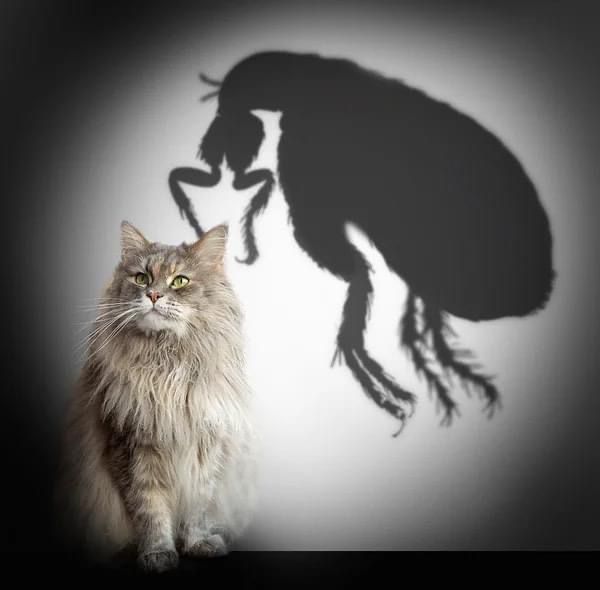
Babesiosis is a disease that mainly affects dogs and, far less often, cats. It is spread by ticks and occurs in animals all over the world. Sometimes confused with Lyme disease, it is in fact a separate condition – and a dangerous one for pets. Without prompt veterinary care it all too often ends in the animal’s death. What are its symptoms, how is it diagnosed and how is it treated?

Babesiosis – where it occurs

The first cases of babesiosis in Poland were described in the 1960s in the Lublin region. Initially they appeared mainly in the eastern and northern parts of the country, home to the disease’s carrier, the meadow tick. Today cases of babesiosis are recorded almost throughout the country. They affect animals living in the provinces along Poland’s eastern and western borders, as well as in the north and centre of the country. Infections are less common in mountain areas.

What is babesiosis and how is it diagnosed?

Babesiosis is a tick-borne disease caused by the protozoan Babesia canis. It occurs mainly in dogs and is only very rarely diagnosed in cats. Infection happens while a tick is feeding on blood. It cannot be passed on by contact – through play or a bite from another animal.

Statistically, most cases are recorded in April and August, but the risk of infection persists almost all year round – whenever air temperatures stay above 4 ºC for several consecutive days.

Diagnosing babesiosis at the vet’s is relatively straightforward. After taking a history and running blood tests, the vet can confirm infection with Babesia canis. A complete blood count usually shows reduced platelets, red blood cells and haemoglobin. 

Symptoms of babesiosis

Babesiosis causes red blood cells to break down in the body, leading to severe anaemia. The incubation period ranges from a few days to several weeks. Left untreated, it can kill an animal in a short time. Symptoms that should worry every owner include:

  • apathy and weakness,
  • loss of appetite,
  • loss of balance,
  • vomiting and bloody diarrhoea,
  • dark red urine,
  • shortness of breath,
  • high body temperature,
  • rapid heart rate,
  • neurological problems,
  • yellowing of the mucous membranes and eyes.

If you notice even one of the symptoms described above (especially if you have recently found a tick on your pet) – don’t wait. Babesiosis progresses extremely fast and only your immediate response can save your dog’s life.

Treating babesiosis – what does it involve?

An animal with babesiosis is treated with antiprotozoal drugs. These are fairly toxic and have a low therapeutic index, but giving them is the only chance of saving the animal. In addition, depending on the symptoms observed, the veterinarian may decide to use steroids and antibiotics. In extreme cases a blood transfusion can save a dog’s life.

Preventing babesiosis

To minimise the risk of your dog catching babesiosis, use tick prevention products in the form of a collar, spot-on drops or tablets. In areas with a high rate of infection, spray your pet before every walk with a special spray that gives temporary protection. When you get home, check your dog over and remove any ticks you find. The longer a tick stays attached to the skin, the greater the risk of infection.

Neutering and Spaying Your Dog: Why They Matter and When the Time Is Right

Neutering and spaying are two of the most common procedures requested by owners of four-legged friends, and the two are often confused. What does neutering a male dog involve, and what does spaying a bitch involve? How should you care for your pet before and after surgery? Let’s take a closer look. Ready for some practical tips? Let’s begin! 

What exactly does neutering a dog involve?

Neutering a male dog is a surgical procedure performed under general anaesthesia. During the operation the testicles and epididymides are removed.  The result is permanent infertility. Once the testicles and epididymides are gone, the dog can no longer produce sperm.

What does spaying a dog involve?

Spaying a bitch is a procedure that primarily involves removing the ovaries, uterus and fallopian tubes. Sterilisation is also defined as tying or cutting the fallopian tubes or the vas deferens. The whole procedure is carried out under general anaesthesia, of which there are several types. The most common are:

  • total intravenous anaesthesia – TIVA,
  • inhalation anaesthesia,
  • balanced (combined) anaesthesia.

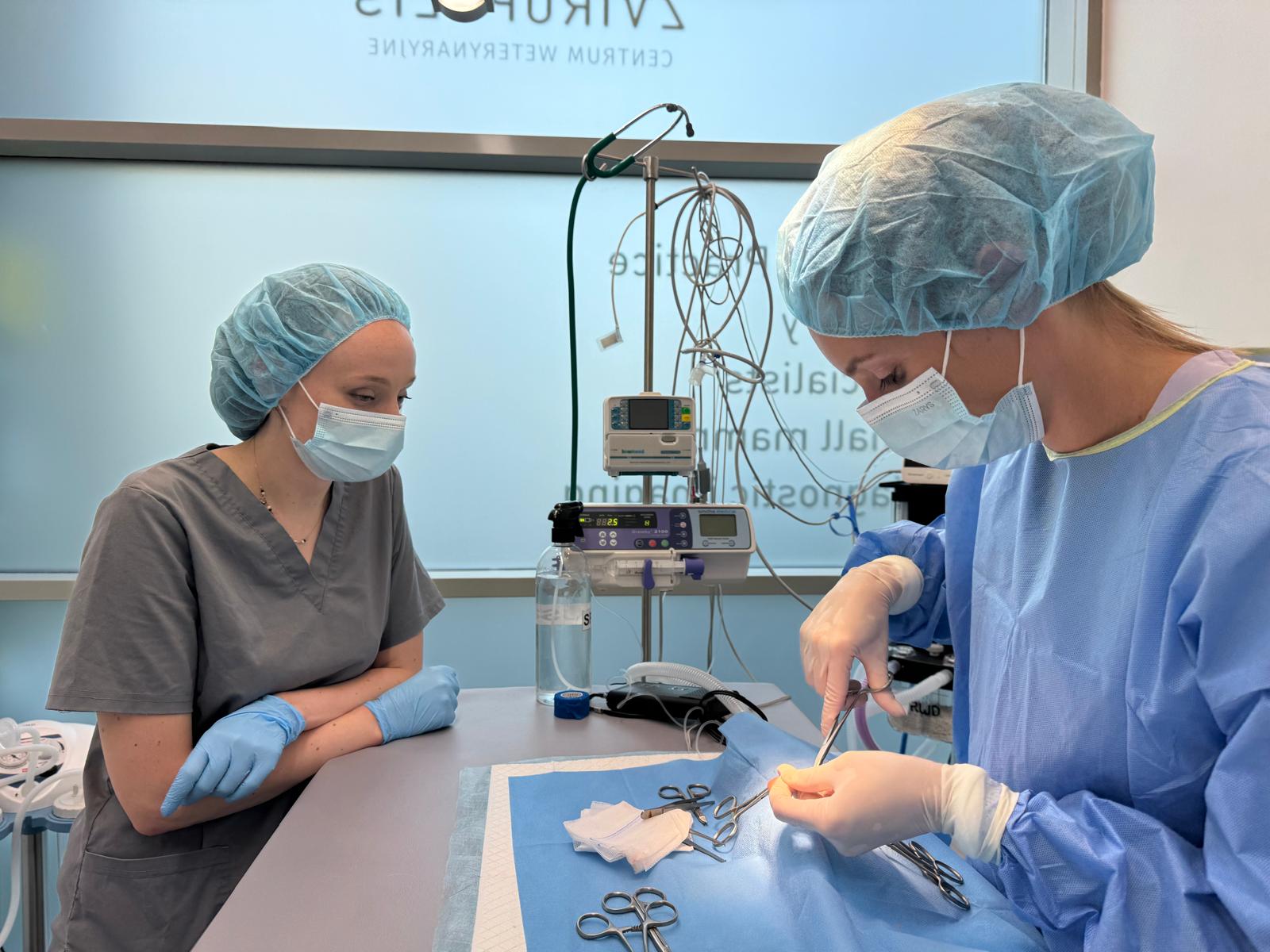
The operation itself takes around 40 minutes. However, preparing the patient, recovery from anaesthesia and the spay itself add up to around 2 hours in total. After the procedure the vet may decide that the animal should stay in for observation. Spaying lowers the risk of mammary tumours and pyometra, and it also puts an end to seasons and unwanted pregnancies. 

Are neutering and spaying safe procedures?

Both neutering and spaying are entirely safe procedures for animals, provided a few conditions are met. Above all, they must be carried out by a qualified, experienced surgeon. It also matters that the clinic is properly equipped with specialist equipment and a sterile operating theatre. 

Last but by no means least is the proper preparation of patients for surgery – above all, a full set of the necessary tests to confirm that the animal is fit for the procedure and to rule out any contraindications.

What’s more, after a spay or neuter two post-operative check-ups are recommended, so the vet can assess how the wound is healing, how the animal is feeling, and its  overall condition and health. There is no need to put off spaying a bitch until she has had a litter. From a medical point of view, pregnancy does nothing for a bitch’s wellbeing, so the idea that she only “matures” after giving birth is simply untrue.

When is the best time?

In some breeds, a large bitch weighing around 30 kg should be spayed after her first season. This may be the optimal moment in her life for such a procedure. For small and medium-sized bitches, in most cases the operation can be carried out before the first season. Most often this is between 6 and 12 months of age. There is, however, no upper age limit for spaying. Veterinary medicine knows of completely successful operations even in 14-year-old patients. 

Before a male dog can be neutered, he needs to have reached sexual maturity. While in bitches this is easy to establish from the first season, in males it comes down to an estimate based on factors such as breed and age.

How to prepare your dog for surgery

Both neutering a male and spaying a bitch require proper preparation of your four-legged friend before the procedure.

Spaying should be preceded by blood tests, which show whether the organs responsible for metabolising anaesthetic drugs are working properly and can cope with the load. For bitches of breeds in which heart defects are frequently diagnosed, a cardiac examination including an echocardiogram is recommended. Just like spaying, neutering also calls for proper diagnostics.

Furthermore, for both spaying and neutering the animal must arrive with an empty stomach. That is why such procedures are very often scheduled for the morning

What tests should be done before neutering a dog?

Neutering requires blood tests beforehand. In young dogs they are recommended; in older dogs they are essential. A complete blood count and blood biochemistry must be done no more than 2 days before the operation. The veterinarian also listens to the heart and lungs. A basic palpation of the dog’s internal organs is recommended too. 

How to care for your dog after spaying or neutering

In the first hours after spaying, a bitch is usually lethargic and very drowsy. She may show no interest in moving about or any physical activity. So the first thing to do is give her a quiet, comfortable place to rest. To stop her chewing at the wound, she should also wear a protective collar or a special post-operative recovery suit. These are provided by the veterinary clinic. 

To relieve pain and ease the after-effects of surgery, she should take painkillers regularly for five days, as prescribed by the surgeon and in the doses they specify. Importantly, for 10 days after spaying her physical activity should be limited: shorter walks and gentler play at home. This protects the stitches and the fresh, still-healing wound. Full recovery after spaying takes around 10 days. 

Straight after the operation, while still at the veterinary clinic, the animal is given its first meal. Once home, it can return to its normal diet. After surgery the owner should not wash or touch the wound or stitches. If in any doubt or concerned, always contact a veterinarian.

How much does it cost to neuter a dog?

The price of neutering depends on the animal’s weight. The weight bands most commonly used are:

  • up to 10 kg,
  • 10 to 20 kg,
  • 20–40 kg, 
  • over 40 kg. 

Naturally, the lighter the dog, the lower the price.

Neutering and spaying prevent unwanted breeding. What’s more, these procedures extend our pets’ lives and reduce the risk of cancer, looking after the health and happiness of our four-legged friends.

Vaccination and prevention in Zviropolis

According to the common international standard, pets must be vaccinated at regular intervals every year. This is not only the duty of every responsible owner, but also an important step to keep your pet healthy. In this article, we will look at a few reasons why this simple rule should be followed.

Firstly, regular vaccinations will keep your pet healthy. Vaccines help protect pets from dangerous and contagious diseases such as rabies, pan leukemia, calicivirus and viral rhinotracheitis. These diseases can be fatal to the animal and are easily transmitted from sick animals to healthy ones. Vaccination helps build immunity in the animal and protects it from these diseases.

Secondly, modern, regular vaccination of your pet will make it much easier for you to collect documents for traveling with your pet to the EU and USA. Rabies vaccination is mandatory in some countries and recommended in others. If you have a valid pet passport with up-to-date vaccinations, it will be easier for you to obtain the necessary permits to transport your pet to another country.

Thirdly, when participating in shows, mating or buying puppies, the animal passport plays a very important role. Having a vaccination certificate proves that your animal is healthy and not a source of infection for other animals.

Fourthly, in the event that you have to leave your pet at a hotel for the duration of your trip, any standards-compliant facility will accept an unvaccinated animal so as not to expose it to the risk of infection. Vaccination is therefore an important step to help protect your pet from infection in a variety of situations.

Preparation for vaccination, contraindications and simple rules for successful and effective vaccination

When preparing for vaccination, make sure that your pet is in good health and does not have any complications that could worsen its condition after vaccination. Ensure your pet is at a comfortable temperature before vaccination and prepare the area where the vaccine will be administered.

It is important to remember that each vaccine has its own contraindications, and you should consult your veterinarian before administering it. For example, some vaccines are not recommended for pregnant animals or animals with chronic diseases.

After vaccination, the animal should be calm and rested for several days, not physically strained and not exposed to the risk of infection. The animal’s condition should also be monitored, and a veterinarian should be consulted if any complications arise.

In general, annual vaccination of pets is an essential measure to keep them healthy and prevent infections. It also makes it easier to travel with your pet, attend shows and other events. Proper preparation for vaccination, observance of contraindications and simple post-vaccination rules will help to maximize the effectiveness and success of the procedure.