

-
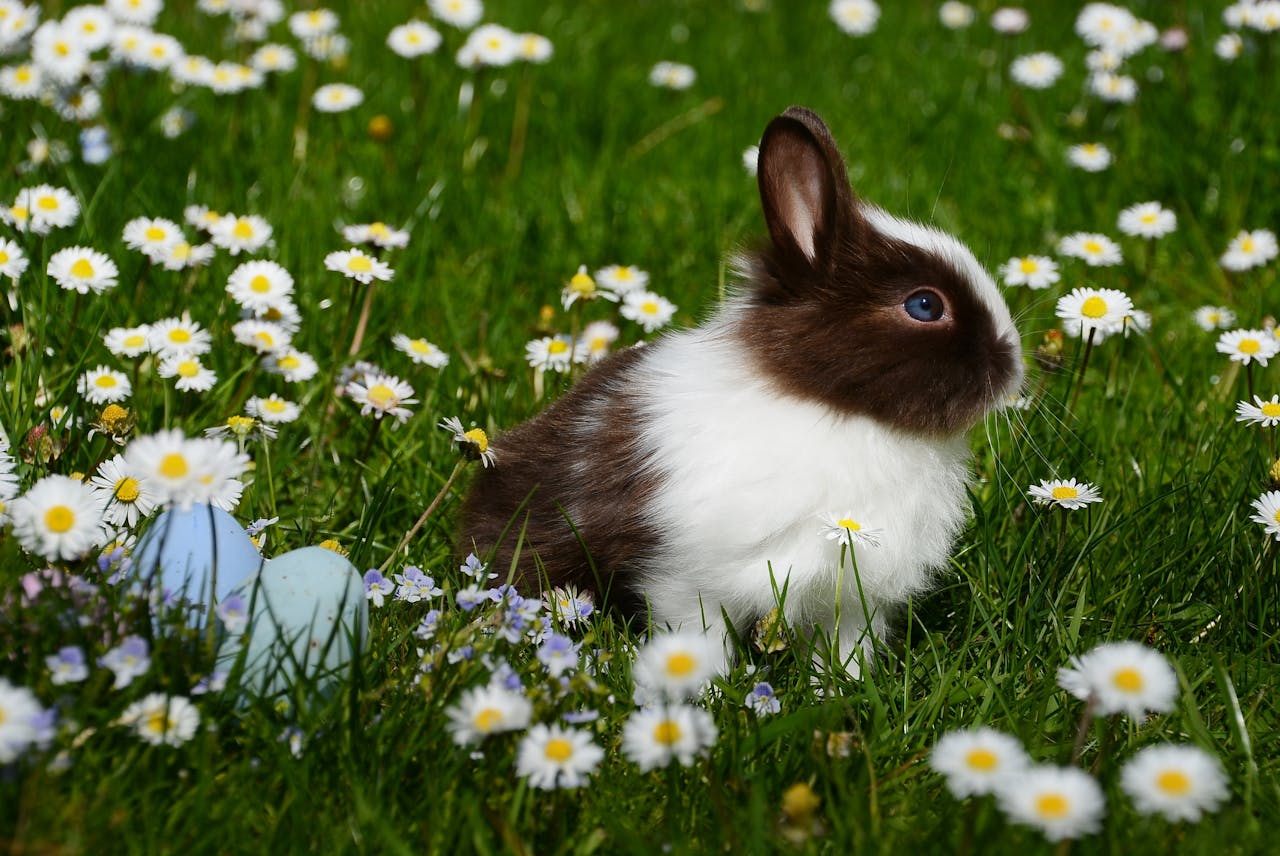
Parasitic diseases in rabbits: the commonest threats and how to prevent them
Coccidiosis, encephalitozoonosis, ear mange and cheyletiellosis are the parasitic diseases pet rabbits meet most often, and they can go unnoticed for a long time. We explain how they are diagnosed in the laboratory, how they are treated, and which hygiene, quarantine and feeding rules keep infection at bay.
-

How to protect your dog’s paws in winter
Frost, ice and road salt leave a dog's pads irritated, cracked and sometimes frostbitten every winter. We explain how to pick a route and a protective wax before the walk, how to rinse and dry the paws properly once you are home, and which signs mean it is time to call the veterinary clinic.
-
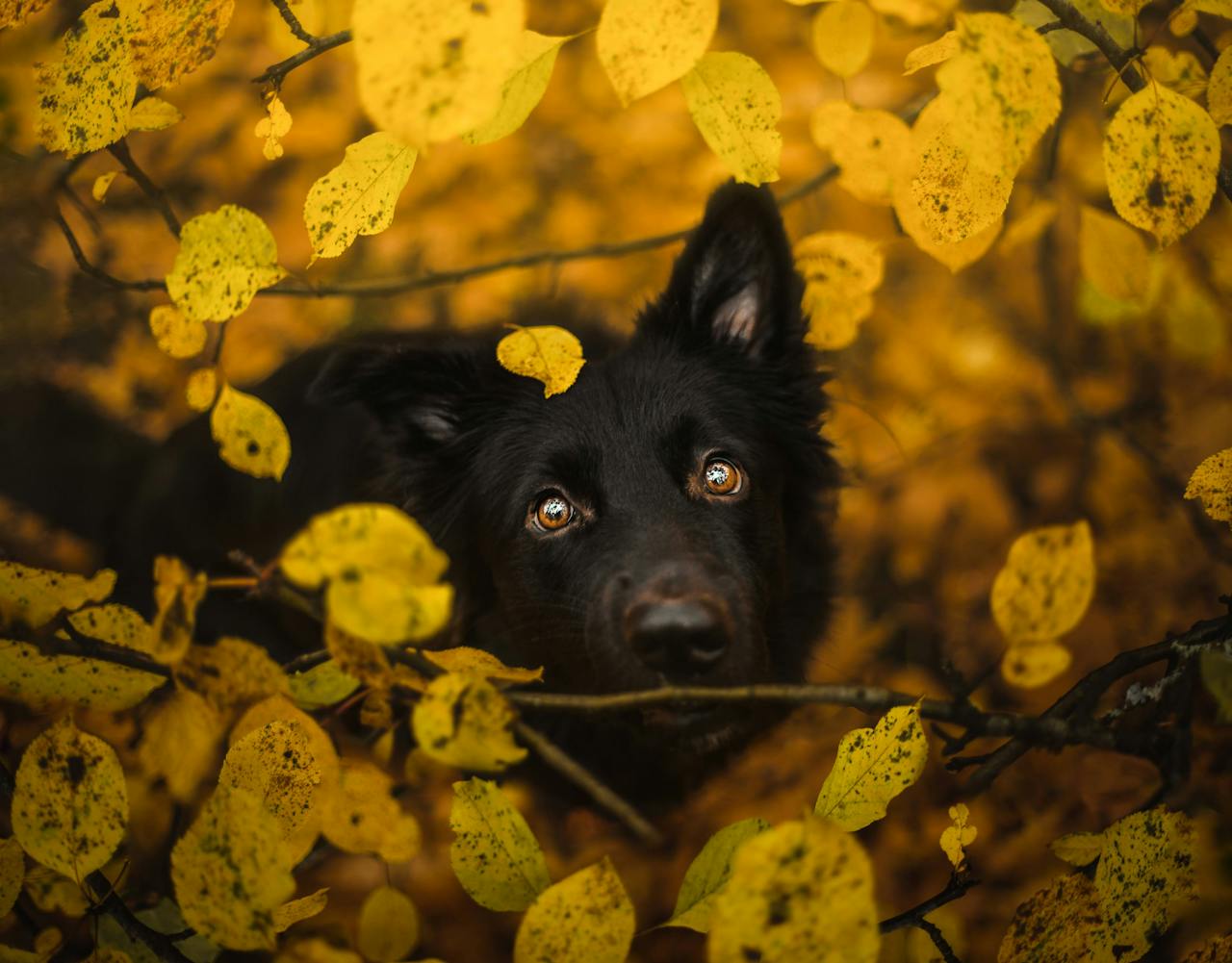
Horner’s syndrome in dogs and cats: signs, causes, diagnosis and treatment
A drooping eyelid, a smaller pupil and a visible third eyelid on one side add up to Horner's syndrome. It is not painful in itself and does not harm sight, but it often signals another, more serious condition underneath. We explain the causes, the diagnostic steps, the pharmacological tests and the treatment options.
Vaccination and prevention in Zviropolis

According to the common international standard, pets must be vaccinated at regular intervals every year. This is not only the duty of every responsible owner, but also an important step to keep your pet healthy. In this article, we will look at a few reasons why this simple rule should be followed.
Firstly, regular vaccinations will keep your pet healthy. Vaccines help protect pets from dangerous and contagious diseases such as rabies, pan leukemia, calicivirus and viral rhinotracheitis. These diseases can be fatal to the animal and are easily transmitted from sick animals to healthy ones. Vaccination helps build immunity in the animal and protects it from these diseases.
Secondly, modern, regular vaccination of your pet will make it much easier for you to collect documents for traveling with your pet to the EU and USA. Rabies vaccination is mandatory in some countries and recommended in others. If you have a valid pet passport with up-to-date vaccinations, it will be easier for you to obtain the necessary permits to transport your pet to another country.
Thirdly, when participating in shows, mating or buying puppies, the animal passport plays a very important role. Having a vaccination certificate proves that your animal is healthy and not a source of infection for other animals.
Fourthly, in the event that you have to leave your pet at a hotel for the duration of your trip, any standards-compliant facility will accept an unvaccinated animal so as not to expose it to the risk of infection. Vaccination is therefore an important step to help protect your pet from infection in a variety of situations.
Preparation for vaccination, contraindications and simple rules for successful and effective vaccination
When preparing for vaccination, make sure that your pet is in good health and does not have any complications that could worsen its condition after vaccination. Ensure your pet is at a comfortable temperature before vaccination and prepare the area where the vaccine will be administered.
It is important to remember that each vaccine has its own contraindications, and you should consult your veterinarian before administering it. For example, some vaccines are not recommended for pregnant animals or animals with chronic diseases.
After vaccination, the animal should be calm and rested for several days, not physically strained and not exposed to the risk of infection. The animal’s condition should also be monitored, and a veterinarian should be consulted if any complications arise.
In general, annual vaccination of pets is an essential measure to keep them healthy and prevent infections. It also makes it easier to travel with your pet, attend shows and other events. Proper preparation for vaccination, observance of contraindications and simple post-vaccination rules will help to maximize the effectiveness and success of the procedure.