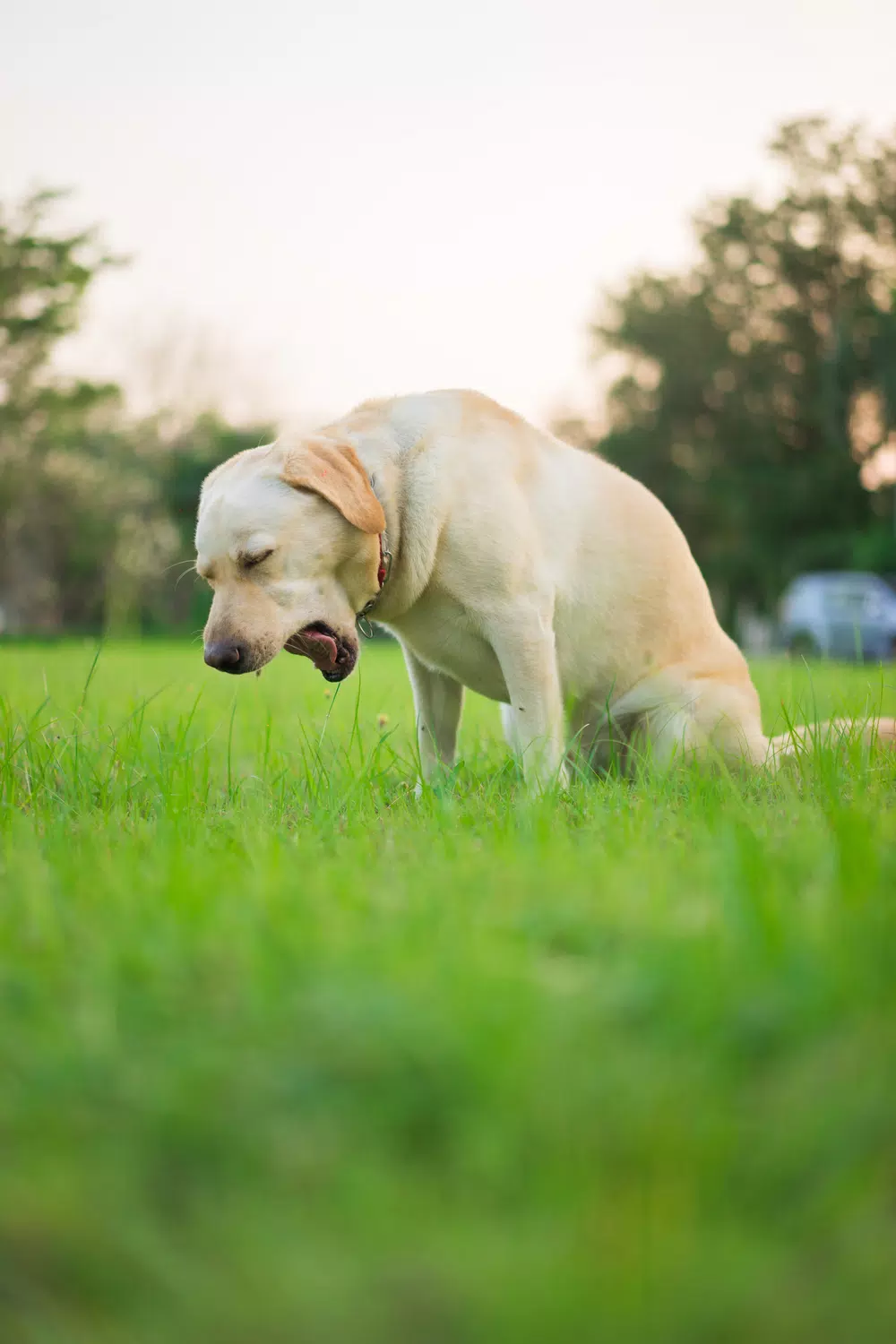
You hear a strange noise in the night. Your dog suddenly starts choking, as if something were stuck in its throat. It makes a sound like a honking goose, and you wonder in a panic whether it has swallowed a toy.
This is one of the most common scenarios that bring terrified owners to us. In the vast majority of cases there is no foreign body in the throat; what there is, is kennel cough. Although the name sounds alarming, the illness is much like human flu. If ignored, however, especially in puppies and older dogs, it can lead to complications.
What is kennel cough and why do dogs get it?
It is often mistakenly assumed that kennel cough is one specific disease. In reality it is infectious tracheobronchitis, a syndrome caused by a whole consortium of viruses and bacteria.
It usually starts with viruses, such as parainfluenza or adenoviruses, which damage the lining of the dog’s airways. This opens the door to bacteria, most commonly Bordetella bronchiseptica.
Why did your dog catch it? The disease spreads through airborne droplets. A brief nose-to-nose greeting on a walk, a shared water bowl in the park or a game with an infected friend is all it takes. The word “kennel” suggests large gatherings of dogs, but the truth is that a dog can catch it anywhere: in the park, at the groomer’s or even at a show.
Symptoms: how to recognise the characteristic cough
The symptoms of kennel cough are very distinctive and hard to confuse with anything else, although owners often mistake them for choking.
What to look out for
- The sound: this is no ordinary “ahem”. It is a loud, dry, exhausting cough, often described as goose honking or a seal barking.
- Retching: at the end of a coughing fit the dog often brings up white, sticky foam. Owners wrongly assume the dog is vomiting, when in fact this is discharge from the upper airways.
- Triggers: the cough gets worse at night when the air is dry, with excitement, barking or when the dog pulls on the lead.
The dog usually keeps a good appetite and stays in good spirits, although it may be a little more subdued. If, however, a high fever, pus from the nose or breathing difficulties develop, that is a signal to visit our 24-hour clinic straight away.
How long does it last and how is it treated?
This is one of the questions we hear most often in the consulting room.
- Duration of symptoms: usually 7 to 14 days. However, a dry cough on excitement can persist for up to 3-4 weeks after recovery. This is due to the lining of the trachea regenerating.
- Infectious period: take note! A dog can infect other dogs for several weeks after the symptoms have gone. That is why keeping it away from its canine friends is essential.
How do we treat kennel cough? Antibiotics are not always needed! As it is often a viral infection, antibiotics do not treat the cause. The mainstays are:
- Anti-inflammatory and cough-suppressant medication: to give the dog relief and let it get some sleep.
- Expectorants: if the cough is wet; never give these on your own initiative together with cough suppressants!
- Antibiotics: we only prescribe them when we suspect a secondary bacterial infection, the dog has a fever, or it is a puppy or a senior.
What can you do at home?
- Swap the collar for a harness: this is an absolute must, so as not to irritate the trachea.
- Cut back on walks: short toilet trips only, no running. Cold air makes the attacks worse.
- Humidify the air: take the dog into the bathroom while you have a hot shower (a home-made steam room) or use a humidifier.
- Honey: a small teaspoon of honey can soothe an irritated throat, as long as the dog is not diabetic.
Kennel cough vaccination: intranasal or injection?
Many people ask: “My dog has been vaccinated against infectious diseases, so why did it get ill?” The core vaccines, given by injection, often contain viral components but offer poor protection against the Bordetella bacterium.
That is why, as vets, we recommend the intranasal vaccine. Why is it so effective?
- It works at the source: we give it exactly where the disease gets in, on the lining of the nose.
- Fast response: it builds local immunity. It produces IgA antibodies much faster than an injection, within as little as 72 hours.
- Painless: it is just a drop in the nose, no needle involved.
This is particularly important for dogs that go to doggy day care, boarding kennels or dog parks, or that live in the city.
Is it dangerous?
Can humans catch it? The risk is minimal. Bordetella bronchiseptica rarely affects people, but anyone with a severely weakened immune system should take care around a coughing dog.
What about puppies and brachycephalic breeds? For a strong adult dog, kennel cough is usually no more than a nuisance. In puppies, whose immune systems are weak, and in Pugs or Bulldogs , which have narrowed airways, the illness can quickly turn into pneumonia. For them, any respiratory infection calls for an immediate veterinary check-up.
If your dog is coughing, choking or listless, do not wait. Our clinic is open around the clock to listen to your pet’s chest and choose a safe treatment.