
Contact us Make an appointment

How to Teach Your Dog to Travel by Car

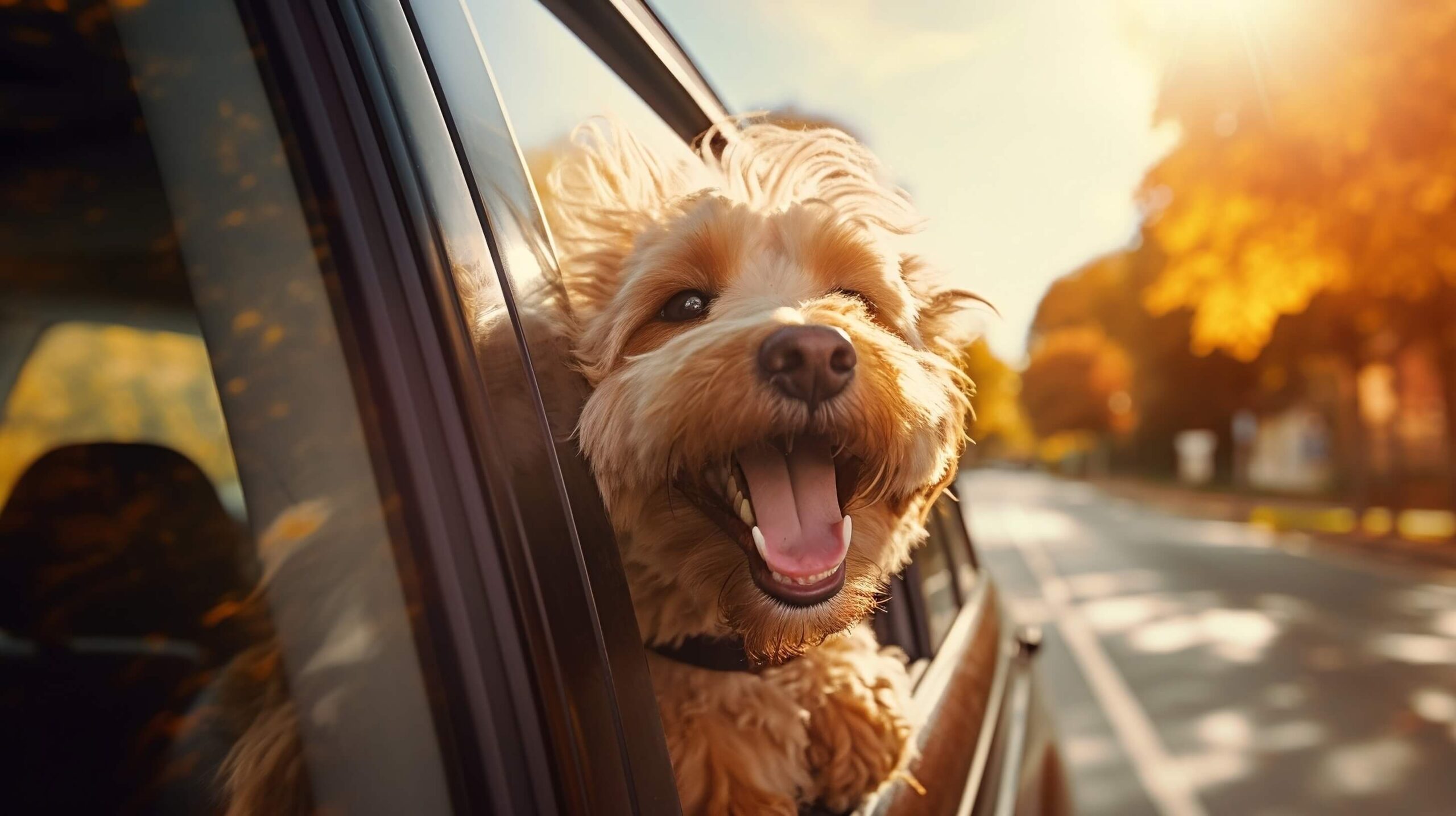
There is a common belief that some dogs will never enjoy car journeys, but with the right approach and preparation every four-legged friend can learn to love travelling. In this article we offer a comprehensive guide to help owners get their dog used to the car step by step, while keeping journeys safe and comfortable. From choosing the right carrier, through practical tips on getting your dog accustomed to travel, to ways of teaching it to enjoy every trip together, everything here has been put together so that travelling with your dog becomes a pleasure rather than a challenge.

How do you get a dog used to car journeys?

Let’s start with the basics: the key to success is getting your dog used to car travel gradually. Rather than expecting your dog to enjoy long trips straight away, start with short drives of a few minutes and gradually make them longer. It is important that your dog associates every journey with something positive, so reward it with treats or toys both before and after the trip. For dogs that are afraid of the car or suffer from motion sickness, a special harness or carrier that keeps them safe and comfortable can make all the difference. Remember that getting a dog used to the car takes time and patience. 

Training step by step

Travelling with a dog takes patience and consistency, especially when the dog is afraid of the car or gets travel sick. The first step is to get your dog used to the car before you even start driving. Begin by spending time near the vehicle, then inside it with the engine off, so your dog can get comfortable with the new surroundings. Treats or your dog’s favourite toys can help build positive associations. Once your dog starts to feel at ease in the car, you can move on to short drives around the neighbourhood, gradually making them longer. Remember to praise and reward your dog every time it stays calm and behaves well during the journey.

The next important step is to give your dog a safe spot in the car. A harness or a carrier on the back seat can give your dog a sense of security while travelling. For dogs that are afraid of car journeys, it is important to get them used to getting in and staying in the car in a way that keeps stress to a minimum. Practising these steps regularly, combined with positive reinforcement, will help teach your dog to travel without fear. Bear in mind that every dog reacts differently and may need an individual approach to get used to car travel. Patience and consistency are key when introducing your dog to new experiences.

Choosing the right accessories

Finding the perfect carrier is crucial to getting your dog used to travelling by car. A carrier not only keeps your dog safe in the car but also helps keep things tidy and hygienic on the road. The size and type of carrier should suit your dog’s size and needs, giving it enough room to sit, lie down and turn around freely. For larger breeds, dog crates that fit in the boot are ideal, while smaller dogs will be fine in soft, portable carriers that can be secured on the seat. Make sure the carrier has a sturdy fastening so it cannot open by accident while you are driving.

When choosing a carrier, it is also worth thinking about extra accessories that can make car travel more comfortable for your dog. Dog beds, food and water bowls, and collars with an ID tag are just some of the things to consider. A comfortable bed gives your dog somewhere to relax and feel secure during the journey, while access to water is essential, especially on longer trips. When choosing a carrier, make sure it is made of easy-to-clean materials, which will make it easier to keep things hygienic when transporting your dog. The right carrier is an investment in your dog’s safety and comfort, making driving with your dog a pleasure for both of you.

Safety comes first when getting your dog used to car travel. Besides carriers, dog car harnesses are an excellent alternative, keeping both your pet and the driver safe and comfortable. These harnesses are designed to spread the force of a sudden stop across a larger part of the dog’s body, minimising the risk of injury. When introducing your dog to a harness, start with short sessions at home and gradually increase the time it wears it, so your pet can get used to it before the first drive. It is important that your dog feels comfortable in the harness, as this will make it easier to adapt to the new situation in the car.

A safe and comfortable drive with your dog: how to prepare

To make sure a drive with your dog is safe and comfortable, it is essential to prepare both the vehicle and the dog properly. Before setting off, make sure the back seat or the boot, depending on where your dog will travel, is properly secured and equipped with the necessary accessories. For the safety of your dog and the other passengers, your dog should travel in a special carrier or be secured with a harness. Do not forget to bring water and a bowl so your dog has access to fresh water during the journey. Regular breaks are essential on longer drives

Are there special gadgets for owners that make travelling by car with a dog easier?

Yes, there are plenty of gadgets that make travelling by car with a dog easier. Among the most popular are special mats and seat covers that protect the upholstery from dirt, as well as dog seat belts that keep your dog safe while driving. Other useful accessories include portable food and water bowls, chew toys to keep your dog occupied on the road, and special ramps that make it easier for older or small dogs to get into the car.

How do you encourage a dog to get into the car if it is afraid of the open door?

Encouraging a dog that is afraid of the open door to get into the car takes patience and positive reinforcement. You can start by placing your dog’s favourite treats or toys near the open door, gradually moving them closer and eventually inside the car. It is important not to force your dog in but to let it do so at its own pace, praising and rewarding it every time it approaches or gets into the car. 

What are the best dog beds for the car to keep your dog comfortable on the road?

The best car beds for dogs are stable, easy to secure and made of soft yet durable materials. The bed should be the right size for your dog and easy to keep clean. A good bed should give your dog a safe and comfortable place to lie, keeping movement during the journey to a minimum. Special cooling mats are also available, offering extra comfort on warm days.
How to Make Your Home Safe for a Cat

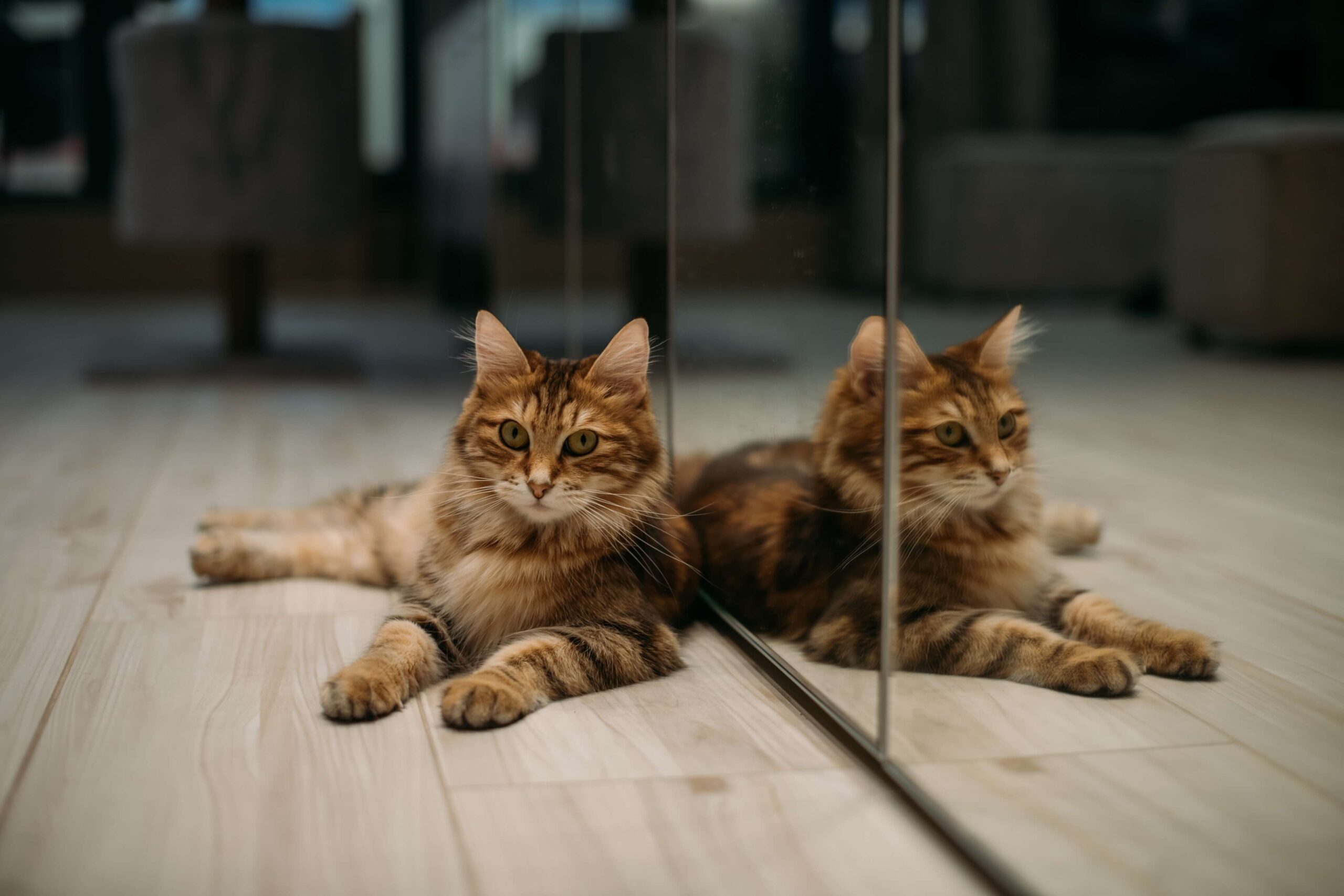
Wondering how to create the ideal conditions for your cat so that it feels safe and comfortable at home? To secure your home and create a safe space for your pet, every nook and cranny needs to be adapted to your cat’s needs. A safe home for a cat is one where every element of its surroundings supports its wellbeing and safety, letting it explore every corner without a care.

Creating a calm home for your cat means considering many things, from securing windows and balconies with netting, through removing harmful plants that could threaten your pet’s health, to choosing the right toys and accessories that will keep it entertained without putting it at risk.

It is also important to arrange your living space so that it satisfies a kitten’s curiosity while protecting it from potential hazards. Discover tried-and-tested ways to keep your cat safe and settled while still letting it roam freely around its home territory.

Essential items for your cat’s safety

Securing windows and the balcony is key to providing a safe environment for our four-legged friends. Cats love to explore their surroundings, which often leads them to windows and balconies. An open window can pose a serious danger to a cat, especially if you live on a high floor. That is why installing sturdy netting is essential to prevent accidents. Make sure the cat netting is made of a hard-wearing material.

When choosing cat netting, pay close attention to how it is fitted. It must be secured in such a way that the cat cannot remove or tear through it. Making your home safe by securing windows and balconies gives your cat the freedom to explore safely, which matters for its mental wellbeing. Remember that a cat-safe home is a place where your pet can freely satisfy its curiosity without exposing itself to danger. With the right protection, we can give our cats a sense of freedom while keeping them safe.

Poisonous plants within a cat’s reach: which species can be dangerous?

Knowing which harmful plants are within your cat’s reach is crucial to keeping your pet safe. Cats love exploring their surroundings, which often leads to them chewing on various plants. Unfortunately, some of these can pose a serious threat to a cat’s health and even its life. Plants such as lilies, dieffenbachia, azaleas and aloe are highly toxic to cats. Eating toxic plants can lead to serious health problems. Lilies can cause kidney damage, often showing up as vomiting. Dieffenbachia causes irritation of the mouth and vomiting, and in severe cases breathing difficulties. Azaleas can lead to vomiting and weakness. Aloe causes vomiting, diarrhoea and lethargy. If you suspect poisoning, immediate veterinary attention is essential. Remember that cats are curious about the world, and it is our job to create an environment for them that is safe and free of potential hazards.

Practical advice on safe toys and accessories

Choosing safe toys and accessories is essential to providing a safe environment for your cat. Toys must not only appeal to your cat but, above all, be safe for it. It is best to choose toys made of natural materials, without small parts that could be swallowed or otherwise pose a risk. Good-quality toy mice, balls, interactive toys that stimulate your cat’s mind and senses, and scratching posts, which also protect your furniture from damage, are all key to meeting your cat’s needs. Remember to check the condition of toys regularly and replace any that are damaged to avoid potential hazards.

Choosing the right accessories is just as important; they not only make life easier for the owner but also keep the cat safe and comfortable. Litter trays with high sides, stable beds that are easy to clean, and food and water bowls that do not tip over are the basics. When choosing accessories, always go for quality and functionality, keeping your cat’s safety and needs in mind. This way you will create an environment where your cat can explore safely and develop its natural instincts.

Securing your living space

Providing a safe living space takes careful planning and adapting the surroundings to your cat’s needs. The key is cat-proofing your home, which includes fitting sturdy netting on open windows and the balcony as well as placing the litter tray and play area sensibly. A kitten is a natural explorer and will seek out new experiences, which can be dangerous if the space is not properly secured. So when choosing toys for your cat, make sure they are safe and contain no small parts that could be swallowed. You also need to deal with harmful plants and keep chemicals out of the kitten’s reach. These steps will not only keep your pet safe but also create an environment that supports healthy development and exploration.

Storing chemicals and securing houseplants

In a home with a cat, it is extremely important to store chemicals safely and secure houseplants in order to keep your cat safe. Chemicals such as cleaning products, paints and detergents can pose a serious threat to a cat’s health if licked or swallowed. That is why all hazardous substances should be kept in closed cupboards or up high, out of your pet’s reach. The same goes for houseplants: they should be placed where your pet cannot get to them. Taking care over how these household items are stored and secured is key to keeping your cat safe and avoiding potential poisoning.It is also worth checking regularly whether any new items have appeared in your home that could be dangerous to your cat. Bear in mind that cats are extremely curious and may try to chew or play with objects that could harm them. So, besides securing chemicals and plants, it is important to regularly check your home for small objects such as string or plastic film that your cat could swallow or get tangled in, which can also endanger its health. Keeping a cat safe at home calls for constant attention and care from its owners, so that their feline friend can explore its home territory safely.

How to Cool a Dog Down in a Heatwave and Help It Through Hot Days

High temperatures can be extremely dangerous for dogs, leading to overheating and heatstroke, which is why looking after our four-legged friends is so important during the summer months. In this article we look at why heat is a threat to dogs, how they cool themselves naturally and what steps we can take to keep them comfortable and safe.

You will learn how to keep your pet properly hydrated, how to plan walks on hot days and why you should never leave a dog alone in a car. Our aim is to give you practical advice that will help you protect your dog from the effects of the heat and look after its health and wellbeing.

Why is heat dangerous for dogs?

High temperatures can be very dangerous for our four-legged friends. Unlike humans, dogs do not sweat in the same way, which makes regulating their body temperature much harder. Instead, dogs cool down mainly by panting and by sweating through the pads of their paws. In extreme conditions, however, these mechanisms may not be enough.

Overheating can lead to serious health problems such as heatstroke, which is a life-threatening condition. Signs of heatstroke in dogs include heavy panting, weakness, vomiting and even loss of consciousness. That is why it is so important for dog owners to be aware of the risks and know how to protect their pets from the heat.

Here are a few practical tips for keeping your dog safe on hot days:

  1. Avoid walks during the hottest part of the day – try to walk your dog early in the morning or late in the evening, when it is cooler.
  2. Keep your dog well hydrated – make sure your dog always has access to fresh, cool water. You can also take a portable bowl with you on walks.
  3. Create a cool resting spot – at home, give your dog a place in the shade or in an air-conditioned room. Outdoors, make sure it has access to shady spots. Bear in mind, though, that air conditioning dries out the air and can be a cause of infections.
  4. Avoid hot surfaces – asphalt and concrete can heat up to very high temperatures and burn your dog’s paws. Check the surface with the palm of your hand before a walk.
  5. Use cooling accessories – special cooling mats, vests or collars can help keep your dog’s body temperature at a safe level.

It is also worth remembering that some breeds are more prone to overheating than others and cope poorly with the heat. Some breeds have an undercoat and others do not, which also affects how well they regulate their temperature. Brachycephalic breeds with short muzzles, such as bulldogs and pugs, struggle to pant effectively, which makes them more susceptible to heatstroke. They have trouble breathing even in moderate temperatures, so a little relief on hot days is essential. Older dogs and dogs with health problems may also be more sensitive to high temperatures. 

By making sure our dogs stay cool on hot days, we can keep them comfortable and safe. Remember that our pets rely on us to protect them from the dangers of the heat.

How does a dog cool down on hot days?

On hot days dogs can find it hard to regulate their body temperature. Here are a few ways you can help your four-legged friend get through the heat.

Hydration is key. To help your dog in the heat, make sure it always has access to fresh, cool water. You can also add ice cubes to the water bowl to keep it cool for longer.

Avoid walks during the hottest part of the day. Choose mornings or evenings, when it is cooler. Asphalt and pavements can get very hot and burn your dog’s paws in a heatwave. Check the temperature of the surface by touching it with your hand before you set off.

Give your dog shade. If your dog spends a lot of time outdoors, make sure it has access to shady spots. You might also consider buying a special cooling mat to help keep your dog’s body temperature down.

It is important to watch for signs of overheating. Symptoms such as excessive drooling, rapid breathing in a dog, lethargy or vomiting may indicate overheating. If this happens, move your dog to a cool place immediately and contact a vet.

Here are a few more tips that can help keep your dog cool:

Baths – regular baths in lukewarm water can help your dog cope with the heat and bring its body temperature down.

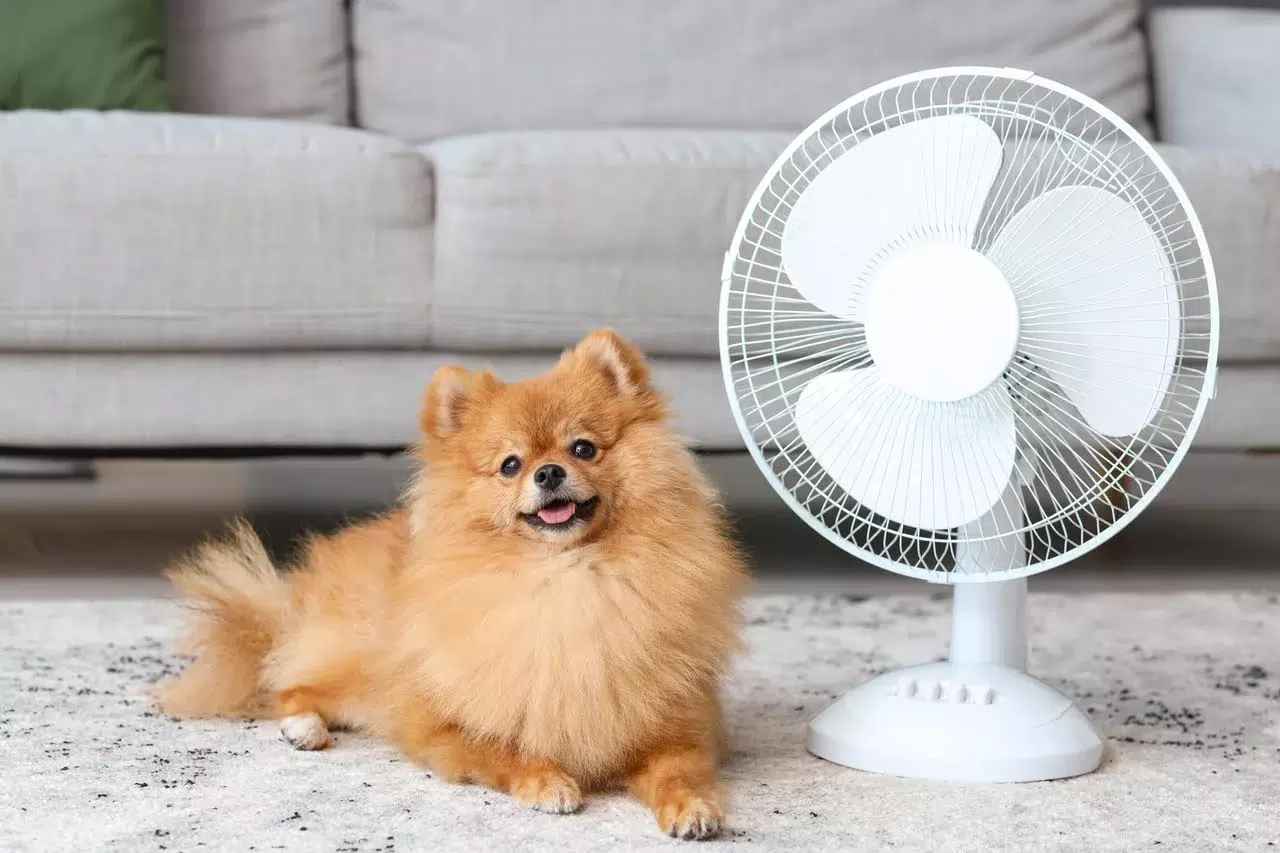
Fans – placing a fan near the spot where your dog rests can help circulate the air and keep it cool.

Avoid enclosed spaces – never leave your dog in a closed car, even for a short time. The temperature inside a vehicle can rise to dangerous levels very quickly.

By taking care of these things, you can keep your dog comfortable and safe on hot days. Remember that dogs are more sensitive to high temperatures than humans, which is why they need extra attention in the heat.

How to look after your pet on a hot day

Offer light meals

On hot days dogs may have a smaller appetite. Light meals are easier to digest and help prevent overheating. You can also give your dog frozen treats, which will cool it down even more.

Dampen the coat regularly

Spraying your dog with water or wiping its coat with a damp cloth can help lower its body temperature. Do not use ice-cold water, though, as this can cause thermal shock.

Monitor your dog’s behaviour

Watch your dog for signs of overheating, such as excessive panting, drooling, lethargy or vomiting. If you notice any of these symptoms, contact a vet immediately.

Use sun protection

If your dog has a short coat or pale skin, sunscreen can help protect it from sunburn. Make sure you use products designed specifically for animals.

By taking care of these things, you will keep your dog comfortable and safe on hot days. Remember that keeping your dog cool is not just a matter of comfort but, above all, of health and safety.

Water is the best remedy for high temperatures!

When the sun is beating down, water becomes essential to your dog’s health and comfort. Here are a few practical tips on keeping your four-legged friend cool on hot days.

Constant access to fresh water

The most important thing is that your dog always has fresh water available. On hot days dogs lose more water through breathing and through sweating from their paws, so topping up the water bowl regularly is crucial. You might also consider placing several water bowls in different spots around the house and garden.

Adding ice cubes to the water

Adding a few ice cubes to the water bowl can help keep the water cool for longer. It is not only a refreshing way to cool down but also an extra bit of fun for your dog.

Using a pet water fountain

Pet water fountains are a great solution that provides a constant flow of fresh water. Moving water is more appealing to dogs, which encourages them to drink more often. Fountains also often have filters that help keep the water clean.

Hydration on walks

On walks during hot weather, always take a bottle of water and a portable bowl for your dog. Regular drink breaks are essential to prevent dehydration and overheating. It is also best to avoid walks during the hottest part of the day and opt for mornings or evenings instead.

Cooling mats and vests

Cooling mats and vests are great accessories that can help keep your dog’s body temperature at a safe level. Cooling mats work by absorbing heat from the dog’s body, while vests can be soaked in water for extra cooling.

Regular baths

A bath in lukewarm water can be a great way to cool your dog down. You can also use a garden hose, a wet towel or a paddling pool to give your four-legged friend a bit of relief outdoors.

Watching for signs of overheating

It is important to know the signs of overheating in dogs, such as excessive panting, drooling, weakness or vomiting. If you notice any of these, move your dog to a cool place immediately, offer it water and contact a vet.

By keeping your dog properly cool and hydrated, you can keep it comfortable and safe even on the hottest days. Remember, in a heatwave water is your dog’s best friend!

Never leave your dog alone in the car!

In hot weather, leaving a dog in a car can be deadly. Even with the windows cracked open, the temperature inside a vehicle can soar, leading to overheating and heatstroke. Never leave your pet in a hot car, not even for a moment.

Why is it so dangerous?

In a closed car the temperature can rise to dangerous levels in just a few minutes. Dogs cannot regulate their body temperature effectively, which makes them more prone to overheating. Even if it does not seem all that hot outside, the inside of a car can become unbearably hot.

Alternatives to leaving your dog in the car

Instead of leaving your dog in the car, consider other options. Take your pet with you to places where it is welcome, or leave it at home where it is safe and cool. If you have errands to run where a dog cannot come along, ask someone to look after it.

How to recognise the signs of overheating in a dog

It is important to know the signs of overheating in dogs so that you can react quickly. They can include excessive panting, drooling, weakness, vomiting and even loss of consciousness. If you notice any of these symptoms, move your dog to a cool place immediately and contact a vet. If your dog loses consciousness, seek help from a veterinarian as quickly as possible. 

What should you do if you see a dog locked in a car?

If you spot a dog locked in a car, act quickly. Try to find the owner of the vehicle and let them know what is happening. If you cannot find them, call the police or the municipal guard. In some cases, if the situation is critical, you may have to take more drastic steps to save the animal’s life.

Summary

Remember that your dog’s safety comes first. Never leave it alone in the car, especially on hot days. Look after its comfort and health and you will avoid tragic consequences.