Contact us Make an appointment

Pixie-bob: Wild Looks, Friendly Nature – The Perfect Companion for You!

History and origins of the breed

The Pixie-bob breed emerged in the early 1980s in the United States, in Washington State. Its founder, Susan McMillan, was captivated by a cat that looked remarkably like a wild bobcat. She began experimenting by crossing it with local domestic cats and other breeds, aiming to create a unique breed that would combine a wild look with a gentle temperament.

The Pixie-bob’s connection to wild bobcats goes no further than appearance — the breed retains the friendly nature of a domestic cat. After several years of breeding and selection, the Pixie-bob won recognition for its looks, intelligence and sociability.

In 1994, thanks to the work of McMillan and other breeders, the breed was officially recognised by the Cat Fanciers’ Association (CFA). The Pixie-bob’s popularity grew as more people came to appreciate its unique qualities, leading to the creation of numerous breed clubs and organisations devoted to these cats.

What the Pixie-bob looks like

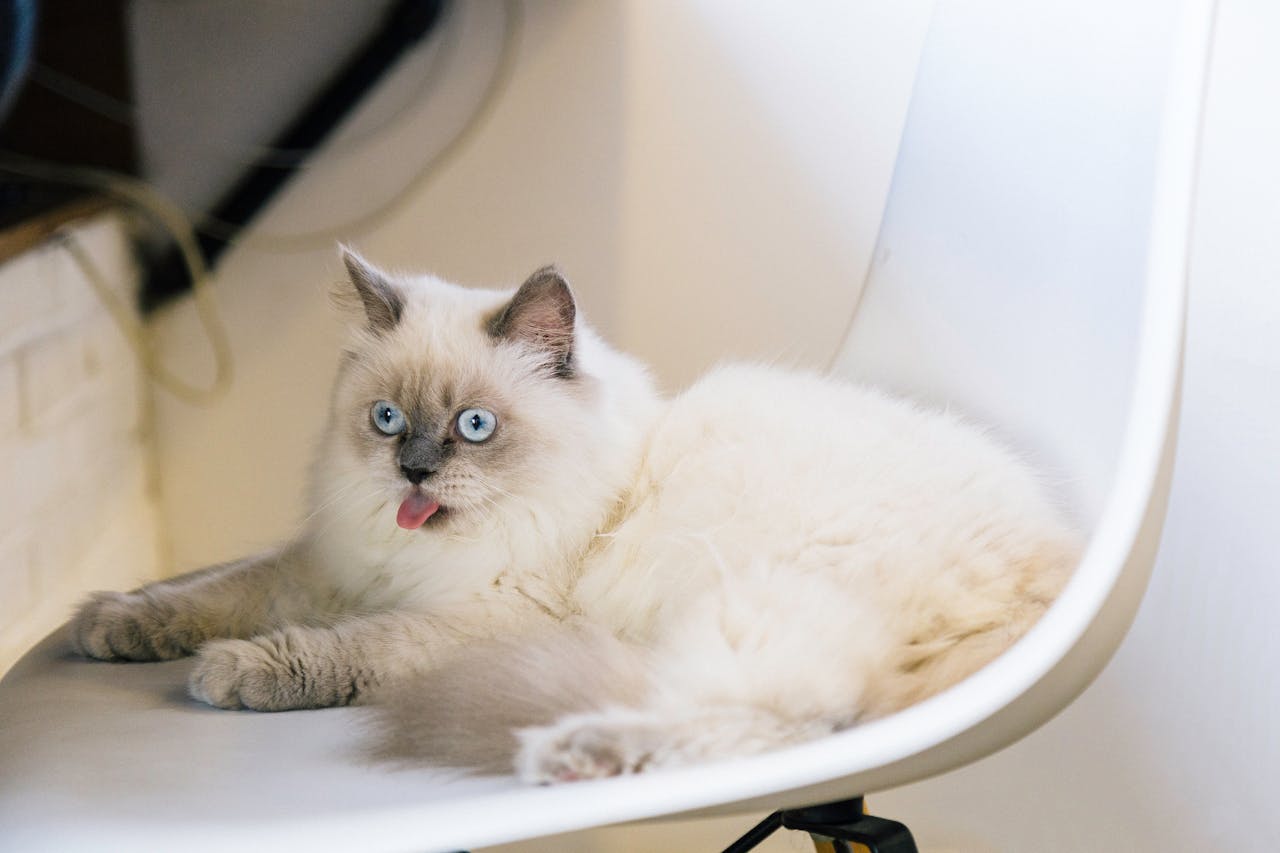
The Pixie-bob is a breed with a striking, wildcat-like appearance. These are medium-sized cats weighing roughly 3.5 to 9 kg, with an average lifespan of 12–15 years. They have a sturdy build, strong muscles and a solid frame. Pixie-bobs have rounded heads with broad cheekbones, large round eyes in various shades of green or gold, and tufted ears that give them their expressive, wild look.

The Pixie-bob’s coat is dense and semi-long, and comes in a range of colours — from tabby and torbie to other colour combinations. The coat pattern varies, with distinctive stripes and spots that lend these cats their unique, wild appearance. Another hallmark of the breed is the short tail, which may be full-length or partially shortened, adding to their charm even further.

The Pixie-bob temperament

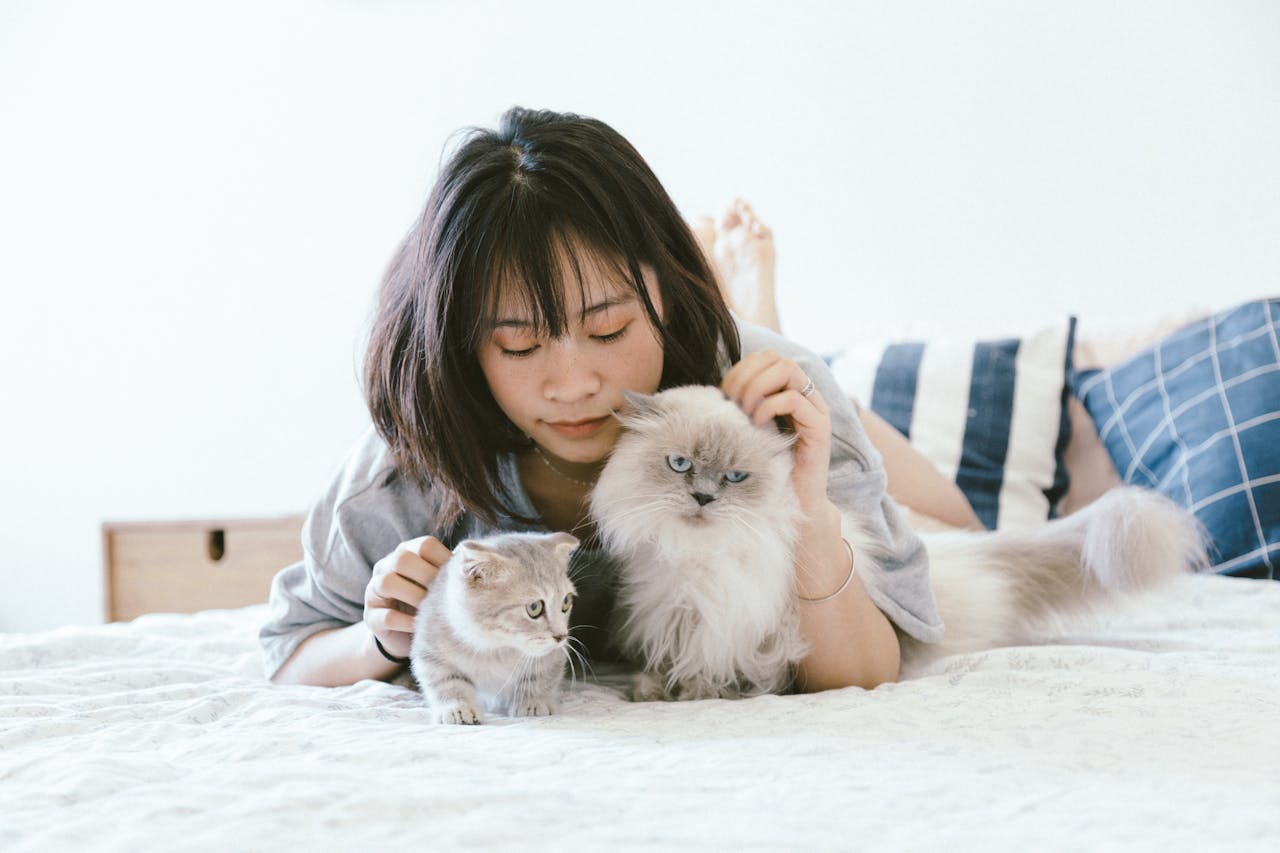
Pixie-bobs are known for their friendly, sociable nature, which makes them excellent family companions. These cats are exceptionally intelligent and therefore easy to train. Their natural curiosity and need for play make them very active, and they love interacting with family members and other animals alike. Pixie-bobs get on very well with other cats and with dogs too, which makes them an ideal choice for homes that already have other pets.

Thanks to their patient, gentle character, Pixie-bobs make great companions for children. They are generally tolerant of the playful and sometimes rather chaotic behaviour of the youngest family members, which allows them to form strong bonds with the whole family. Their sociability and enthusiasm for play make them a joyful addition to any home.

Preparing your home for a Pixie-bob

Getting your home ready for a Pixie-bob is a key step in making sure it is comfortable and has the right living conditions. Before the new cat arrives, set up a quiet, safe spot where it can rest and feel at ease. Pixie-bobs are active animals, so make sure there is room to play. Invest in a variety of toys, scratching posts and comfortable climbing spots to stimulate their natural curiosity and energy.

Pixie-bobs have no special dietary requirements, but it is worth choosing a high-quality food to give them the nutrients they need. Make sure you have water and food bowls, and a litter tray in a quiet, accessible spot. It is also important to secure windows and balconies, as these cats are naturally curious and not always careful. And if you have other pets, consider introducing them gradually to create a harmonious, safe atmosphere at home. 

Pixie-bob health

Pixie-bobs are generally healthy cats, but like any breed they can be prone to certain health problems. Among the most common conditions that may affect the breed is hypertrophic cardiomyopathy (HCM), which affects the heart and its ability to pump blood. Regular veterinary check-ups are key to catching any problems early. In addition, because of their heavy build, Pixie-bobs may be prone to joint problems such as hip dysplasia; diet and appropriate exercise can help prevent them. It is also important to care for their coat, as it can be prone to skin problems, particularly in semi-longhaired individuals. To give your Pixie-bob a long, healthy life, regular vet visits, appropriate vaccinations, a healthy diet and plenty of exercise are recommended — this helps avoid health problems and supports the overall wellbeing of this charmingly wild cat.

Summary

The Pixie-bob is a cat breed that combines the wild and the domestic. For many cat lovers, its unique appearance and friendly temperament make it the ideal companion. Anyone considering adopting a Pixie-bob should bear in mind its need for exercise and company, so as to give it a happy and healthy life.

Neuropathic Pain in Dogs and Cats – Signs, Causes, Diagnosis and Treatment

Neuropathic pain in dogs and cats is not “ordinary pain” caused simply by irritated tissue. It is a problem rooted in damage to, or disease of, the somatosensory nervous system, which causes the body to perceive and process stimuli abnormally. In animals this type of pain tends to be chronic, hard to pin down and easily mistaken for an orthopaedic or behavioural problem — or simply put down to “getting older”. Early recognition matters a great deal, because untreated chronic pain reduces quality of life, changes behaviour and can lead to worsening hypersensitivity and further decline in the patient’s wellbeing.

What is neuropathic pain in dogs and cats?

What is neuropathic pain, exactly?

Neuropathic pain arises when the nervous system itself becomes the source of the problem, rather than just the damaged tissue. In practice this means that a nerve, a nerve root, the spinal cord or another part of the somatosensory system is malfunctioning and starts generating or amplifying pain signals. Phenomena such as peripheral and central sensitisation, abnormal activity in damaged nerve fibres and a breakdown of the body’s own pain-inhibiting mechanisms come into play, so the patient may feel pain too intensely, for too long, or in response to stimuli that should not hurt at all.

People describe neuropathic pain as burning, stabbing or an electric-shock sensation, but with a dog or cat we cannot rely on a verbal account of what they feel. In veterinary medicine, therefore, the diagnosis rests mainly on the clinical picture: the history, the neurological examination, the location of the lesion, the type of pain response and the animal’s behaviour. That is precisely why recognising it is harder than in human medicine and calls for great care in interpretation.

How does it differ from inflammatory and orthopaedic pain?

Inflammatory and orthopaedic pain are usually linked to damage or inflammation of tissues such as joints, muscles, ligaments or bones. In neuropathic pain the problem lies more in how the nervous system transmits and interprets signals. This is an important distinction, because a patient with neuropathic pain may react with severe pain to a light touch, a change of position or a stimulus that would provoke no such reaction in a healthy animal. At the same time, neuropathic pain can coexist with inflammatory or orthopaedic pain — for instance in a dog with spinal disease and secondary compression of the nerve roots.

From a clinical point of view, neuropathic pain tends to be more chronic, more erratic and harder to treat than classic tissue pain. Some patients have episodic, paroxysmal pain, some live with a constantly reduced quality of life, and some only react with pain in specific situations, which makes assessment even harder. This is one of the reasons why treatment usually has to be more complex and often calls for multimodal therapy rather than a single “painkiller”.

Why does this type of pain often go unnoticed?

Neuropathic pain often gets missed because its signs do not always look like “obvious pain”. Owners are more likely to see irritability, withdrawal, reluctance to move, a low mood or odd reactions to being touched than classic limping or clear soreness in one spot. In a cat, chronic pain may be mistaken for being “in a mood”; in a dog, for laziness, ageing or an orthopaedic issue.

An added difficulty is that veterinary medicine has no single simple test that confirms neuropathic pain. The diagnosis is built from the whole picture: history, examination, location of the problem, further tests and response to treatment. That means it takes clinical thinking, not just “ticking symptoms off a list”.

How can neuropathic pain show itself in an animal?

Signs an owner may notice at home

In a dog or cat with neuropathic pain, an owner may notice sudden vocalising when touched, hypersensitivity, avoidance of contact, licking or chewing at one area of the body, reluctance to move, reduced appetite, a change in mood, or poorer sleep and rest. Some animals become more irritable; others go the opposite way and become withdrawn and apathetic. In some patients, being touched, brushed, put into a harness or picked up triggers a reaction out of all proportion to the stimulus.

Importantly, the signs can vary from day to day. One day a dog may get up and walk a few steps without much trouble, and the next protest violently at the very same movement. A cat may suddenly stop jumping up to its favourite spot, avoid being stroked in a particular area or show aggression it never showed before. This very inconsistency is one of the features that lead neuropathic pain to be mistaken for a behavioural problem.

Signs that are more neurological than “orthopaedic”

In clinical practice, neuropathic pain is more often suggested by difficulty getting onto the sofa or up the stairs, episodes of pain when changing position, trouble bearing weight on a limb without any obvious injury, and behaviour pointing to radiating or recurring pain. The animal may move cautiously, “freeze” before making a movement, refuse to jump or suddenly react with pain when twisting the trunk or being lifted. Signs like these can look like an orthopaedic problem, but the underlying cause is often neurological — particularly with spinal disease or nerve-root damage.

Some patients develop hypersensitivity along the course of a particular nerve or down one side of the body. Sometimes an animal licks one specific area intensively even though there is no wound or skin lesion there. That is not proof in itself, but it is an important clue that the problem may involve not just a joint or a muscle but the nervous system itself.

How does chronic pain affect the behaviour of dogs and cats?

Chronic neuropathic pain affects not only movement but also emotions and everyday functioning. The animal may become more irritable, less sociable, withdrawn, less keen to play or noticeably “more difficult” to handle day to day. In cats, a change in the relationship with the owner, poorer tolerance of touch and withdrawal from previously normal behaviours are especially common. Dogs may become irritable, object to being touched and sometimes show defensive aggression.

This matters because chronic pain lowers quality of life even when the animal is not limping or “crying out” in pain. That is exactly why owners should not dismiss subtle changes in behaviour, especially if they persist for weeks or get worse despite rest and symptomatic treatment.

The most common causes of neuropathic pain in dogs and cats

Injuries and nerve damage

One of the most frequent causes of neuropathic pain is trauma and direct damage to nerves. This includes road traffic accidents, limb injuries, damage to nerve plexuses, severed or stretched nerves, and certain post-operative situations. If part of the nervous system is damaged in an injury or during surgery, the patient may experience chronic pain even after the wound itself has healed.

In some cases a neuropathic component of post-operative pain also develops. That does not mean every operation leads to it, but in clinical practice it has to be borne in mind that chronic pain after surgery is not always down to healing tissues alone. Sometimes the source of the problem is precisely a nerve or neural structure irritated during the disease process or after treatment.

Spinal disease and nerve-root compression

A very important group of causes is spinal disease and conditions that compress the nerve roots or the spinal cord. Disc disease, chronic compression, certain degenerative changes and pain syndromes affecting the cervical or lumbosacral spine can all produce a picture of chronic pain with a neuropathic character. The animal may then not only be reluctant to move but also react painfully to specific movements, show hypersensitivity in a particular area or display signs of radiating pain.

This is why some patients who “look orthopaedic” ultimately end up with a neurologist. The problem may lie not in the joint or muscles themselves but in the neural structures responsible for transmitting and modulating pain signals.

Tumours and other compressive processes

Neuropathic pain can also occur when a primary tumour, a metastatic lesion or another space-occupying process presses on a nerve, nerve root or the spinal cord. In such cases the pain often builds gradually, can be hard to detect at first and is frequently accompanied by other neurological signs. If chronic pain is joined by gait abnormalities, paresis, asymmetrical responses or clear progression of signs, this kind of cause must be considered.

Peripheral neuropathies and other neurological diseases

There are also certain peripheral neuropathies and other neurological diseases in which a neuropathic pain component can be significant. These include some conditions following nerve damage, certain metabolic diseases and selected neurological syndromes that disrupt nerve conduction and the processing of stimuli. Here, though, a word of caution: not every neuropathy necessarily involves marked neuropathic pain, and not every chronic pain in a neurological patient has exactly this mechanism.

How is neuropathic pain diagnosed?

The history — what matters to the vet?

Diagnosing neuropathic pain begins with a well-taken history. The vet needs to know when the signs started, whether there was an injury or an operation, whether the pain is constant or episodic, whether touch makes the reaction worse, and whether the animal’s behaviour, sleep, appetite and movement have changed. It also matters whether the signs appear with particular movements, whether they are one-sided, whether they radiate and whether other neurological signs accompany them.

It is often the history that gives the first clue as to whether the vet should be thinking along orthopaedic, neurological, inflammatory or mixed lines. An owner who can describe when the signs first appeared, the situations that make the pain worse and the day-to-day changes in behaviour is a huge help in reaching an accurate diagnosis.

Neurological examination and locating the problem

One of the most important elements of the work-up is the neurological examination. The vet assesses pain responses, muscle tone, posture, gait, reflexes and proprioception, and whether the problem points more towards the peripheral or the central nervous system. It is also important to distinguish neuropathic pain from orthopaedic pain — for example pain arising from joint disease, muscle strain or a soft-tissue injury.

In practice it is the localisation that makes all the difference. If the pattern of signs fits a particular nerve root, a segment of the spinal cord or a specific peripheral nerve, the likelihood that the pain really does have a neuropathic component goes up. This is one of the reasons a neurology consultation can be so valuable in cases of chronic pain that is hard to explain.

What further tests may be needed?

Further tests are chosen according to the suspected cause. Blood and urine tests are often needed at the outset to assess general health, detect concurrent disease and rule out some metabolic or inflammatory problems. X-rays can be a useful supporting test, particularly for assessing bones and joints or taking an initial look at the spine, but where changes in the spinal cord or nerve roots are suspected they usually do not give the full picture.

When the spine, spinal cord, compression, post-traumatic changes or a structural lesion need to be assessed in detail, MRI and CT play a bigger role. In more difficult cases the vet may also order selected specialist tests, but there is no single universal pathway for every patient. The work-up is usually built up in stages, following the most likely site and mechanism of the problem.

Is there a single test that confirms neuropathic pain?

No. This is one of the most important things to make clear to owners. The diagnosis of neuropathic pain is usually clinical and reached in stages. It is based on putting together the history, the neurological examination, the presence of a lesion in the appropriate location and the overall picture of the patient. Response to treatment can be a helpful clue, but it is not “proof” in itself, because improvement on medication does not always unambiguously confirm the mechanism of the pain.

Treating neuropathic pain in dogs and cats — what does it involve?

Why is multimodal treatment needed?

With neuropathic pain, a single drug rarely solves the whole problem. That is why treatment should be multimodal — combining treatment of the underlying cause, pain-targeted drug therapy, non-drug support and regular review of the results. Some patients need a process of trial and adjustment, because animals do not all respond to treatment in the same way. This is particularly important in cats, where the evidence base is smaller than in human medicine and treatment tends to be even more individualised.

Multimodal treatment is also needed because neuropathic pain often coexists with other pain components — inflammatory, orthopaedic, post-operative or muscular. If therapy focuses on just one mechanism, the patient may improve partially, but not enough to regain a good quality of life.

Which drugs are most often considered?

In clinical practice, the drugs most often considered for neuropathic pain are gabapentin and pregabalin, and in some cases also amantadine and tricyclic antidepressants such as amitriptyline. They are not, however, “one-size-fits-all pills” that work the same in every patient. The choice of therapy depends on the species, the cause of the pain, concurrent diseases, drug tolerance and the overall clinical picture.

It is also important to get the role of NSAIDs right. Non-steroidal anti-inflammatory drugs are not regarded as a classic treatment “for neuropathic pain itself”, but they may be justified when there is a concurrent inflammatory component or another kind of chronic pain. This distinction matters, because a patient with a purely neuropathic component does not always respond well to the conventional analgesics used for tissue pain.

Non-drug and supportive treatment

Non-drug treatment should not be presented as a miracle substitute for medication, but it can be a very important part of the plan. Depending on the patient, options include physiotherapy, controlled exercise, rehabilitation, changes to the home environment and sometimes acupuncture, TENS or other supportive techniques. Their role is more about improving function, limiting secondary strain and supporting quality of life than “switching off” the pain itself in a single session.

Why does treatment need regular review?

Chronic pain changes over time. So do the patient’s reaction threshold, function, tolerance of touch and response to therapy. That is why treatment needs regular review, rather than assuming that because a drug worked for a week or two the problem is solved. Some animals need a dose adjustment, others need supportive therapy added, and others need to go back to the diagnostic stage if improvement is too small or side effects appear.

How can owners help their pet at home?

How to set up a safe environment

For an animal with chronic neurological pain, the environment matters enormously. A soft bed, fewer stairs and slippery surfaces, easier access to the litter tray, food bowls and resting places, and less provocation of pain during everyday activities can genuinely improve quality of life. For a dog this might mean non-slip mats and limiting jumping; for a cat, resources placed lower down and a quieter, more easily reached resting spot.

What to keep an eye on every day

In day-to-day observation the key things are appetite, activity, tolerance of touch, sleep, reaction to movement and pain behaviours. These are the elements that best show whether treatment is working, whether quality of life is improving and whether the problem is recurring or progressing. For the vet, this kind of information is often far more useful than a general “I think it’s a bit better”.

What not to do on your own

Do not stop medication without consulting your vet, increase doses on your own or assume it has “gone away” just because the animal is showing less pain. Cats in particular are skilled at masking chronic discomfort, and some dogs simply move less rather than showing pain openly. Treating neuropathic pain should be planned and monitored, because spontaneous changes to therapy can hinder assessment more than they help.

When to see a vet or neurologist urgently

An urgent consultation is needed when pain suddenly gets worse, the animal cannot move normally, it vocalises when touched, neurological signs appear, it loses control of urination or defecation, its quality of life clearly deteriorates or there is no improvement despite treatment. Such signs may indicate that the lesion is progressing, compression is increasing or pain is not adequately controlled, and they should not be “waited out for a few more days”.

FAQ

What is neuropathic pain in dogs?

It is pain resulting from damage to, or disease of, the somatosensory nervous system rather than from tissue injury alone. This means the source of the problem may be the nerve itself, a nerve root, the spinal cord or another part of the nervous system responsible for processing pain signals.

How do you recognise neuropathic pain in a cat?

In cats it is most often suspected on the basis of behaviour and a clinical examination. Warning signs include hypersensitivity, sudden vocalising when touched, avoiding contact, unwillingness to jump, withdrawal, irritability or licking one area of the body with no visible skin lesion.

Can neuropathic pain in dogs be cured?

It depends on the cause. In some cases the pain can be controlled well and quality of life improved significantly, but with some chronic conditions the aim of treatment is long-term control of the signs rather than “switching off” the problem completely.

Does gabapentin help with neuropathic pain in animals?

Gabapentin is one of the drugs often considered for treating neuropathic pain in dogs and cats, but it does not work the same way in every patient and is no substitute for a full work-up. Its place in therapy comes from clinical practice and the multimodal approach, not from any promise that it will be effective in every case.

How is neuropathic pain diagnosed in dogs?

It usually involves a history, a neurological examination, an attempt to localise the problem and further tests chosen for the individual case, such as blood and urine tests, X-rays, CT or MRI. There is no single test that confirms the diagnosis on its own.

Can a cat with neuropathic pain become aggressive?

Yes. Chronic pain can reduce tolerance of touch, increase irritability and lead to defensive aggression, particularly when the owner touches the painful area or tries to do something that makes the discomfort worse.

When is a neurology consultation needed?

When the pain is chronic or recurrent, cannot readily be explained by an orthopaedic lesion, is accompanied by neurological signs, or when symptomatic treatment is not bringing the expected improvement. A neurology consultation is especially valuable when the problem needs to be localised and further diagnostics planned.

Gastroscopy in Dogs and Cats: A Simple Way to Protect Your Pet’s Health

Gastroscopy in dogs and cats is a specialist diagnostic procedure that lets the vet look directly inside the animal’s digestive tract. Using an endoscope — a flexible instrument fitted with a camera — it is possible to examine the oesophagus, stomach and the first part of the intestine in detail. The procedure is extremely useful for identifying conditions such as inflammation, ulcers, growths or foreign bodies. It allows vets to assess the health of the digestive tract precisely and decide on the right treatment. Gastroscopy is valued for being minimally invasive yet highly accurate, which makes it an important tool in modern veterinary medicine.

What does gastroscopy involve?

Gastroscopy involves passing an endoscope — a thin, flexible instrument with a camera at the tip — through the animal’s mouth into the oesophagus, then into the stomach and the first section of the intestine. The procedure is usually carried out under general anaesthesia, which keeps the animal calm and minimises stress. Once the patient is anaesthetised, the vet introduces the endoscope, which both illuminates the inside of the digestive tract and sends a live image to a monitor, allowing a thorough assessment. Gastroscopy can reveal abnormalities such as ulceration, inflammation or tumours, and also allows tissue samples to be taken for histopathology. The whole procedure usually takes anywhere from around fifteen minutes to well under an hour, and because it is minimally invasive, animals generally bounce back quickly afterwards.

How to prepare your pet for the procedure

Preparing your pet for gastroscopy is a key step in making sure the examination is both safe and effective. A few days beforehand, the vet may recommend switching to an easily digestible diet to soothe any irritation of the digestive tract and get the body ready for the procedure. On the day of the examination the animal must be fasted — that means no food for at least 8–12 hours before anaesthesia. Fasting is essential to reduce the risk of stomach contents being aspirated during the procedure and to give a clearer view of the lining of the digestive tract.

 Before the procedure the vet will also take a thorough medical history, which may include an assessment of the animal’s general condition, previous illnesses and any medication it is taking. Because gastroscopy is performed under general anaesthesia, additional blood tests (haematology and biochemistry) and an echocardiogram are recommended to rule out any anaesthetic risk. It is also worth arranging transport to the clinic in a way that keeps your pet comfortable and calm. Once at the clinic, the animal should have the chance to rest somewhere quiet, which will help reduce stress before the procedure. 

When can gastroscopy help?

Gastroscopy can be extremely helpful in a number of specific health situations in dogs and cats. Here are some of the cases in which the examination is indicated:

  1. Chronic vomiting – if an animal suffers from prolonged or recurrent vomiting, gastroscopy can help pinpoint the cause, such as inflammation, ulceration or a tumour.
  2. Difficulty swallowing – when an animal struggles to swallow or shows signs of dysphagia, an endoscopic examination can rule out obstructions in the oesophagus, such as tumours or overgrown tissue.
  3. Weight loss – pets that cannot put on weight or are losing it for no obvious reason may need gastroscopy to assess the digestive tract and detect any underlying gastrointestinal disease.
  4. Blood in vomit or stools – if you notice blood in your pet’s vomit or faeces, gastroscopy can help identify the source of the bleeding.
  5. Suspected foreign body – when there is a risk that the animal has swallowed something that has become lodged in the digestive tract, gastroscopy makes it possible both to see the object and, where feasible, to remove it.
  6. Diagnosing chronic conditions – in diseases such as gastritis or enteritis, gastroscopy allows a close examination of the mucosa and the collection of biopsies for further testing.

Aftercare

Looking after your pet properly after gastroscopy is key to its comfort and a smooth recovery. After the procedure the animal may be slightly groggy from the anaesthetic, so give it a calm, quiet place to rest, away from noise and too much stimulation. For the first few hours do not offer food or water — the body needs time to recover from the anaesthesia. As your pet gradually comes round, the vet may recommend a light diet, starting with easily digestible food and returning step by step to the normal menu. It is also important to watch for any worrying signs such as vomiting, diarrhoea, signs of pain or reluctance to move. If anything concerns you, contact your vet straight away. Checking any incision sites regularly and avoiding strenuous exercise for a few days after the procedure will help recovery go smoothly. Caring for your pet’s emotional wellbeing — a stroke, some time together — will also help it get back on its feet sooner.

Summary

Gastroscopy makes fast, accurate diagnosis possible, and in many cases this significantly improves an animal’s quality of life. Its use in veterinary medicine continues to grow, offering hope to many pets with health problems. If you notice worrying symptoms in your pet, talk to your vet about whether gastroscopy could be an effective next step towards diagnosis and treatment.