

-
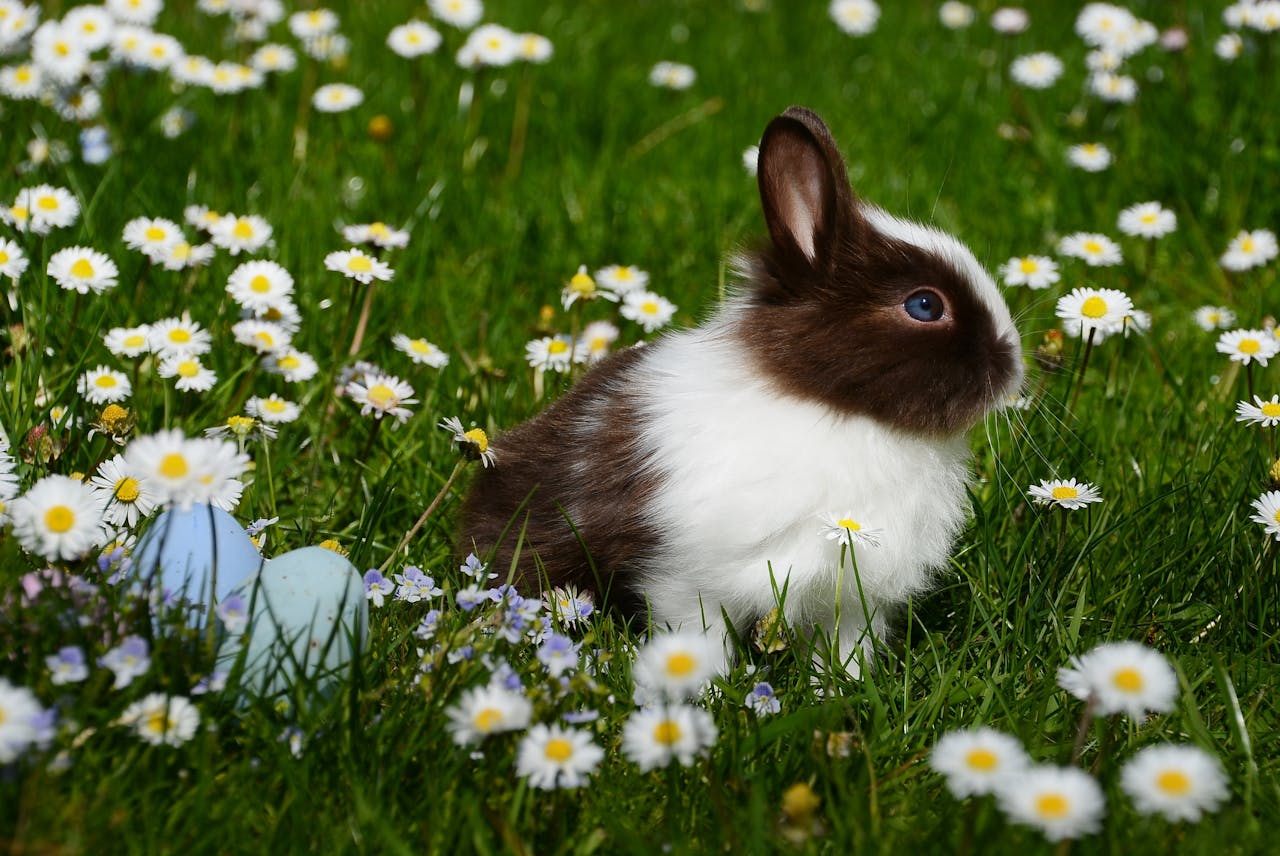
Parasitic diseases in rabbits: the commonest threats and how to prevent them
Coccidiosis, encephalitozoonosis, ear mange and cheyletiellosis are the parasitic diseases pet rabbits meet most often, and they can go unnoticed for a long time. We explain how they are diagnosed in the laboratory, how they are treated, and which hygiene, quarantine and feeding rules keep infection at bay.
-
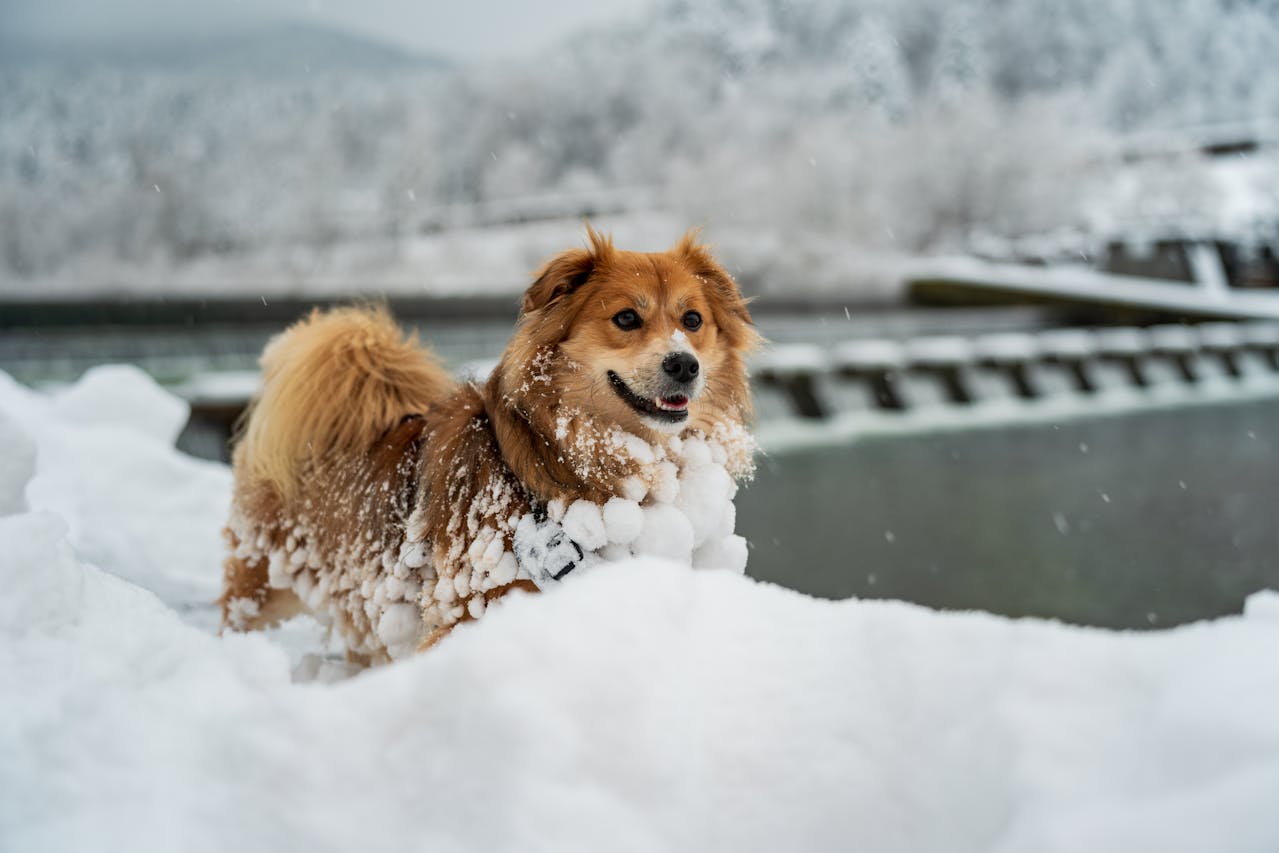
How to protect your dog’s paws in winter
Frost, ice and road salt leave a dog's pads irritated, cracked and sometimes frostbitten every winter. We explain how to pick a route and a protective wax before the walk, how to rinse and dry the paws properly once you are home, and which signs mean it is time to call the veterinary clinic.
-
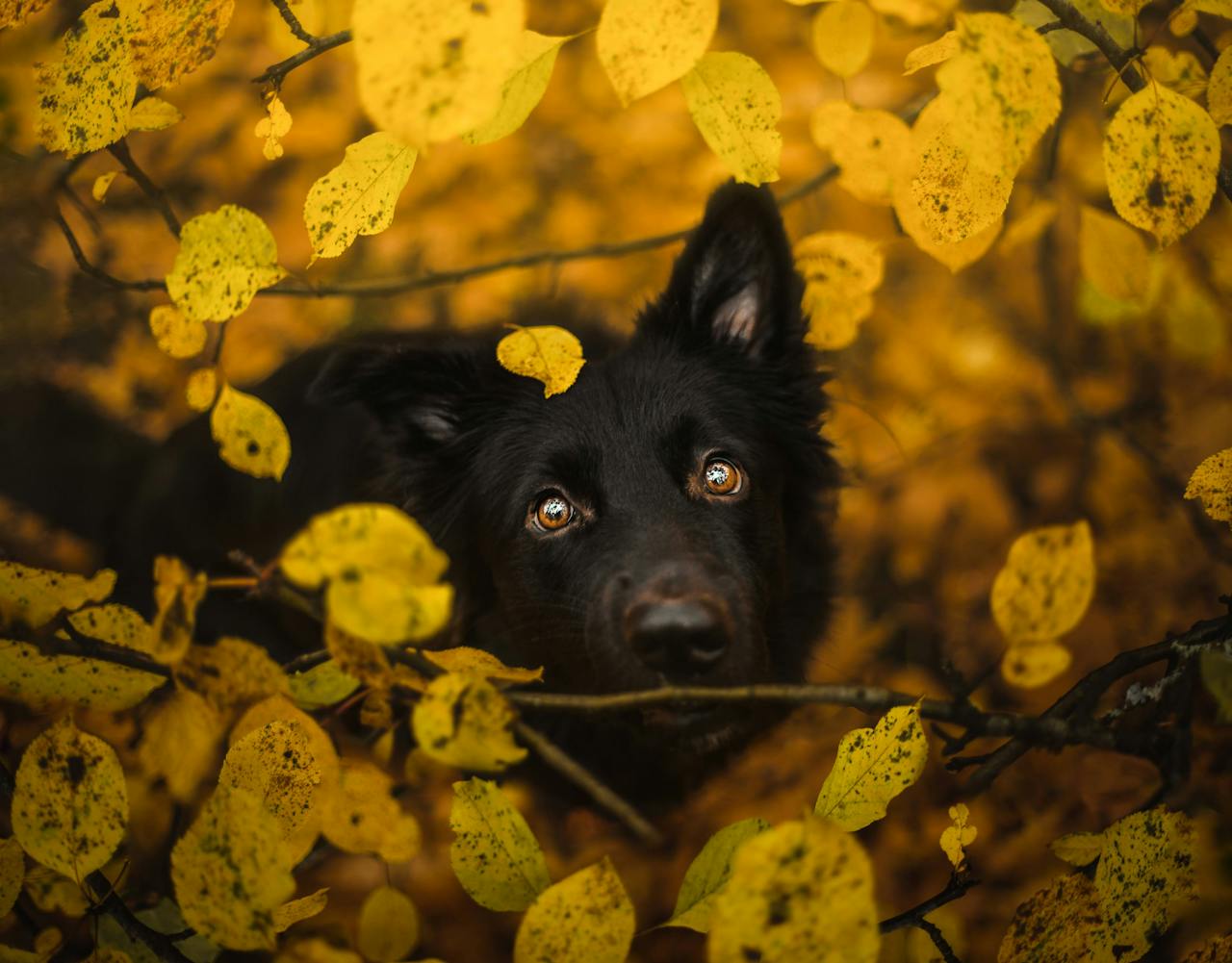
Horner’s syndrome in dogs and cats: signs, causes, diagnosis and treatment
A drooping eyelid, a smaller pupil and a visible third eyelid on one side add up to Horner's syndrome. It is not painful in itself and does not harm sight, but it often signals another, more serious condition underneath. We explain the causes, the diagnostic steps, the pharmacological tests and the treatment options.
Why Do Dogs Lick? Causes, Meaning and How to Respond
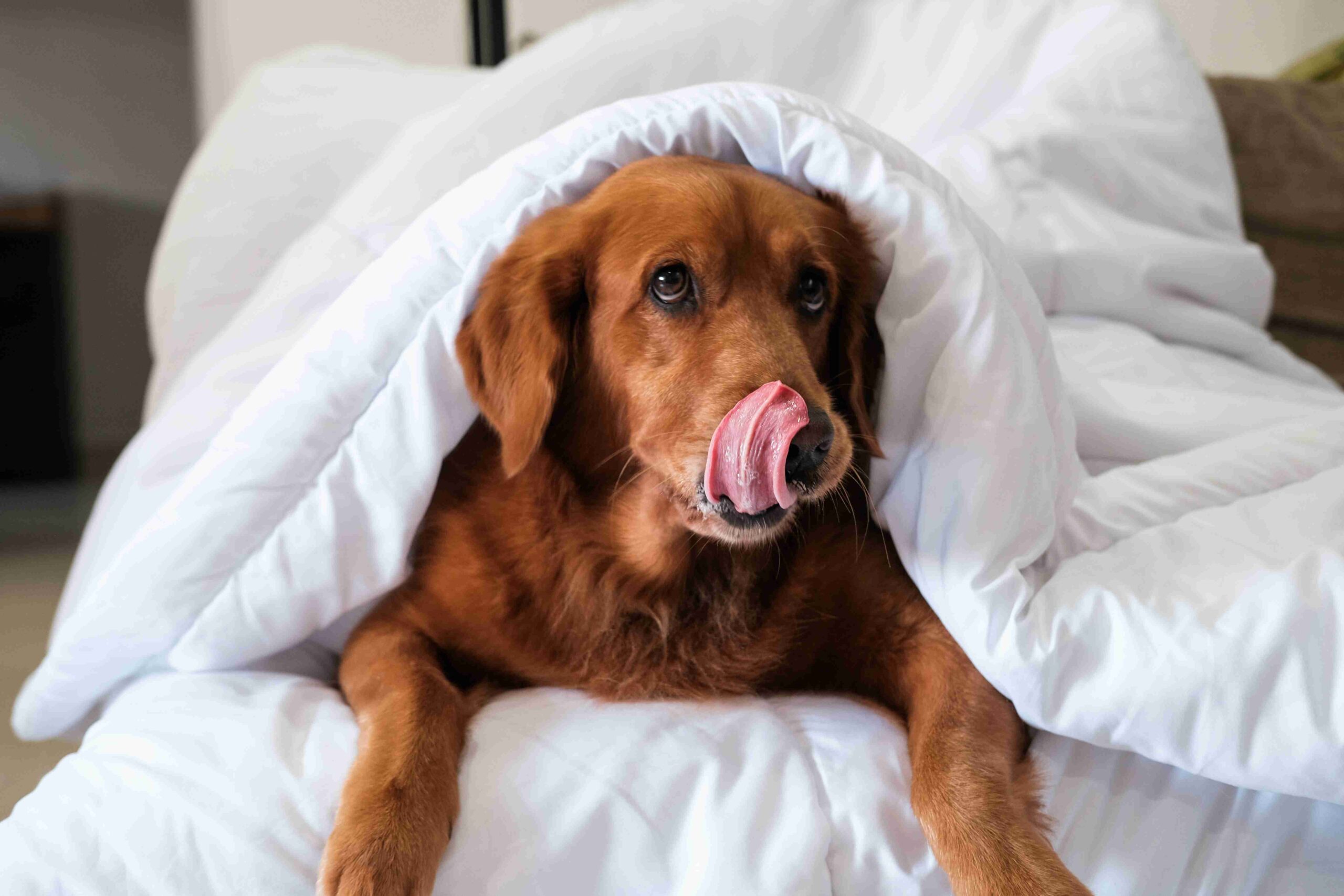
Dogs have a natural tendency to lick all sorts of surfaces, which can leave their owners curious or even concerned. In this article we look at the various reasons why dogs lick and what the behaviour means. You will also learn how to respond if you would rather your dog did not lick you. Read on to find out more.
Why do dogs lick different surfaces?
Dogs are naturally inclined to lick various surfaces such as floors, carpets and their beds. There are several reasons for this behaviour. First, licking the floor or carpet may simply be down to leftover food or the smell of a chew the dog was eating earlier. It is a natural instinct: the animal is gathering information about its surroundings through smell and taste.
However, obsessive licking of walls and other surfaces can be a sign of behavioural or health problems. Dogs may lick walls and other surfaces because of indigestion, heartburn or a sore throat. If you notice that your dog licks surfaces frequently and persistently, it is worth consulting a vet to rule out any underlying health issues. The behaviour can also be the result of stress or boredom. In that case it is a good idea to consult a behaviourist, who can help identify the cause and suggest suitable solutions.
Why do dogs lick their paws?
Occasional paw licking is simply a dog’s natural way of cleaning itself. Dogs lick their paws to remove dirt or bits of grass picked up on a walk. This is nothing to worry about, as it helps the dog stay clean.
Obsessive paw licking, on the other hand, can be a sign of behavioural or health problems. Dogs may lick their paws excessively because of stress or boredom. The behaviour can also stem from obsessive-compulsive disorder brought on by excessive stress.
What does it mean when dogs lick each other?
Licking between dogs is often an expression of affection and friendliness. Dogs show their feelings by licking one another, which strengthens their bond and helps them make up after a conflict. It is a natural form of communication between them.
It is important, though, to be able to tell friendly licking from behaviour that may be a form of bullying. When watching dogs interact, pay attention to how the dog being licked reacts. If it shows signs of stress, such as flattened ears, a tucked tail or bared teeth, the contact may not be pleasant for it. In that case, interrupt the licking and separate the dogs to avoid a more serious conflict.
Why does a dog lick surfaces around the house?
There are several possible reasons why a dog might lick surfaces around the house, such as walls, floors and carpets. One of them is indigestion, heartburn or a sore throat. Licking these surfaces may be the dog’s way of soothing an upset stomach or an irritated throat.
Stress is another factor behind persistent licking of the carpet or bedding. Dogs may lick these surfaces as a way of coping with difficult emotions caused by stress. If your dog obsessively licks the carpet or bedding, it is worth consulting a behaviourist, who can help pinpoint the source of the stress and suggest ways to help your dog deal with it.
What does it mean when a dog licks its owner?
A dog licking its owner can have various meanings and causes. Often it is a sign of great affection for the person looking after it. A dog may lick its owner’s face, hands or other parts of the body to express love and attachment.
For some dogs, licking is also a way of getting attention. They may do it when greeting you after a long separation or when they want you to notice them. For them, licking is a form of communication and a way of expressing emotion.
Not every owner enjoys being licked, however. If you would rather your dog did not lick you, consistently interrupt the behaviour by moving your face and hands away. Offer an alternative form of contact instead, such as calm stroking or a game of tug.
How to respond if you don’t want your dog to lick you
Consistently interrupting the licking is key if you do not want your dog to lick you. Be firm and consistent in how you respond. As soon as the dog starts licking, break off contact and move your face and hands away. You can also use a cue such as “no” or “stop” to make it clear that you do not accept the behaviour. It is important not to punish the dog for licking, only to stop the unwanted contact.
Alternative ways of interacting with your dog can help replace the licking. Instead of letting the dog lick you, offer forms of contact you find more acceptable. For instance, focus on calmly stroking the dog or playing a game of tug. This gives the dog a way to express its affection and love that is more comfortable for you.
Safety and hygiene also matter when it comes to licking. Although being licked by a dog is not a danger to the average healthy person, bear in mind that contact with a dog’s saliva can transmit bacteria and parasites. Young children and people with weakened immune systems in particular should avoid contact with dog saliva. Do not let a dog lick a person’s wounds either, as this can lead to infection. If both you and your dog are healthy, however, you can allow licking in a controlled, safe way.