

-
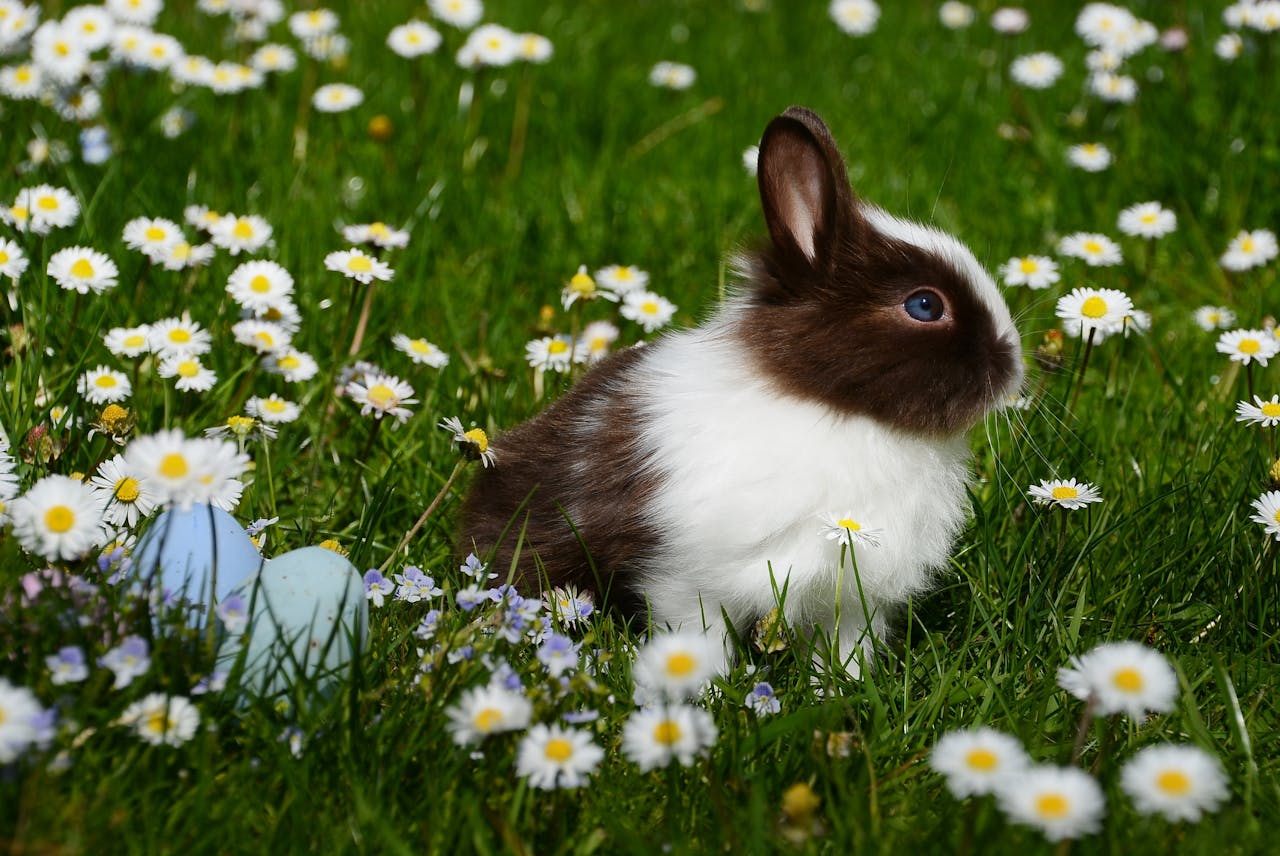
Parasitic diseases in rabbits: the commonest threats and how to prevent them
Coccidiosis, encephalitozoonosis, ear mange and cheyletiellosis are the parasitic diseases pet rabbits meet most often, and they can go unnoticed for a long time. We explain how they are diagnosed in the laboratory, how they are treated, and which hygiene, quarantine and feeding rules keep infection at bay.
-

How to protect your dog’s paws in winter
Frost, ice and road salt leave a dog's pads irritated, cracked and sometimes frostbitten every winter. We explain how to pick a route and a protective wax before the walk, how to rinse and dry the paws properly once you are home, and which signs mean it is time to call the veterinary clinic.
-
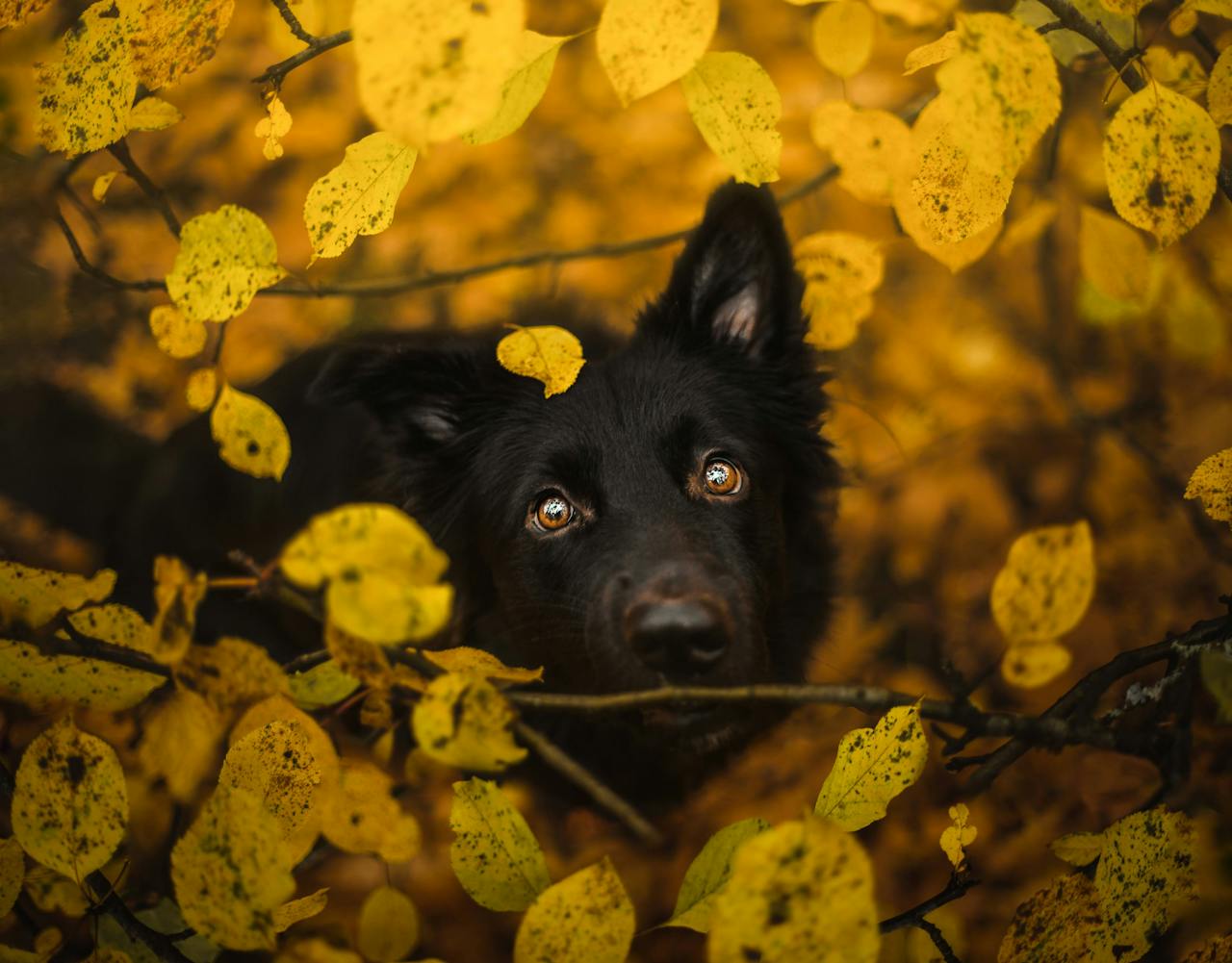
Horner’s syndrome in dogs and cats: signs, causes, diagnosis and treatment
A drooping eyelid, a smaller pupil and a visible third eyelid on one side add up to Horner's syndrome. It is not painful in itself and does not harm sight, but it often signals another, more serious condition underneath. We explain the causes, the diagnostic steps, the pharmacological tests and the treatment options.
What Smells Do Cats Dislike?
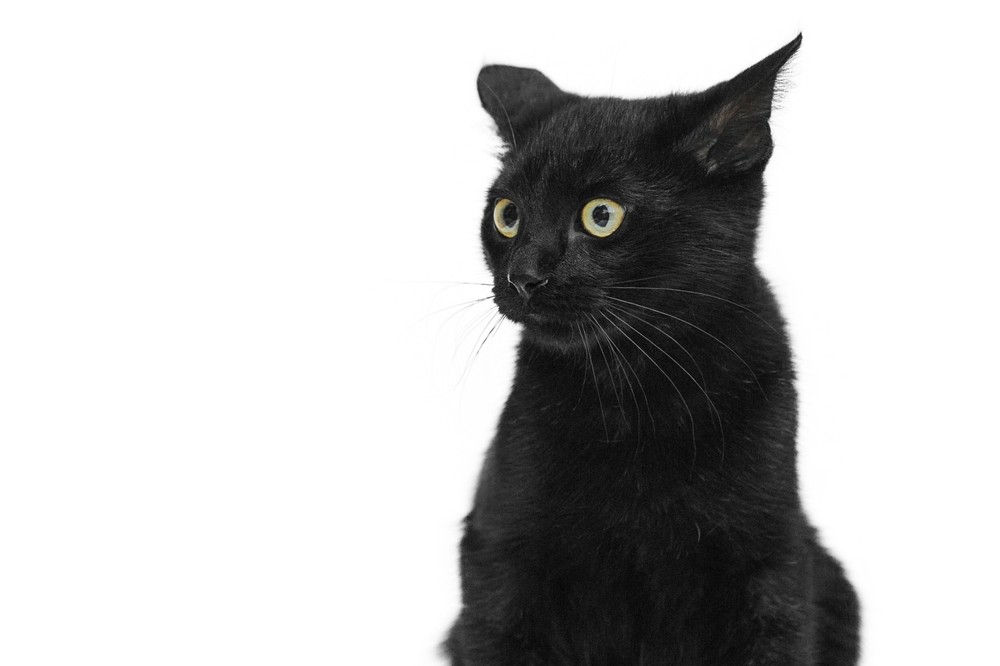
Which smells do cats dislike most, and how can you avoid them?
Cats have a very sensitive sense of smell, and there are several scents that most cats dislike. One of them is the smell of citrus fruit such as oranges, lemons or mandarins. Strong citrus oils are very unpleasant for cats, so it is best to avoid using these scents in places where cats spend a lot of time, for example on the kitchen worktop or around the litter tray.
Another smell cats dislike is lavender. Although many people find lavender calming and soothing, cats find it irritating. You can avoid this scent by not using lavender oil in the bedroom or wardrobe, where cats may sleep or where their things are kept.
Which plants and essential oils irritate cats, and how can they be used as a deterrent?
Cats have a sensitive nose, and there are certain plants and essential oils that can irritate them. One such plant is common rue, which gives off strong essential oils that repel cats. You can plant it in parts of the garden where you do not want cats to go. Another plant cats dislike is lavender. While lavender has a calming effect on people, cats find it irritating. Lavender oil can be used to keep cats away from places such as the bedroom or wardrobes.
Besides plants, there are also essential oils that can irritate cats. One of them is lemon oil. Its strong citrus scent can be unpleasant for cats, which makes it useful for keeping them off the kitchen worktop or away from the litter tray. Another essential oil cats dislike is geranium oil. This strong scent can cause skin irritation in cats, so it is best avoided in a home where cats live.
Which smells and substances in the home are potentially harmful to cats?
Cats are very sensitive to certain smells and substances that can be harmful to their health. One such smell is ammonia, which is often found in floor and toilet cleaning products. Prolonged exposure to this smell can lead to irritation of the airways in cats. It is therefore worth choosing cleaning products with a milder scent or using natural alternatives such as vinegar or bicarbonate of soda.
Another substance potentially harmful to cats is formaldehyde, which is found in some furniture and wooden products. Cats can be exposed to this chemical by inhaling it or through skin contact. Formaldehyde can cause irritation of the eyes, nose and throat in cats. It is therefore worth choosing furniture and wooden products labelled as pet-safe, or avoiding such products in places where cats spend a lot of time.
How to make your own cat repellent using natural scents
If you would like to make your own cat repellent, you can use natural scents such as essential oils or herbs. Here is how to do it:
This homemade cat repellent can help keep cats away from unwanted spots in the house or garden. Bear in mind, though, that every cat has its own scent preferences, so you may need to experiment with different smells to find the one that actually works on your cat.