

-

Parasitic diseases in rabbits: the commonest threats and how to prevent them
Coccidiosis, encephalitozoonosis, ear mange and cheyletiellosis are the parasitic diseases pet rabbits meet most often, and they can go unnoticed for a long time. We explain how they are diagnosed in the laboratory, how they are treated, and which hygiene, quarantine and feeding rules keep infection at bay.
-

How to protect your dog’s paws in winter
Frost, ice and road salt leave a dog's pads irritated, cracked and sometimes frostbitten every winter. We explain how to pick a route and a protective wax before the walk, how to rinse and dry the paws properly once you are home, and which signs mean it is time to call the veterinary clinic.
-

Horner’s syndrome in dogs and cats: signs, causes, diagnosis and treatment
A drooping eyelid, a smaller pupil and a visible third eyelid on one side add up to Horner's syndrome. It is not painful in itself and does not harm sight, but it often signals another, more serious condition underneath. We explain the causes, the diagnostic steps, the pharmacological tests and the treatment options.
What is kidney failure in cats?
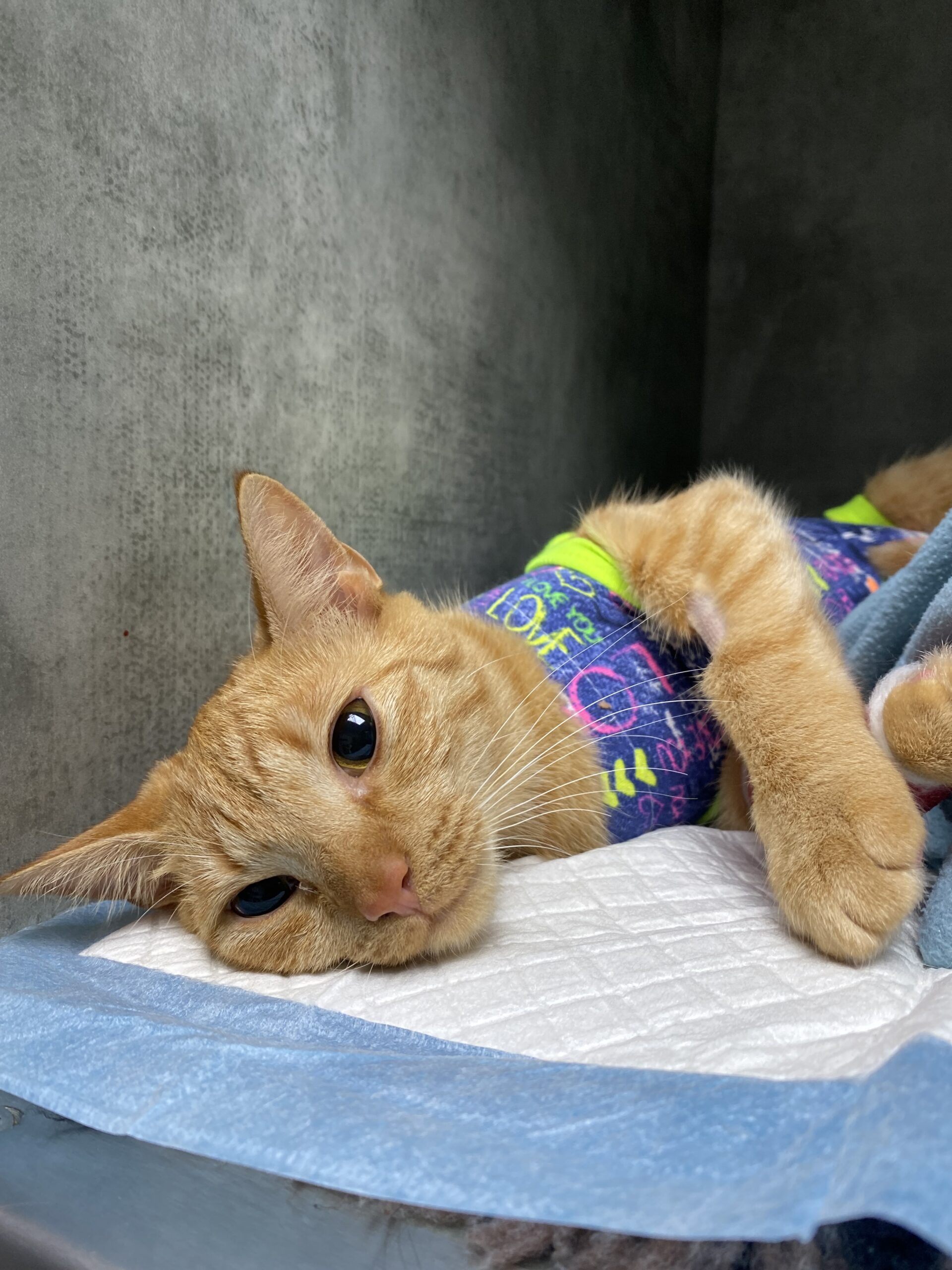
Hearing the diagnosis “kidney failure” is always frightening for owners. That is only natural, because the kidneys are the body’s key filter, and damage to them affects the workings of a cat’s entire body. It is worth knowing, however, that this diagnosis need not be a death sentence.
Modern veterinary medicine gives us powerful tools that allow a cat with diseased kidneys to live comfortably and contentedly for many years. The key to success, though, is understanding the enemy, catching the problem early and working closely with your veterinarian.
Acute versus chronic kidney failure – what is the difference?
Many owners think of kidney disease as a single condition, but in veterinary medicine we distinguish between two completely different states. They differ in their causes, their course and, above all, the chance of a full recovery.
1. Acute Kidney Failure
This comes on suddenly, often in young, healthy cats. The kidneys stop working from one day to the next. It is a life-threatening emergency that requires immediate treatment at a 24-hour clinic such as Zviropolis.
2. Chronic Kidney Failure
This is a slow process that develops over years and is typical of older, senior cats. The kidneys gradually lose their filtering capacity and simply wear out.
Symptoms of kidney disease – what should worry you?
The kidneys have a large functional reserve, which means symptoms only appear once a significant part of the organ has already been damaged. That is why vigilance is so important.
The most characteristic warning sign is increased thirst combined with increased urination.
If your cat has suddenly started drinking a lot of water and visits the litter tray more often, leaving large clumps of urine behind, do not put off a visit to the vet.
Other symptoms that should set alarm bells ringing are:
Diagnosis – why a blood test alone is not enough
We are often asked whether a blood count is enough. Unfortunately, when it comes to the kidneys, it is not. To make an accurate diagnosis and determine how advanced the disease is, we need three key tests:
At Zviropolis we have full laboratory and diagnostic facilities, which means we can carry out these tests on site, often in a single visit.
Treatment and renal diet – how to prolong your cat’s life
Treatment of a cat with kidney disease rests on two pillars: hydration and diet. The aim is to relieve the kidneys and flush out the toxins that the diseased organ can no longer remove on its own.
As supporting treatment, phosphate binders, blood-pressure-lowering drugs and kidney-protective supplements are used.
Can a cat with kidney disease be cured?
The answer depends on the type of failure. In the acute form, full kidney function can often be restored, provided we act quickly. In the chronic form we cannot repair the kidneys, but we can keep the disease under control.
A cat with chronic kidney failure that is under regular veterinary care, takes its medication and is on the right diet can live for years. The disease demands commitment from the owner, but it does not rob the cat of its joy in life. Our kidney patients still chase feather wands, purr on laps and enjoy the sunshine.
Prevention is cheaper than treatment
Many cases of kidney failure are detected too late, when the symptoms are already severe. That is why at the Zviropolis clinic we always encourage regular check-ups.
Once a year, give your cat a “service check” covering blood, urine and blood pressure, especially if your pet is already 7 or older. It is a simple step that could save its life.
Has your cat been drinking more water lately, or lost weight? Don’t wait for the symptoms to get worse. Book an appointment at Zviropolis. Our team is available around the clock to check on your friend’s kidneys.