

-

Parasitic diseases in rabbits: the commonest threats and how to prevent them
Coccidiosis, encephalitozoonosis, ear mange and cheyletiellosis are the parasitic diseases pet rabbits meet most often, and they can go unnoticed for a long time. We explain how they are diagnosed in the laboratory, how they are treated, and which hygiene, quarantine and feeding rules keep infection at bay.
-

How to protect your dog’s paws in winter
Frost, ice and road salt leave a dog's pads irritated, cracked and sometimes frostbitten every winter. We explain how to pick a route and a protective wax before the walk, how to rinse and dry the paws properly once you are home, and which signs mean it is time to call the veterinary clinic.
-

Horner’s syndrome in dogs and cats: signs, causes, diagnosis and treatment
A drooping eyelid, a smaller pupil and a visible third eyelid on one side add up to Horner's syndrome. It is not painful in itself and does not harm sight, but it often signals another, more serious condition underneath. We explain the causes, the diagnostic steps, the pharmacological tests and the treatment options.
What is inflammatory bowel disease in cats? What is IBD?
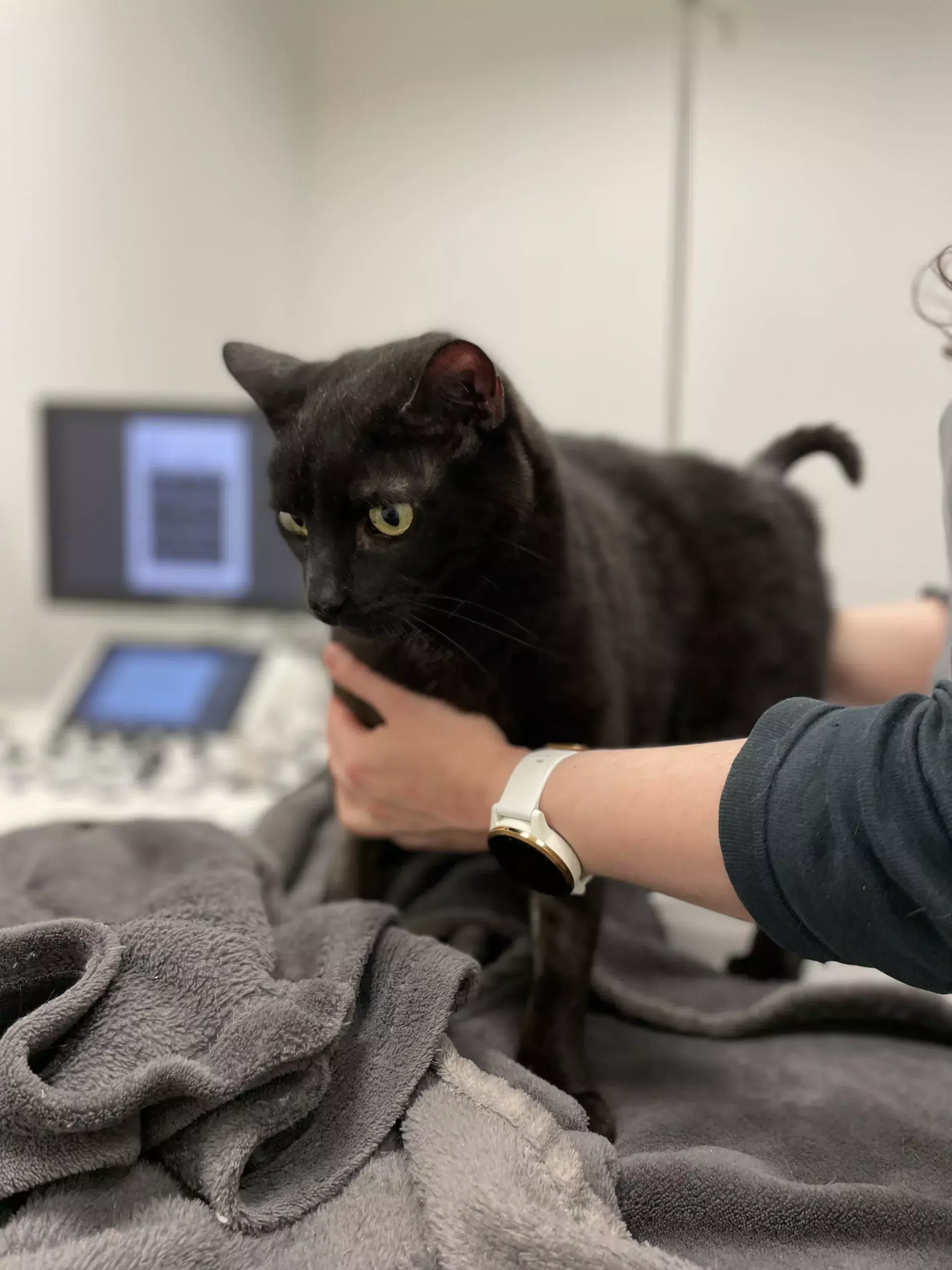
What is inflammatory bowel disease in cats?
The condition is known as Inflammatory Bowel Disease (IBD) and refers to a group of chronic diseases of the digestive tract.
The causes of IBD are unknown, but the disease is thought to have a genetic and immune background, arising as the body’s reaction against the lining of the gut. Stress factors may also trigger IBD. The disease has a significant impact on the cat’s daily life and can affect the small intestine, the large intestine or both at the same time.
What are the symptoms of IBD in cats?
The symptoms are fairly characteristic and include:
How is inflammatory bowel disease diagnosed in cats?
Diagnosis is a matter of ruling out other diseases. Parasitic diseases are considered first, by testing stool samples, and tests for viral diseases are ordered. Next, diseases of other organs, such as the kidneys, thyroid and liver, as well as cancer, are ruled out. To diagnose IBD, blood tests are needed, including a full blood count, biochemistry, vitamin B12 levels and pancreatic parameters. Food allergies, which can cause similar symptoms, should not be overlooked either.
A specialist ultrasound scan is carried out to assess the abdominal organs, the lining of the intestines and the thickness of the intestinal walls. A histopathological examination is performed to reach a definitive diagnosis.
How is IBD treated in cats?
The main treatment for this disease is an appropriate diet. To plan the cat’s meals, it is best to see a veterinary nutritionist and bring all the test results along. Based on these, the nutritionist can choose a suitable way of feeding the animal, select a new protein source and probiotics, and improve its quality of life. Medication is sometimes necessary, but that depends on the individual case.