

-
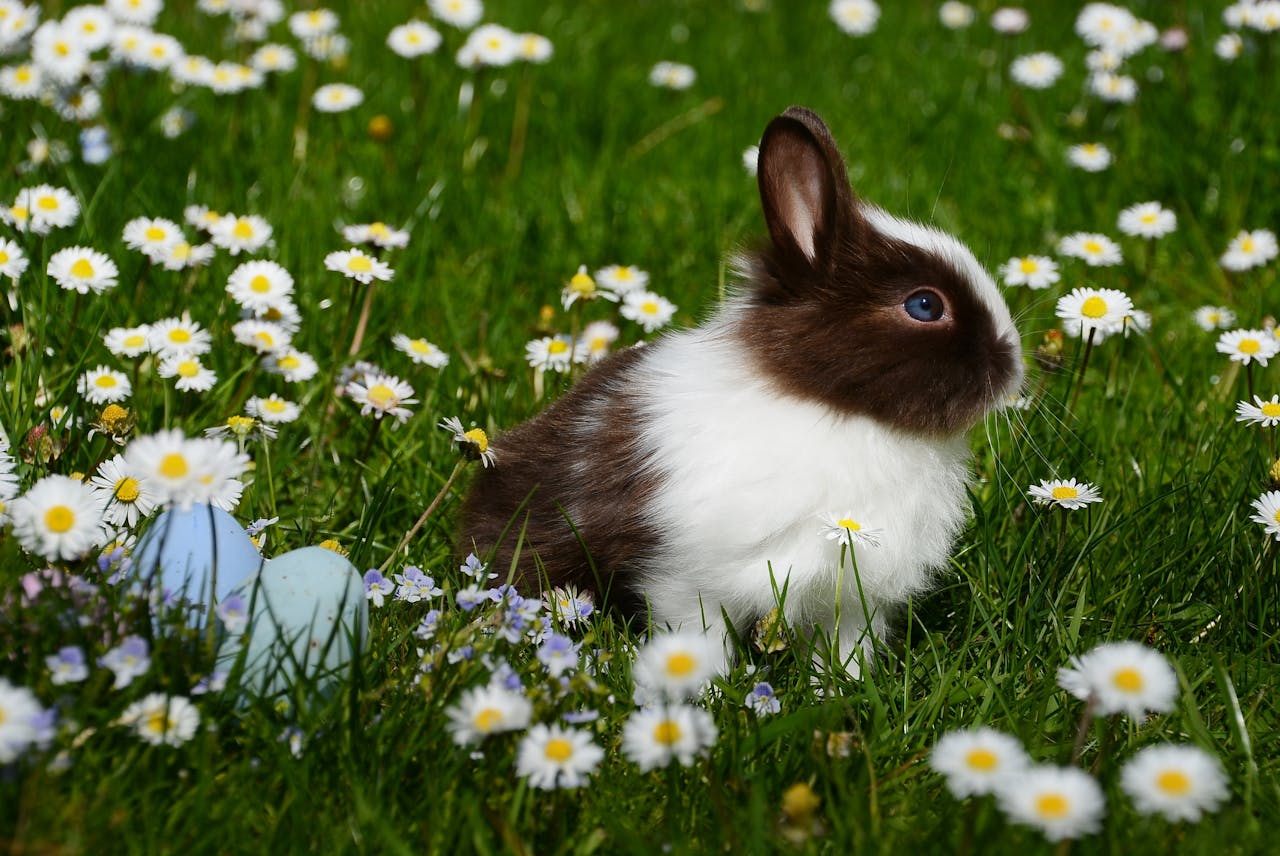
Parasitic diseases in rabbits: the commonest threats and how to prevent them
Coccidiosis, encephalitozoonosis, ear mange and cheyletiellosis are the parasitic diseases pet rabbits meet most often, and they can go unnoticed for a long time. We explain how they are diagnosed in the laboratory, how they are treated, and which hygiene, quarantine and feeding rules keep infection at bay.
-

How to protect your dog’s paws in winter
Frost, ice and road salt leave a dog's pads irritated, cracked and sometimes frostbitten every winter. We explain how to pick a route and a protective wax before the walk, how to rinse and dry the paws properly once you are home, and which signs mean it is time to call the veterinary clinic.
-
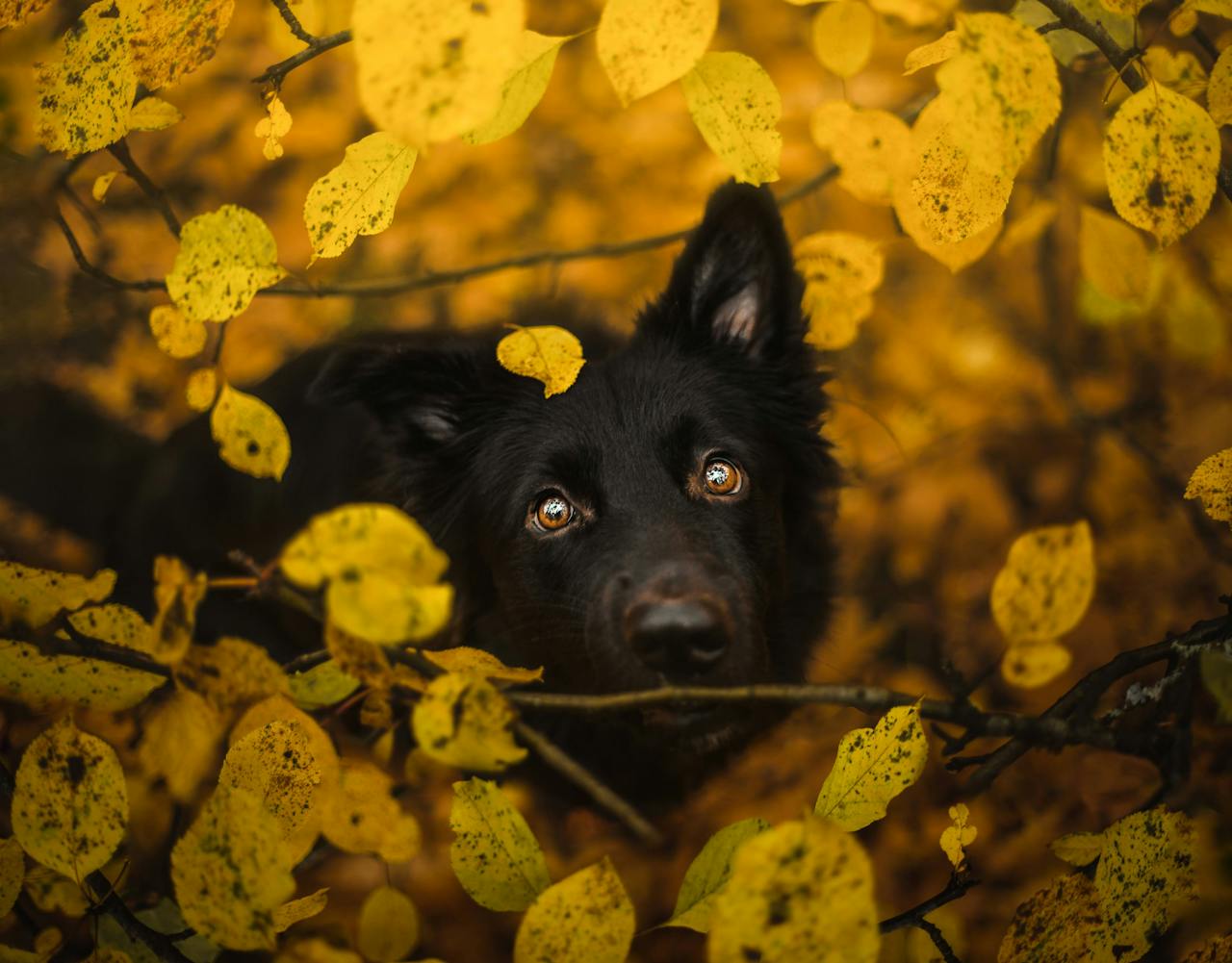
Horner’s syndrome in dogs and cats: signs, causes, diagnosis and treatment
A drooping eyelid, a smaller pupil and a visible third eyelid on one side add up to Horner's syndrome. It is not painful in itself and does not harm sight, but it often signals another, more serious condition underneath. We explain the causes, the diagnostic steps, the pharmacological tests and the treatment options.
What is Cushing’s disease in dogs?
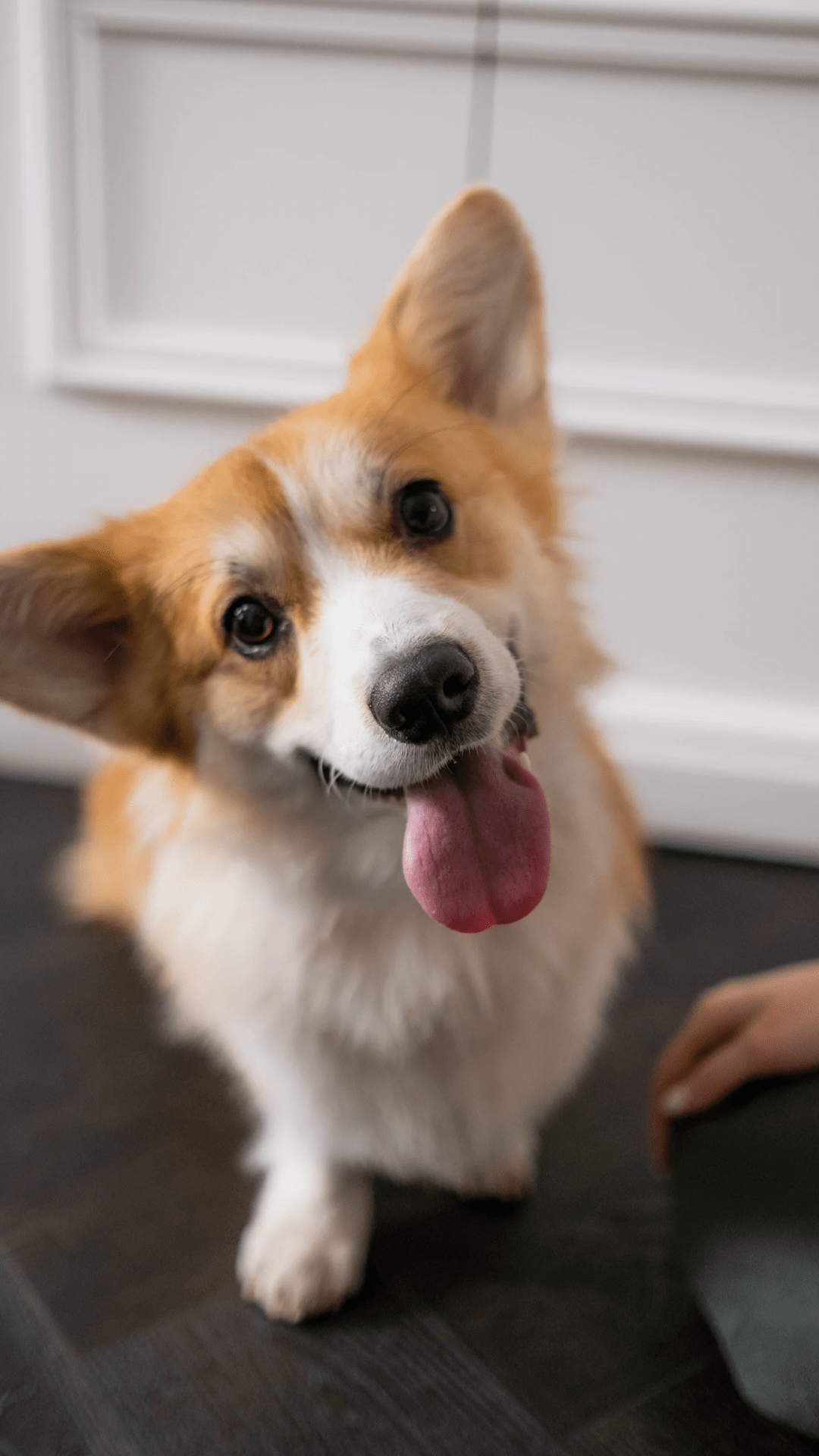
What is Cushing’s disease?
Cushing’s disease, also known as hypercortisolism, is one of the most common hormonal disorders in dogs. It is characterised by excessive production of cortisol, the stress hormone and metabolic regulator, which the adrenal glands cannot regulate on their own. The pituitary gland is responsible for keeping the right level of this hormone in the blood, instructing the adrenal glands to release cortisol. When the pituitary stops controlling its production and blood cortisol becomes too high, we speak of Cushing’s disease.
What causes Cushing’s disease in dogs?
The disease can have various causes. Most often it stems from a problem within the body itself, the so-called primary form, i.e. damage to the adrenal glands. In some dogs the disease is caused by tumours of the pituitary gland or of the adrenal glands themselves. A secondary cause may be long-term treatment with corticosteroids (anti-inflammatory drugs), which can also lead to an excess of cortisol.
What are the symptoms of Cushing’s disease in dogs?
The symptoms can vary and may also build up gradually. Bear in mind that the disease affects every dog differently: it all depends on the individual animal. Typical signs may include:
Unfortunately, Cushing’s disease encourages the development of other conditions, so spotting the symptoms early and starting treatment promptly can help avoid complications such as:
How is Cushing’s disease diagnosed in dogs?
Diagnosing Cushing’s disease relies on a series of tests. First, the veterinarian has to rule out other conditions that can cause similar symptoms. Blood tests are then carried out to measure cortisol levels. In addition, function tests using low doses of steroids are used to allow the vet to confirm the diagnosis.
How is Cushing’s disease treated in dogs?
Treatment of Cushing’s disease in dogs depends on the cause and how advanced the disease is. For primary Cushing’s, medication is usually prescribed to reduce the amount of cortisol produced.
For secondary Cushing’s, the corticosteroid drugs need to be gradually withdrawn.
Another treatment option is surgical removal of the adrenal glands if Cushing’s is caused by a tumour of that organ. This is, however, an advanced form of treatment, and the decision to operate rests with the vet in charge of the animal’s care.
If a dog is overweight, it is important to consult a nutritionist. With the right diet, it is possible to control the animal’s weight and blood sugar levels and reduce the strain on the adrenal glands. The key points are limiting sugar intake and making sure the dog drinks plenty of water.
Cushing’s disease in dogs is a chronic condition, which means that a complete cure is not possible. Today’s treatments and veterinary care do, however, keep the symptoms under control and give dogs a good quality of life. The aim of treatment is to lower the level of cortisol in the blood or to reduce its effects on the dog.
If your dog has Cushing’s disease and you have questions specific to your own pet, every vet at Zviropolis will be happy to answer them.