

-
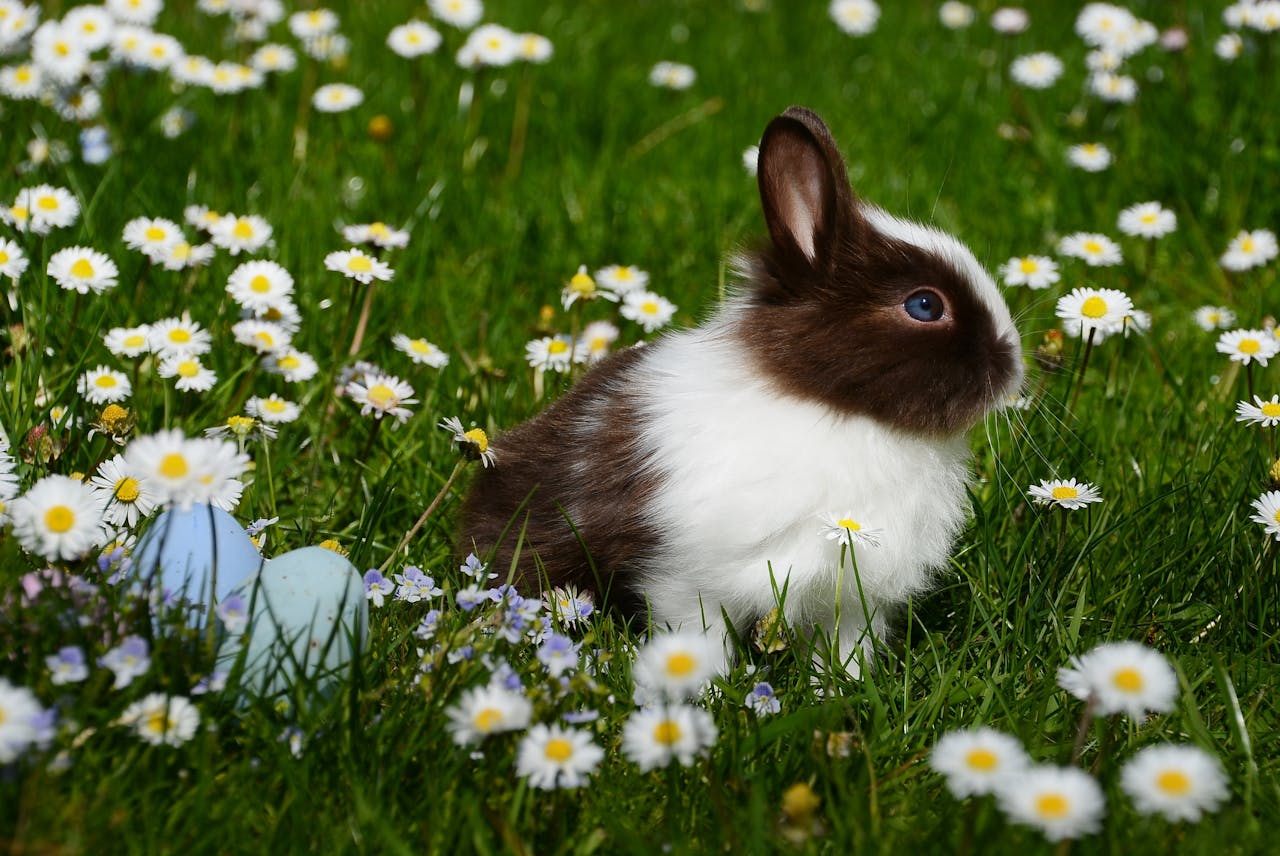
Parasitic diseases in rabbits: the commonest threats and how to prevent them
Coccidiosis, encephalitozoonosis, ear mange and cheyletiellosis are the parasitic diseases pet rabbits meet most often, and they can go unnoticed for a long time. We explain how they are diagnosed in the laboratory, how they are treated, and which hygiene, quarantine and feeding rules keep infection at bay.
-

How to protect your dog’s paws in winter
Frost, ice and road salt leave a dog's pads irritated, cracked and sometimes frostbitten every winter. We explain how to pick a route and a protective wax before the walk, how to rinse and dry the paws properly once you are home, and which signs mean it is time to call the veterinary clinic.
-
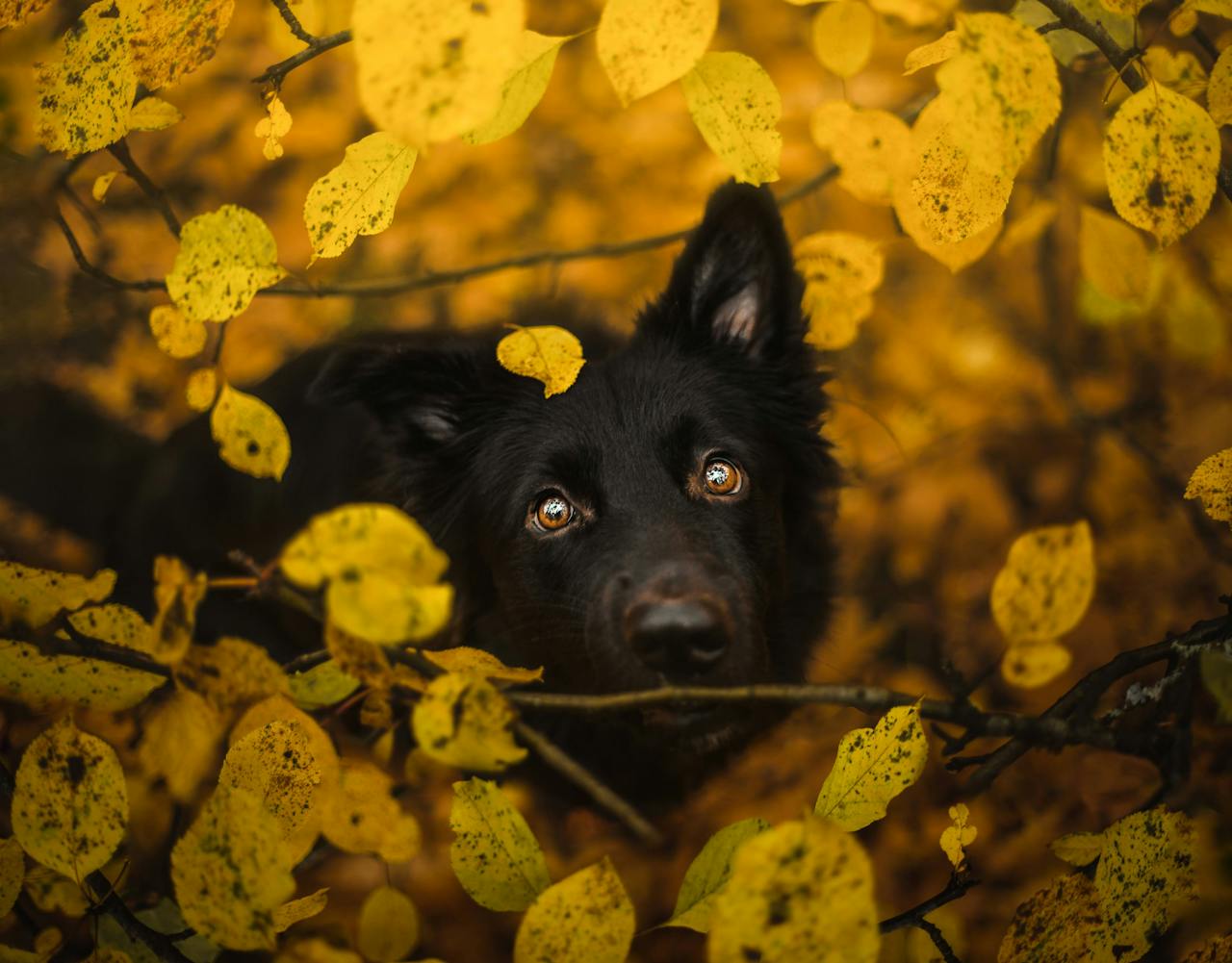
Horner’s syndrome in dogs and cats: signs, causes, diagnosis and treatment
A drooping eyelid, a smaller pupil and a visible third eyelid on one side add up to Horner's syndrome. It is not painful in itself and does not harm sight, but it often signals another, more serious condition underneath. We explain the causes, the diagnostic steps, the pharmacological tests and the treatment options.
What is a veterinary dentist?
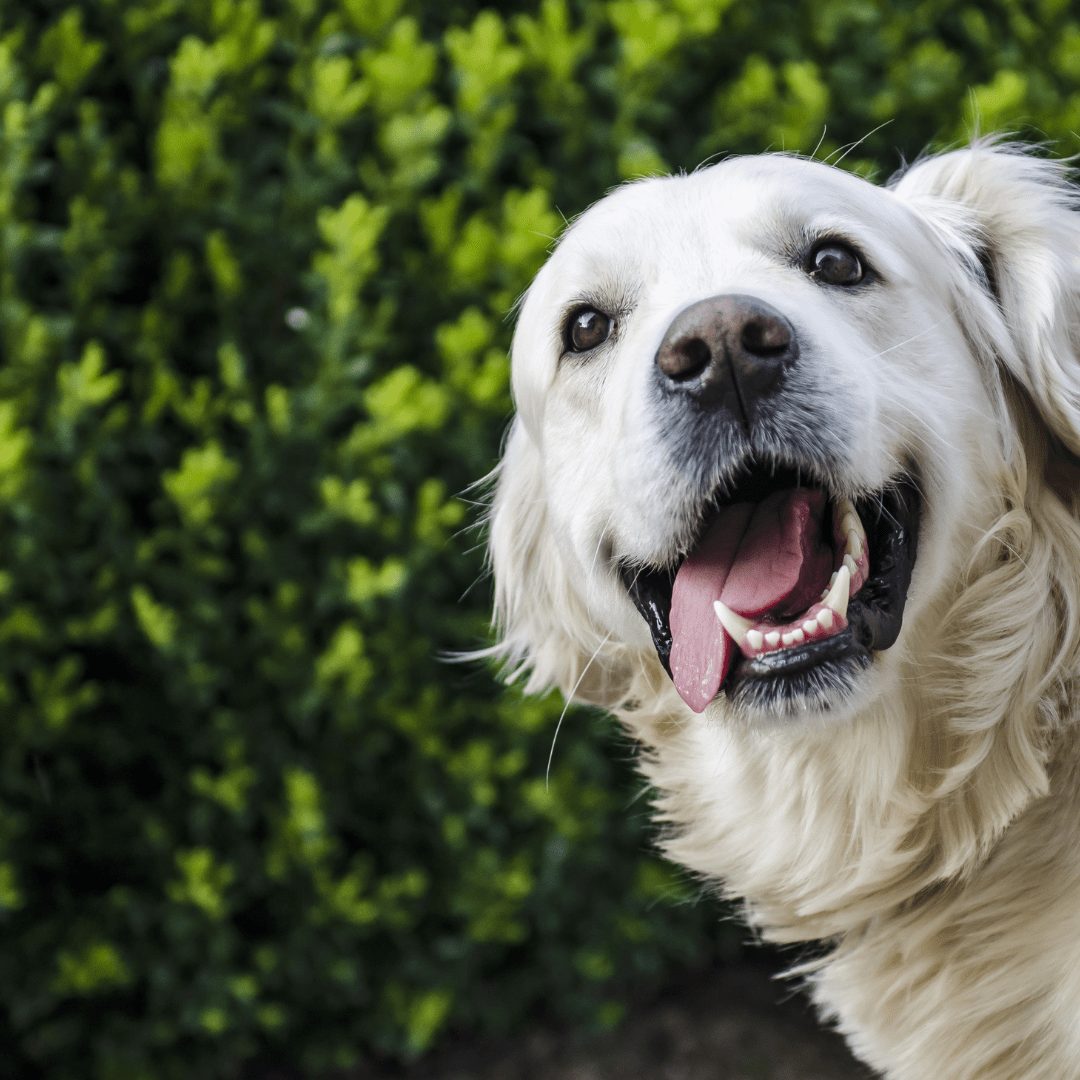
What is a dentist for animals?
A dentist for dogs and cats is also known as a veterinary dentist or dental vet. This is a veterinarian who specialises in dental care for animals and works with both dogs and cats. A veterinary dentist diagnoses, prevents and treats problems affecting the mouth and teeth of animals.
What does a dentist for dogs and cats do?
Just as in people, a healthy mouth is essential to an animal’s overall health and wellbeing. A veterinary dentist carries out:
These procedures are carried out using specialist equipment suited to the needs and size of the individual animal. Bear in mind that all procedures are performed under general anaesthesia, for the comfort of the animal and the safety of clinic staff.
Why does cooperation between vet and owner matter?
It is important for owners to take their pets regularly to a vet who deals with dentistry, for routine oral check-ups and to prevent potential dental problems. Good oral hygiene habits can also be established at home, for example by brushing your pet’s teeth regularly with a toothbrush and special toothpaste designed for animals.
It is worth stressing that responsibility for an animal’s oral health lies first and foremost with the owner, but when needed, a vet can provide professional dental care for pets. During the visit, the owner can also receive advice on appropriate oral hygiene tailored to their particular animal.
When should you book a dental consultation?
Regular dental visits are important for your pet’s oral health. At every appointment, vets also look at the teeth as part of the clinical examination, but owners should keep an eye on the state of their pet’s teeth themselves and watch out for potential problems. Things to look out for:
If you notice any of the problems above, see a vet so that the right treatment can be arranged.
Looking after your dog’s oral health is essential to maintaining its overall health and wellbeing. Dental problems can affect a dog’s health and make everyday life harder. That is why it is worth taking your cat or dog to the dentist regularly, to make sure your pet gets the care it needs.