
-

Parasitic diseases in rabbits: the commonest threats and how to prevent them
Coccidiosis, encephalitozoonosis, ear mange and cheyletiellosis are the parasitic diseases pet rabbits meet most often, and they can go unnoticed for a long time. We explain how they are diagnosed in the laboratory, how they are treated, and which hygiene, quarantine and feeding rules keep infection at bay.
-

How to protect your dog’s paws in winter
Frost, ice and road salt leave a dog's pads irritated, cracked and sometimes frostbitten every winter. We explain how to pick a route and a protective wax before the walk, how to rinse and dry the paws properly once you are home, and which signs mean it is time to call the veterinary clinic.
-

Horner’s syndrome in dogs and cats: signs, causes, diagnosis and treatment
A drooping eyelid, a smaller pupil and a visible third eyelid on one side add up to Horner's syndrome. It is not painful in itself and does not harm sight, but it often signals another, more serious condition underneath. We explain the causes, the diagnostic steps, the pharmacological tests and the treatment options.
What Is a Thyroid Ultrasound Scan?
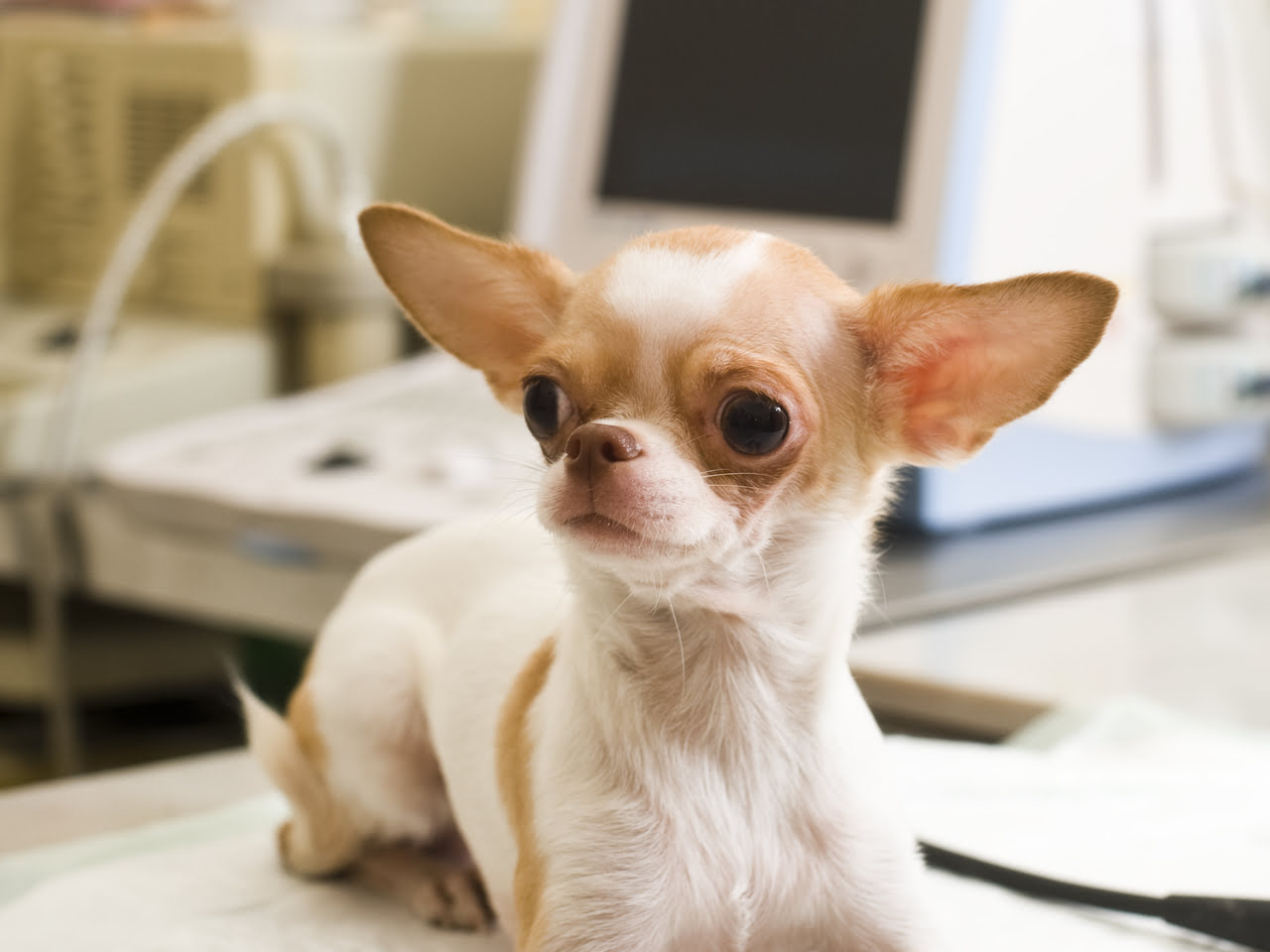
Ultrasound examination of the thyroid gland is one of the key diagnostic tools in veterinary medicine, particularly for animals suspected of having hormonal problems. Ultrasound is an imaging technique that uses sound waves to create pictures of the body’s internal structures. In the case of the thyroid, the scan allows the vet to assess the size of the gland and identify pathological changes such as nodules, cysts or signs of inflammation. The examination is safe, non-invasive and does not require anaesthesia, which makes it an ideal choice for diagnosing thyroid disease.
When is a thyroid ultrasound indicated?
An ultrasound scan of this organ is always ordered by the treating vet. The most common reasons for referring a patient for this specialist examination are:
In addition, owners may notice certain signs themselves that could point to a thyroid problem. Symptoms that should prompt a visit to the vet include:
What does a thyroid ultrasound involve?
The patient is usually placed on its back or side on a special table so that it is comfortably positioned for the scan. Before starting, the vet applies ultrasound gel to the neck area, which improves the transmission of sound waves.
During the examination the veterinarian moves the probe along the neck to obtain images of the thyroid and the surrounding tissues. The whole procedure usually takes between 15 and 30 minutes.
Once the scan is complete, the specialist interprets the results and discusses any abnormalities with the owner. This examination makes it possible to detect health problems early and start appropriate treatment.
What happens if the ultrasound shows an abnormality?
If the results point to an abnormality, the vet will recommend further diagnostic steps. These may include additional tests such as a biopsy or extended blood tests, or the start of drug treatment.
If the ultrasound shows that the thyroid gland is significantly enlarged or has structural changes, and this is accompanied by symptoms of hypothyroidism (such as obesity, weakness or a dull coat), the vet may recommend blood tests to assess thyroid hormone levels. If hypothyroidism is confirmed, treatment usually involves daily medication. Regular check-ups and monitoring of hormone levels are key to the success of therapy.
If, on the other hand, the ultrasound reveals tumours or cysts in the thyroid and the animal shows signs of hyperthyroidism (such as excessive thirst, increased appetite or weight loss), the next steps may include a biopsy or further imaging. Hyperthyroidism is less common in dogs but frequently affects cats. Treatment for hyperthyroidism may include medication, radioactive iodine and, in some cases, surgical removal of part of the thyroid.
If the ultrasound reveals nodules within the thyroid, the vet may order a biopsy to determine whether they are cancerous. In the case of cancer, further steps may include surgical removal of the tumour, chemotherapy or other treatments, depending on the type of tumour and its stage
Sometimes an ultrasound may reveal non-specific changes in the thyroid that are not necessarily a cause for concern straight away. In such cases the vet may recommend regular check-ups and observation of the animal, as well as repeating the scan in a few months to monitor any changes.
Summary
A thyroid ultrasound is an extremely valuable diagnostic tool that allows health problems in animals to be detected and treated early. Thanks to its non-invasive nature and accuracy, ultrasound has become a key part of assessing thyroid and overall health in animals. If you notice worrying symptoms in your pet, do not hesitate to consult a vet and consider a thyroid ultrasound. Remember that early diagnosis can significantly improve your animal’s quality of life.