

-
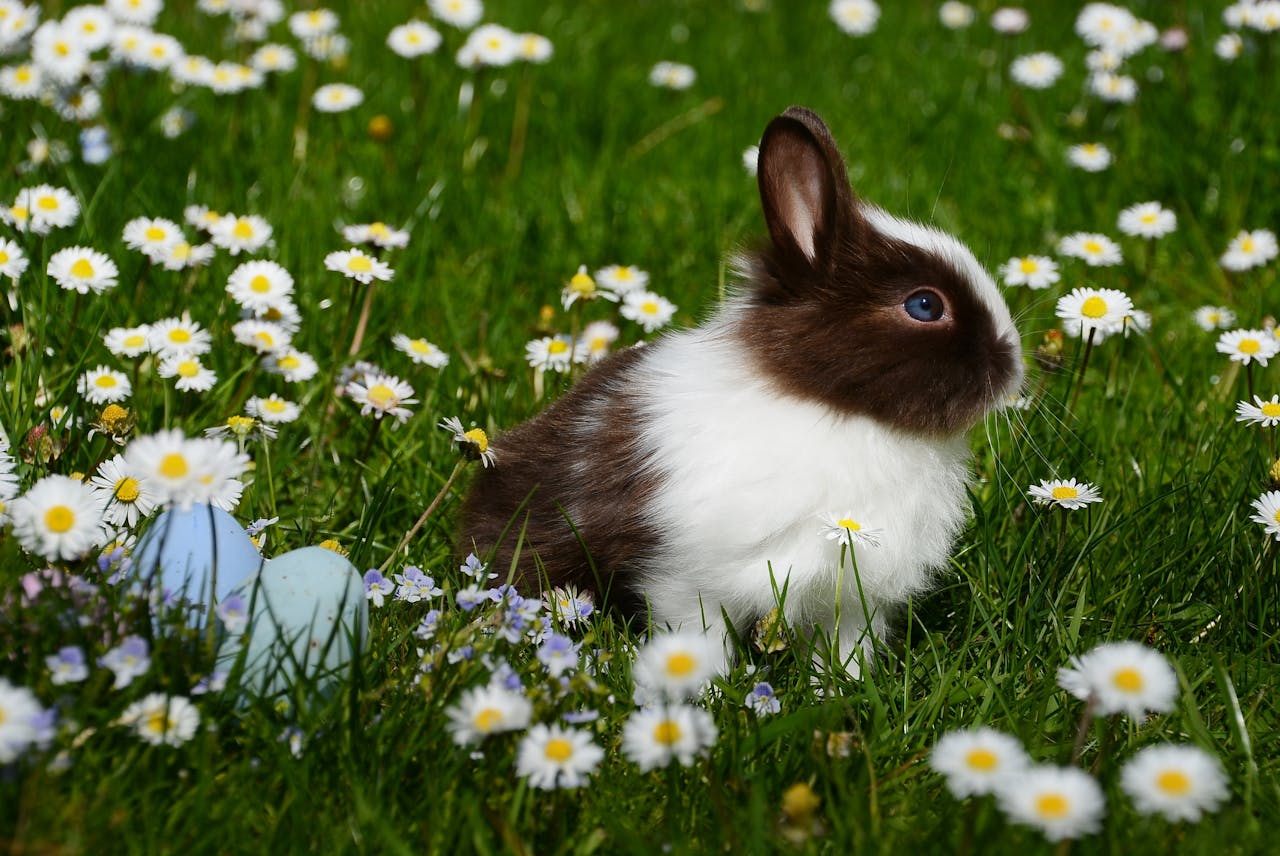
Parasitic diseases in rabbits: the commonest threats and how to prevent them
Coccidiosis, encephalitozoonosis, ear mange and cheyletiellosis are the parasitic diseases pet rabbits meet most often, and they can go unnoticed for a long time. We explain how they are diagnosed in the laboratory, how they are treated, and which hygiene, quarantine and feeding rules keep infection at bay.
-

How to protect your dog’s paws in winter
Frost, ice and road salt leave a dog's pads irritated, cracked and sometimes frostbitten every winter. We explain how to pick a route and a protective wax before the walk, how to rinse and dry the paws properly once you are home, and which signs mean it is time to call the veterinary clinic.
-
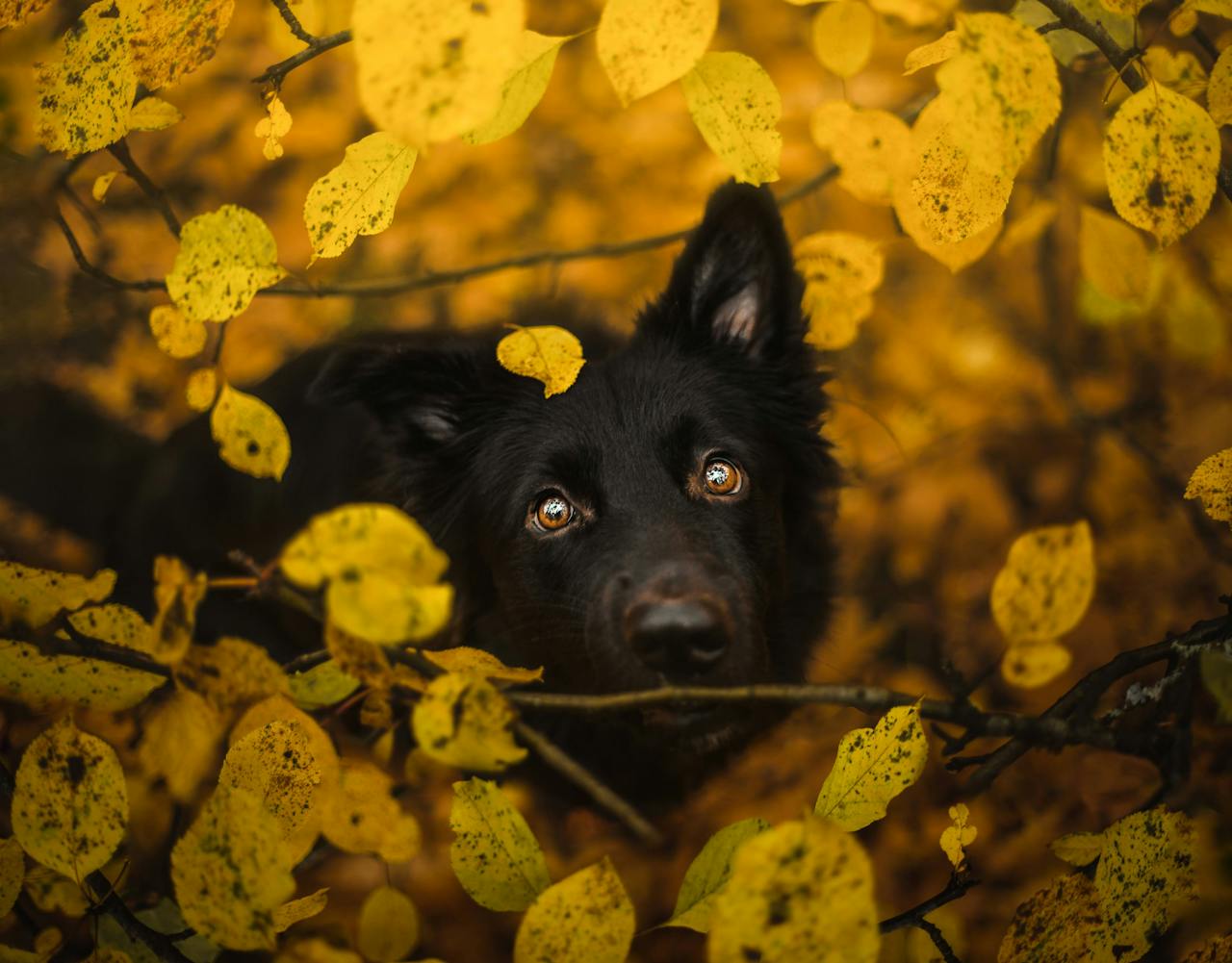
Horner’s syndrome in dogs and cats: signs, causes, diagnosis and treatment
A drooping eyelid, a smaller pupil and a visible third eyelid on one side add up to Horner's syndrome. It is not painful in itself and does not harm sight, but it often signals another, more serious condition underneath. We explain the causes, the diagnostic steps, the pharmacological tests and the treatment options.
What is a dental cleaning for dogs?
Do dogs need their teeth cleaned?
Whether we mean brushing your pet’s teeth with a toothbrush or a professional dental cleaning, the answer is always the same: YES!
Tartar building up on the teeth is an accumulation of bacteria, which causes:
The best way to prevent tartar build-up is regular brushing with special toothpaste designed for animals. Sometimes, however, this is not enough, and then a professional dental cleaning is essential.
What can tartar cause?
The consequences of heavily soiled teeth can be very harmful to an animal’s health. Tartar is dental plaque that has hardened into a solid bacterial deposit. If proper oral hygiene is not maintained, layers of plaque build up on top of one another, forming a hard coating that interferes with normal function.
What does a dental cleaning for a dog or cat involve?
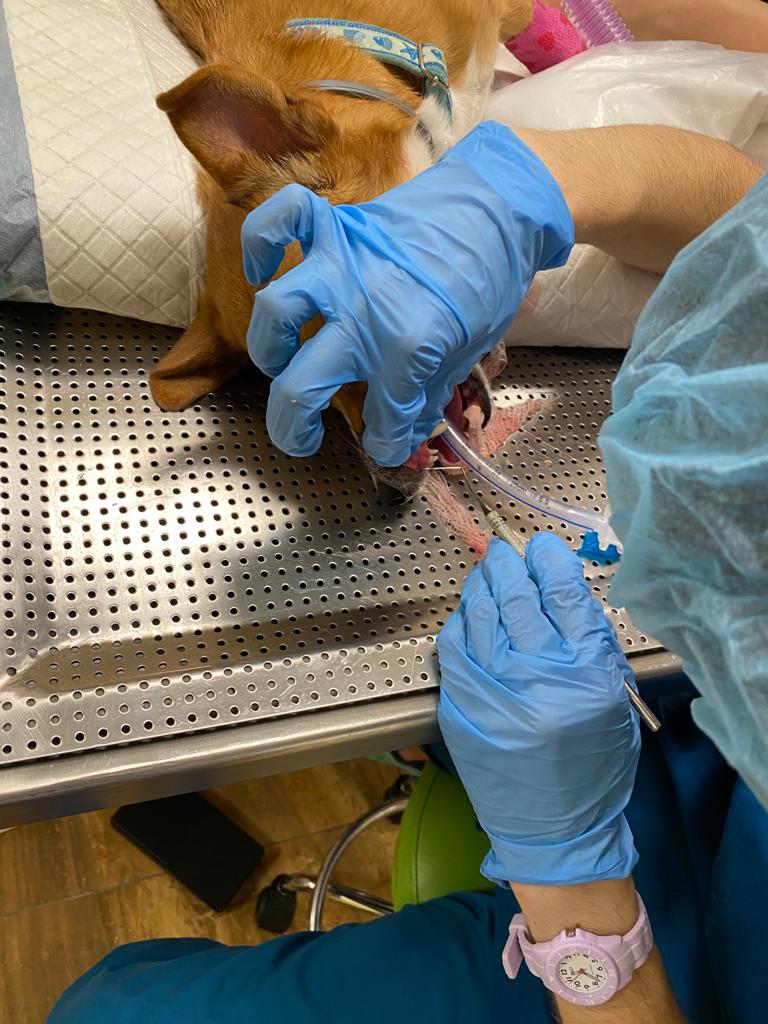
This procedure should be carried out only by a veterinarian. The vet is able to assess the condition of each tooth and decide whether to keep or extract it. The cleaning must be done under general anaesthesia, as this is the only way to clean the teeth thoroughly. Without it, hardly any animal would allow tartar to be removed. Anaesthesia also minimises unpleasant memories of the whole procedure. It is safer both for the patient and for the clinic staff.
The plaque itself is removed with special ultrasonic equipment. Dental X-rays are used during the procedure to assess the internal condition of the teeth.
How long the cleaning takes depends on how much tartar has built up.
The procedure requires preparation in the form of up-to-date blood tests and, in addition, an echocardiogram. The animal must be fasted on the day of the procedure.
How to care for your pet after a dental cleaning?
When you collect your pet after the procedure, at Zviropolis the owner always receives aftercare instructions, and everything is explained in detail.
After the procedure, we always ask you to provide a quiet and calm place because of the anaesthesia. Soft food is recommended for the first week, but if your pet normally eats dry food, it can be soaked.
We also give instructions straight away on proper oral hygiene and select products such as toothpaste, a toothbrush and an oral hygiene rinse.
If the procedure also involved extractions (tooth removal), painkillers are dispensed.
After every procedure, we always ask you to come in for a follow-up to check how the patient is feeling.