

-
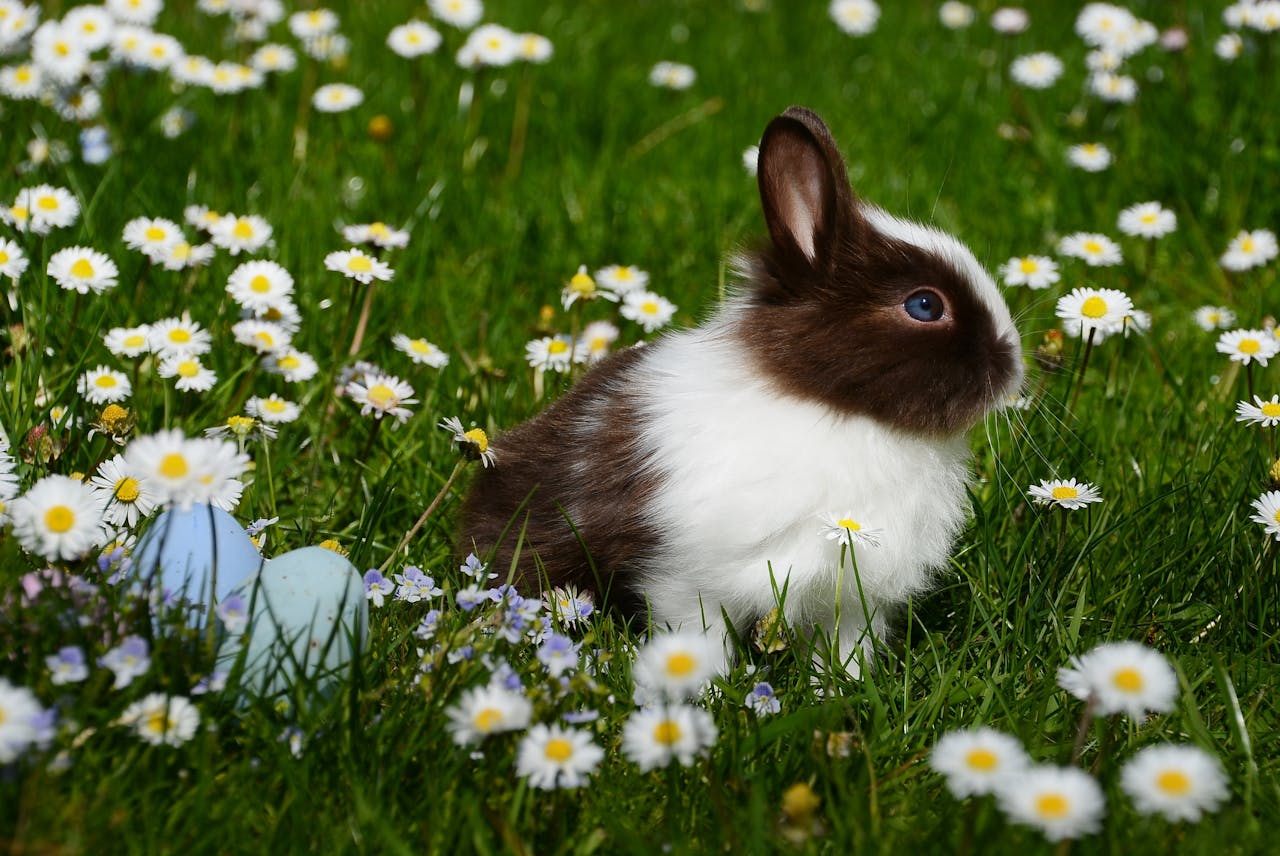
Parasitic diseases in rabbits: the commonest threats and how to prevent them
Coccidiosis, encephalitozoonosis, ear mange and cheyletiellosis are the parasitic diseases pet rabbits meet most often, and they can go unnoticed for a long time. We explain how they are diagnosed in the laboratory, how they are treated, and which hygiene, quarantine and feeding rules keep infection at bay.
-
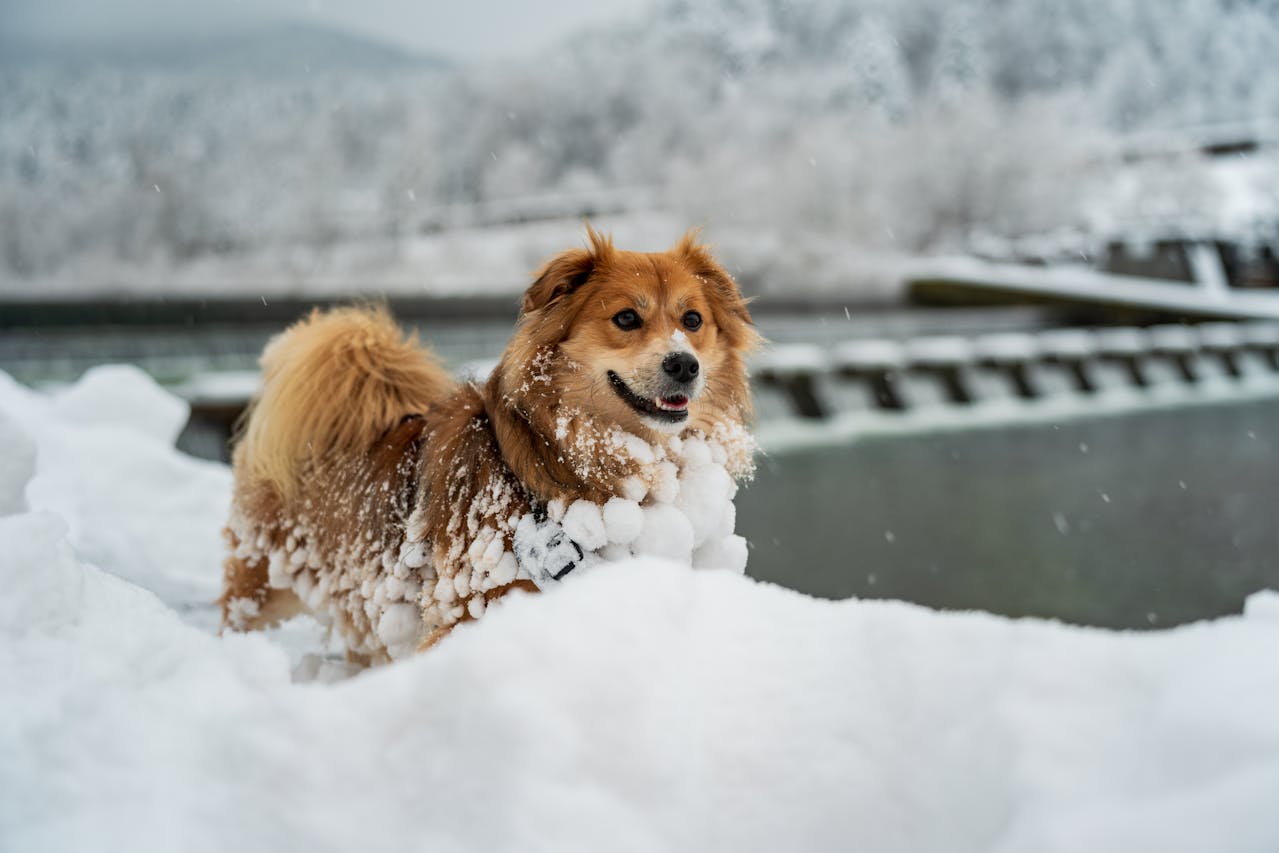
How to protect your dog’s paws in winter
Frost, ice and road salt leave a dog's pads irritated, cracked and sometimes frostbitten every winter. We explain how to pick a route and a protective wax before the walk, how to rinse and dry the paws properly once you are home, and which signs mean it is time to call the veterinary clinic.
-
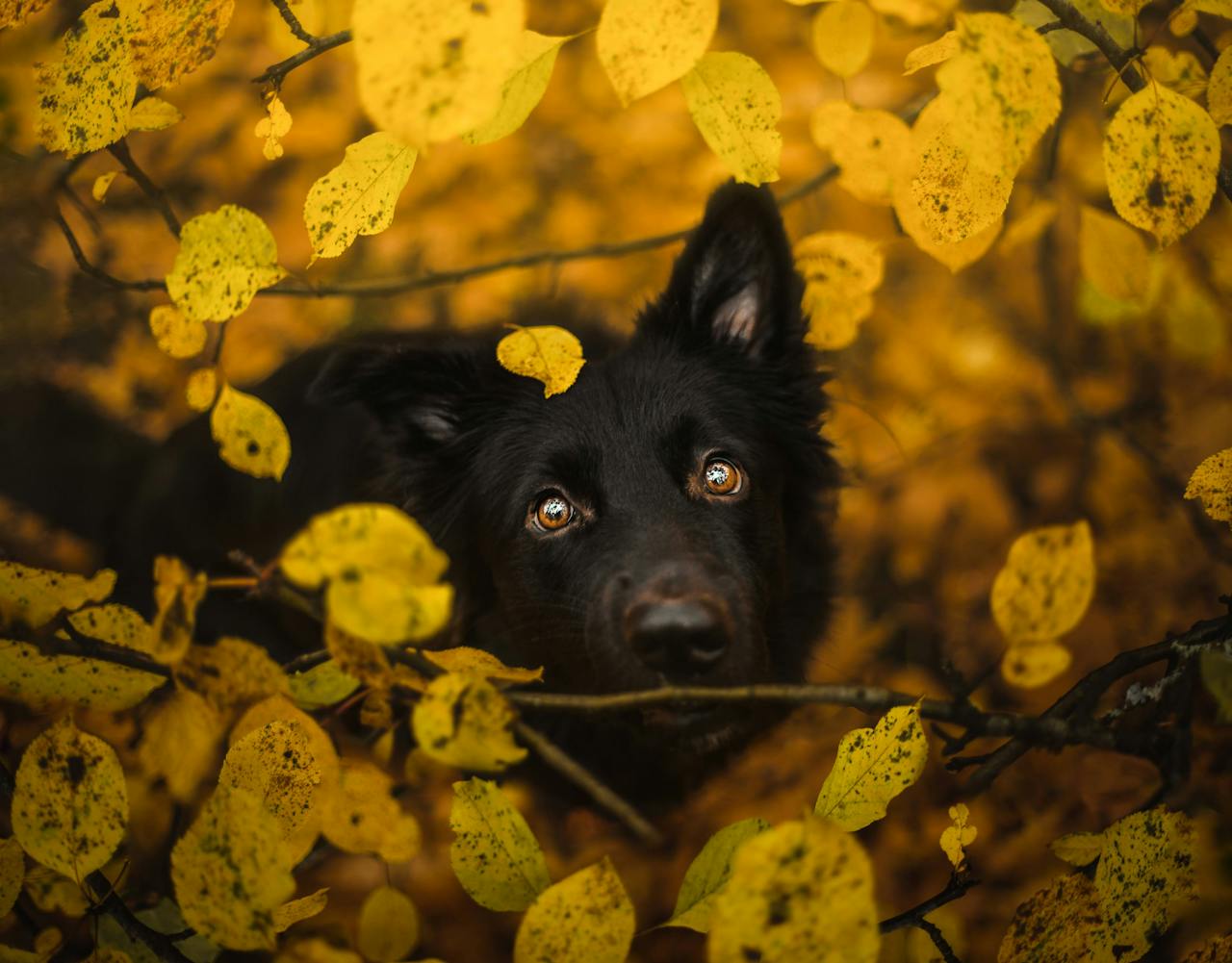
Horner’s syndrome in dogs and cats: signs, causes, diagnosis and treatment
A drooping eyelid, a smaller pupil and a visible third eyelid on one side add up to Horner's syndrome. It is not painful in itself and does not harm sight, but it often signals another, more serious condition underneath. We explain the causes, the diagnostic steps, the pharmacological tests and the treatment options.
The Challenges of Caring for Senior Pets: How to Keep Them Comfortable
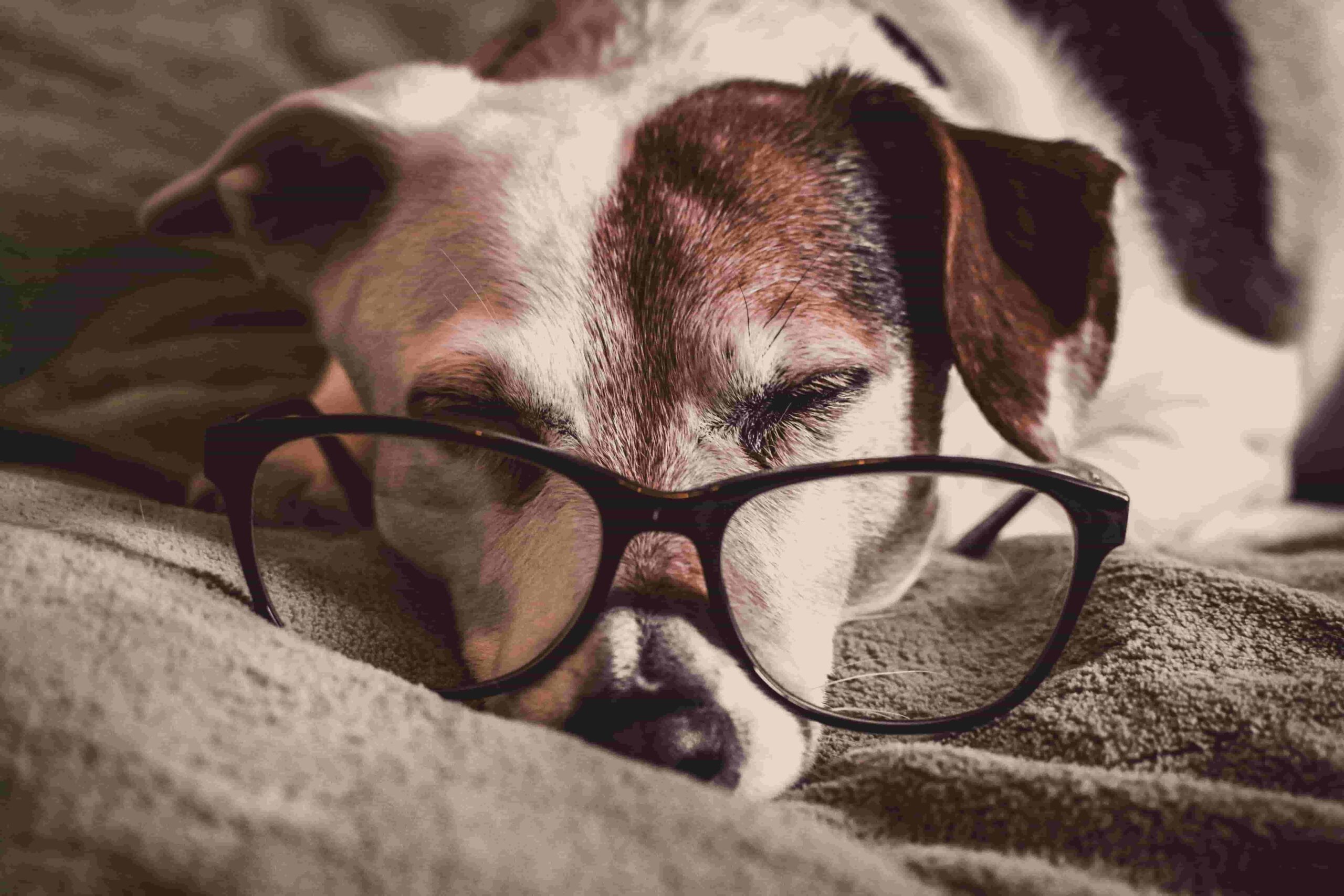
Caring for senior pets is a challenge that calls for an understanding of their emotional needs as well as their health needs. As animals age, their bodies go through a series of changes that can affect their quality of life.
Understanding the changes in the body
Ageing in pets, just as in people, brings many physical and behavioural changes. Over the years, the joints degenerate, which can lead to pain, stiffness and difficulty moving around. Problems with sight or hearing are also common and can cause confusion and anxiety.
An increased risk of chronic conditions such as diabetes, cardiovascular disease and cancer also presents owners with additional challenges. Owners should be aware of these changes and consult their vet regularly to keep track of their pet’s health.
How to look after your pet in their senior years
Diet plays an extremely important role in keeping senior animals healthy and comfortable. With age, their metabolism changes, which affects both their calorie needs and the kind of nutrients they require. Above all, the diet should be rich in high-quality protein to help maintain muscle mass, since animals can lose muscle tissue as they get older. Choose foods that contain animal protein sources such as chicken, turkey, fish or lamb.
At the same time, it is advisable to limit the amount of fat in the diet, as older animals tend to put on weight, which can lead to joint problems and cardiovascular disease. It is also worth adding omega-3 fatty acids, which support joint health and improve the condition of the coat. A high fibre content matters too, as it helps keep the digestive system working properly and minimises the risk of constipation, which older animals can be prone to.
Senior animals can also benefit from a diet enriched with vitamins and minerals, such as vitamin E, B vitamins and minerals like calcium and phosphorus, which support bone health and the nervous system. Hydration is important as well: older animals are more prone to dehydration, so access to fresh, clean water is essential.
As they age, many animals experience a drop in energy and mobility, which can lead to muscle weakness, obesity and joint problems. That is why it is important for owners to provide regular exercise suited to their pet’s abilities, to help them stay in good condition.
Activity not only supports cardiovascular health, but also helps keep the joints flexible and maintain a healthy body weight. While intense workouts may not be advisable for older animals, short walks, games in the garden and gentle exercise can be enough to keep their bodies active. Walks at a moderate pace are ideal, allowing animals to enjoy their surroundings without putting too much strain on their bodies.
It is also worth varying the activities so they stay interesting for your pet. You can use toys that require interaction, or take different walking routes. For dogs, age-appropriate sports such as agility (with obstacles) or nose work (scent searching) are particularly helpful, as they stimulate the mind as well.
The first step in adapting your space is to make sure the bed and resting spots are easy to reach. It is worth investing in a well-padded bed placed in a quiet, peaceful spot, away from noise and the bustle of the household. A suitable bed should be low, so that older animals can get in easily, and should support their joints to reduce discomfort while lying down.
Another important change is removing obstacles that could pose a safety risk. Taking away rugs that can cause slips, along with any other unnecessary items in the walkways, will help your pet move freely around the home. In addition, if your animal struggles with stairs, consider installing ramps or steps to make it easier for them to reach their favourite spots, such as the sofa or the bed.
As for extra conveniences, consider putting platforms in the places where your pet spends a lot of time, such as by windows or armchairs. This will let them watch the world safely. Making water easier to reach, for instance by placing the bowl at a suitable height, will also make drinking easier, especially if the animal has trouble moving around.
As they age, animals may experience various changes in behaviour and mood, which can lead to stress, anxiety or depression. This is often the result of losing close companions (other animals or people), a change of surroundings, or physical limitations that affect their ability to interact with the world around them. To support their emotional wellbeing, create a stable, safe environment. A predictable, consistent daily routine will help your pet feel more secure. Plenty of interaction with the owner and other close people can greatly improve their mood. Time spent actively together, whether playing, cuddling or going for walks, strengthens the bond and has a positive effect on their emotional health.
Do not ignore signs that may point to stress or anxiety, such as a change in appetite, excessive vocalisation or hiding away. In such cases, it is worth consulting your vet, who can recommend a suitable approach, including relaxation techniques such as massage or aromatherapy, which may help reduce anxiety.
Regular vet visits for older animals
As animals grow older, they become more susceptible to a range of ailments and chronic diseases, such as heart disease, digestive problems, diabetes and cancer. Regular check-ups make it possible to detect potential health problems early, which significantly improves the chances of successful treatment and a better quality of life.
Typically, senior animals should be taken to the vet at least every six months. During these visits, the veterinarian can carry out a comprehensive examination, including blood tests to assess organ function, metabolism and the animal’s overall health. Diagnostic imaging such as ultrasound or X-rays may also be recommended if a condition is suspected.
It is also worth talking to your vet about the best diet and exercise plan, especially if your animal has particular health issues. The specialist may recommend changes to the diet, adding supplements or adjusting the amount of exercise, all of which will help you look after your pet’s health more effectively.
Summary
Caring for senior pets is a considerable challenge that requires special attention, empathy and commitment from their owners. The changes that ageing brings to our pets’ bodies can affect their physical and mental health as well as their overall quality of life. Key elements such as a suitable diet, regular exercise, a comfortable environment and vet visits play a fundamental role in giving older animals a happy and healthy life.
We encourage every pet owner to pay extra attention to their furry companions, especially as they enter their golden years. Let us remember that seniors, just like people, deserve special care and support.