

-
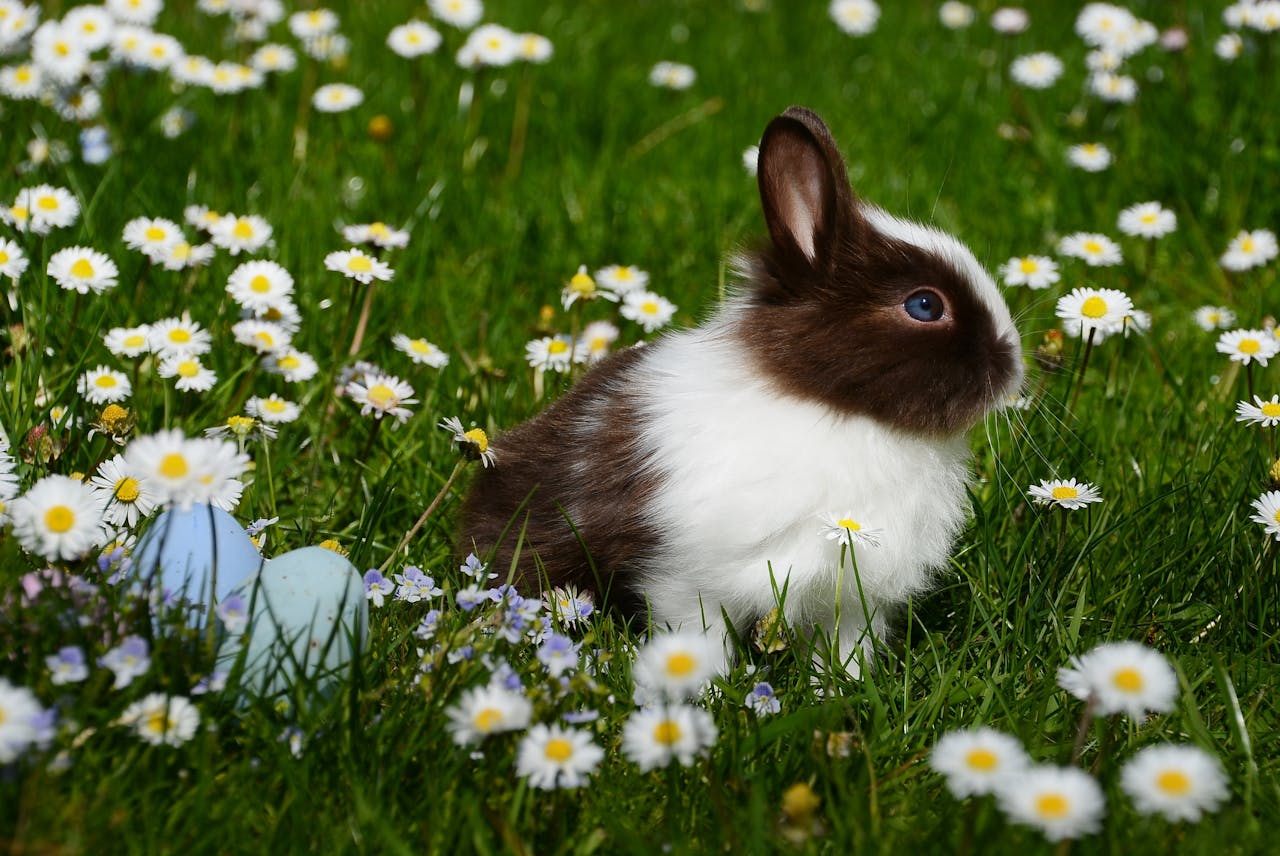
Parasitic diseases in rabbits: the commonest threats and how to prevent them
Coccidiosis, encephalitozoonosis, ear mange and cheyletiellosis are the parasitic diseases pet rabbits meet most often, and they can go unnoticed for a long time. We explain how they are diagnosed in the laboratory, how they are treated, and which hygiene, quarantine and feeding rules keep infection at bay.
-
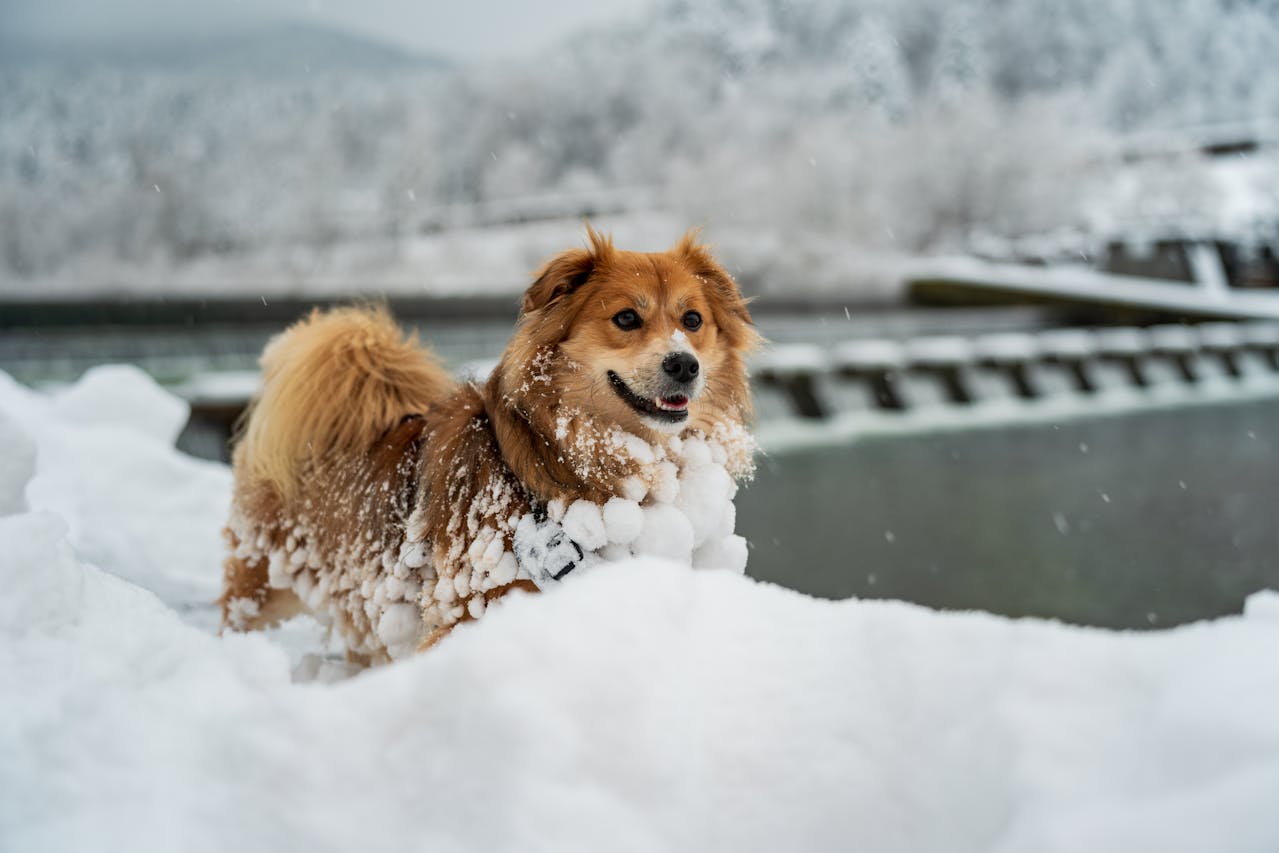
How to protect your dog’s paws in winter
Frost, ice and road salt leave a dog's pads irritated, cracked and sometimes frostbitten every winter. We explain how to pick a route and a protective wax before the walk, how to rinse and dry the paws properly once you are home, and which signs mean it is time to call the veterinary clinic.
-
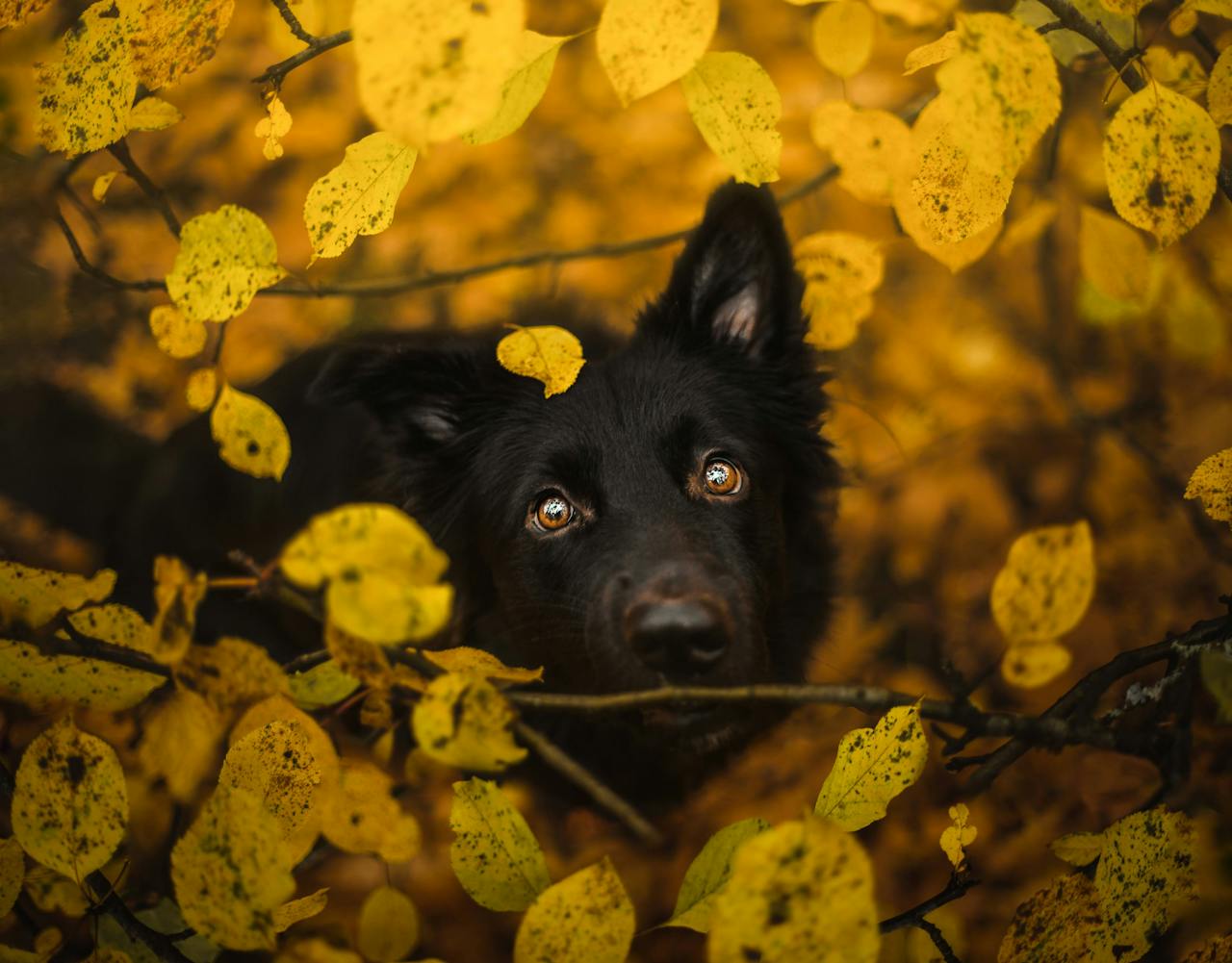
Horner’s syndrome in dogs and cats: signs, causes, diagnosis and treatment
A drooping eyelid, a smaller pupil and a visible third eyelid on one side add up to Horner's syndrome. It is not painful in itself and does not harm sight, but it often signals another, more serious condition underneath. We explain the causes, the diagnostic steps, the pharmacological tests and the treatment options.
Stimulating Your Dog’s Sense of Smell: Creative Games and Home-Made Solutions!
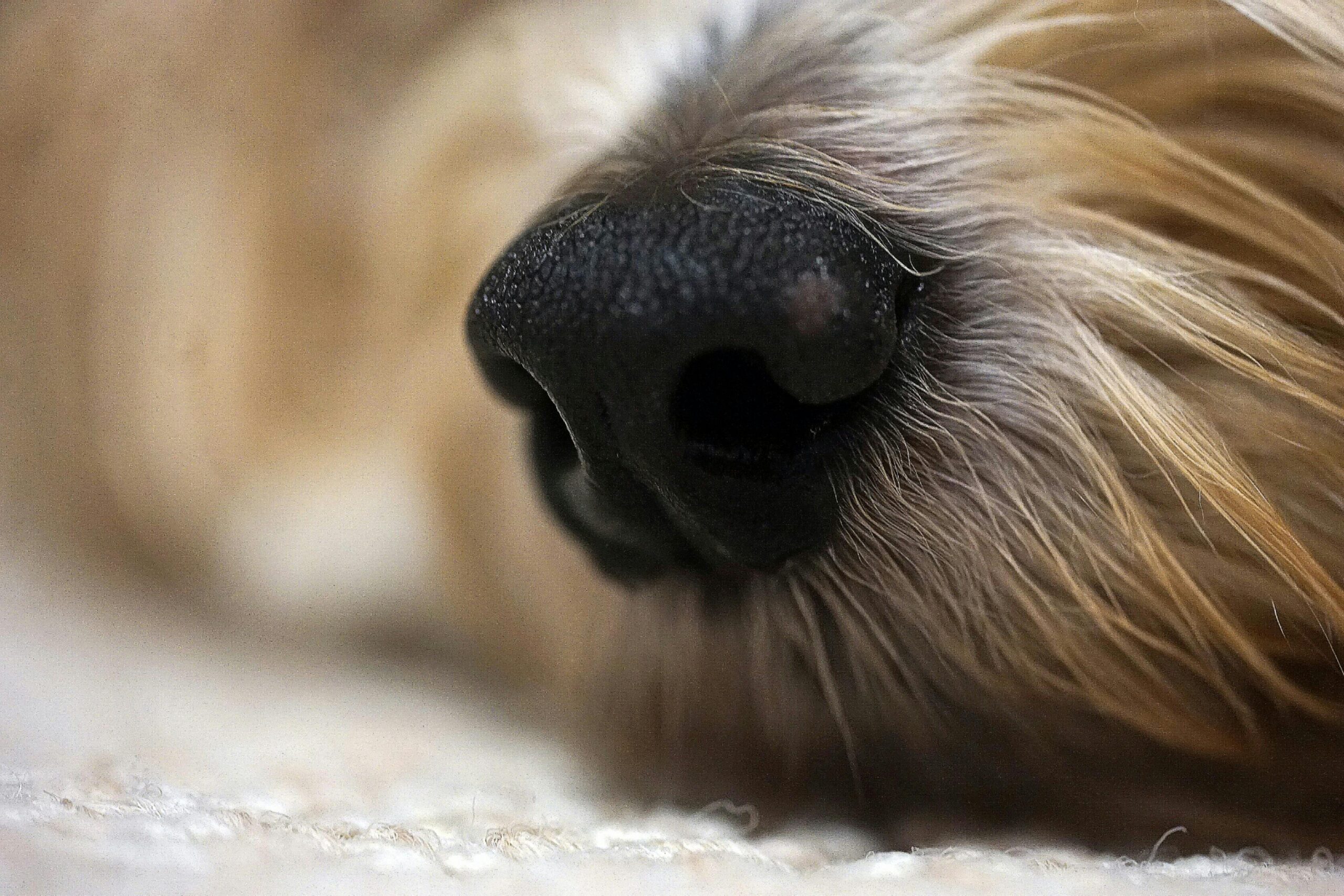
The role of scent in a dog’s life
Scent plays a key role in a dog’s life, being one of the most important senses shaping its everyday experiences and interactions with the world. A dog’s sense of smell is far more developed than a human’s: a dog is estimated to have around 220 million olfactory cells compared with just 5 million in humans, which means dogs can detect odours at much lower concentrations. Scent allows dogs to identify different substances, detect changes in their surroundings and explore new places. Thanks to their sense of smell, dogs can find their way home, recognise other animals and people, and even gauge their owners’ mood from pheromones. Scent also plays a crucial role in hunting and finding food, reflecting dogs’ natural instincts. That is why engaging your dog in activities that stimulate its senses, such as working with snuffle mats, is not just a form of play but also a way to develop its skills and support a healthy lifestyle.
The benefits of snuffle mats and scent games for your dog
These games give a dog the mental stimulation it needs, helping to prevent boredom and the destructive behaviour that can result from a lack of activity. Scent games engage a dog’s natural instincts, which not only brings it joy but also develops its cognitive abilities and problem-solving skills. As it searches for hidden treats, the dog learns to concentrate and gains confidence and satisfaction from its successes. Such activities also help build a stronger bond between dog and owner, since they can be played together. Scent games also benefit a dog’s overall physical condition, improving balance, coordination and agility. Regular mental exercise, such as playing with a snuffle mat, contributes to a dog’s health and happiness and improves its quality of life.
What is a snuffle mat and how to use it
A snuffle mat is a specially designed accessory for dogs that stimulates their sense of smell and keeps their minds busy in a fun and creative way. It is a fabric base fitted with numerous pockets, fringes and hiding places in which you can conceal treats or pieces of dry food. Thanks to the variety of hiding places, the mat lets the dog explore freely and forage for food, mirroring its natural search instincts. Using a snuffle mat is simple: just tuck small treats into the various pockets or between the fringes, then encourage the dog to interact with the mat. The dog starts sniffing and searching for the hidden treats, which engages its senses and provides mental activity. You can gradually raise the difficulty by hiding food deeper in the mat or introducing new treats to keep the dog interested.
Types of snuffle mat
Snuffle mats for dogs come in various types, differing in material, design and functionality. Here are a few popular kinds:
Choosing the right snuffle mat depends on your dog’s individual needs and on which stimulating elements it will find most appealing.
Home-made ways to create scent games for your dog
Setting up a scent game for your dog does not require buying a special snuffle mat; you can easily do it with items you already have at home. One of the simplest methods is to use a towel or old cloths: just scatter treats on the inside of a towel or scrunch up a cloth so that the treats are hidden inside. You can also use a cardboard box, hiding pieces of food inside and covering them with another piece of cardboard or a scrap of fabric. Another option is a “scent hunt”: simply toss a few snacks on the floor, in the grass or around the garden to encourage your dog to find them. You can also fill a bowl with rice or other dry ingredients, drop treats into it and let your dog dig them out. Another simple idea is to use plastic bottles: pour treats inside and make small holes so the dog can gradually work them out. Home-made scent games like these develop a dog’s natural sniffing instincts and provide mental stimulation in a fun and creative way, while also being a great way to spend time together.