

-
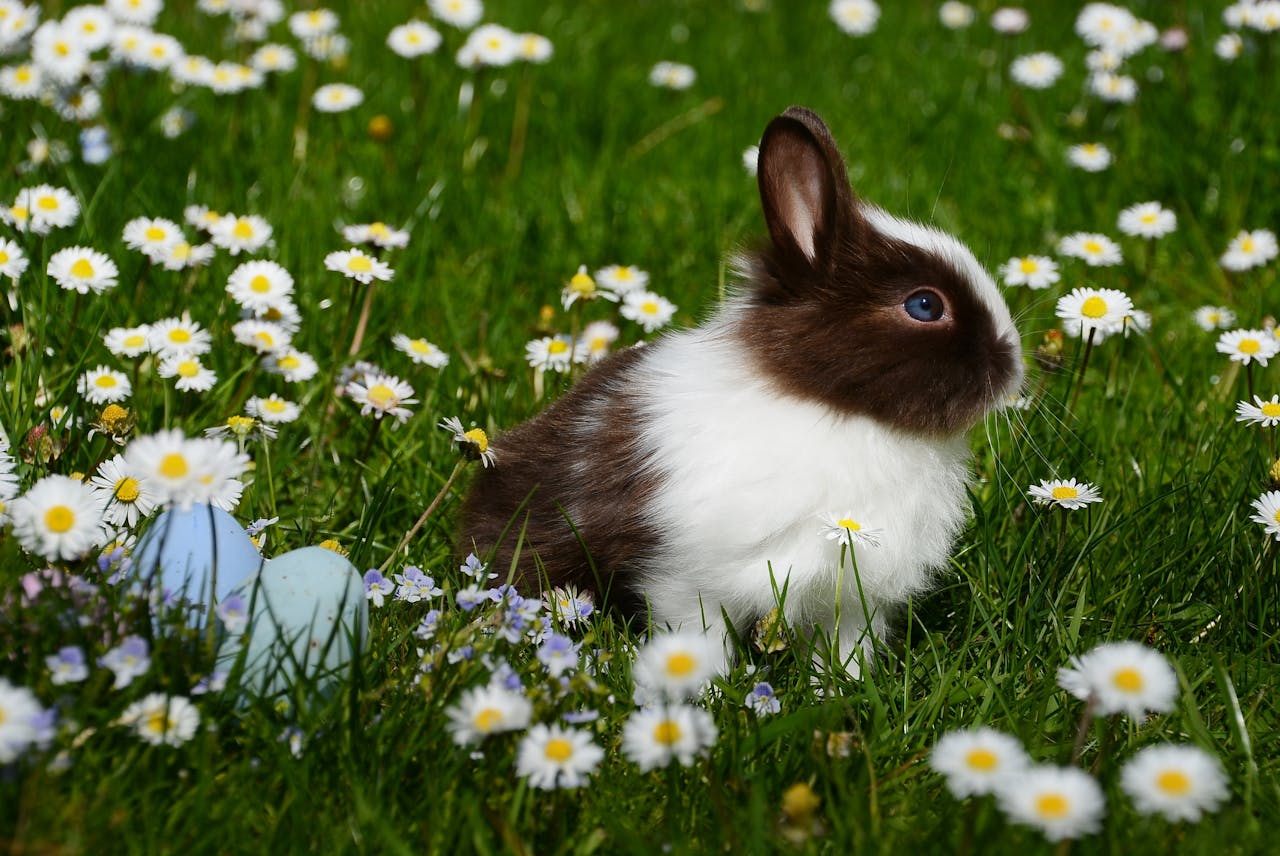
Parasitic diseases in rabbits: the commonest threats and how to prevent them
Coccidiosis, encephalitozoonosis, ear mange and cheyletiellosis are the parasitic diseases pet rabbits meet most often, and they can go unnoticed for a long time. We explain how they are diagnosed in the laboratory, how they are treated, and which hygiene, quarantine and feeding rules keep infection at bay.
-

How to protect your dog’s paws in winter
Frost, ice and road salt leave a dog's pads irritated, cracked and sometimes frostbitten every winter. We explain how to pick a route and a protective wax before the walk, how to rinse and dry the paws properly once you are home, and which signs mean it is time to call the veterinary clinic.
-
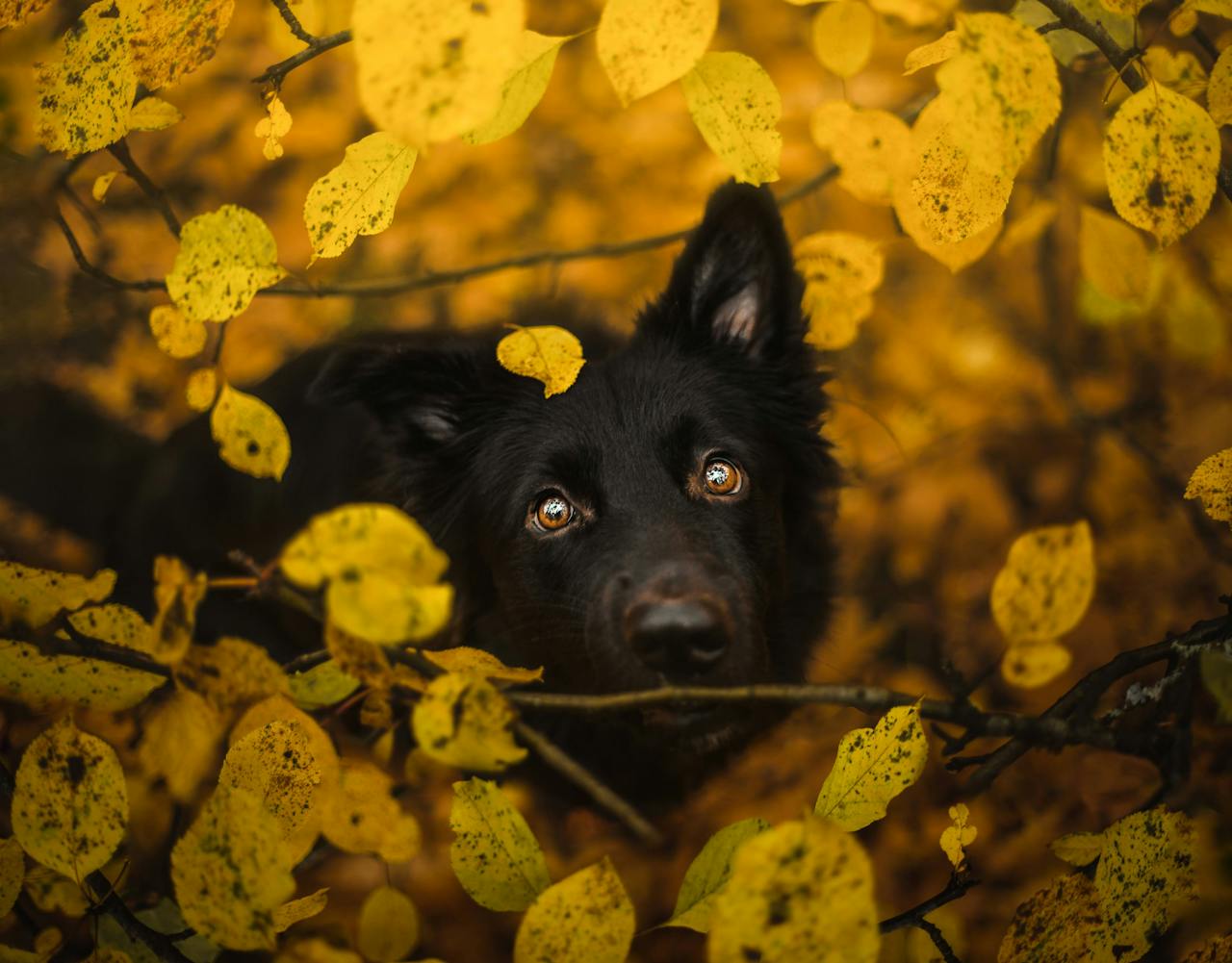
Horner’s syndrome in dogs and cats: signs, causes, diagnosis and treatment
A drooping eyelid, a smaller pupil and a visible third eyelid on one side add up to Horner's syndrome. It is not painful in itself and does not harm sight, but it often signals another, more serious condition underneath. We explain the causes, the diagnostic steps, the pharmacological tests and the treatment options.
Mushroom and plant poisoning: the hazards of autumn walks with your dog
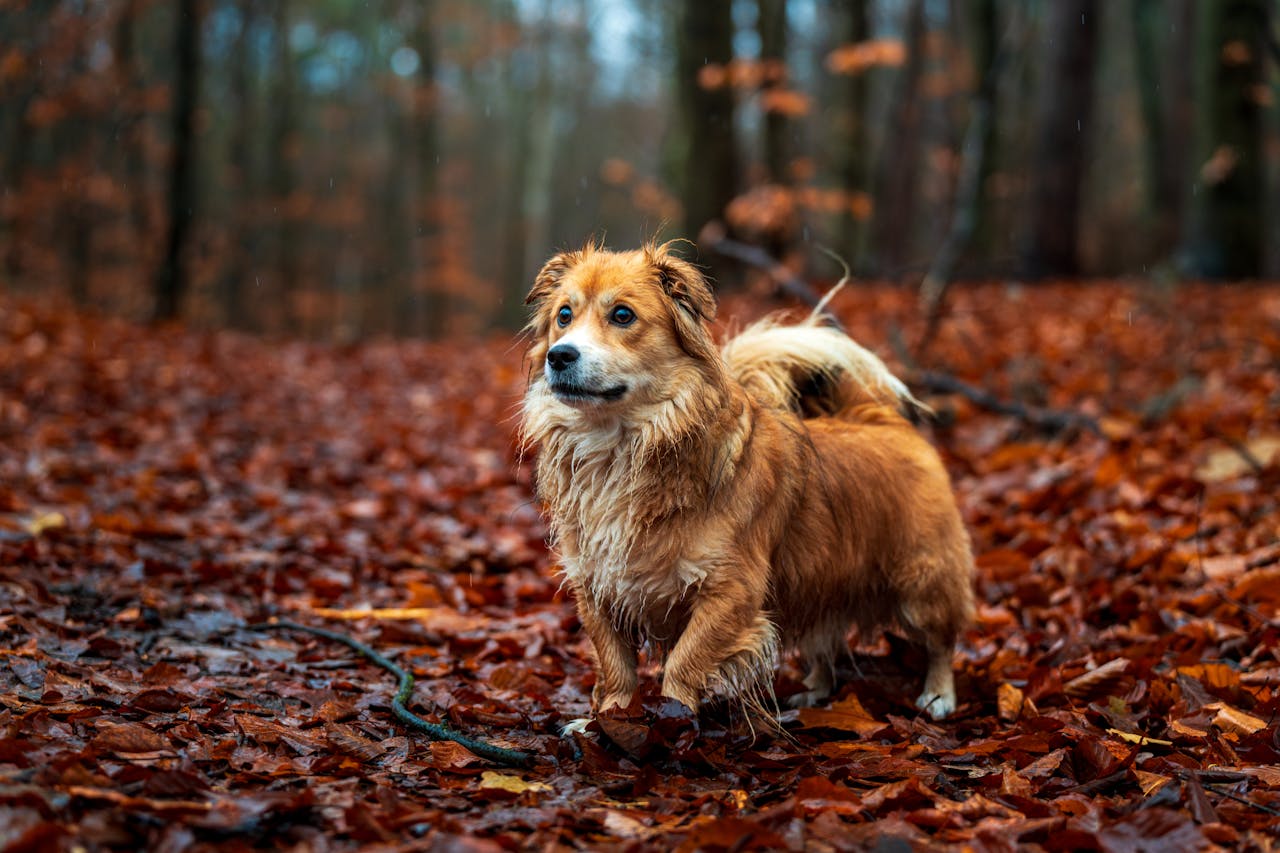
Autumn is a lovely season for walks, but for pets who explore everything with such curiosity it is also a time of heightened poisoning risk. As the leaves come down, mushrooms push up through the ground and some plants drop toxic fruits and seeds. Dogs, and sometimes cats too, will happily pick up or swallow whatever they find, so owners need to be especially alert to the dangers hidden in damp autumn leaf litter.
Mushrooms: silent killers in the leaf litter
Mushrooms are one of the biggest autumn hazards. Many look deceptively like the species people eat, and most fungi that are toxic to us are toxic to animals as well. Even a small amount of a highly poisonous mushroom such as the death cap (Amanita phalloides) can kill a dog.
Plants: toxic fruits and seeds
Autumn also brings a hazard from many popular ornamental plants and trees, whose fallen fruits and seeds suddenly lie within easy reach. A good number of them contain toxic compounds: horse chestnuts, for instance, can cause vomiting, diarrhoea and seizures, while eating acorns can lead to kidney damage and serious gastrointestinal trouble. The yew (Taxus) is particularly dangerous — its foliage and seeds can cause heart failure and even sudden death. The berries and leaves of common ivy are toxic too, as is every part of the autumn crocus, which can damage the liver and kidneys. The risk is highest in gardens and parks, so take particular care that your pet does not pick these things up off the ground.
First aid and what to do:
Prevention: the key to safe walks
Prevention beats treatment. A few simple rules are worth putting in place for the autumn season:
Your vigilance and quick response save lives — if you suspect poisoning at all, do not wait for signs to develop, contact us straight away!