

-

Parasitic diseases in rabbits: the commonest threats and how to prevent them
Coccidiosis, encephalitozoonosis, ear mange and cheyletiellosis are the parasitic diseases pet rabbits meet most often, and they can go unnoticed for a long time. We explain how they are diagnosed in the laboratory, how they are treated, and which hygiene, quarantine and feeding rules keep infection at bay.
-

How to protect your dog’s paws in winter
Frost, ice and road salt leave a dog's pads irritated, cracked and sometimes frostbitten every winter. We explain how to pick a route and a protective wax before the walk, how to rinse and dry the paws properly once you are home, and which signs mean it is time to call the veterinary clinic.
-

Horner’s syndrome in dogs and cats: signs, causes, diagnosis and treatment
A drooping eyelid, a smaller pupil and a visible third eyelid on one side add up to Horner's syndrome. It is not painful in itself and does not harm sight, but it often signals another, more serious condition underneath. We explain the causes, the diagnostic steps, the pharmacological tests and the treatment options.
How to Look After Your Pet’s Teeth: Oral Hygiene for Dogs and Cats
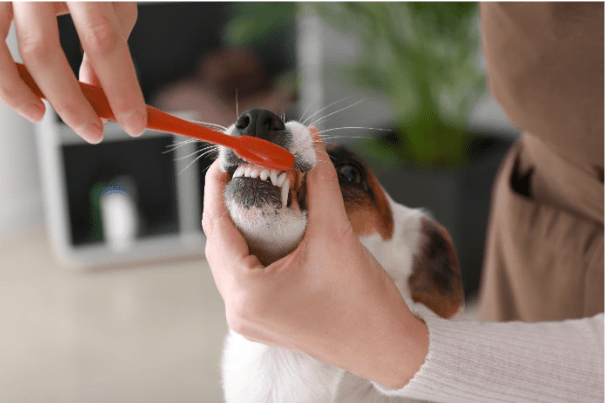
At the Zviropolis Veterinary Clinic in Warsaw we know that good oral hygiene helps a dog or cat live longer and feel better. That’s why we’ve put together this guide to show you how to care for your dog’s teeth and what the key rules of oral hygiene are. In this article we share our knowledge and experience to help you look after your pet’s dental health.
Why oral hygiene matters for your dog’s or cat’s health
The oral health of a dog or cat has a direct impact on their overall wellbeing and quality of life. Although many pet owners overlook it, problems with teeth and gums can lead to serious health complications, including heart disease, kidney disease and infections. That is why your pet’s oral hygiene is so important. To keep our pets’ teeth and gums healthy, the essentials are:
Clean, healthy teeth in a dog or cat are not only free of unpleasant odour, they also matter for proper digestion. Animals with toothache or gum inflammation may struggle to eat, which leads to weight loss and general weakness. Healthy teeth also translate directly into the comfort and quality of life of our four-legged friends. With regular, proper oral hygiene we can give our pets a healthy and happy life.
Warning signs: when might your dog or cat have dental problems?
Dental problems in dogs and cats can sometimes be hard to spot, especially early on, but there are a few warning signs to watch out for. Bad breath is one of them. It may seem normal, particularly if your dog or cat tends to eat things they shouldn’t, but a persistent, strong unpleasant smell can point to health problems such as gum disease or infection. Other signs include difficulty eating or sudden changes in behaviour at mealtimes, excessive drooling, red or bleeding gums, and visible plaque or tartar on the teeth.
If you notice any of these symptoms in your dog or cat, we recommend contacting a vet as soon as possible. Changes in your pet’s behaviour can also be a cause for concern, such as:
These symptoms may indicate that your pet is in pain because of dental problems. Remember, the sooner the problem is diagnosed, the better the chances of successful treatment and of avoiding serious complications.
Prevention – a veterinary dentist’s advice on caring for your dog’s teeth
Your dog’s dental health depends largely on regular care and preventive veterinary check-ups. A professional veterinary dentist recommends a suitable diet and regular tooth brushing. It is also a good idea to check your dog’s teeth and gums regularly so you can keep track of any changes.
Feeding rules for healthy teeth
Hard chews help remove plaque from your dog’s teeth naturally as they chew. Similarly, when choosing food for your dog, it is worth considering dry kibble, which also helps clean the teeth.
Even the best home care, however, is no substitute for professional prevention and dental treatment. Regular visits to a veterinary dentist should be an integral part of looking after your pet’s health.
Summary
Regular tooth brushing, suitable chews and food, and keeping a constant eye on any changes in your pet’s behaviour are the foundations of dental care for dogs and cats. If you notice any worrying symptoms, such as bad breath or difficulty eating, contact a vet as soon as possible.