

-
Parasitic diseases in rabbits: the commonest threats and how to prevent them
Coccidiosis, encephalitozoonosis, ear mange and cheyletiellosis are the parasitic diseases pet rabbits meet most often, and they can go unnoticed for a long time. We explain how they are diagnosed in the laboratory, how they are treated, and which hygiene, quarantine and feeding rules keep infection at bay.
-
How to protect your dog’s paws in winter
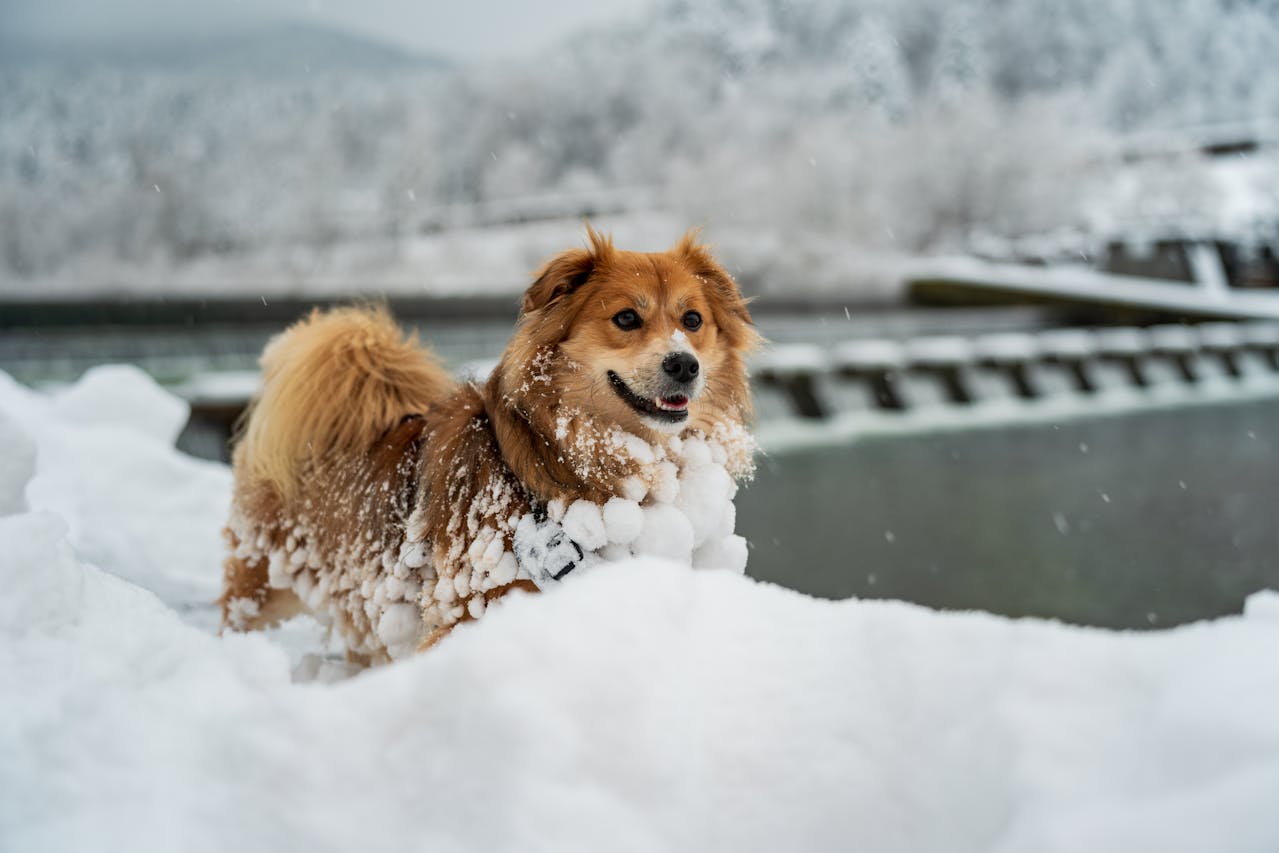
Frost, ice and road salt leave a dog's pads irritated, cracked and sometimes frostbitten every winter. We explain how to pick a route and a protective wax before the walk, how to rinse and dry the paws properly once you are home, and which signs mean it is time to call the veterinary clinic.
-
Horner’s syndrome in dogs and cats: signs, causes, diagnosis and treatment
A drooping eyelid, a smaller pupil and a visible third eyelid on one side add up to Horner's syndrome. It is not painful in itself and does not harm sight, but it often signals another, more serious condition underneath. We explain the causes, the diagnostic steps, the pharmacological tests and the treatment options.
How to keep your dog safe on New Year’s Eve
Why are dogs afraid of fireworks?
First of all, dogs do not understand what is going on, and fear is the first reaction in a moment like this. It is natural for animals to sense danger and want to hide. People understand the situation; they know when the fireworks are likely to start and when they will end. Unfortunately, there is no way to explain this to an animal.
Secondly, both dogs and cats have far better hearing than we do. What we hear as fireworks, dogs may experience as much as 10 times louder, so it is no surprise that some animals take a very long time to recover, even several hours after the bangs have stopped. On top of that there is also
How to prepare your dog for New Year’s Eve?
A lot depends on how your dog reacts. Some dogs are not bothered by loud bangs, while others cope with them very badly. It is best to take your dog to the vet as much as two weeks in advance, so that milder remedies, which need time to build up, can be used. If you cannot come early enough, there are also medicines that work “at the last minute”, so to speak. Even with pharmacological help, it is worth taking care of things such as:
How to train your dog before New Year’s Eve?
Some owners start getting their dogs used to the sound of fireworks well in advance by playing them recordings, but every dog is different, of course, and the results of such training can vary. Timely help in the form of calming medication is the best way to get through New Year’s Eve.
How should you behave on New Year’s Eve?
Owners need to know that in such a stressful situation even a very loyal dog may not respond to their call, which is why keeping your dog on a lead is absolutely essential. Also, attach an ID tag with your phone number to the collar or harness, and if your dog is not microchipped, get it done as soon as possible!
If you plan to leave your dog in someone else’s care, it is best if that person comes round beforehand to get to know the dog. The most important thing is that the dog is not left alone!
What veterinary help is there for New Year’s Eve?
If you have an anxious dog, it is best to see a behaviourist and a veterinarian as much as six months in advance to help your pet through this difficult time.