

-
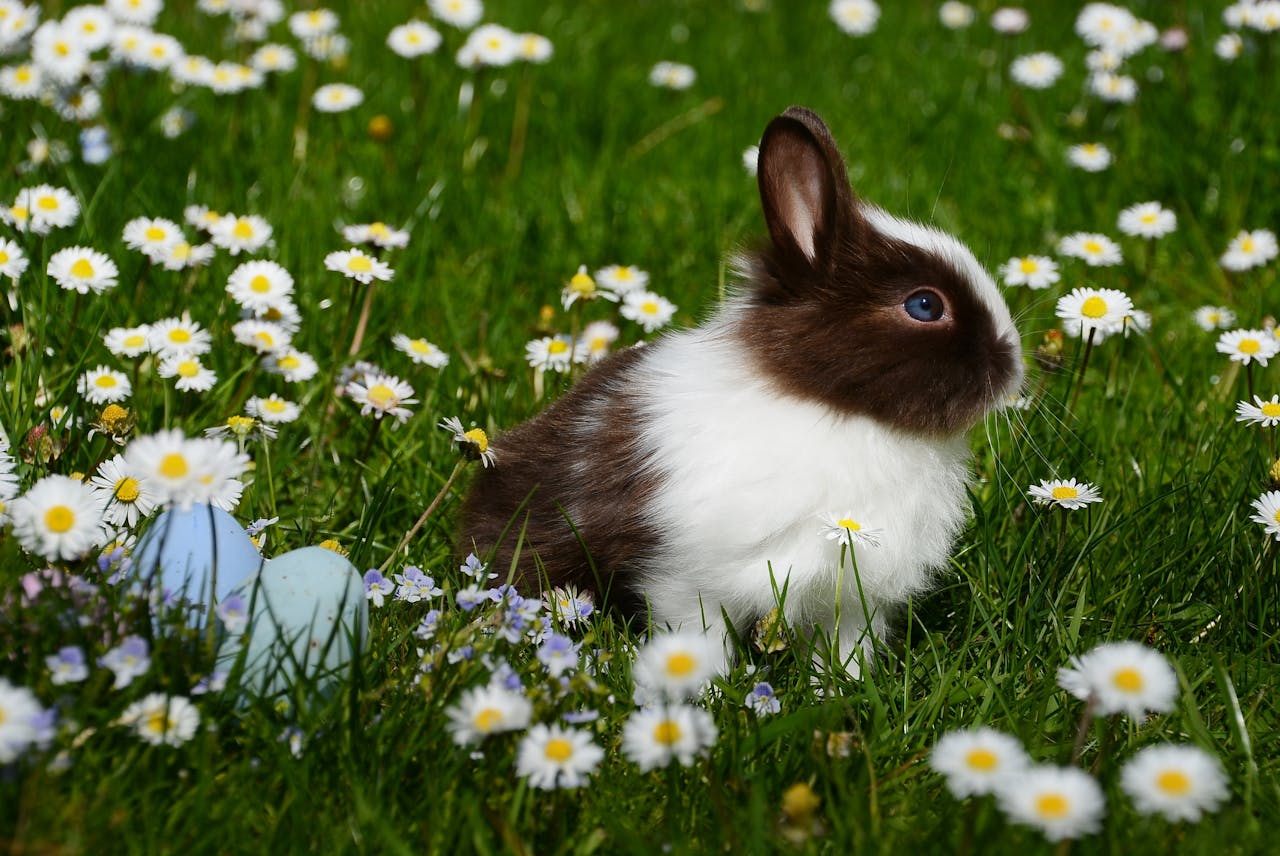
Parasitic diseases in rabbits: the commonest threats and how to prevent them
Coccidiosis, encephalitozoonosis, ear mange and cheyletiellosis are the parasitic diseases pet rabbits meet most often, and they can go unnoticed for a long time. We explain how they are diagnosed in the laboratory, how they are treated, and which hygiene, quarantine and feeding rules keep infection at bay.
-

How to protect your dog’s paws in winter
Frost, ice and road salt leave a dog's pads irritated, cracked and sometimes frostbitten every winter. We explain how to pick a route and a protective wax before the walk, how to rinse and dry the paws properly once you are home, and which signs mean it is time to call the veterinary clinic.
-
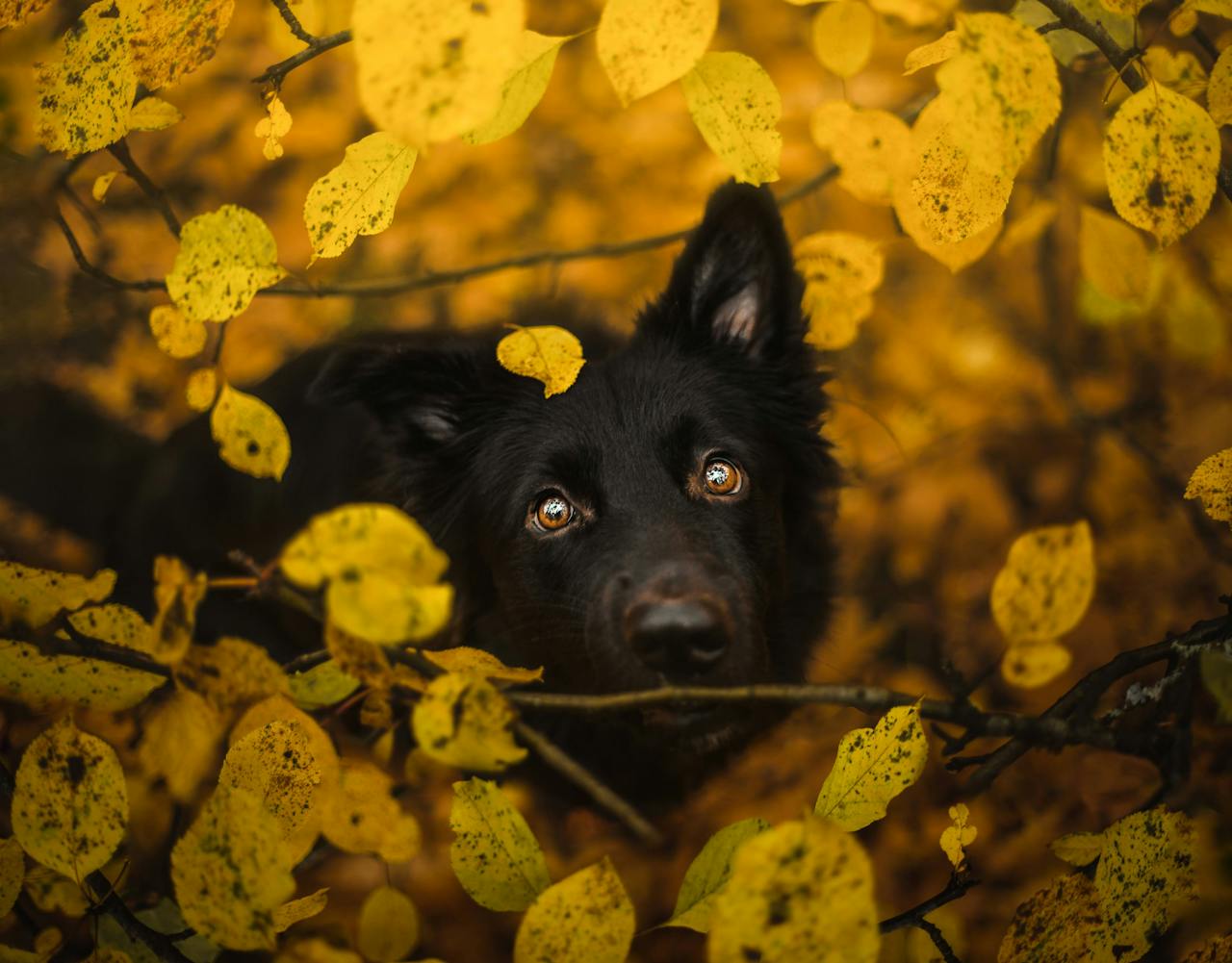
Horner’s syndrome in dogs and cats: signs, causes, diagnosis and treatment
A drooping eyelid, a smaller pupil and a visible third eyelid on one side add up to Horner's syndrome. It is not painful in itself and does not harm sight, but it often signals another, more serious condition underneath. We explain the causes, the diagnostic steps, the pharmacological tests and the treatment options.
Do dogs dream? And do they dream about their owners?

The role of sleep in a dog’s life
Sleep is central to a dog’s health and wellbeing, and it serves a whole range of important functions, both physical and mental. While a dog sleeps, the body repairs itself: tissues recover and the immune system gathers strength to fight off disease. It is also the time when the brain processes and consolidates everything the dog has taken in, which matters enormously for memory and learning. This is how dogs come to remember new cues, work out problems and form stronger bonds with the people who look after them. Sleep also underpins emotional balance — a well-rested dog is less stressed and less anxious, which means a happier animal with a gentler temperament. For that reason, owners should make sure their pets have comfortable conditions for sleeping and plenty of time to unwind; it pays off in both health and quality of life.
Dogs in REM sleep
Research into canine sleep has shown that, just like us, dogs move through different sleep stages, including REM (Rapid Eye Movement) sleep, the stage associated with dreaming. During REM the brain is at its most active while the body is deeply relaxed. This is when you may notice twitching, paddling paws and even little noises from the sleeping dog — all of which suggests the animal is living through something quite vivid. It is therefore entirely possible that dogs dream much as people do.
Should you wake a dog that twitches in its sleep?
When owners see their pet twitching or moving about vigorously in its sleep, they often wonder whether they ought to wake it. In most cases the answer is no. Twitching and body movements during sleep are perfectly natural, particularly in REM sleep, when a dog may be dreaming. Waking a dog mid-dream can leave it disoriented and stressed, and it can also be risky: startled out of sleep, a dog may accidentally bite or injure its owner. If, however, the twitching goes on for a long time, or comes with other worrying signs such as laboured breathing, unusual noises or loss of consciousness, contact a veterinarian as soon as possible so the dog’s condition can be assessed. In cases like these it is a signal that the animal may need medical attention. Under normal circumstances, the best thing you can do is let your dog finish its sleep in peace and leave its natural rhythm undisturbed.
What might dogs dream about?
Although there is no way to say for certain what dogs dream about, experts suspect their dreams draw on everyday experience. A dog that spends a lot of time running in the park or playing with other dogs may well dream about exactly that. Many people notice that dogs seem to dream about their owners, which probably reflects the closeness of the relationship between them. Such dreams may also be tied to the emotions they share — games, walks or quiet moments of relaxation together.
How can you tell that a dog is asleep?
Telling whether a dog is asleep is easy enough if you watch its behaviour and posture. A sleeping dog holds its body in a relaxed way — lying on its side, on its belly or in some other comfortable position, with the legs loosely stretched out. The eyes are usually closed and the breathing becomes calm and regular. In REM sleep, the stage linked with dreaming, you may spot faint tremors, paddling paws and sometimes quiet sounds such as grumbling or groaning. If those come with the characteristic soft whimpering, the dog is probably dreaming about something pleasant. It is important to know how your own pet normally behaves, so that you can tell when it is simply resting and when there may be a health problem that needs attention.