

-
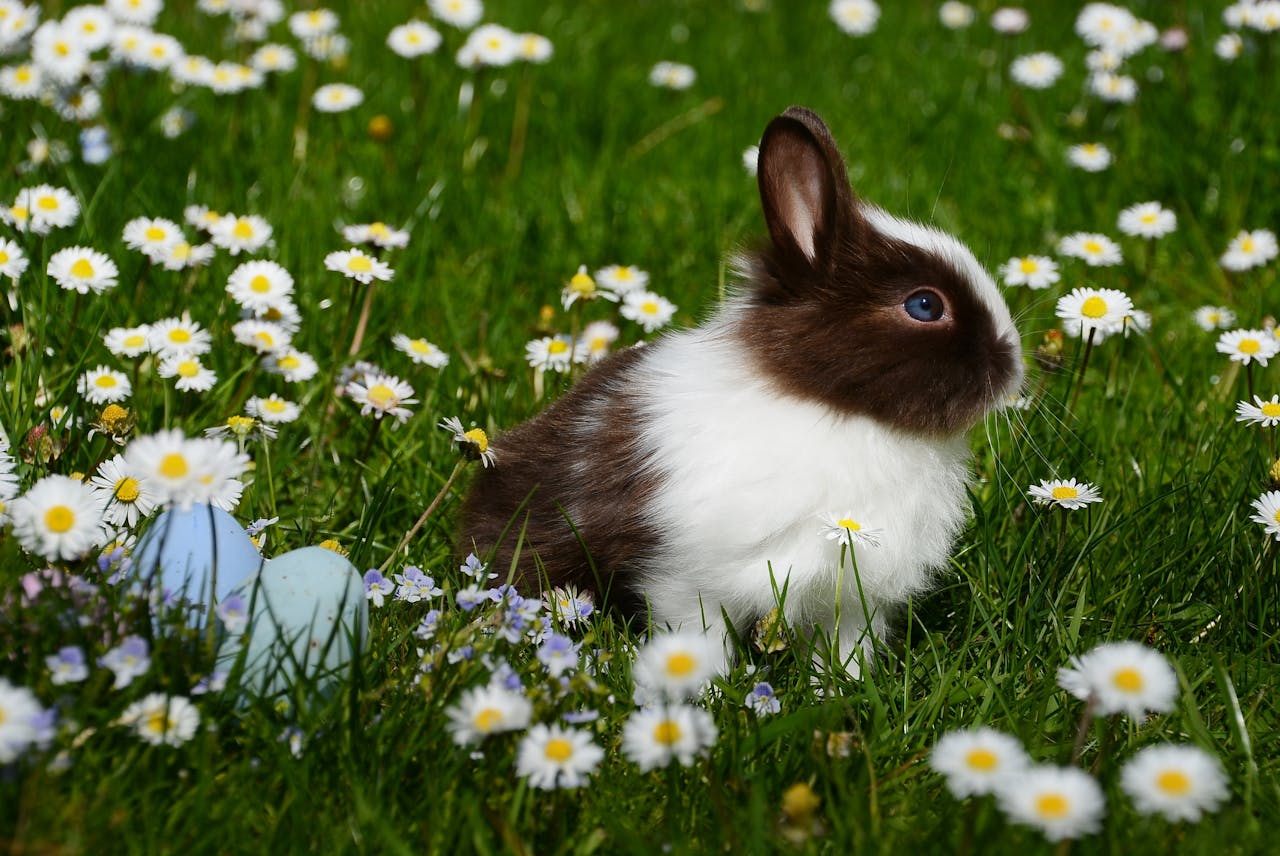
Parasitic diseases in rabbits: the commonest threats and how to prevent them
Coccidiosis, encephalitozoonosis, ear mange and cheyletiellosis are the parasitic diseases pet rabbits meet most often, and they can go unnoticed for a long time. We explain how they are diagnosed in the laboratory, how they are treated, and which hygiene, quarantine and feeding rules keep infection at bay.
-

How to protect your dog’s paws in winter
Frost, ice and road salt leave a dog's pads irritated, cracked and sometimes frostbitten every winter. We explain how to pick a route and a protective wax before the walk, how to rinse and dry the paws properly once you are home, and which signs mean it is time to call the veterinary clinic.
-
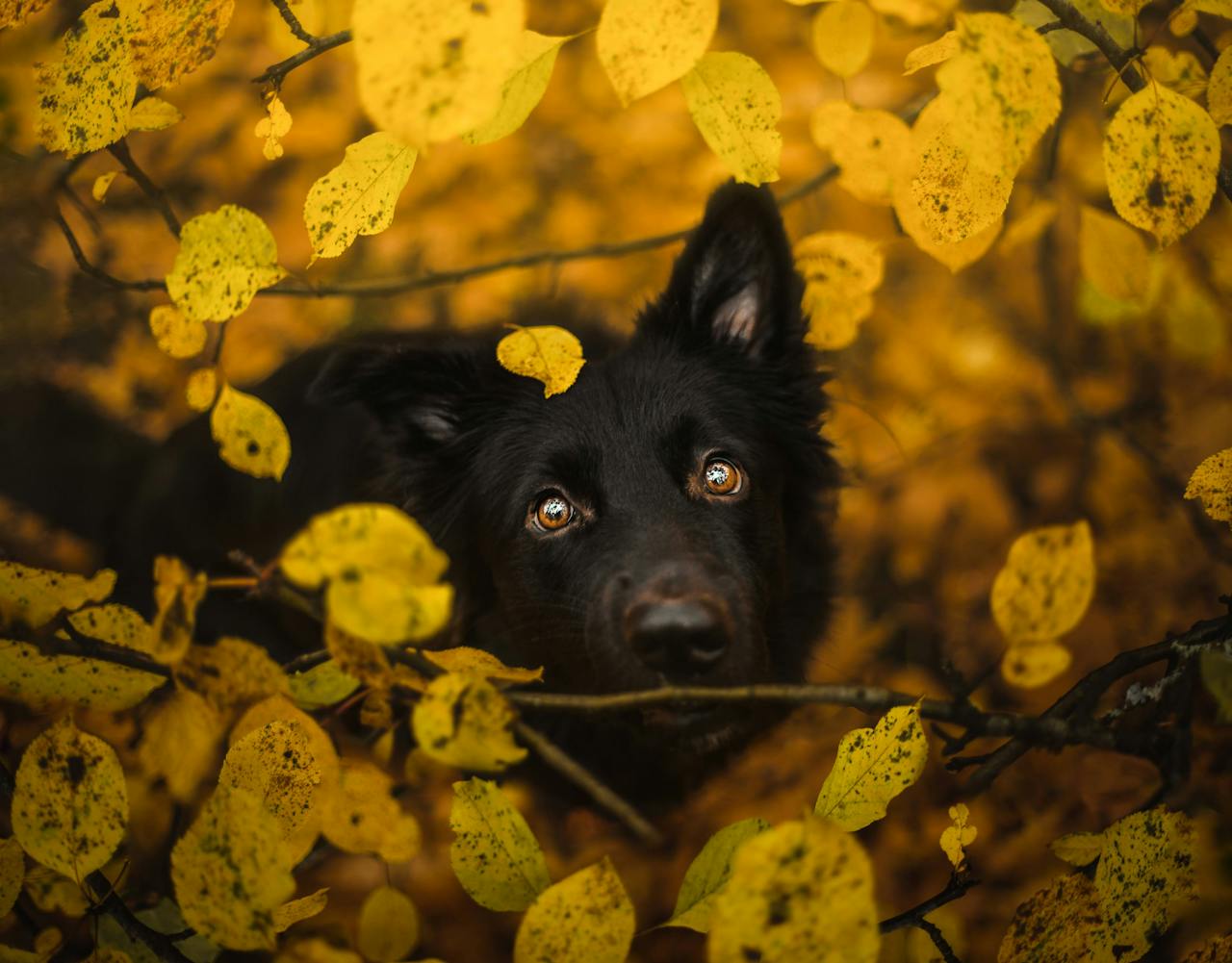
Horner’s syndrome in dogs and cats: signs, causes, diagnosis and treatment
A drooping eyelid, a smaller pupil and a visible third eyelid on one side add up to Horner's syndrome. It is not painful in itself and does not harm sight, but it often signals another, more serious condition underneath. We explain the causes, the diagnostic steps, the pharmacological tests and the treatment options.
Can rabbits be spayed and neutered?
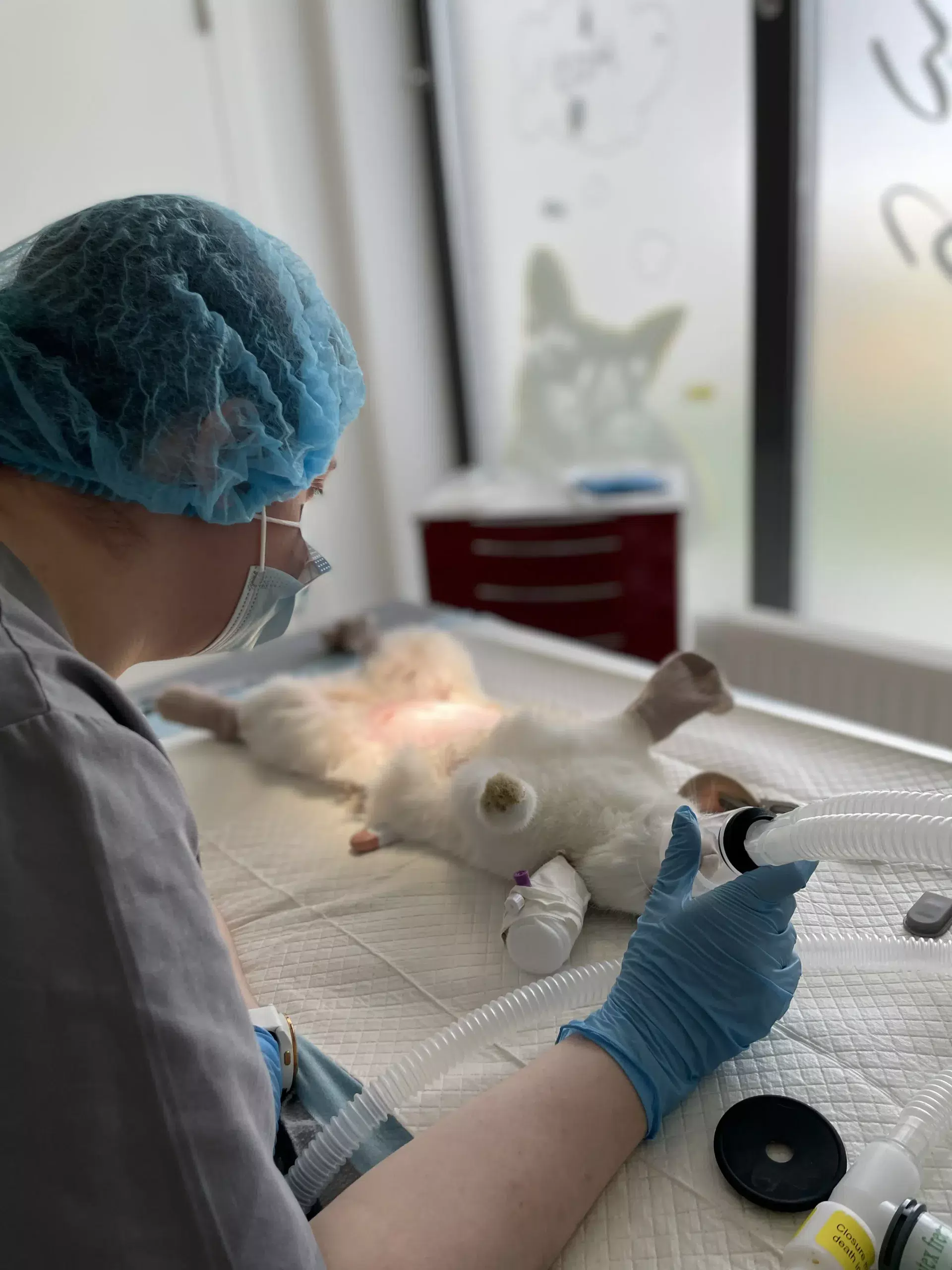
Are rabbits neutered too?
Rabbits, like other companion animals, can be neutered. Before deciding on the procedure, you need to consider things such as the rabbit’s age, weight, behaviour and purpose.
Neutering permanently prevents the animal from breeding, and it can also change its behaviour, both its temperament and how it relates to other members of the household.
When can a rabbit be neutered?
Rabbit owners most often come to Zviropolis because of urine spraying or aggressive behaviour towards people. The procedure can be carried out no earlier than 6 months of age, although this threshold may shift depending on the size of the animal. With larger breeds, vets prefer to wait until the rabbit weighs at least 1 kg. Older rabbits can also be neutered, but a more thorough work-up is certainly needed in preparation for surgery.
What are the benefits of neutering a rabbit?
Unneutered rabbits are prone to diseases of the reproductive system, such as tumours of the uterus, ovaries or mammary glands. Neutering reduces the risk of some of these conditions to a minimum.
Another reason is behaviour, as rabbits can show sexual urges even towards their owners. They may mark their territory with urine, engage in compulsive mounting (of their owners’ legs, for example) and react aggressively when household members try to interact with them. Female rabbits can have false pregnancies, during which the doe becomes restless and builds a nest, gathering bedding or toys in one spot. Both males and females may pull out their own fur.
How to prepare a rabbit for neutering
It is a good idea to start with a visit so that the vet can examine the rabbit, check its vaccinations, run blood tests and clear it for surgery, because we need to be sure the animal is healthy on the day of this preventive procedure.
Unlike humans, dogs or cats, rabbits must have constant access to food. They are not fasted before blood tests or surgery; ideally, they should have free access to hay.
If you have any further questions about caring for rabbits, please get in touch with our vets. We also have vets who specialise in small mammals.