

-

Parasitic diseases in rabbits: the commonest threats and how to prevent them
Coccidiosis, encephalitozoonosis, ear mange and cheyletiellosis are the parasitic diseases pet rabbits meet most often, and they can go unnoticed for a long time. We explain how they are diagnosed in the laboratory, how they are treated, and which hygiene, quarantine and feeding rules keep infection at bay.
-

How to protect your dog’s paws in winter
Frost, ice and road salt leave a dog's pads irritated, cracked and sometimes frostbitten every winter. We explain how to pick a route and a protective wax before the walk, how to rinse and dry the paws properly once you are home, and which signs mean it is time to call the veterinary clinic.
-

Horner’s syndrome in dogs and cats: signs, causes, diagnosis and treatment
A drooping eyelid, a smaller pupil and a visible third eyelid on one side add up to Horner's syndrome. It is not painful in itself and does not harm sight, but it often signals another, more serious condition underneath. We explain the causes, the diagnostic steps, the pharmacological tests and the treatment options.
Can a cat have separation anxiety?
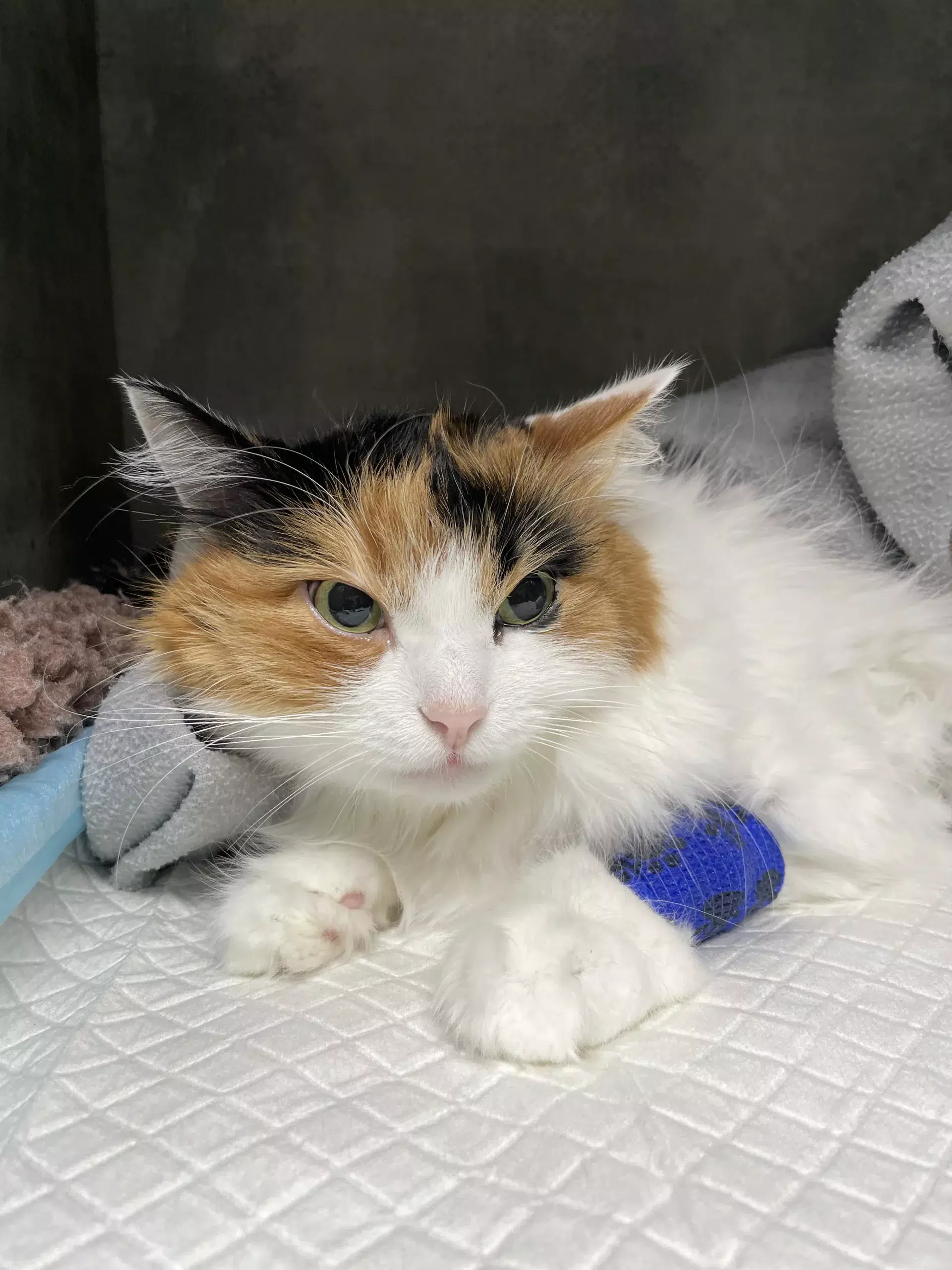
Can a cat have separation anxiety?
The term is usually applied to dogs, but it affects cats too! Some owners do not even realise it, yet it is fairly common in cats adopted from shelters, for example, or in those that have changed owners several times. The symptoms are subtler than in dogs, so they can be harder to spot, but they are quite characteristic.
What does separation anxiety look like in cats?
Unlike a dog, a cat will not start howling and scratching at the door once its owner has left, but the characteristic behaviours include:
Watch your cat as you get ready to go out: usually, by that stage the cat already knows you are about to leave the house.
Why is separation anxiety harmful to a cat?
Separation anxiety is simply stress. Every owner knows that cats are very sensitive to anything that makes them anxious. This often takes a toll on their health, for example in the form of bladder problems. If your cat is already under veterinary care and undergoing treatment, the anxiety of being left alone will do it no good at all.
What can you do about separation anxiety in a cat?
If you notice worrying signs, first see a vet to rule out any health problems. If everything is fine on that front, you can start working with a behaviourist.
Some of the things you can try include:
Getting rid of this problem can take a long time; every cat is different and may need more or less time to cope with the stress. The most important thing is not to give up and to keep working with your cat! Everyday life will only get easier from there.