
Contact us Make an appointment

Cardiovascular prevention in cats: the key to your pet’s health

Looking after your cat’s cardiovascular health is extremely important if you want to prevent serious problems with the heart and blood vessels. A sensible lifestyle, the right diet and regular veterinary care are the cornerstones of prevention, and they can make a real difference to your furry friend’s quality of life.

Cat breeds that particularly benefit from cardiovascular prevention

Cardiovascular prevention matters for every cat, but it is especially important for breeds predisposed to heart disease. Putting the right preventive measures in place for these groups can help avoid serious health problems, improving both the quality and the length of a furry companion’s life.

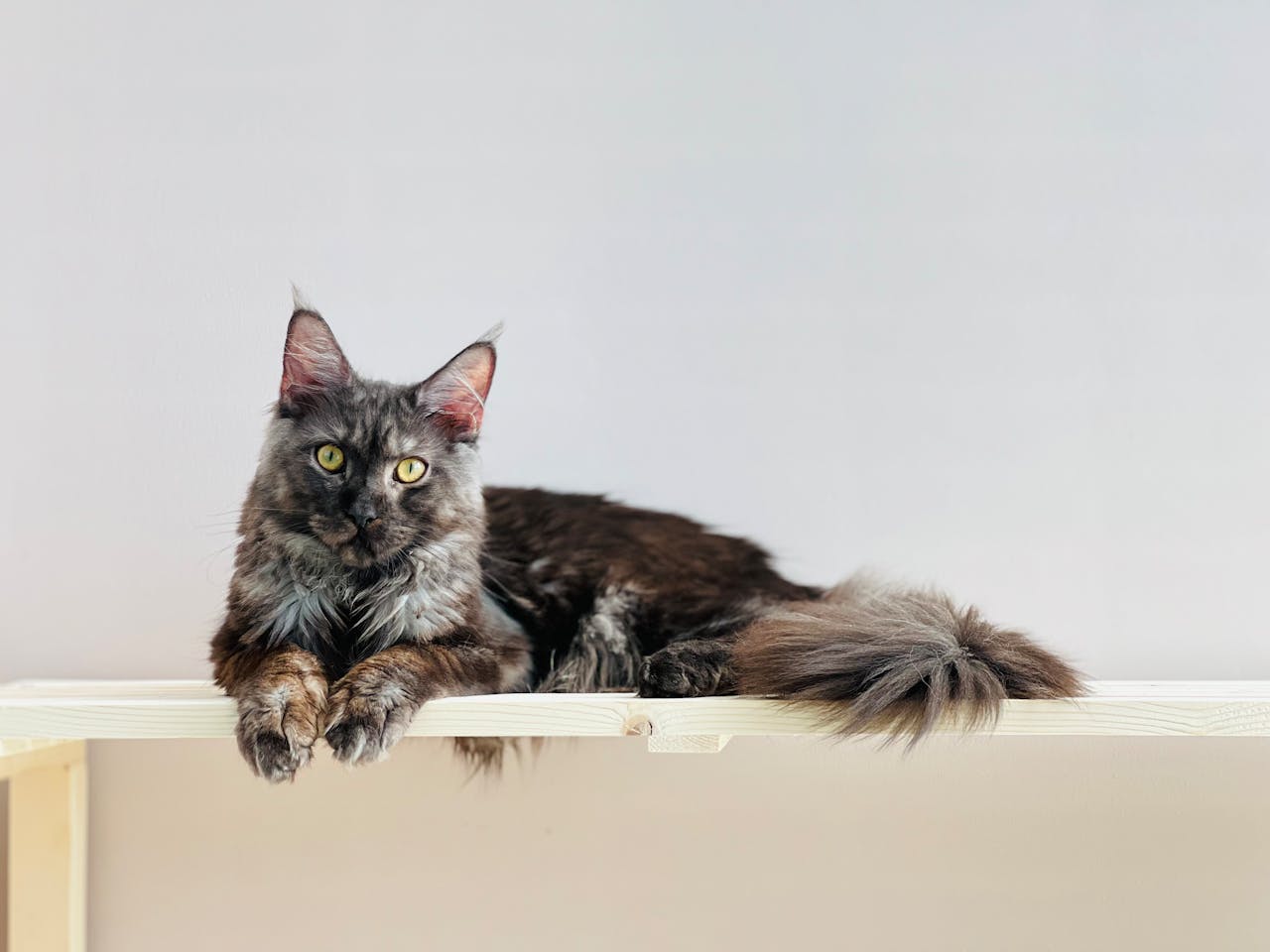
  1. Maine Coon: this popular breed is known for its size and long coat, but sadly it is also prone to hypertrophic cardiomyopathy (HCM). Maine Coon owners should be especially watchful for signs of heart trouble and have their cat checked regularly.
  2. British Shorthair: cats of this breed are at risk of HCM and other cardiac problems, and need particular attention paid to their diet and exercise. They also tend to put on weight, which makes them more susceptible to heart disease still, so cardiovascular prevention is essential.
  3. Ragdoll: a breed known for its gentle temperament, but also for a genetic predisposition to HCM. Regular echocardiography and a healthy lifestyle can help pick up heart disease at an early stage.
  4. Sphynx: cats of this breed may develop heart problems because of a genetic predisposition. 
  5. Norwegian Forest Cat: this breed is also predisposed to hypertrophic cardiomyopathy. 

A healthy diet as the foundation

The foundation of a healthy cardiovascular system in cats is the right diet. It should be high in protein and low in fat, and it should supply the essential nutrients that support heart function, such as omega-3 fatty acids and taurine. Limiting carbohydrates and fats is equally important, as this helps prevent obesity, a significant risk factor for heart disease. Feeding good-quality food formulated for cats, and adding treats such as fresh vegetables sensibly, can noticeably improve your cat’s health.

Why exercise matters for your cat’s cardiovascular health

Physical activity plays a key role in keeping a cat’s cardiovascular system healthy, benefiting both fitness and general wellbeing. Regular exercise helps control body weight, which matters because obesity is one of the main risk factors for heart disease. Activity stimulates circulation, so tissues and organs are better supplied with oxygen, and it also supports the metabolism. On top of that, exercise reduces stress, which can take its toll on cardiovascular health. Interactive play, such as chasing a ball or climbing a scratching post, not only works the cat physically but also draws on its hunting instincts and lifts its mood. Keeping a cat moving regularly contributes to its long-term health and strengthens the bond between the cat and its owner.

Reducing stress as a key part of prevention

Stress has a real effect on a cat’s cardiovascular health, so keeping it to a minimum is an important part of prevention, particularly in cats of a nervous disposition. In stressful situations a cat’s body mobilises its defences, which means producing more stress hormones such as adrenaline. Prolonged stress can raise blood pressure and speed up the heart rate, which over time increases the risk of cardiovascular disease. In anxious cats, who are more sensitive to stress in the first place, constant emotional tension can lead to chronic health problems and a poorer quality of life. It is therefore important to create a calm, comfortable environment with as few unnecessary stressful triggers as possible. Establishing a routine, providing places to hide, and using calming rituals such as stroking or quiet play can go a long way towards protecting a cat’s mental and physical health, and with it the cardiovascular system.

Supplements that support cardiovascular health in cats

  • One of the most popular supplements is omega-3, which comes mainly from fish oils such as salmon oil. Omega-3 is known for its anti-inflammatory action, as it helps reduce inflammation in the body. Where the heart is concerned, it lowers blood triglyceride levels, which in turn reduces the risk of atherosclerosis and other cardiovascular disease. Omega-3 also supports a regular heart rhythm and may help lower blood pressure.
  • Another important supplement is taurine, an amino acid the heart muscle cannot function properly without. Taurine plays a key role in regulating how the heart works and is involved in many metabolic processes essential to cardiovascular health. A taurine deficiency can lead to serious conditions such as cardiomyopathy, which is why supplementation is particularly recommended for cats on a diet low in this amino acid.
  • A further supplement worth considering is coenzyme Q10, a naturally occurring substance that helps heart cells produce energy and acts as a powerful antioxidant. Coenzyme Q10 may improve cardiac performance and support healthy cardiovascular function, especially in older cats.

It is worth stressing, however, that you should always see a veterinarian before adding any supplement to your cat’s diet. After assessing your pet’s health thoroughly and running any necessary tests, the vet will be able to choose supplements suited to each individual cat’s needs.

Regular veterinary check-ups

Regular veterinary visits are an essential part of looking after a cat’s health, and that includes the cardiovascular system. Cats should be examined at least once a year, and for breeds predisposed to heart disease, such as the Maine Coon or the Ragdoll, more frequent check-ups are worth considering. The vet will assess the animal’s health thoroughly, update its vaccinations, and may order laboratory tests and imaging such as echocardiography.

Echocardiography is a non-invasive ultrasound examination that allows a detailed assessment of the heart’s structure and function. It enables the veterinarian to identify heart defects, thickening of the heart muscle, valve insufficiency and other problems that could develop into serious disease. Picking up changes in the heart early means diagnosis and treatment can begin promptly, which can markedly improve both the prognosis and the cat’s quality of life.
Your cat’s heart: understanding heart disease in our furry friends

Heart disease is a serious subject, and sadly it affects a great many cats, whatever their age or breed. The heart is a vital organ, and your pet’s health and vitality depend on it working properly. Owners are often unaware of just how many heart conditions can affect a cat, or which signs ought to raise the alarm. 

The most common heart diseases in cats

Age and the breeds most at risk of heart disease

Heart disease can affect cats of any age, but the risk rises noticeably around middle age, usually after the fifth year of life. The breeds most at risk of cardiac problems include the Maine Coon, the British Shorthair, the Ragdoll and the Sphynx, all of which carry a genetic predisposition to conditions such as hypertrophic cardiomyopathy (HCM). In these breeds, inherited traits that gradually weaken heart function are more common. It is worth remembering, though, that while certain breeds are more susceptible, crossbreeds and cats of no particular pedigree can develop heart disease too, especially as a result of an unhealthy lifestyle, obesity or a poor diet.

Hypertrophic cardiomyopathy in cats

Hypertrophic cardiomyopathy (HCM) is the most common heart disease in cats. It is characterised by abnormal thickening of the heart muscle, which impairs how well the heart works. The signs of HCM can be subtle and easy to miss; the most frequent are breathlessness, coughing, weakness, loss of appetite and reluctance to be active. Unfortunately, many cats with HCM show no symptoms at all for a long time, which makes the disease all the more dangerous. HCM is particularly widespread among breeds such as the Maine Coon, the British Shorthair, the Ragdoll and the Sphynx, where the genetic risk is higher. The course of the disease varies: some cats live for years with changes in the heart that go unnoticed, while others suffer a sudden deterioration, including heart failure or thromboembolism.

Dilated cardiomyopathy (DCM)

Dilated cardiomyopathy (DCM) is a rarer but equally serious form of heart disease, in which the heart muscle weakens and eventually fails. In DCM the heart dilates, meaning the chambers enlarge and can no longer pump blood efficiently. The condition is often linked to nutritional deficiencies, particularly a lack of arachidonic acid or taurine, which makes it more common in cats fed an inappropriate diet. The signs of DCM can appear suddenly and include breathlessness, rapid breathing, coughing, weakness and, in some cases, fainting. Because many cats with DCM show no symptoms in the early stages, owners should stay alert and consult a veterinarian whenever they notice any worrying change in their pet’s behaviour. DCM is most often diagnosed in middle-aged cats and can lead to serious complications such as heart failure or thromboembolism.

Valve disorders in cats

Valve disorders are serious heart conditions involving the heart valves, which may either narrow (stenosis) or fail to close properly (regurgitation). The valves play a key role in regulating blood flow through the heart, so when they do not work correctly the organs may be poorly supplied with blood and heart failure can develop. These problems may be congenital, meaning the cat is born with a structural defect, or acquired, for example following an infection, ageing or injury.

Valve disorders may show themselves as breathlessness, coughing, weakness, difficulty breathing and a swollen abdomen caused by fluid build-up. Cats with valve problems often become less energetic and avoid physical activity, which is easily mistaken for normal ageing. Diagnosis usually involves a physical examination, echocardiography and blood tests. Treatment depends on the type and severity of the disorder and may include medication and, in some cases, surgery

Infectious myocarditis

Infectious myocarditis is a serious disease that can be triggered by a variety of agents, including viruses, bacteria and parasites. The infection causes inflammation of the heart muscle, which can weaken it and reduce its ability to pump blood. The pathogens most often responsible are feline leukaemia virus (FeLV), feline immunodeficiency virus (FIV) and parasites such as Toxoplasma gondii and Dirofilaria immitis (the heartworm).

The signs of infectious myocarditis are often non-specific and may include breathlessness, weakness, apathy, coughing and vomiting. In some cases cats develop a fever or an increased heart rate. Given the range of possible causes and symptoms, diagnosis calls for thorough investigation, including serological tests, echocardiography and clinical assessment. Treatment of infectious myocarditis usually focuses on clearing the infection with antibiotics or antiviral medication and on supporting heart function with drug therapy.

Ischaemic heart disease

Ischaemic heart disease is a serious condition that arises when emboli block the flow of blood to the heart or the surrounding area. Such blockages have various causes, including clots (thrombi) that form inside blood vessels, or fragments of tissue that break away and travel through the body. Reduced blood flow can lead to pain, damage to the heart muscle and oxygen starvation in other organs.

The signs of ischaemic heart disease may include breathlessness that comes on suddenly or develops gradually, weakness, reluctance to move and a racing pulse. Some cats also show signs of shock, such as lethargy or cold extremities. Because these symptoms are easily confused with other conditions, a rapid diagnosis is essential, usually based on imaging such as echocardiography together with additional laboratory tests.

Treatment of ischaemic heart disease depends on how severe the condition is and on what caused the blockage. It may involve anticoagulants, pain relief and support for the cardiovascular system. In some cases surgery is needed to remove the blockage or restore blood flow.

Degus – small animals with great charm

Degus are small rodents from Chile that are becoming increasingly popular as household pets. Their friendly nature and undemanding care make them ideal companions for anyone who loves animals.

Origins and domestication of the degu

Degus, known to science as Octodon degus, come from the central regions of Chile, where they inhabit semi-desert terrain. In the wild they live in large colonies and dig elaborate burrow systems. Degus were initially used mainly in scientific research because of their unusual biology, in particular their tendency to develop type 2 diabetes naturally. In time, thanks to their friendly and sociable disposition, they began to gain popularity as pets, especially across Europe and North America. A further point in favour of their domestication is how easy they are to keep and how little space they require, which makes them ideal companions in houses and flats alike.

What degus look like

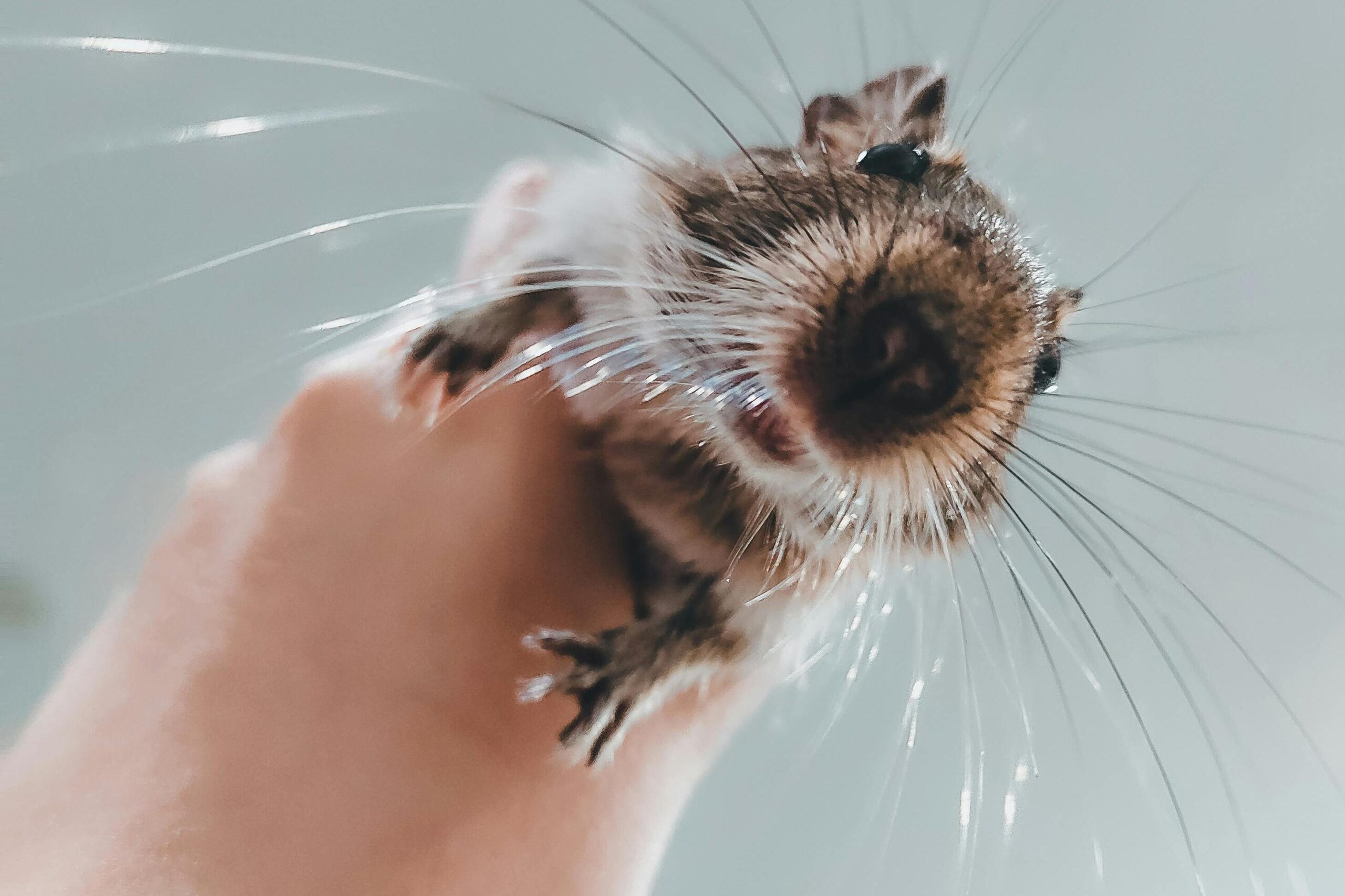
Degus are small rodents, usually 25 to 30 centimetres long, with roughly half of that length taken up by the tail. They weigh on average between 170 and 300 grams, which makes them relatively light animals. Their build is compact, and their strong, well-developed hind legs let them move and jump with great agility. Their fur is dense and soft, most often ranging from grey to brown, which helps them blend into their natural surroundings. Degus are recognisable by their large dark eyes and long, fine whiskers, which serve an important sensory function. The tail is covered in fine fur and ends in a tuft of longer hairs, which only adds to their charm.

The right diet for a degu

A degu’s diet should resemble the natural food of wild animals as closely as possible, which means it must be rich in plant fibre. The key is to keep fats and sugars to an absolute minimum, since degus are highly sensitive to high carbohydrate levels and can develop diabetes. Treats such as dried fruit, carrot or sunflower seeds should therefore be a rarity. The staple of the diet should be hay and dried greens such as dandelion, clover or leaves from unpolluted fruit trees. When fresh greens are unavailable, dried herb mixes from pet shops make a good substitute. Commercial feeds can be used to supplement the diet, provided they are of decent quality. It is also worth knowing that coprophagy, a natural behaviour in degus, helps them top up their vitamin K and B vitamins.

Ideal cage conditions for degus

A degu’s cage should offer space and stimulation close to what the animal would find in the wild. The recommended minimum dimensions are at least 100 cm long, 50 cm wide and 75 cm high, though a larger cage is always the better choice. The structure should be multi-level, allowing the degu to climb and explore and so satisfying both its need to move and its need to think. Line the floor of the cage with a material of natural texture that protects those delicate feet. Inside, provide a variety of features such as tunnels, shelves, hammocks and solid-surface exercise wheels, which will keep the animal entertained and enrich its environment. Keeping the cage clean and well ventilated is equally important for the degus’ health and wellbeing.

Caring for degus

Caring for degus is fairly straightforward, but it is crucial to their health and wellbeing. Checking their teeth and claws regularly matters a great deal, because a degu’s teeth grow throughout its life and need wearing down by gnawing on suitable materials such as wooden toys or twigs. Baths in water are not advisable, as they can lead to chills; instead, give your degus access to sand baths, which keep their coat clean. Cleaning the cage regularly and providing fresh bedding will keep their living space hygienic. It is also important to set aside time every day for play and interaction outside the cage, which encourages socialisation and builds a bond with their keeper.

How sociable degus are

Degus are highly sociable animals and are best kept in pairs or groups. In the wild they live in large colonies, which means the company of other degus matters enormously to them. Having a second animal helps meet their social needs, lowers stress and prevents the loneliness that can lead to behavioural and health problems. If you do decide on a single degu, you will need to give it a great deal of attention to make up for the absence of a companion. And if you plan to keep more than one, introduce them thoughtfully and gradually to minimise the risk of aggression and conflict between them.