Contact us Make an appointment

Dandruff in cats: causes, symptoms and home remedies

What is dandruff in cats?

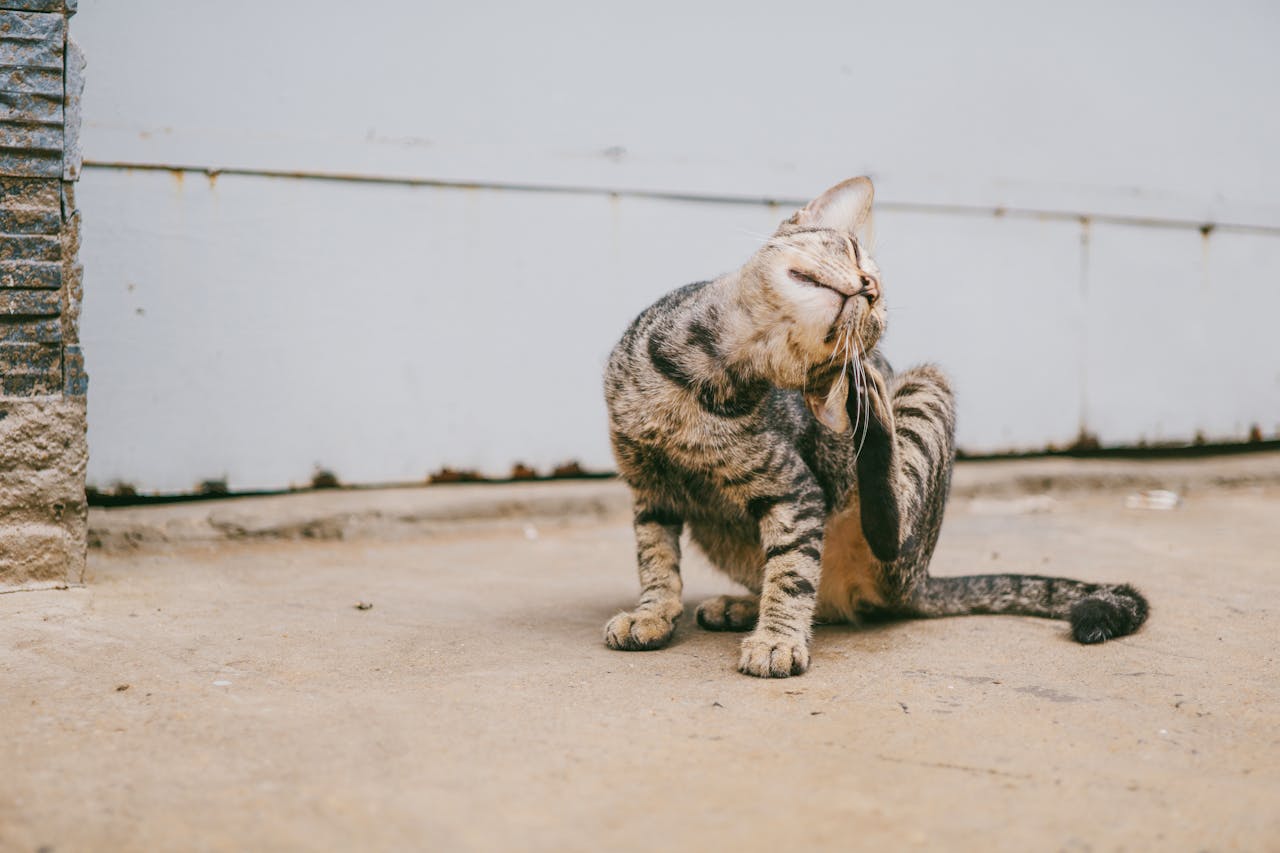
Dandruff in cats is a skin condition that shows up as small white flakes of skin which come away from the epidermis and collect in the fur, as well as around the animal, on bedding or furniture. It is the result of the natural shedding of dead skin cells, which in a healthy animal is usually invisible. With dandruff, this process becomes far more pronounced and noticeable. Dandruff can vary in severity, from minimal, barely noticeable flakes to a heavy build-up that can lead to further skin problems. It can affect cats of any breed, age or coat type. As an indicator of skin health, dandruff may point to the need for further diagnostic or therapeutic steps to improve the overall condition of the cat’s skin and coat. It is worth adding that dandruff is not a disease in itself but rather a signal that veterinary attention may be needed to establish its cause.

Causes of dandruff in cats

Dandruff in cats can be caused by a variety of factors that affect the health of the animal’s skin and coat. One of the most common causes is dry skin, which may result from improper grooming, harsh shampoos or low humidity in the home. Food allergies can also play a key role, as some ingredients in the diet may trigger skin reactions, leading to irritation and excessive flaking. It is therefore worth knowing what cats must not eat. Skin infections, both bacterial and fungal, can also contribute to dandruff, particularly when the cat’s skin is weakened or damaged. In addition, parasites such as fleas, mites or lice can cause intense itching and irritation, leading to excessive scratching and, as a result, dandruff. Hormonal changes that affect skin condition may be another factor. Finally, stress or an unsettling environment, such as moving house or the arrival of a new pet, can also contribute to skin problems and dandruff.

Can you catch dandruff from a cat?

Dandruff in cats, being a symptom of skin problems, is not a contagious disease, so it cannot be caught from a cat or from any other animal. It is the result of processes taking place directly on the animal’s skin and is not passed to humans. Bear in mind, however, that the underlying causes of dandruff, such as certain skin infections (fungal ones, for example), can be contagious and spread to other animals or people. This is why, if your cat develops dandruff, it is so important to seek veterinary advice to establish the correct diagnosis and take any steps needed to stop a possible infection spreading, protecting the health of the cat, other pets and everyone in the household.

Symptoms of dandruff in cats

Dandruff in cats can take various forms, and owners usually spot it easily. These are the most common signs:

  1. Small flakes of skin: the main sign of dandruff is small white or grey flakes that collect in the cat’s fur. They can be seen in the coat, particularly along the back and tail, and when brushing.
  2. Itching and scratching: cats with dandruff often feel uncomfortable, which can lead to intense scratching. The itching comes from the skin irritation that accompanies excessive flaking.
  3. Reddened skin: as a result of scratching, the cat’s skin may become red or  inflamed, indicating irritation or damage.
  4. Hair loss: in some cases dandruff can lead to hair loss, leaving the coat looking thin or unhealthy.
  5. Changes in coat condition: the cat’s fur may become dull, dry or brittle, which also points to skin problems.
  6. The cat’s behaviour: cats with dandruff may show changes in behaviour, such as increased irritability, restlessness or avoiding contact, which may be down to the discomfort they feel.

Diagnosing dandruff in cats

Diagnosing dandruff in a cat begins with a visit to the vet, who will carry out a thorough clinical examination. The first step is a detailed history, in which the vet gathers information about the cat’s behaviour, symptoms and any changes in diet or living environment. The vet then performs a physical examination, focusing on the condition of the skin and coat and the animal’s general health.

To reach an accurate diagnosis, various tests may be recommended, such as:

  1. Skin examination: the vet may examine the skin lesions under a microscope to rule out parasites such as fleas, lice or mites. This may also involve taking samples of the skin.
  2. Tests for fungal infections: if ringworm is suspected, the vet may order tests that detect fungi in the skin.
  3. Laboratory tests: blood tests may be needed to assess the cat’s general health, including checks for allergens or inflammation.
  4. Allergy tests: if a food or environmental allergy is suspected, the vet may order allergy tests to help identify potential allergens.
  5. Dietary assessment: the vet may also ask about the cat’s diet and any changes in its ingredients, which can be relevant to the diagnosis.

Accurate diagnosis is key to establishing the cause of the dandruff and starting effective treatment. Once the appropriate tests have been carried out, the vet will be able to draw up a suitable treatment plan tailored to the cat’s individual needs.

Treating dandruff in cats

Treatment of dandruff in cats depends on its cause, and it is often a symptom of a more serious skin disease or a general health problem. With dandruff, it is important not to treat the symptoms in isolation but to identify and address the underlying cause. This usually means seeing a vet, who will carry out a thorough diagnostic work-up and establish what is behind the dandruff. The vet may recommend various treatments, such as specialist shampoos and moisturising products that help improve the condition of the skin and coat. If the dandruff is the result of allergies, parasites or an infection, the vet may prescribe appropriate medication, such as antiparasitic or antifungal drugs, or allergy treatment. It is essential that cat owners follow the vet’s advice in order to tackle the problem effectively. Regular skin and coat care, including proper brushing and attention to diet, can also help the cat’s skin recover.

Home remedies for dandruff in cats

Spotting dandruff in your cat’s fur can be worrying, but there are several home remedies that can help tackle the problem. Remember, though, that if the dandruff keeps coming back or gets worse, you should always consult a vet.

  1. The right diet: it is essential to feed a high-quality food rich in omega-3 and omega-6 fatty acids, which support healthy skin. You may also consider adding fish oil or linseed oil to the diet, but always after consulting your vet.
  2. Regular grooming: brushing your cat helps remove dead hair and stimulates the skin, which boosts the production of natural oils and keeps the skin moisturised, potentially reducing dandruff.
  3. Optimal air humidity: dry air contributes to dry skin. Using humidifiers in the rooms where your cat spends time can help maintain the right level of humidity.
  4. Avoiding stress: stress can affect the health of a cat’s skin, so it is important to provide a calm environment and a place where the cat can hide and rest.

Conclusion

Dandruff in cats can be a worrying symptom that needs attention and proper diagnosis. Although there are many home remedies that can ease it, bear in mind that effective treatment often requires understanding the underlying causes of the problem. Regular grooming, a suitable diet and a comfortable environment for your cat can help maintain healthy skin and fur. If the symptoms persist, a consultation with a vet is essential to get professional help and appropriate treatment. By looking after our pets, we can significantly improve their quality of life and their health.

Can cats eat strawberries? Is it safe?

​​Have you ever wondered whether your furry friends can safely enjoy strawberries? It is a question that occupies many cat owners who want to give their pets a diet that is not only healthy but also varied. After all, who doesn’t like to share a favourite treat with a beloved pet now and then? In this article we take a closer look at whether strawberries are suitable for cats and how to introduce them into their diet safely. Enjoy the read!

  • Cats can eat strawberries, but only in small amounts and as an occasional treat. Strawberries are not toxic, but a cat’s diet should be based mainly on animal protein.
  • Before giving strawberries to your cat, make sure they are thoroughly washed and the stalks removed, to avoid digestive problems.
  • Strawberries contain sugar, which in excess can lead to obesity or diabetes in cats. Watch how your pet reacts after eating the fruit.
  • Cats may take an interest in fruit because of its smell and shape, which remind them of toys. They do not, however, taste sweetness the way humans do.
  • Strawberries provide vitamins C and K and antioxidants, but cats do not need these in large amounts. So treat them as a rare snack.
  • Alternative fruits for cats include blueberries and melon, which can be given in moderation. Avoid grapes and citrus fruit, which can be harmful.

Can cats eat strawberries?

Can cats eat strawberries? Many owners of these charming creatures ask themselves this question. Strawberries contain nothing toxic to cats, but they should still be given in moderation. Cats are carnivores, and their diet should be based mainly on animal protein. That said, every now and then you can allow your cat a little pleasure in the form of a strawberry. Just keep a few rules in mind:

  • Strawberries must be washed thoroughly to remove any pesticides.
  • The stalks should be removed, as they can be hard to digest.

That way we can be sure our cat is not only enjoying a treat but is also safe.

When giving strawberries to a cat, bear in mind their high sugar content. Natural sugar in small amounts will do no harm, but too much can lead to health problems such as obesity or diabetes. That is why strawberries should be a rare treat rather than a regular part of your pet’s diet. Watch your cat’s reaction after any new treat: if you notice anything untoward, such as vomiting or diarrhoea, it is best to stop giving them the fruit. Remember, too, that every cat is different, and what one enjoys and thrives on may upset another.

Why are cats interested in fruit?

Although cats are carnivores by nature, they sometimes show an interest in fruit. This may seem surprising given that their diet is based mainly on animal protein. But the smell and shape of fruit can catch our furry friends’ attention. Strawberries, with their intense aroma, may remind cats of catnip, which makes them intriguing. On top of that, the fruit’s shape is perfect for play, which can be another reason for their curiosity.

Bear in mind that cats do not taste sweetness the way humans do. Their tongues have far fewer taste buds – fewer than 500, compared with over 9,000 in humans. So fruit holds no appeal for them in terms of taste. A cat’s interest in fruit has more to do with its sense of smell and its instinct to play. Here are a few reasons cats may be drawn to fruit:

  • Aroma – the strong scent of fruit can remind cats of other appealing smells.
  • Shape – small, round fruit is perfect for rolling and playing with.
  • Curiosity – cats are naturally inquisitive and often investigate new objects in their surroundings.

Understanding this behaviour can help owners adapt the home environment to their pets’ needs while keeping them safe as they explore new tastes and smells.

Health benefits and risks of strawberries for cats

Although strawberries are not a natural part of a cat’s diet, they can offer some health benefits. They contain vitamins such as C and K, as well as antioxidants that may support your cat’s health. Antioxidants help fight free radicals, which can contribute to the body’s overall resilience. However, cats, as carnivores, do not need these nutrients in large amounts. That is why strawberries should only ever be an occasional treat, not a regular part of the diet.

When giving strawberries to a cat, be aware of the potential risks. The fruit contains sugar, which in excess can lead to health problems such as obesity or diabetes. Some cats may also be allergic to strawberries, which can show up as vomiting or diarrhoea. To avoid problems, always keep an eye on your pet after any new treat and watch for possible allergic reactions. Remember to wash the fruit thoroughly and remove the stalks before giving it to your cat.

How to give strawberries to cats safely

Giving strawberries to cats calls for some care to keep them safe and healthy. First of all, before you decide to offer this fruit to your pet, make sure the strawberries are washed thoroughly. Removing any pesticide residue is essential for your cat’s health. The next important step is to remove the stalks, which can be hard to digest and may irritate the animal’s digestive tract. Remember that strawberries should be given in small amounts as an occasional treat, not as a regular part of the diet.

After giving strawberries, it is worth watching your cat to make sure there are no adverse reactions. Look out for symptoms such as vomiting, diarrhoea or loss of appetite. If you notice anything worrying, consult your vet. Here are a few tips for giving strawberries safely:

  • Wash the fruit thoroughly before serving.
  • Remove the stalks to avoid digestive problems.
  • Serve in small pieces to make chewing and digestion easier.
  • Always watch how your cat reacts to a new treat.

With these simple steps you can enjoy happy moments with your pet while looking after their health and safety.

Alternative fruits and treats for cats

If you are wondering which fruits might be safe for your cat, there are a few options worth considering. Blueberries and melon are examples of fruit that can be given to cats in moderation. Blueberries are rich in antioxidants, which may support your pet’s health. Melon, meanwhile, provides extra moisture, which is helpful for cats, who often drink little water. Just remember to always remove the seeds and skin before offering these fruits to your cat.

Avoid fruit such as grapes and citrus, which can be toxic to cats. Grapes can cause serious health problems, including kidney failure. Citrus fruit, in turn, can upset your pet’s stomach. If you are looking for alternative snacks for your cat, consider dried pieces of meat such as chicken or turkey. These natural treats are high in protein and contain no additives or preservatives. Here are a few safe snack ideas:

  • Blueberries
  • Melon
  • Dried pieces of meat

Remember to always keep an eye on your cat after introducing a new treat into their diet, and consult your vet if you notice any worrying symptoms.

Can cats eat strawberries? Summary

Cats can eat strawberries, but in moderation. Although the fruit is not toxic to cats, their diet should be based mainly on animal protein. Strawberries can be given as an occasional treat, provided they are thoroughly washed and the stalks removed. It is important to watch your cat’s reaction after eating strawberries and to avoid them if any adverse symptoms appear.

Strawberries contain sugar, which in excess can lead to health problems in cats such as obesity or diabetes. That is why they should be treated as a rare treat. Cats may be interested in fruit because of its smell and shape, but they do not taste sweetness the way humans do. It is also worth considering other cat-safe fruits and treats, such as blueberries or melon, remembering to remove the seeds and skin before serving.

Diabetes in dogs. Can a dog have diabetes? Symptoms, diagnosis and treatment

Diabetes in dogs is a metabolic disease that calls for understanding and the right approach. In this article we take a closer look at the condition to help you understand how you can support your four-legged friend. You will learn about the different types of diabetes, the symptoms to watch out for, and how the disease is treated and managed. Our aim is to give you practical information that will help you look after your dog’s health and give them the best possible quality of life.

  • Diabetes in dogs is a chronic metabolic disease that comes in two main forms: type I, where the pancreas does not produce enough insulin, and type II, where the body cannot use insulin properly.
  • Symptoms of diabetes in dogs include excessive thirst, frequent urination and weight loss despite an increased appetite. In advanced cases, vision problems and recurring infections may appear.
  • Older dogs, particularly females and those that are overweight, are more likely to develop diabetes. Some breeds, such as Samoyeds and Poodles, are more prone to the disease.
  • Untreated diabetes can lead to serious complications such as ketoacidosis or hypoglycaemia. Both require immediate veterinary attention.
  • Diabetes is diagnosed with blood and urine tests. Regular monitoring of glucose levels is key to managing the disease successfully.
  • Treatment of diabetes in dogs is based mainly on insulin therapy and requires the owner’s commitment to daily care. Following recommendations on diet and physical activity is just as important.
  • A diabetic dog’s diet should be rich in fibre and complex carbohydrates and low in fat. Regular meals help keep blood sugar levels stable.
  • With the right treatment and care, a dog with diabetes can live a full life. Regular check-ups with the vet, along with an adjusted diet and physical activity, are essential for their health.

What is diabetes in dogs?

Diabetes in dogs is a chronic metabolic disease that affects more and more pets. It comes in two main forms: type I and type II. Type I diabetes is characterised by insufficient insulin production by the pancreas as a result of damage to the organ or its improper functioning. Dogs with this type of diabetes need daily insulin injections to make up for the shortfall. Type II diabetes, on the other hand, occurs when the dog’s body produces insulin but is unable to use it properly. As a result, glucose is not transported into the cells as it should be, and it builds up in the blood.

Insulin plays a key role in glucose metabolism: it regulates blood sugar levels and allows sugar to be converted into energy. A shortage of insulin, or insulin that does not work properly, has serious health consequences for a dog. Without enough insulin, the body cannot use glucose efficiently as a source of energy, which leads to a range of clinical signs. The most important consequences include:

  • Excessive thirst – the dog drinks more than usual as the body tries to balance blood sugar levels.
  • Frequent urination – the body tries to get rid of excess glucose through the kidneys.
  • Weight loss – despite an increased appetite the dog loses weight, because the body is not absorbing nutrients from food.

Understanding how diabetes works in dogs makes it easier to manage the disease and improve our pets’ quality of life.

Symptoms of diabetes in dogs

Diabetes in dogs can show itself through a variety of symptoms. One of the first signs an owner may notice is excessive thirst. The dog starts drinking more water than usual, and the water bowl empties far more often. This goes hand in hand with increased urination, as the body tries to flush out the excess sugar in the blood. These two symptoms are often the first indication that something is wrong.

Another significant symptom of diabetes in dogs is weight loss, even though the dog may have an increased appetite. This happens because the body is unable to process nutrients from food properly. In more advanced cases, additional symptoms may appear, such as:

  • Lack of energy and general lethargy
  • Recurring urinary tract infections
  • Vision problems, which can lead to cataracts
  • Neurological signs such as weakened reflexes or loss of balance

Recognising these symptoms and acting on them quickly is crucial for your dog’s health. Keeping a close eye on your pet and consulting your vet can help catch the disease early and get the right treatment started.

Causes of diabetes in dogs

Diabetes in dogs is a complex disease, and its development can be linked to a number of risk factors. One of them is age – older dogs are more likely to develop the disease. Statistically, most cases of diabetes are diagnosed in dogs over five years old. Another significant factor is sex; studies show that female dogs are twice as likely to develop diabetes as males. Obesity also plays a major role, since excess body weight leads to insulin resistance, which in turn raises the risk of diabetes.

We should not forget genetic predisposition, which can affect how susceptible a dog is to diabetes. Some breeds are more at risk, including Samoyeds, Poodles, Dachshunds, Beagles and Labradors. It is worth keeping an eye on these breeds and monitoring their health regularly. The list of risk factors includes:

  • Age – older dogs are more susceptible.
  • Sex – females are affected more often.
  • Obesity – leads to insulin resistance.
  • Genetics – some breeds are more prone to diabetes.

Understanding these factors helps owners take better care of their pets’ health and take the right preventive steps.

Complications of untreated diabetes

Left untreated, diabetes in dogs can lead to serious complications that threaten their health and life. One of the most dangerous is ketoacidosis, which occurs when the body starts breaking down fat instead of glucose to obtain energy. This process produces ketones, which can make the body acidic. Signs of ketoacidosis include vomiting, loss of appetite and drowsiness. If you notice these symptoms in your dog, contact your vet straight away.

Another serious threat is hypoglycaemia, a sharp drop in blood glucose levels. It can occur when a dog receives too high a dose of insulin or does not eat enough. Signs of hypoglycaemia include:

  • trembling,
  • sudden weakness,
  • behavioural changes such as restlessness or lethargy.

Untreated hypoglycaemia can lead to a coma, which is why it is important to monitor your dog’s condition and visit the vet regularly. Remember that proper care and a quick response to symptoms can significantly improve your pet’s quality of life.

Diagnosing diabetes in dogs

Diagnosing diabetes in a dog is a process that requires working with an experienced vet. Confirming the disease involves a series of tests. The first step is blood tests, which assess glucose levels and the condition of the internal organs. High blood sugar may point to diabetes, but other conditions also need to be ruled out. Another important test is urinalysis. Glucose in the urine often confirms the diagnosis and can also reveal any urinary tract infections.

Monitoring your dog’s glucose levels is key to managing the disease effectively. Regular checks make it possible to adjust treatment and avoid complications. The vet plays a vital role here, as they interpret the test results and set out the plan of action. Dog owners should be aware of the symptoms of diabetes and report them to their veterinarian. This allows the right steps to be taken quickly, which improves the chances of a better quality of life for the dog.

Treating diabetes in dogs

Treating diabetes in dogs requires commitment from both the vet and the owner. The cornerstone of therapy is insulin therapy, which involves giving insulin regularly to keep blood glucose at the right level. Most diabetic dogs need daily insulin injections, which may seem daunting at first but soon becomes routine. It is important for the owner to learn how to give insulin correctly and to monitor their pet’s health. Regular check-ups with the vet are essential to assess how well the treatment is working and to adjust insulin doses.

The owner’s role in the daily care of a diabetic dog is invaluable. Beyond giving insulin, it is important to follow the recommendations on diet and exercise. The owner should make sure the dog eats on a fixed schedule and gets a moderate amount of exercise every day. It is also worth watching for any changes in the dog’s behaviour, such as excessive thirst or reduced energy, which may signal that the treatment needs adjusting. With the right care and cooperation with the vet, a dog with diabetes can lead a full and happy life.

Diet for a dog with diabetes

The right diet plays an extremely important role in managing diabetes in dogs. Proper nutrition can go a long way towards stabilising blood glucose levels, which is essential for your pet’s health and wellbeing. There are several aspects of the diet that can help keep the disease under control. First of all, avoid excess fat, which can lead to obesity and put extra strain on the dog’s body. Instead, focus on foods rich in fibre and complex carbohydrates, which slow down the absorption of glucose and help keep its level stable.

When preparing meals for a diabetic dog, keep a few key elements in mind:

  • Fibre: helps regulate blood sugar and supports digestion.
  • Complex carbohydrates: such as wholegrain products, which release energy gradually.
  • Low fat content: avoiding fatty foods reduces the risk of obesity.

The diet should also be tailored to your dog’s individual needs, so it is worth consulting a vet or a veterinary nutritionist. Regular meals at set times help avoid sudden spikes in blood sugar, which is particularly important for diabetic dogs. With the right diet we can not only improve our dog’s quality of life but also extend it.

Prognosis for a dog with diabetes

Life with diabetes does not have to be full of restrictions for a dog. With proper treatment and daily care, a dog can enjoy good health and stay active for many years. The key is giving insulin regularly and monitoring blood glucose levels. The owner should work closely with the vet to tailor the treatment plan to the animal’s individual needs. Regular check-ups with the vet make it possible to keep track of the dog’s health and make any necessary adjustments to the therapy.

The right diet plays an equally important role in managing diabetes in dogs. It is recommended to avoid fat and feed a diet rich in fibre and complex carbohydrates, which helps keep blood sugar stable. Owners should also make sure their pet gets regular exercise, which improves their wellbeing and fitness. Here are a few tips that can help:

  • Monitor your dog’s weight – keeping a healthy body weight is important for their health.
  • Adjust the level of activity – regular walks and play support the metabolism.
  • Discuss any dietary changes – every change should be agreed with your vet.

With a committed owner and professional veterinary care, a dog with diabetes can lead a full and happy life.

Summary

Diabetes in dogs is being diagnosed more and more often, and it is a disease that calls for special attention from owners. It comes in two main types: type I, where the pancreas does not produce enough insulin, and type II, where the dog’s body cannot use the insulin it produces properly. Symptoms such as excessive thirst, frequent urination and weight loss may point to the disease. Owners should be aware of these signs and respond quickly by consulting a vet.

Treatment of diabetes in dogs is based mainly on insulin therapy and an appropriate diet. Regular insulin doses and monitoring of blood glucose are essential to keep the dog healthy. The diet should be rich in fibre and complex carbohydrates and low in fat. By working with the vet and following the recommendations on diet and exercise, a dog with diabetes can lead a full and happy life for many years.

Frequently asked questions

Which dog breeds are most prone to diabetes?

Some breeds are more likely to develop diabetes. They include Samoyeds, Poodles, Dachshunds, Beagles and Labradors. Owners of these breeds should be especially vigilant and monitor their pets’ health regularly.

Can diabetes in dogs be prevented?

Although it is not always possible to prevent diabetes entirely, there are steps that can reduce the risk. Regular exercise, maintaining a healthy body weight and a balanced diet can all help lower the likelihood of the disease developing.

Is diabetes in dogs curable?

Diabetes in dogs is a chronic, incurable disease, but it can be managed effectively with the right treatment and care. With regular insulin, a suitable diet and monitoring of blood glucose levels, a dog can live a full life.

How often should I take my diabetic dog to the vet?

Regular check-ups with the vet are extremely important for a dog with diabetes. Initially, more frequent visits may be needed to establish the right insulin dose and diet. Once the dog’s condition has stabilised, visits every few months, or as advised by your vet, are recommended.

Can I measure my dog’s blood glucose myself?

Yes, many owners choose to monitor their dog’s blood glucose at home. However, this requires the right equipment and training from your vet. Regular readings help manage the disease better.

What are the signs of hypoglycaemia in dogs and how should I respond?

Signs of hypoglycaemia in dogs include trembling, sudden weakness and behavioural changes such as restlessness or lethargy. If you notice these symptoms, contact your vet immediately and try to give your dog something sweet to eat or drink to raise their blood sugar.

Does my dog’s diet have to be prepared by a veterinary nutritionist?

It is not essential, but a consultation with a veterinary nutritionist can be very helpful in working out the optimal diet for a diabetic dog. A specialist can tailor meals to your pet’s individual health needs.