

-

Parasitic diseases in rabbits: the commonest threats and how to prevent them
Coccidiosis, encephalitozoonosis, ear mange and cheyletiellosis are the parasitic diseases pet rabbits meet most often, and they can go unnoticed for a long time. We explain how they are diagnosed in the laboratory, how they are treated, and which hygiene, quarantine and feeding rules keep infection at bay.
-

How to protect your dog’s paws in winter
Frost, ice and road salt leave a dog's pads irritated, cracked and sometimes frostbitten every winter. We explain how to pick a route and a protective wax before the walk, how to rinse and dry the paws properly once you are home, and which signs mean it is time to call the veterinary clinic.
-

Horner’s syndrome in dogs and cats: signs, causes, diagnosis and treatment
A drooping eyelid, a smaller pupil and a visible third eyelid on one side add up to Horner's syndrome. It is not painful in itself and does not harm sight, but it often signals another, more serious condition underneath. We explain the causes, the diagnostic steps, the pharmacological tests and the treatment options.
What You Should Know Before Your Dog’s Blood Test
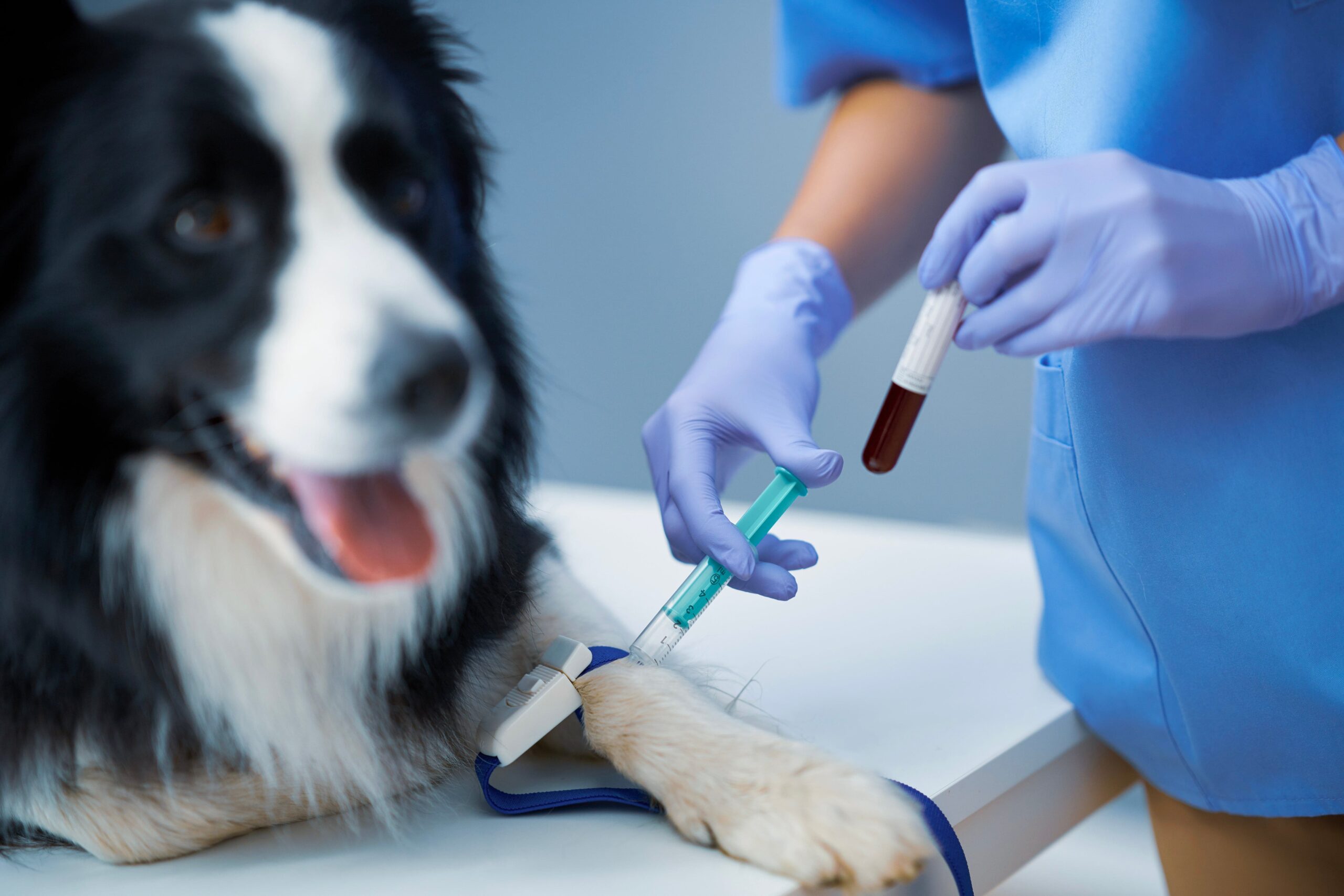
Every responsible dog owner wants to give their pet the longest and healthiest life possible. One way of monitoring our dogs’ health is regular blood testing. But why is it so important, and what can a blood test tell us?
What can I do to keep my dog healthy?
Ongoing veterinary care is vital to keeping your pet healthy. That means remembering the preventive health screening package, protection against ticks and parasites, and rabies vaccination.
Why are blood tests done on dogs?
Veterinarians recommend regular blood tests, which make it possible to:
· Detect many conditions early, before the first symptoms appear.
· Monitor progress during treatment and how the body responds to medication and therapy.
· Check the function of vital organs such as the liver, kidneys and others.
What types of blood tests are there for dogs?
· Complete blood count: shows the animal’s overall state of health. It measures, among other things, the number of red and white blood cells and platelets, which allows anaemia, infections and inflammation to be diagnosed.
· Blood biochemistry: focuses on markers such as glucose, liver enzymes and electrolytes. This allows the function of vital organs such as the liver, pancreas and kidneys to be assessed.
· Hormone tests and other specialist blood tests: help diagnose endocrine disorders such as thyroid or adrenal disease.
· Blood gas analysis: a test that assesses how effectively gases are exchanged and the acid-base balance. It is particularly important in diseases of the lungs, cardiovascular system and kidneys, in severe infections, and after trauma or resuscitation.
These tests can also pick up many other diseases and infections that may show no symptoms, including in the early stages of illness.
How to prepare your dog for a blood test
For the most reliable results, it is worth:
· For tests that require fasting, withholding food and water for around 8 hours before the test.
· If your dog takes regular medication, checking with the vet whether it could affect the results.
What next? How to interpret the results
Blood test results can vary widely and are not always easy for a layperson to interpret. That is why, at the veterinary clinic, the vet should always go through the results with you and explain whether there are any abnormalities and whether further diagnostics or treatment are needed.
Bear in mind, however, that:
· Abnormal results do not always mean a serious illness. They may be the result of a temporary ailment or stress.
· Only a specialist can interpret the results correctly and suggest any further steps.
Frequently asked questions about blood tests in dogs:
· Is a blood test painful for a dog? – Taking a blood sample is quick and usually painless. The veterinary clinic has plenty of experience in drawing blood from animals, so the staff know how to minimise stress and discomfort for your pet.
· How often should a blood test be done? – A routine blood test is recommended once a year, although for older dogs or those with chronic conditions it may be done more often.
· Are there any risks associated with a blood test? – The risk is marginal. There may be slight irritation or bruising at the puncture site, but this usually disappears quickly.
Summary
Regular blood tests are the key to keeping our dogs healthy and catching potential problems early. Thanks to them we can give our pets a long and healthy life. So it is well worth investing in regular check-ups with the vet and looking after our dogs’ health at every stage of their lives.