

-

Parasitic diseases in rabbits: the commonest threats and how to prevent them
Coccidiosis, encephalitozoonosis, ear mange and cheyletiellosis are the parasitic diseases pet rabbits meet most often, and they can go unnoticed for a long time. We explain how they are diagnosed in the laboratory, how they are treated, and which hygiene, quarantine and feeding rules keep infection at bay.
-

How to protect your dog’s paws in winter
Frost, ice and road salt leave a dog's pads irritated, cracked and sometimes frostbitten every winter. We explain how to pick a route and a protective wax before the walk, how to rinse and dry the paws properly once you are home, and which signs mean it is time to call the veterinary clinic.
-

Horner’s syndrome in dogs and cats: signs, causes, diagnosis and treatment
A drooping eyelid, a smaller pupil and a visible third eyelid on one side add up to Horner's syndrome. It is not painful in itself and does not harm sight, but it often signals another, more serious condition underneath. We explain the causes, the diagnostic steps, the pharmacological tests and the treatment options.
What is FIP in cats?
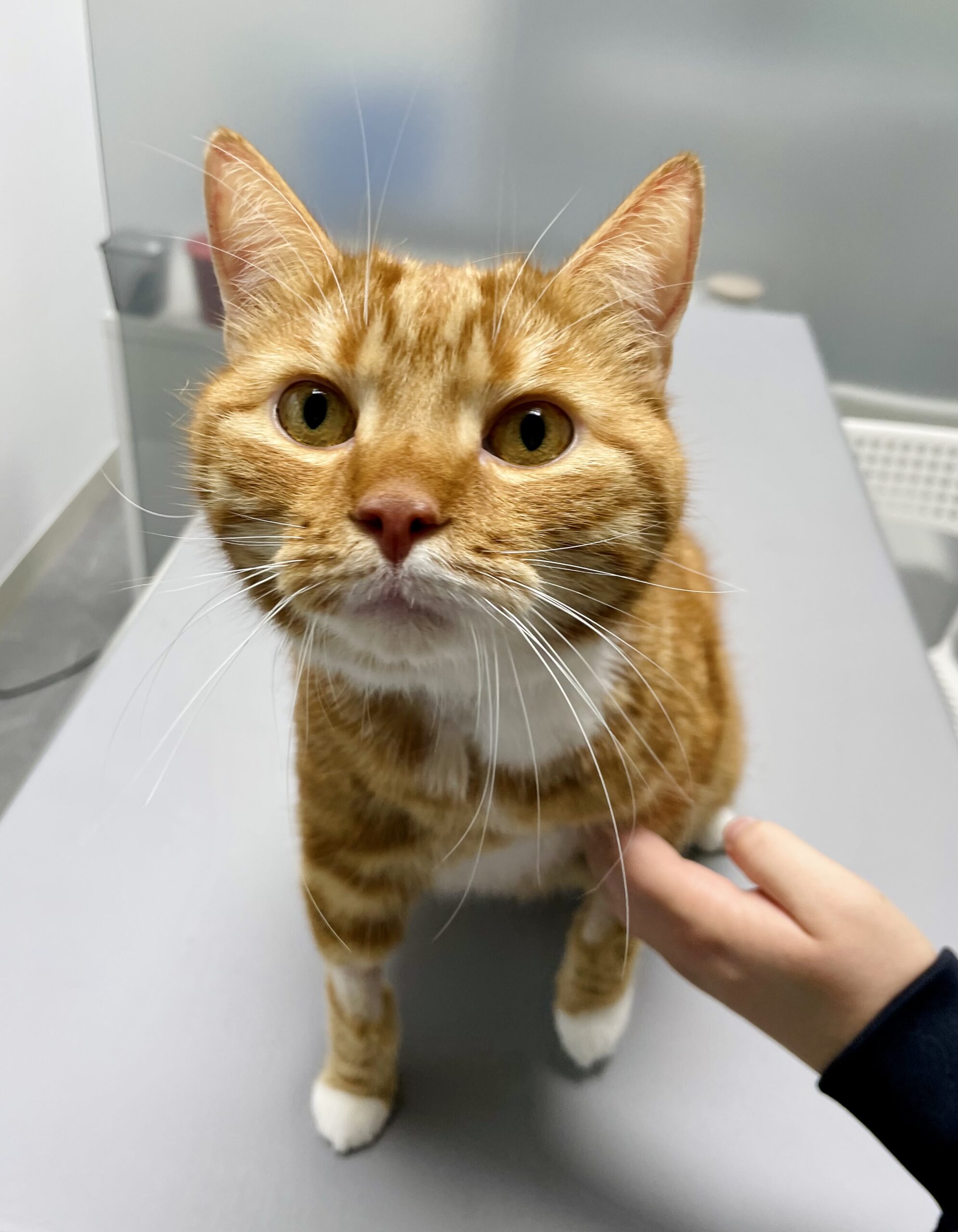
FIP, or feline infectious peritonitis, is a viral disease. The pathogen belongs to the same group as coronavirus, which is why some people call the disease feline coronavirus. The infection leads to inflammation of the peritoneum (the membrane lining the abdominal cavity from the inside). It comes in two forms: effusive (wet) and non-effusive (dry). In the first, fluid builds up in the pleural or abdominal cavity. The dry form is harder to diagnose, because general malaise may be accompanied by other symptoms, for example neurological ones.
The disease most often affects young cats, and its course can vary from case to case. Bear in mind that it can be fatal, but there are simple ways to help prevent it.
How can a cat catch FIP?
First of all, it should be said that the disease affects cats only. Cats can pick up the FIPV virus through contact with another infected cat or with an environment contaminated with the virus. The pathogen is spread mainly through faeces, as well as through nasal and eye discharge. Cats carrying the virus may show no symptoms at all and still infect other cats.
What is more, the virus can be carried by people on clothes or shoes, and in the right conditions it can survive for as long as around 2 months!
Young cats that have not yet built up sufficient immunity are most at risk, but older animals can fall ill too, for example when their immune system is weakened.
What are the symptoms in infected cats?
Depending on the form, the disease can produce different symptoms, and even the location of the lesions can change how a cat behaves. Symptoms include:
What can you do to prevent FIP infection?
As mentioned above, preventing this disease is not difficult at all. However, since no vaccine is available on the Polish market and its effectiveness has not been confirmed, the emphasis has to be on prevention and hygiene.
How is FIP in cats treated?
First of all, this disease is difficult to diagnose. Unfortunately, at present there are no effective treatments for FIP, and the disease is often fatal. The drugs available abroad are still at the trial stage, so treatment focuses on relieving symptoms and improving the cat’s quality of life.
Summary
FIP is a serious and often fatal feline disease. It mainly affects feral cats or those that have been in contact with an infected animal. Good hygiene and keeping your cat in good condition are the key to preventing infection! If you have any questions, feel free to talk to the vets at Zviropolis. We are always happy to answer whatever is on your mind!