

-

Parasitic diseases in rabbits: the commonest threats and how to prevent them
Coccidiosis, encephalitozoonosis, ear mange and cheyletiellosis are the parasitic diseases pet rabbits meet most often, and they can go unnoticed for a long time. We explain how they are diagnosed in the laboratory, how they are treated, and which hygiene, quarantine and feeding rules keep infection at bay.
-
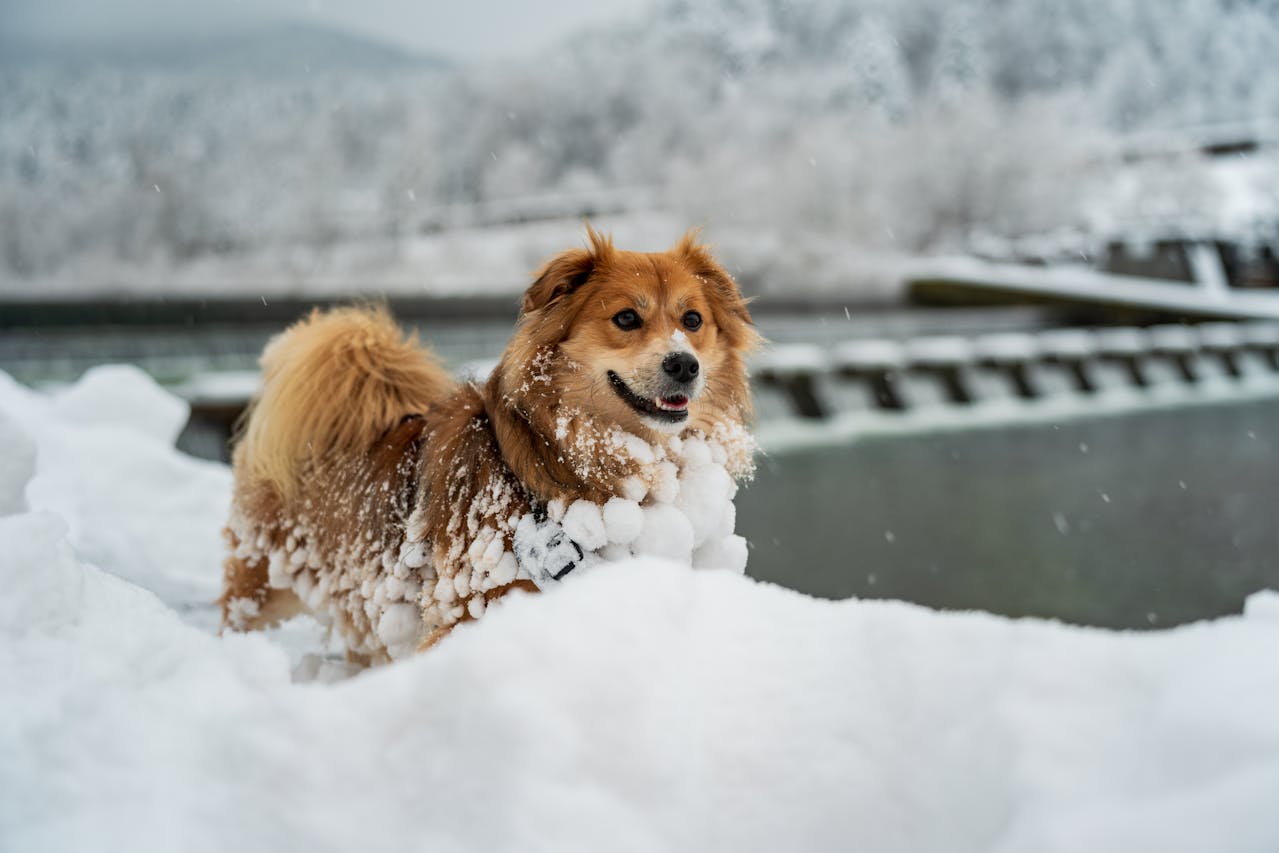
How to protect your dog’s paws in winter
Frost, ice and road salt leave a dog's pads irritated, cracked and sometimes frostbitten every winter. We explain how to pick a route and a protective wax before the walk, how to rinse and dry the paws properly once you are home, and which signs mean it is time to call the veterinary clinic.
-
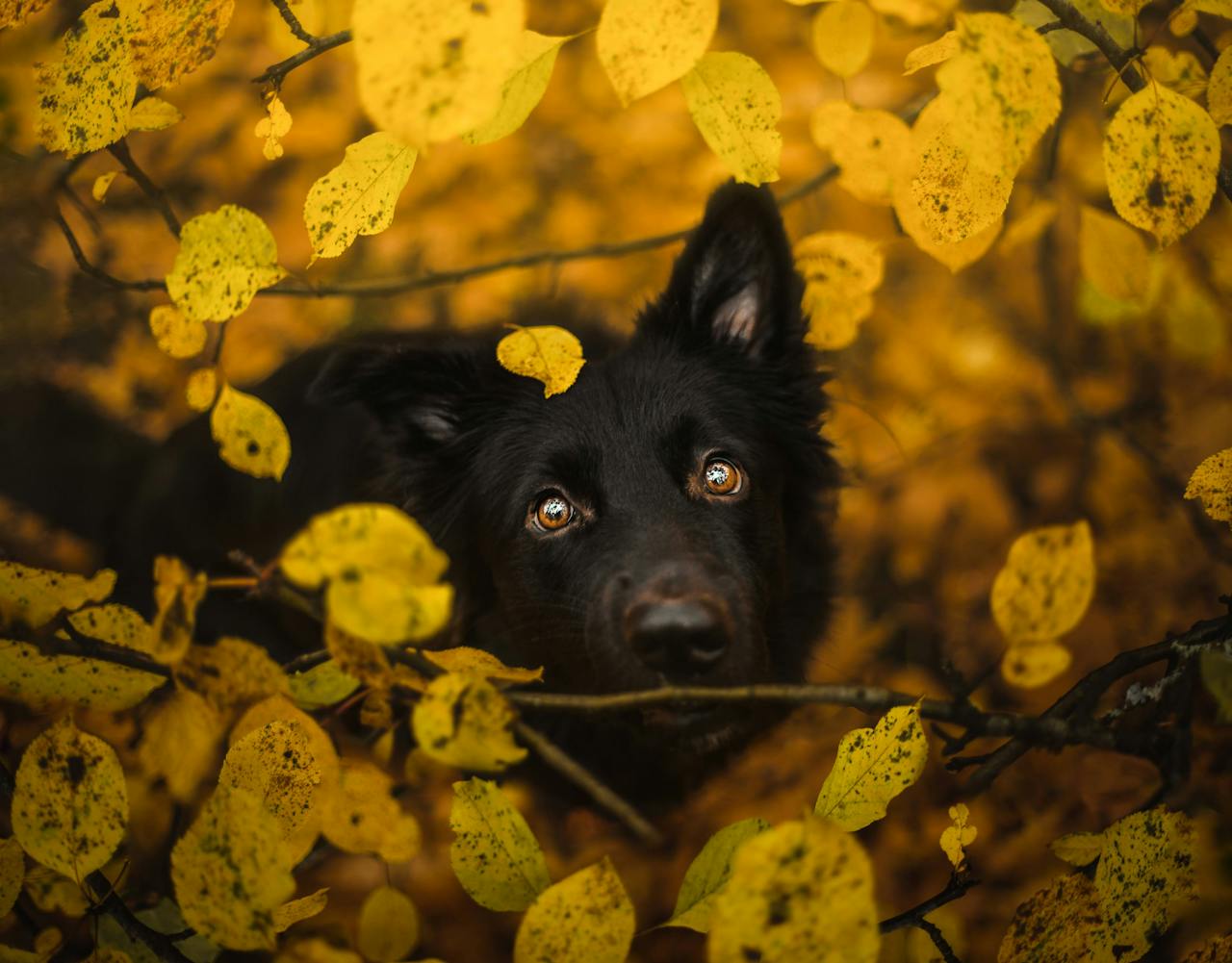
Horner’s syndrome in dogs and cats: signs, causes, diagnosis and treatment
A drooping eyelid, a smaller pupil and a visible third eyelid on one side add up to Horner's syndrome. It is not painful in itself and does not harm sight, but it often signals another, more serious condition underneath. We explain the causes, the diagnostic steps, the pharmacological tests and the treatment options.
Heatstroke in dogs: symptoms, treatment and prevention
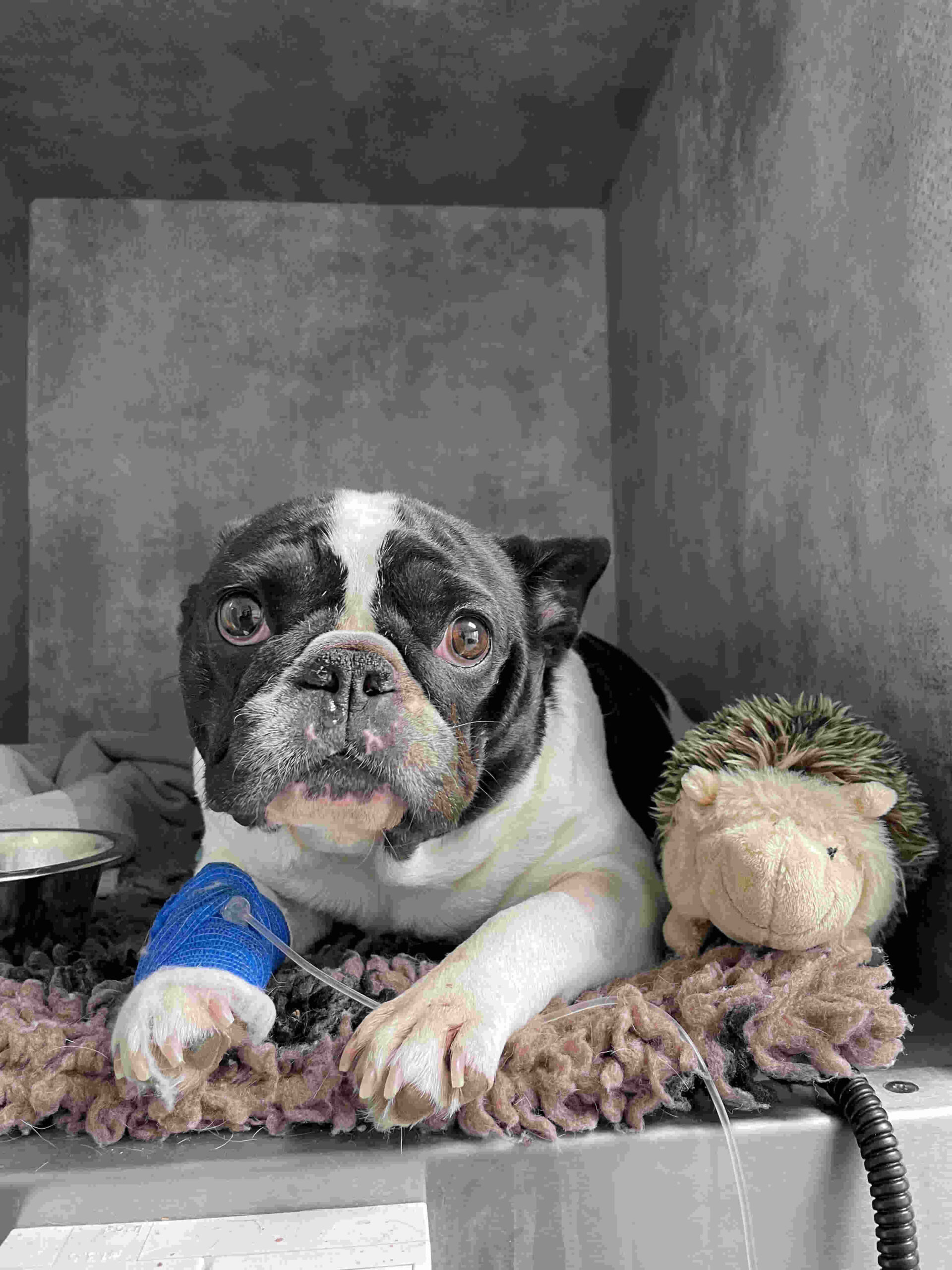
Why do dogs get heatstroke?
Heatstroke is a state of overheating in which the dog is unable to shed excess heat. If the owner does not react in time, it can even become life-threatening. Those most at risk are young and older dogs, dogs with chronic illnesses, dogs with long, thick coats, brachycephalic breeds and animals with respiratory or cardiovascular disease.
Short-muzzled dogs have an even harder time losing heat, because their elongated soft palate and narrow nostrils prevent them from drawing in air properly.
Unlike humans, dogs do not have sweat glands all over their body, so their main way of cooling down is panting, which is how they get rid of excess heat.
What are the first signs of heatstroke?
The symptoms do not have to appear all at once; only some of them may be present, and the most important thing is for the owner to react quickly. Heatstroke is diagnosed when the animal’s body temperature reaches as much as 40.5-43 degrees.
Typical signs of overheating include:
What can you do if your dog is overheated or has heatstroke?
If you notice the symptoms described above in your dog, contact a veterinary clinic as soon as possible and let them know you are on your way.
A dog showing signs of heatstroke should be moved immediately to a cooler place and offered cool, but not ice-cold, water to drink. You can wet the dog’s coat to help bring its body temperature down.
How is heatstroke in dogs treated?
The vet’s first task is to stabilise the dog. Further treatment will depend on the patient’s condition. Remember that the sooner the owner reacts, the better the chances of the dog coming through unharmed.
How to prevent your dog from overheating
Prevention is far better than cure, because heatstroke can even be fatal for dogs.
Remember that on hot days animals also need shade, water and a place to rest. Never, under any circumstances, leave a dog in a car: it heats up quickly, and within a few minutes the temperature inside can reach around 45 degrees.
Walks should take place first thing in the morning and in the evening, once it has cooled down. If possible, shorten or skip the daytime walk altogether. Any physical activity should be planned for the evening so that the dog stays comfortable.