

-
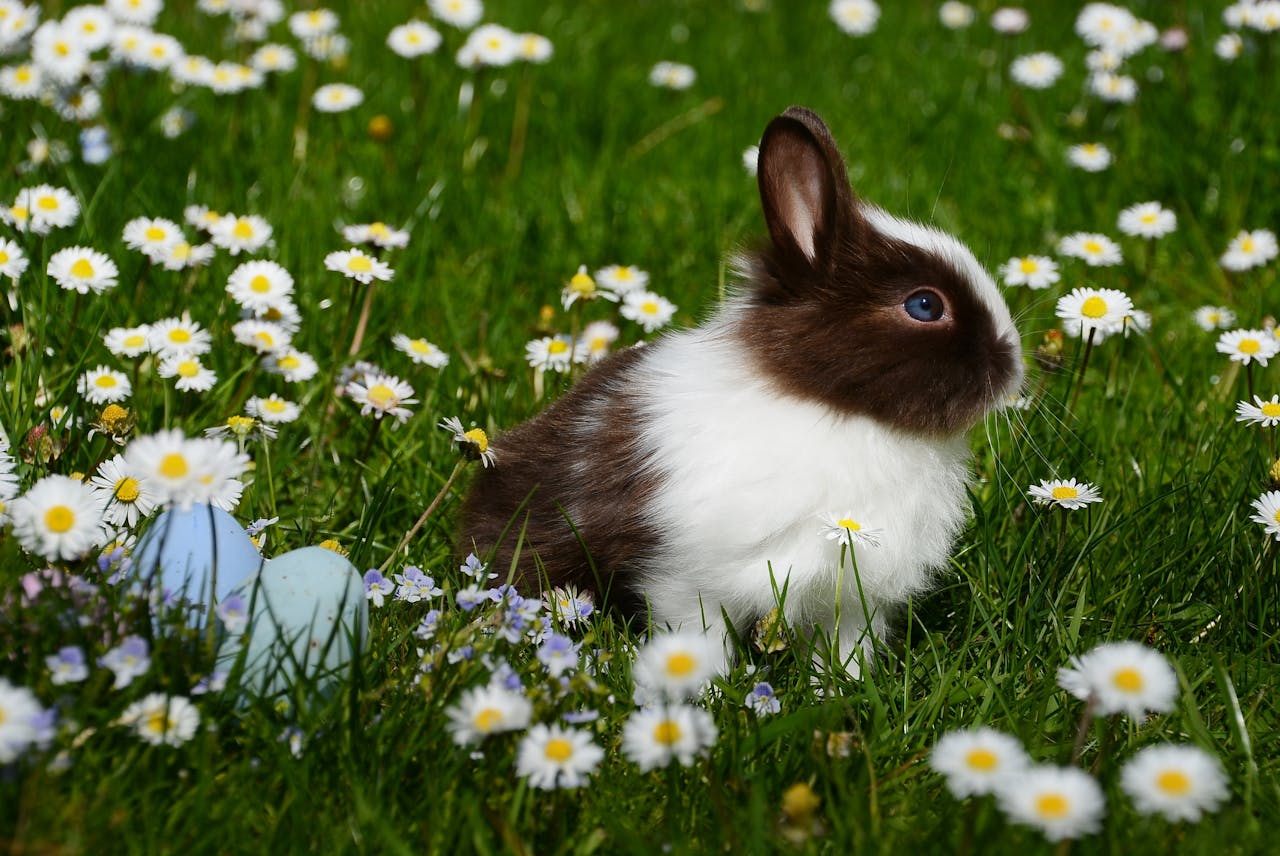
Parasitic diseases in rabbits: the commonest threats and how to prevent them
Coccidiosis, encephalitozoonosis, ear mange and cheyletiellosis are the parasitic diseases pet rabbits meet most often, and they can go unnoticed for a long time. We explain how they are diagnosed in the laboratory, how they are treated, and which hygiene, quarantine and feeding rules keep infection at bay.
-
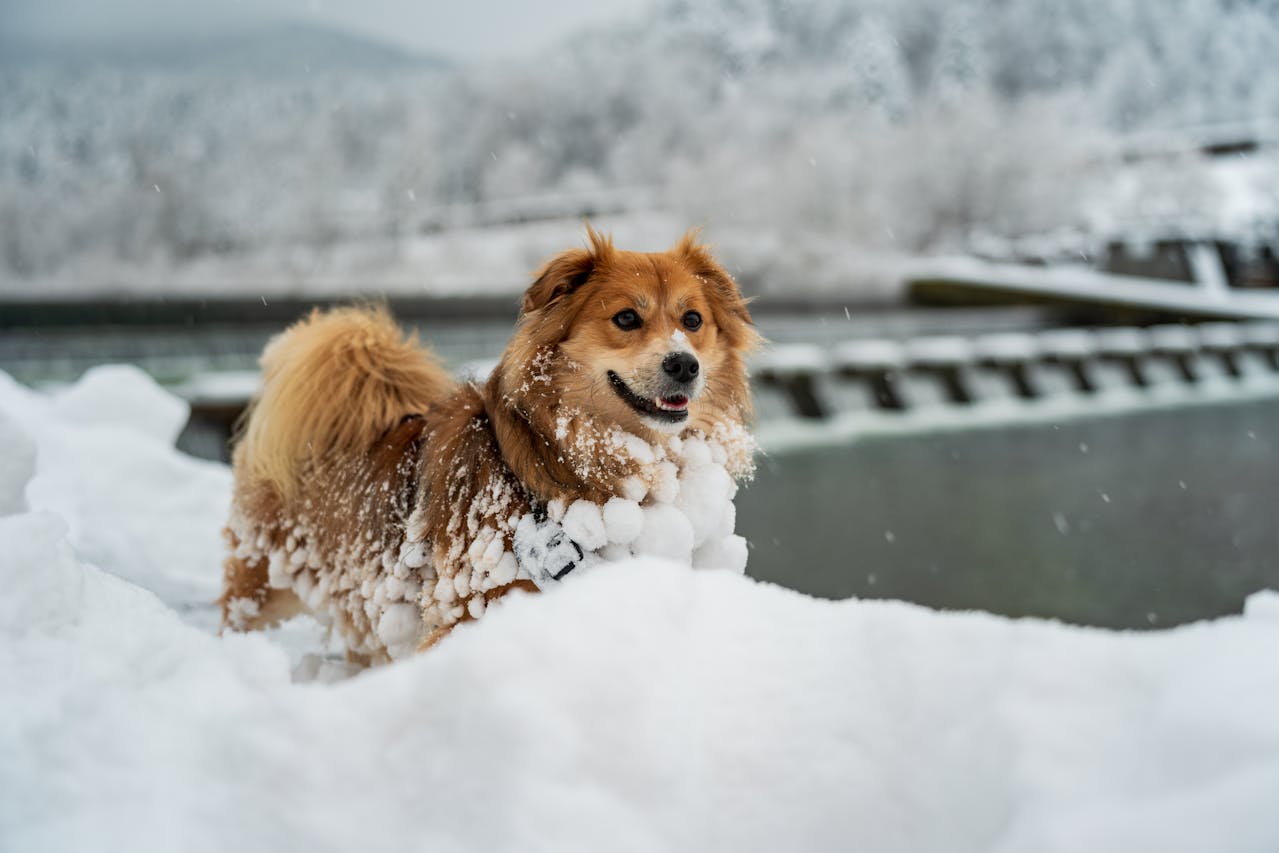
How to protect your dog’s paws in winter
Frost, ice and road salt leave a dog's pads irritated, cracked and sometimes frostbitten every winter. We explain how to pick a route and a protective wax before the walk, how to rinse and dry the paws properly once you are home, and which signs mean it is time to call the veterinary clinic.
-
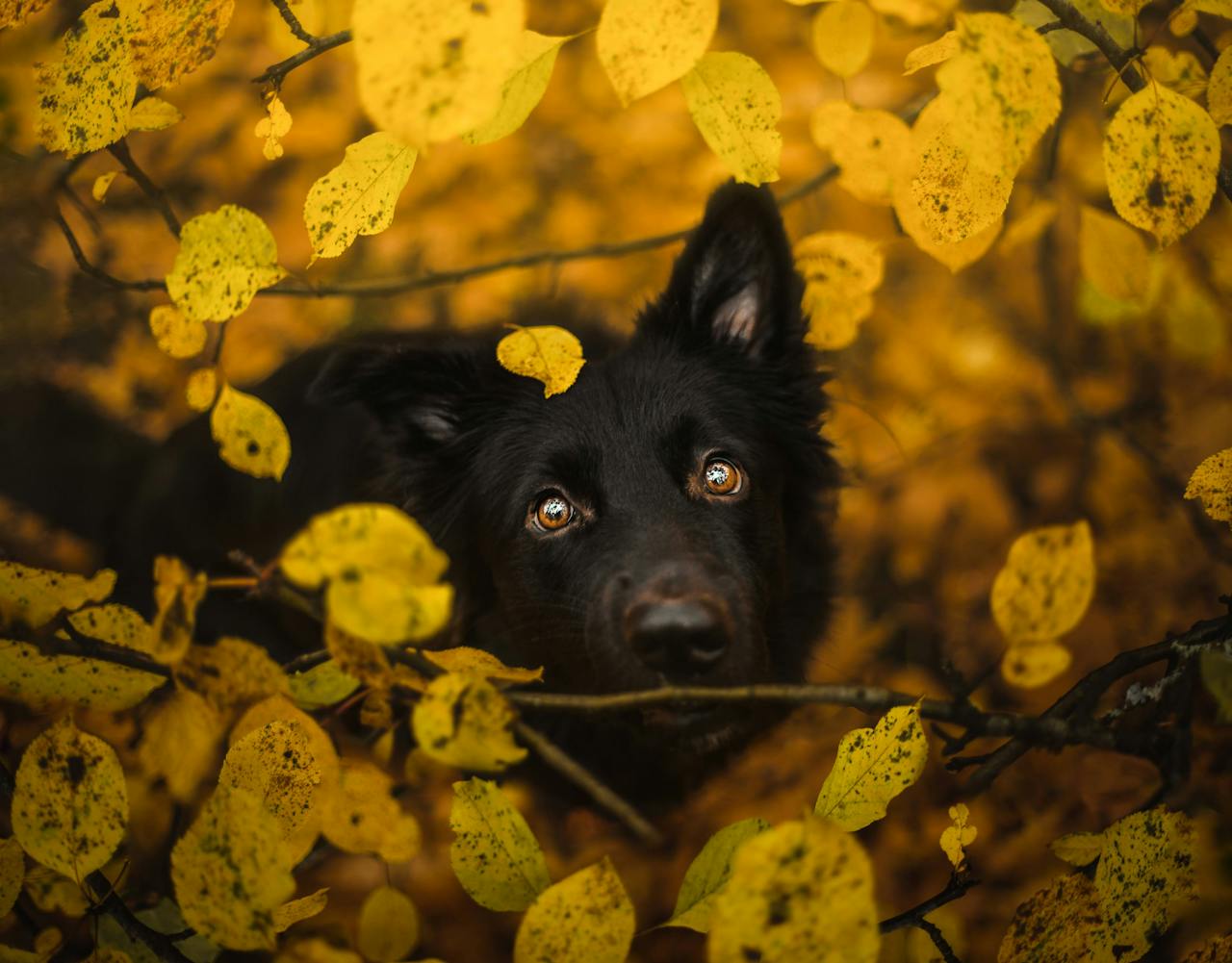
Horner’s syndrome in dogs and cats: signs, causes, diagnosis and treatment
A drooping eyelid, a smaller pupil and a visible third eyelid on one side add up to Horner's syndrome. It is not painful in itself and does not harm sight, but it often signals another, more serious condition underneath. We explain the causes, the diagnostic steps, the pharmacological tests and the treatment options.
Hair Loss in Dogs: Causes, Symptoms, Diagnosis and Treatment
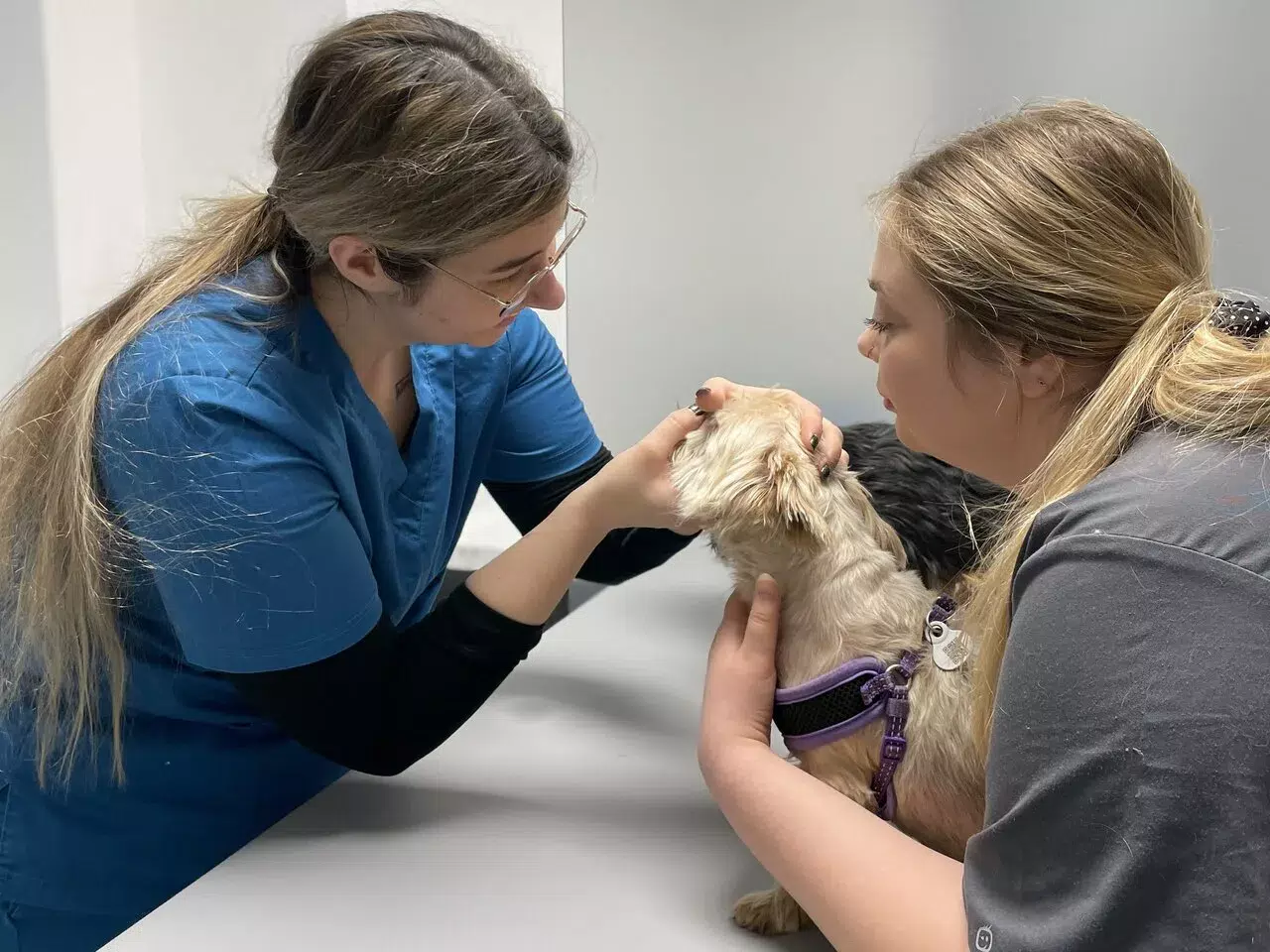
In this article we look at the different aspects of hair loss in dogs, including its causes, symptoms, diagnosis and treatment options. You will learn what can cause excessive shedding in a dog, how to recognise alopecia and which tests your vet may recommend. We will also cover the various treatments depending on the cause of hair loss, along with information on seasonal shedding and how quickly the coat grows back once treatment is complete. You will also find advice on dietary supplements that support coat regrowth.
Causes of hair loss in dogs
Hair loss in dogs can have many causes. One of the main ones is an infestation of skin parasites such as fleas or mange mites. These parasites can cause intense itching, which leads to scratching and skin damage, which in turn can result in excessive hair loss. Another cause of alopecia in dogs is allergies, both food and contact allergies. An allergic reaction can cause skin inflammation and damage to the hair follicles.
Hormonal disorders can also lead to excessive hair loss in dogs. Hypothyroidism and hyperadrenocorticism are examples of such disorders. Bacterial and fungal infections can also affect the condition of a dog’s coat. Bacteria and fungi can cause skin inflammation and weaken the hair follicles, leading to excessive hair loss. Some genetic conditions can also cause alopecia in dogs. Nutritional deficiencies or the use of steroid medication weaken the skin barrier and can lead to excessive hair loss.
Symptoms of hair loss in dogs
Alopecia in dogs is not just excessive shedding; it comes with a range of accompanying symptoms. Inflammatory changes such as redness, swelling or a rash may appear on the bare skin. Thickened, hardened skin is also common, the result of chronic inflammation. In addition, hair loss can lead to changes in skin pigmentation: the skin may become darker or lighter where the hair has fallen out.
One of the most common symptoms of alopecia in dogs is itching. The dog may scratch the bald areas intensely, which can damage the skin and cause sores. Bald patches may also form on the dog’s skin. These can be small and clearly separated from one another, or they can spread across larger areas of the body.
Types of hair loss in dogs
The following types of alopecia can be distinguished in dogs:
Hormonal alopecia
Hormonal disorders such as hypothyroidism or Cushing’s disease can lead to symmetrical hair loss, thinning of the skin and other skin changes.
Allergic alopecia
Food, contact and environmental allergies (for example to pollen or dust mites) can cause intense itching and localised hair loss. These symptoms are often accompanied by redness and skin irritation.
Parasitic alopecia
External parasites such as fleas, lice or mange mites can cause localised hair loss, itching and skin irritation. Regular parasite prevention is key to avoiding this type of alopecia.
Infectious alopecia
Bacterial, fungal and yeast infections can lead to hair loss accompanied by redness, purulent discharge and other signs of inflammation. Accurate diagnosis and treatment with antibiotics or antifungal medication are essential.
Alopecia caused by poor nutrition
Deficiencies in nutrients such as biotin, zinc or unsaturated fatty acids can weaken the structure of the hair and cause it to fall out. A balanced diet is essential for a healthy coat.
Stress-related alopecia
Stress caused by sudden changes in a dog’s environment, moving house, the arrival of a new family member or intense emotional experiences can lead to hair loss. In such cases it is important to identify and minimise the sources of stress.
Idiopathic alopecia
In some cases the cause of hair loss is unknown. This type of alopecia requires detailed diagnostic work to rule out other potential causes. It may involve genetic disorders or unidentified environmental factors.
Patchy alopecia
Characterised by localised, round bald patches, often on the flanks, back or limbs. It can be caused by infections, parasites or local irritation.
Symmetrical alopecia
Symmetrical hair loss, usually caused by hormonal disorders such as hypothyroidism. It appears on both sides of the body in similar places.
Hair loss around the eyes
Hair loss around the eyes, also known as “spectacles”, is often caused by infections, allergies or autoimmune problems. It may be accompanied by redness and irritation of the skin around the eyes. Another common cause of this type of hair loss is demodicosis, a chronic parasitic disease.
Diagnosing hair loss in dogs
Diagnosing alopecia in a dog is a key step in identifying the cause of the problem and starting the right treatment. Your vet may recommend various examinations and tests to reach an accurate diagnosis.
One of the basic tests is a blood test. Blood analysis can help detect hormonal disorders such as hypothyroidism or hyperadrenocorticism. Measuring thyroid hormone levels is particularly important, as hypothyroidism can be one of the causes of hair loss in dogs.
Another important test is microscopic examination of hairs and skin scrapings. This allows the condition of the hair and skin to be assessed under a microscope. It can reveal the presence of skin parasites or other pathogens that may be causing the hair loss.
In some cases your vet may also recommend a skin biopsy for histopathology. This involves taking a skin sample and analysing it under a microscope. The test can provide information about possible inflammatory changes, tumours or other pathological processes in the skin that may be leading to hair loss.
All these examinations and tests are necessary to reach an accurate diagnosis and establish the cause of your dog’s hair loss. Based on the results, your vet will be able to start appropriate treatment targeted at the specific cause of the problem.
Treating hair loss in dogs
Treatment for alopecia in dogs depends on the cause of the hair loss and may involve a variety of therapeutic approaches. The choice of treatment depends on the diagnosis made by your vet. Below are some common treatments depending on the cause of hair loss:
Every case of alopecia in dogs is different, so it is important to consult a vet for an accurate diagnosis and the best treatment plan. Bear in mind that some causes of hair loss cannot be cured; in those cases, supportive therapy and lifelong care of your dog’s skin are the only options.
Seasonal shedding in dogs
It is worth pointing out that there are situations where a pet losing its coat should not worry us. Seasonal shedding in dogs is a completely natural process that depends on the time of year. Dogs go through periods of summer and winter shedding, during which the undercoat is replaced. In summer a dog sheds its thick winter coat to adapt to warmer temperatures. In winter, on the other hand, the undercoat becomes thicker to provide better insulation.
During seasonal shedding a dog may lose hair unevenly, which is perfectly normal. You may notice tufts of undercoat sticking out that can easily be removed with your fingers. It is important, however, to distinguish seasonal shedding from excessive hair loss caused by other health issues.
To support coat regrowth after seasonal shedding, it is worth considering skin and coat supplements. These may contain nutrients such as biotin, zinc and omega-3 fatty acids, which are essential for a healthy coat. Such supplements can support hair regrowth and improve the condition of your dog’s skin.
Remember, though, that you should consult a vet before giving your dog any supplements. The vet will be able to assess your dog’s health and recommend suitable supplements tailored to its individual needs.
How long does it take for a dog’s coat to grow back?
How quickly a dog’s coat grows back after treatment depends on many factors, such as the cause of the hair loss and any recommendations on dietary supplements. Thinning caused by inflammatory conditions such as bacterial or fungal infections starts to grow back relatively quickly, within as little as two weeks. Regrowth after non-inflammatory alopecia, however, can take much longer, up to three months.
With non-inflammatory alopecia, regrowth is slower because the hair follicles need time to regenerate and return to normal function. During this period it is worth supporting your dog’s body with suitable dietary supplements. Skin and coat supplements such as biotin, zinc and omega-3 fatty acids can support hair regrowth and improve the condition of your dog’s skin.