

Extraction of a three-rooted tooth
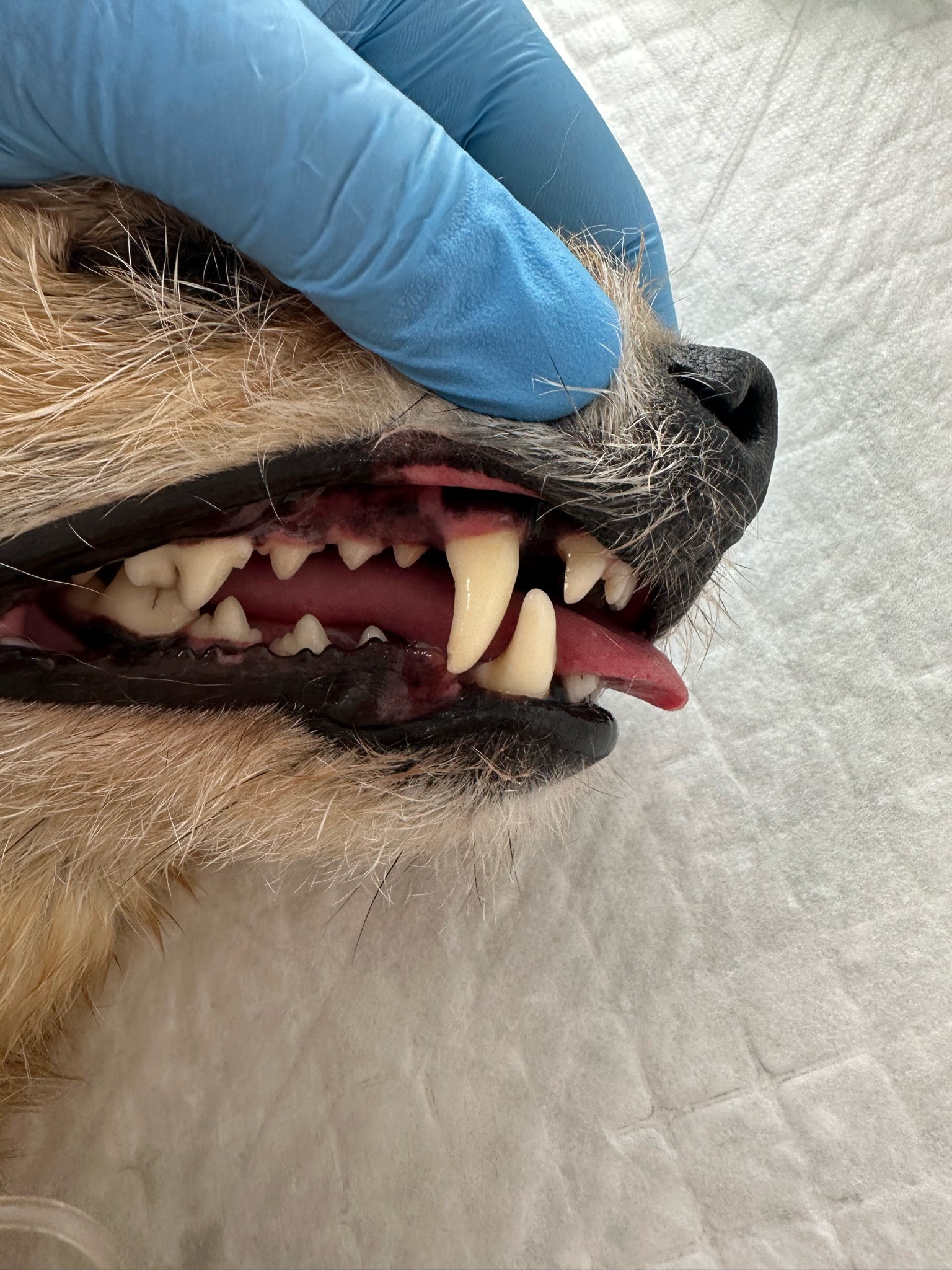
Tooth extraction in animals is a procedure that involves removing one or more teeth from an animal’s mouth. It is necessary when a tooth is badly damaged or infected, or when there is another condition that makes saving the tooth impossible.
Tooth extraction in animals is carried out by a veterinarian, who first performs a dental examination and then makes the appropriate preparations for the procedure. Where a wedge technique is used, the animal is given general anaesthesia so that it feels no pain and is unconscious during the procedure.
Zviropolis has modern dental equipment that is used during this procedure.
During the extraction the veterinarian uses dental instruments such as forceps and elevators to remove the tooth from the mouth. The procedure also includes cleaning and preparing the extraction site and placing sutures if necessary.
Tooth extraction in animals may be needed for a variety of reasons, such as damage, gangrene of the tooth, infections, overgrown teeth or caries. Removing a tooth can reduce pain, prevent infection and improve the animal’s oral health.
After a tooth has been extracted, the animal may be prescribed painkillers or antibiotics if necessary. It is also important for the owner to monitor the animal’s behaviour and the appearance of its mouth after the procedure, and to follow the veterinarian’s advice on diet and oral hygiene.
In complicated extractions, such as removing canine teeth or teeth with a severely worn crown, the veterinarian may refer the animal to a veterinary dental specialist with more advanced skills and experience in this type of procedure.
It is important that tooth extraction in animals is carried out by an experienced veterinarian with the appropriate skills and experience in veterinary dentistry. This ensures the procedure is performed professionally and safely, minimising the risk of complications.