Contact us Make an appointment

How to Tell Your Cat’s Sex: Simple Tips Worth Knowing

Telling a cat’s sex can be a challenge, particularly for anyone who has not looked after cats before. Getting it right matters, because it shapes decisions about your pet’s health, breeding and socialisation.

Appearance as the key to telling the sexes apart

The simplest way to tell a male from a female is to look at the anatomy. The sex is apparent around the genitals. In males over eight weeks of age, the scrotal sac protrudes near the anus and the distance between the anus and the penis is greater. In females that distance is shorter, and the genitals form a double opening resembling the letter “V”. As a rule, the younger the cat, the harder it is to tell, but these features become clearer as the animal grows.

Typical features of males

Males are usually heavier and more muscular than females, which is easy to spot once a cat reaches full maturity. Toms also develop the characteristic broad jowls, more pronounced in some breeds than others. On top of that, entire males often behave in a dominant, territorial way, which can be a useful clue to their sex.

Typical features of females

Females are generally smaller and more slender than males. They tend to be more sociable and less territorial. They often take on a nurturing role, which makes them excellent mothers. Females also have a variable oestrus cycle of around 21 days, another helpful pointer to their sex.

Further tips on determining a cat’s sex

To make the distinction easier still, pay attention to certain behaviours. Males often mark their territory by spraying urine onto vertical surfaces, whereas females do so far less frequently unless they are in season. You can also ask a veterinarian, who will be able to determine the sex precisely and advise you on your cat’s health and on procedures such as neutering or spaying.

Can coat colour indicate a cat’s sex?

Coat colour is not a direct indicator of a cat’s sex, but there are certain patterns linking colour and sex that can help in some cases. The best-known example is the gene responsible for tortoiseshell colouring — black, white and ginger.

In cats, the gene for tortoiseshell colouring (black, white and ginger patches) sits on the X chromosome. As a rule, therefore, only females can be tortoiseshell, because they carry two X chromosomes (XX), which allows that combination of colours. Males, with only one X chromosome (XY), can be black or ginger but never tortoiseshell. So if you come across a tortoiseshell cat, there is a strong chance it is female.

Other colours and patterns, such as tabby or solid coats, occur in males and females alike, so they cannot be linked to sex. It is worth remembering that while coat colour may offer a clue, it is not a reliable way to determine a cat’s sex. The surest approach is to observe the animal’s anatomy and behaviour and, if in doubt, to seek veterinary advice.

The best age to determine a cat’s sex

The best time to determine a cat’s sex is at around eight weeks of age. By then the anatomical features are distinct enough to tell apart with confidence. Between six and twelve weeks there are marked differences in the reproductive organs, which makes identification easier. In males the genitals become more visible and the distance between the anus and the penis is greater, setting them apart from females. In younger kittens the assessment is harder, because the organs are less developed and less distinct. To be certain, consult a veterinarian, whose experience allows them to determine the sex accurately in kittens and adults alike.

Summary

Determining a cat’s sex is straightforward once you know the key features and the differences between males and females. Appearance, behaviour and the typical characteristics of adult cats together let you identify your pet’s sex reliably. Follow these tips to understand your cat’s needs better and give them the care they deserve.

What Is a Hot Spot in Dogs? Causes, Symptoms and Treatment

Hot spots in dogs are a problem that catches many owners off guard. These painful skin lesions come on suddenly and spread quickly, which makes them hard to miss. In this article we take a closer look at the condition, covering its signs, its causes and how it is treated. Knowing how to recognise a hot spot and respond to it is essential if you want to keep your pet comfortable and healthy. You will also learn how to prevent them and when a trip to the vet is unavoidable.

  • A hot spot is a localised inflammation of the skin marked by moisture, redness and pain. It can appear suddenly and spread fast.
  • The signs of a hot spot include red, moist patches on the skin, intense itching and bald areas caused by excessive licking and scratching.
  • Hot spots are triggered by food and environmental allergies, insect bites, and bacterial or fungal infections. Excessive licking brought on by stress is another risk factor.
  • Treating a hot spot involves clipping the hair around the lesion, cleaning the area with antiseptics and applying antibacterial or antifungal ointments. A consultation with a veterinarian is recommended.
  • To prevent hot spots, groom your dog regularly, feed a diet rich in omega-3 fatty acids and see your vet for health checks and parasite control.
  • Contact your vet if the lesions spread quickly or several appear at once. Intense itching, a foul smell or sticky discharge all call for a professional assessment.

What is a hot spot in dogs?

A hot spot in a dog is a localised inflammation of the skin characterised by moisture, redness and considerable pain. These lesions can appear out of nowhere and spread rapidly, which is why owners are so often taken by surprise. Hot spots are most common in warm, humid weather, but they can occur at any time of year.

There are a few features that give a hot spot away:

  • Moisture: the lesion is usually damp, which encourages bacteria to multiply.
  • Redness: the skin over a hot spot is a vivid red.
  • Pain: the dog is in discomfort, which leads to constant licking or scratching of the area.

Recognising these signs early and acting on them is key to your dog’s wellbeing. It stops the skin from deteriorating further and gives your pet relief from the discomfort.

Signs of a hot spot in dogs

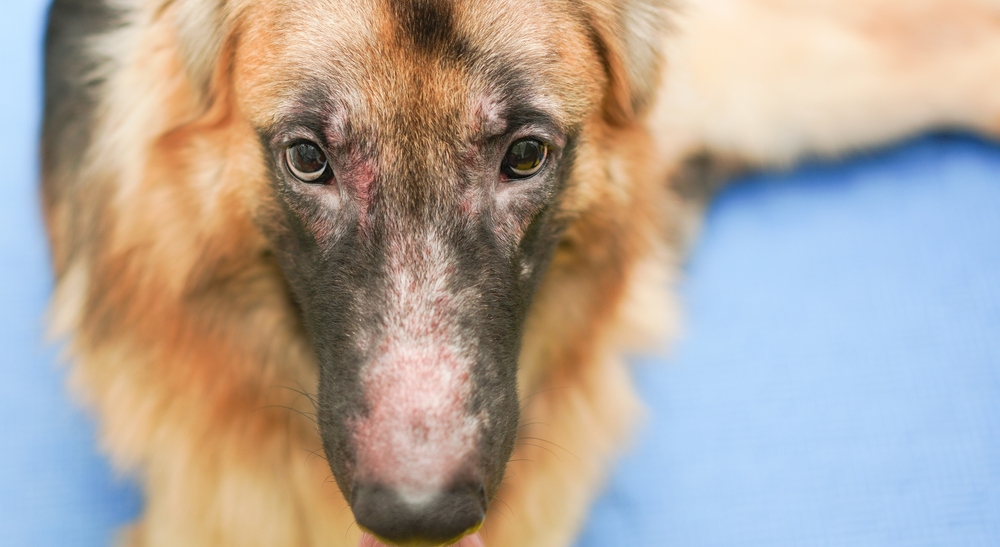
A hot spot is a skin problem that can flare up suddenly and worsen at an alarming rate. The classic signs are red, moist patches on the skin caused by localised inflammation. These lesions often lead to bald patches, because the dog licks and scratches the affected area relentlessly in an attempt to relieve the itching and pain. That only irritates the skin further and makes matters worse.

Hot spots can develop very quickly, sometimes within a matter of hours. Owners therefore need to stay alert and act immediately. Left untreated, a hot spot can lead to far more serious complications. The typical signs are:

  • Red, moist patches – the first indication that something is wrong.
  • Intense itching and pain – leaving the dog thoroughly uncomfortable.
  • Bald patches – the result of excessive licking and scratching.

Understanding these signs is what allows you to identify the problem quickly and start the right treatment, sparing your pet further health complications.

What causes hot spots

Hot spots in dogs have many possible causes, and these are often interlinked. One of the main culprits is allergy, both dietary and environmental. Allergens such as pollen, dust mites or particular ingredients in a dog’s food cause intense itching and skin irritation, prompting the dog to scratch and lick excessively. That in turn damages the skin and allows a hot spot to develop. Another frequent cause is insect bites from fleas or mosquitoes, which are equally itchy.

Alongside allergies and bites, bacterial or fungal infections can also give rise to hot spots. Where the skin is already damaged or irritated, bacteria and fungi find an easy way in, and infection can follow. Some dogs are also prone to excessive licking or scratching out of stress or boredom, which irritates the skin in much the same way. To make sense of these factors, it is worth keeping the following in mind:

  • Food allergies: reactions to specific proteins in the dog’s diet.
  • Environmental allergies: pollen, moulds and dust mites as potential allergens.
  • Infections: bacteria and fungi attacking damaged skin.
  • Excessive licking: usually driven by stress or boredom.

Understanding these causes makes it far easier to prevent hot spots in dogs and to treat them effectively.

How is a hot spot treated?

Treating a hot spot calls for care and the right approach if the area is to heal quickly and properly. The first step is to clip the hair around the lesion, which lets air reach the skin and makes the affected area easier to work with. Next, the area should be cleaned thoroughly with a gentle antiseptic to remove bacteria and speed up healing. It is also worth applying antibacterial or antifungal ointments to help fight the infection. Bear in mind that home care alone may not be enough, so it is always sensible to consult a veterinarian.

Your vet will help choose the right medication and advise you on preventing further skin problems. In some cases antibiotics or steroids are needed to bring down the inflammation and ease the pain. A protective collar can stop your dog from making the skin worse by licking or scratching. Some gentle home remedies can support the treatment as well. Here are a few suggestions:

  • Aloe vera – soothes the skin and speeds up healing.
  • Coconut oil – has antibacterial and moisturising properties.
  • Tea tree oil – helps fight bacteria.

Do remember, though, that before using any of these you should check with your vet to make sure they are safe for your pet.

Preventing hot spots

Keeping hot spots at bay comes down to a handful of key points in the way we groom and care for our four-legged companions. Regular brushing is one of the most important. It removes dead hair and prevents matting, which traps moisture against the skin. Keeping the coat dry matters because a damp environment encourages bacteria and fungi to grow, and that leads to skin irritation.

Diet plays a significant part in preventing skin problems too. Make sure your dog’s meals are rich in omega-3 fatty acids, which support healthy skin and coat. Regular veterinary check-ups are essential for monitoring your dog’s health, as is parasite control, which guards against insect bites that can set off allergic reactions. Here are a few pointers:

  • Regular brushing – prevents matting and trapped moisture.
  • A diet rich in omega-3 fatty acids – supports healthy skin and coat.
  • Regular veterinary check-ups – health monitoring and parasite control.

When should you see a vet?

If you notice that your dog’s skin lesions are spreading at an alarming rate, or that several appear at once, do not put off a visit to the vet. Fast-developing hot spots can lead to serious health complications. Untreated inflammation may spread to other parts of the body, increasing the risk of infection and undermining your dog’s overall health. In cases like these, home remedies on their own are unlikely to be enough.

It is also worth watching for accompanying signs that point to the need for veterinary advice. The following should give you pause:

  • Intense itching and pain that leave the dog restless or aggressive.
  • A foul smell coming from the affected area, which may indicate a bacterial infection.
  • Sticky, yellowish discharge, a sign that the inflammation is well advanced.

A veterinary consultation allows for an accurate diagnosis and the right course of treatment, which may include antibiotics or anti-inflammatory medication. Remember that acting quickly is crucial for your pet’s health.

Summary

Hot spots in dogs are localised skin inflammations that can be extremely painful and distressing for the animal. They are characterised by moisture, redness and considerable pain. The lesions appear suddenly and spread quickly, which often takes owners by surprise. They are most common in warm, humid weather, but they can occur at any time. Recognising signs such as red, moist patches, intense itching and bald areas early on matters a great deal for your dog’s health.

The causes of hot spots are varied and frequently interrelated: food and environmental allergies, insect bites, and bacterial or fungal infections. Treatment demands care — clipping the hair around the lesion, cleaning the area and applying antibacterial or antifungal ointments. It is also worth consulting a vet to choose the right medication and head off further skin problems. Regular grooming, a suitable diet and veterinary check-ups all help to keep these lesions from developing in the first place.

Frequently asked questions

Which dog breeds are most prone to hot spots?

Some breeds, including Golden Retrievers, Labradors, German Shepherds and Newfoundlands, are more likely to develop hot spots. This is down to their dense coats and their tendency towards skin allergies.

Can hot spots be mistaken for other skin problems?

Yes, hot spots can be confused with other skin conditions such as ringworm or bacterial infections. That is why, if you are in any doubt, you should see a vet for a proper diagnosis.

Can a dog’s diet affect the development of hot spots?

Diet matters a great deal for a dog’s skin health. A poor diet lacking essential nutrients can lead to skin problems, hot spots among them. Make sure your pet gets enough omega-3 and omega-6 fatty acids.

Can stress contribute to hot spots in dogs?

Stress is one of the factors that can drive a dog to lick and scratch excessively, which raises the risk of a hot spot developing. It is important to give your dog a calm environment and plenty of physical exercise.

How long does it take to treat a hot spot?

That depends on how advanced the lesion is and on the treatment used. Improvement usually shows within a few days of starting treatment, but complete healing can take one to two weeks.

Can recurring hot spots be prevented?

To reduce the risk of a recurrence, groom your dog’s coat regularly, keep it dry and look after their diet and general health. Regular veterinary visits will help you monitor the skin and respond quickly to any problems.

How to House Train Your Dog Effectively

Bringing a dog into our lives is not only a source of joy and pleasure but also a responsibility for its upbringing. One of the basics worth paying attention to is house training. Why does it matter so much? Above all, it is about keeping the home hygienic and everyone in it comfortable. A dog that knows where it should go to the toilet minimises the risk of unpleasant surprises and helps keep the house in order. What is more, house training builds trust between the animal and its owner, which means a better relationship and a greater sense of security for your pet. In this article we look at the benefits of house training your dog and share practical tips on how to go about it.

  • Keeping the home hygienic is easier when a dog knows where it should go to the toilet, which means far less cleaning up.
  • Building trust between dog and owner matters; a dog feels safer when its needs are respected.
  • House training helps you avoid damage to furniture and floors, as well as disputes with neighbours if you live in a block of flats.
  • Starting training from the very first day in the new home is essential; watching for the signals your dog gives helps you respond effectively.
  • Designating a toilet spot and rewarding your dog for getting it right supports the learning process.
  • Moving from puppy pads to walks means gradually taking the dog outside more often and rewarding it for successes outdoors.
  • Adult dogs can be house trained too, with regular walks and positive reinforcement.
  • Health problems can affect a dog’s ability to stay clean; if behaviour changes suddenly, it is worth consulting a vet.

Why is house training worth the effort?

House training your dog is not just a matter of appearances; above all, it improves hygiene in the home. A dog that knows where it should go to the toilet helps keep its surroundings clean and tidy. That way you avoid the unpleasant business of cleaning up after your pet in places that were never meant for it. Building trust between dog and owner is another important aspect. When a dog understands the house rules and knows its needs are respected, it feels safer and more at ease.

It is also worth stressing that house training spares you a lot of unpleasant situations. A dog that can relieve itself outside is less likely to damage furniture or floors with moisture or the smell of urine. It is also a way of avoiding disputes with neighbours if you live in a block of flats.

  • Better hygiene – less cleaning and a cleaner home.
  • Trust – the dog feels more confident and more bonded to its owner.
  • No more problems – no nasty surprises in the form of stains or smells.

With these benefits, both you and your pet can enjoy living together in harmony.

First steps in house training

It is extremely important to start house training from the very first day your dog arrives in its new home. Pay attention to the signals your dog gives when it needs to go. Watch for behaviour such as circling, sniffing the floor or restlessness. These are the moments to step in and guide your dog to its designated spot. Consistency and patience are key to the whole process. Remember that a young dog cannot yet control its bladder and bowels as well as an adult, so taking it outside frequently will help it understand the house rules.

To house train your dog effectively, it is worth using a few tried-and-tested methods:

  • Designate a spot in the home where your dog can go to the toilet – puppy pads are the best option.
  • Reward your dog every time it goes in the right place – verbal praise and treats are great motivators.
  • Stay alert – respond quickly to your dog’s signals and guide it to the designated spot.

With these simple steps you can get your pet’s house training off to a good start. Remember that every dog is different and may need a different amount of time to take in the new rules. What matters is being a consistent and patient owner.

How to teach a puppy to pee in a designated spot

To teach a puppy to pee in a designated spot, start by setting up a suitable area in the home. Choose a place that is easy for the dog to reach but does not get in the way of the household. Puppy pads can be extremely helpful in the early stages of training. They are made of absorbent materials that soak up moisture and odours, which helps keep the home clean. Put the pad in your chosen spot and regularly encourage your puppy to use it, especially after meals, naps and play.

A key element of training is consistently rewarding your dog for going in the right place. Every successful use of the pad should be rewarded with a treat or verbal praise. That way the dog will quickly understand that this is the behaviour you want. Here are a few tips that can help with the learning process:

  • Watch for signals – pay attention to the moments when your dog starts circling or sniffing, which may mean it needs to go.
  • Be consistent – regularity is the key to success; try to take your dog to the pad at set times of day.
  • Avoid punishment – if there is an accident, do not scold the dog; simply clean up calmly and carry on with the training.

Remember that patience and consistency matter most when house training a puppy. With the right approach and positive reinforcement, your pet will soon learn to go to the toilet in the right place.

Moving from the pad to walks

Moving from the pad to walks is an important stage in house training. To wean your pet off using the pad, gradually increase how often you go for walks. Taking the dog outside regularly helps it understand that the grass is the right place to go. Bear in mind that walks should take place every 3–4 hours, and after every successful toilet trip outdoors you should reward the dog with a treat or verbal praise. That way the dog will start to associate walks with positive experiences.

Difficulties can crop up while you are moving toileting outdoors. Some dogs may initially refuse to go outside, especially if they have grown used to the pad. In such cases it can help to take the pad with you on the walk and lay it out on the grass, which lets the dog link the new place with its familiar behaviour. It is also important not to punish the dog for any accidents at home, but to focus on rewarding successes outdoors. Here are a few tips that may help:

  • Watch for signals – pay attention to behaviour that may indicate your dog needs to go out.
  • Be patient – every dog learns at its own pace.
  • Consult a behaviourist – if you run into difficulties, it is worth seeking help from a specialist.

House training adult dogs

Owners of adult dogs with house-training problems can feel bewildered and frustrated. There are, however, effective methods that can help solve the problem. First of all, it is worth running training similar to that used for puppies. Regular walks are essential: an adult dog should have the chance to go outside at least several times a day. It is important to reward the dog for going outdoors, which will help it understand that this is the right place for it. Remember that patience and consistency are indispensable in the learning process.

For rescue dogs or those with a difficult past, extra steps may be necessary. Such dogs often need more time to adjust to their new circumstances. It is worth considering a consultation with an animal behaviourist, who can help identify any trauma and suggest tailored solutions. Here are a few tips:

  • A regular walking schedule – keeping to set times for going out helps the dog settle into its new routine.
  • Rewarding good behaviour – praise and treats for going outdoors reinforce good habits.
  • Restricting access to problem areas – if the dog tends to go in particular places in the home, it is worth limiting its access to those areas.

Remember, too, to be patient and empathetic – every dog is different and may need a different amount of time to take in the new rules.

Health problems and house training

Health problems can have a significant effect on a dog’s ability to stay clean. We often do not realise that a sudden change in our pet’s behaviour may be down to some underlying ailment. Watch out for signs such as frequent urination, difficulty controlling the bladder or unusual behaviour on walks. They may point to urinary tract problems, infections or other conditions. In such cases a consultation with a vet is essential; the vet will carry out the appropriate tests and make a diagnosis.

Certain diseases, such as diabetes or kidney failure, can also lead to a dog having trouble staying clean. That is why it is important to watch for any changes in behaviour and act on them early.

  • Regular visits to the vet will help keep track of your dog’s health.
  • It is also worth looking out for additional symptoms, such as changes in appetite or weight.

Remember that a prompt response can prevent more serious health problems and improve our four-legged friend’s quality of life.

Summary

House training your dog matters not just for the sake of appearances but, above all, for hygiene in the home. A dog that knows where it should go to the toilet helps keep things in order and avoids the unpleasant business of cleaning up in places that were never meant for it. Building trust between dog and owner is important too; a dog that understands the house rules feels safer and more at ease.

Moving from the pad to walks is a key stage in house training. Taking the dog outside regularly helps it understand that the grass is the right place to go. Remember to reward your dog for successes outdoors, and to be patient and consistent throughout the learning process. For adult dogs with house-training problems, regular walks and rewarding good behaviour can be an effective solution. Where health problems are involved, it is worth consulting a vet to rule out any conditions affecting your dog’s ability to stay clean.

Frequently asked questions

What are the most common mistakes made when house training a dog?

The most common mistakes are inconsistency in training, punishing the dog for accidents and irregular walks. It is also best to avoid changing the places where the dog is supposed to go, as this can confuse it.

Do all dogs learn house training at the same pace?

No, every dog is different and the pace of learning can vary. Some dogs pick up the new rules quickly, while others may need more time and patience from their owner.

Are there breeds that are harder to house train?

Some breeds can be more stubborn or independent, which can make training harder. With the right approach and consistency, however, any breed can be house trained.

How do I deal with a dog that is afraid to go outside?

It is best to get the dog used to walks gradually, starting with short outings and slowly extending them. You can also consult an animal behaviourist, who can help identify the causes of the fear and suggest suitable solutions.

Can an adult dog be house trained in the same way as a puppy?

Yes, adult dogs can be house trained too. The process may take more patience and time than with puppies, but regularity and positive reinforcement do bring results.

What signs may point to health problems related to a dog’s toileting?

Signs such as frequent urination, difficulty controlling the bladder or unusual behaviour on walks may point to health problems. In such cases it is worth consulting a vet.

Are puppy pads necessary for house training?

Puppy pads can be helpful in the early stages of house training, especially for puppies or dogs living in flats. They help keep the home clean and teach the dog to use a designated spot.

How long does house training take?

The time needed for house training depends on many factors, such as the dog’s age, its temperament and the owner’s consistency. It can take anywhere from a few weeks to a few months.

Is rewarding with treats effective in house training?

Rewarding with treats is an effective way of reinforcing good behaviour in dogs. It helps the dog associate the right toilet spot with positive experiences more quickly.

What if my dog still refuses to go to the toilet outside?

If your dog will not go outside, try taking the puppy pad with you on walks or consult an animal behaviourist. It is also important to watch the signals your dog gives and adapt the training to its needs.