

-
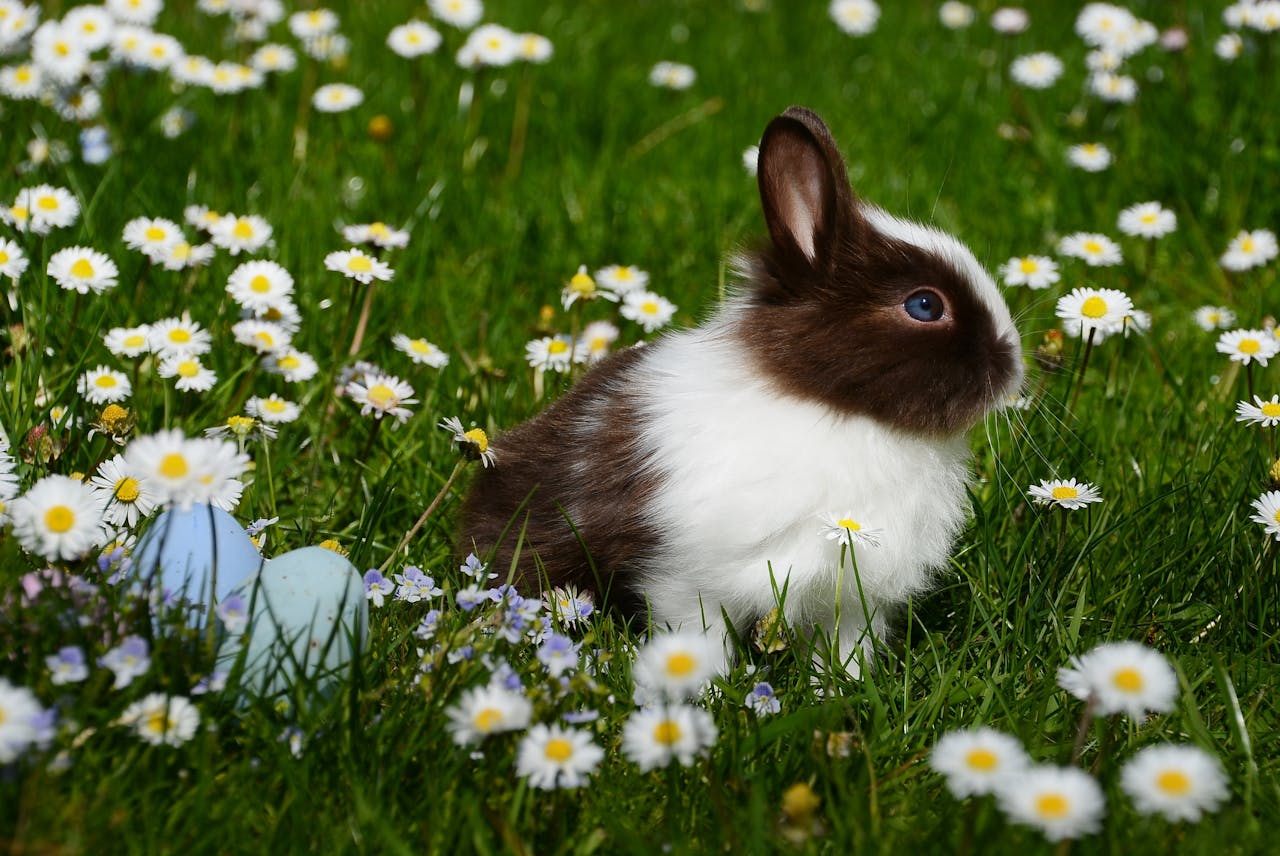
Parasitic diseases in rabbits: the commonest threats and how to prevent them
Coccidiosis, encephalitozoonosis, ear mange and cheyletiellosis are the parasitic diseases pet rabbits meet most often, and they can go unnoticed for a long time. We explain how they are diagnosed in the laboratory, how they are treated, and which hygiene, quarantine and feeding rules keep infection at bay.
-

How to protect your dog’s paws in winter
Frost, ice and road salt leave a dog's pads irritated, cracked and sometimes frostbitten every winter. We explain how to pick a route and a protective wax before the walk, how to rinse and dry the paws properly once you are home, and which signs mean it is time to call the veterinary clinic.
-

Horner’s syndrome in dogs and cats: signs, causes, diagnosis and treatment
A drooping eyelid, a smaller pupil and a visible third eyelid on one side add up to Horner's syndrome. It is not painful in itself and does not harm sight, but it often signals another, more serious condition underneath. We explain the causes, the diagnostic steps, the pharmacological tests and the treatment options.
Your cat’s heart: understanding heart disease in our furry friends
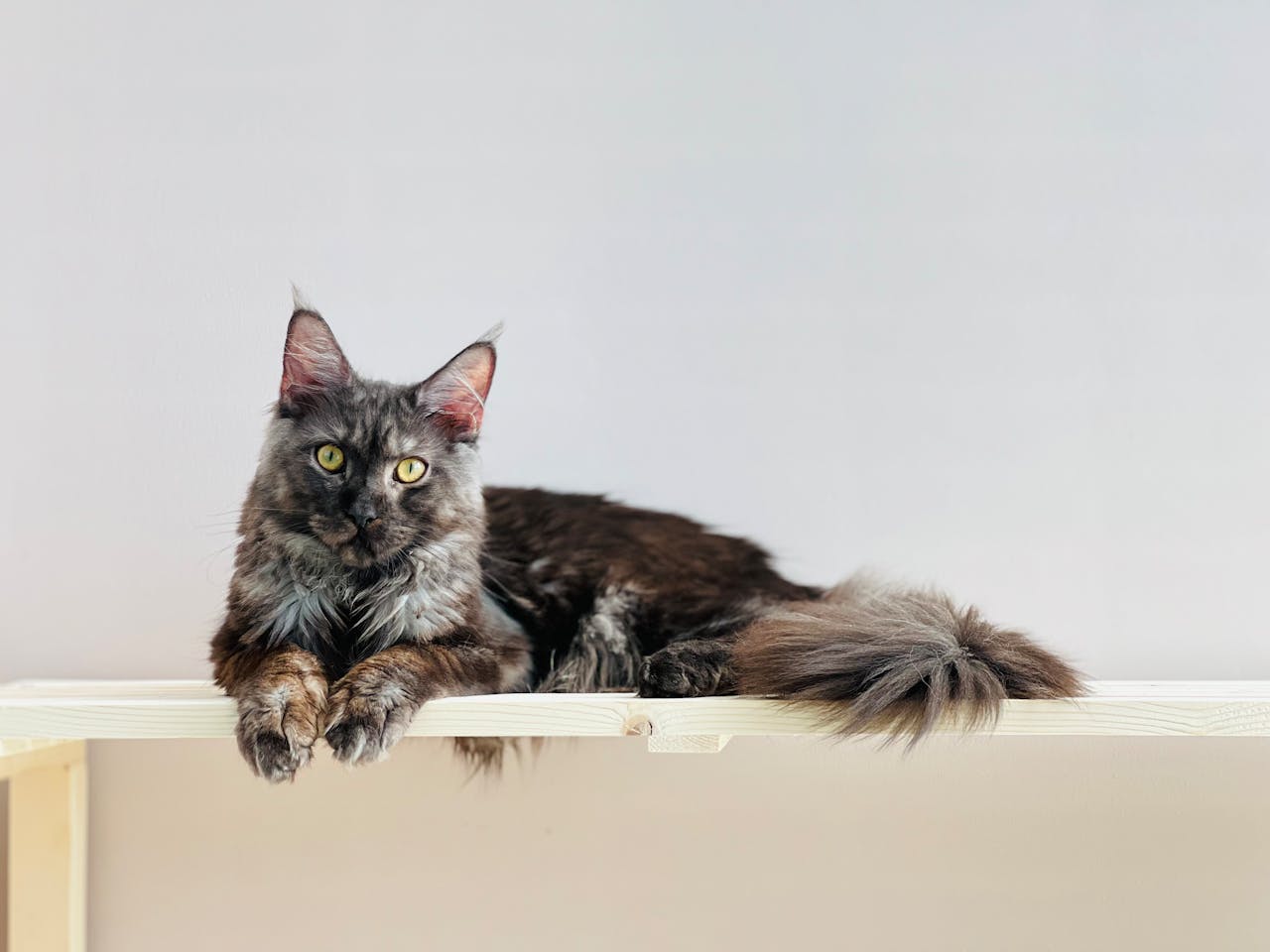
Heart disease is a serious subject, and sadly it affects a great many cats, whatever their age or breed. The heart is a vital organ, and your pet’s health and vitality depend on it working properly. Owners are often unaware of just how many heart conditions can affect a cat, or which signs ought to raise the alarm.
The most common heart diseases in cats
Age and the breeds most at risk of heart disease
Heart disease can affect cats of any age, but the risk rises noticeably around middle age, usually after the fifth year of life. The breeds most at risk of cardiac problems include the Maine Coon, the British Shorthair, the Ragdoll and the Sphynx, all of which carry a genetic predisposition to conditions such as hypertrophic cardiomyopathy (HCM). In these breeds, inherited traits that gradually weaken heart function are more common. It is worth remembering, though, that while certain breeds are more susceptible, crossbreeds and cats of no particular pedigree can develop heart disease too, especially as a result of an unhealthy lifestyle, obesity or a poor diet.
Hypertrophic cardiomyopathy in cats
Hypertrophic cardiomyopathy (HCM) is the most common heart disease in cats. It is characterised by abnormal thickening of the heart muscle, which impairs how well the heart works. The signs of HCM can be subtle and easy to miss; the most frequent are breathlessness, coughing, weakness, loss of appetite and reluctance to be active. Unfortunately, many cats with HCM show no symptoms at all for a long time, which makes the disease all the more dangerous. HCM is particularly widespread among breeds such as the Maine Coon, the British Shorthair, the Ragdoll and the Sphynx, where the genetic risk is higher. The course of the disease varies: some cats live for years with changes in the heart that go unnoticed, while others suffer a sudden deterioration, including heart failure or thromboembolism.
Dilated cardiomyopathy (DCM)
Dilated cardiomyopathy (DCM) is a rarer but equally serious form of heart disease, in which the heart muscle weakens and eventually fails. In DCM the heart dilates, meaning the chambers enlarge and can no longer pump blood efficiently. The condition is often linked to nutritional deficiencies, particularly a lack of arachidonic acid or taurine, which makes it more common in cats fed an inappropriate diet. The signs of DCM can appear suddenly and include breathlessness, rapid breathing, coughing, weakness and, in some cases, fainting. Because many cats with DCM show no symptoms in the early stages, owners should stay alert and consult a veterinarian whenever they notice any worrying change in their pet’s behaviour. DCM is most often diagnosed in middle-aged cats and can lead to serious complications such as heart failure or thromboembolism.
Valve disorders in cats
Valve disorders are serious heart conditions involving the heart valves, which may either narrow (stenosis) or fail to close properly (regurgitation). The valves play a key role in regulating blood flow through the heart, so when they do not work correctly the organs may be poorly supplied with blood and heart failure can develop. These problems may be congenital, meaning the cat is born with a structural defect, or acquired, for example following an infection, ageing or injury.
Valve disorders may show themselves as breathlessness, coughing, weakness, difficulty breathing and a swollen abdomen caused by fluid build-up. Cats with valve problems often become less energetic and avoid physical activity, which is easily mistaken for normal ageing. Diagnosis usually involves a physical examination, echocardiography and blood tests. Treatment depends on the type and severity of the disorder and may include medication and, in some cases, surgery
Infectious myocarditis
Infectious myocarditis is a serious disease that can be triggered by a variety of agents, including viruses, bacteria and parasites. The infection causes inflammation of the heart muscle, which can weaken it and reduce its ability to pump blood. The pathogens most often responsible are feline leukaemia virus (FeLV), feline immunodeficiency virus (FIV) and parasites such as Toxoplasma gondii and Dirofilaria immitis (the heartworm).
The signs of infectious myocarditis are often non-specific and may include breathlessness, weakness, apathy, coughing and vomiting. In some cases cats develop a fever or an increased heart rate. Given the range of possible causes and symptoms, diagnosis calls for thorough investigation, including serological tests, echocardiography and clinical assessment. Treatment of infectious myocarditis usually focuses on clearing the infection with antibiotics or antiviral medication and on supporting heart function with drug therapy.
Ischaemic heart disease
Ischaemic heart disease is a serious condition that arises when emboli block the flow of blood to the heart or the surrounding area. Such blockages have various causes, including clots (thrombi) that form inside blood vessels, or fragments of tissue that break away and travel through the body. Reduced blood flow can lead to pain, damage to the heart muscle and oxygen starvation in other organs.
The signs of ischaemic heart disease may include breathlessness that comes on suddenly or develops gradually, weakness, reluctance to move and a racing pulse. Some cats also show signs of shock, such as lethargy or cold extremities. Because these symptoms are easily confused with other conditions, a rapid diagnosis is essential, usually based on imaging such as echocardiography together with additional laboratory tests.
Treatment of ischaemic heart disease depends on how severe the condition is and on what caused the blockage. It may involve anticoagulants, pain relief and support for the cardiovascular system. In some cases surgery is needed to remove the blockage or restore blood flow.