

-

Parasitic diseases in rabbits: the commonest threats and how to prevent them
Coccidiosis, encephalitozoonosis, ear mange and cheyletiellosis are the parasitic diseases pet rabbits meet most often, and they can go unnoticed for a long time. We explain how they are diagnosed in the laboratory, how they are treated, and which hygiene, quarantine and feeding rules keep infection at bay.
-

How to protect your dog’s paws in winter
Frost, ice and road salt leave a dog's pads irritated, cracked and sometimes frostbitten every winter. We explain how to pick a route and a protective wax before the walk, how to rinse and dry the paws properly once you are home, and which signs mean it is time to call the veterinary clinic.
-

Horner’s syndrome in dogs and cats: signs, causes, diagnosis and treatment
A drooping eyelid, a smaller pupil and a visible third eyelid on one side add up to Horner's syndrome. It is not painful in itself and does not harm sight, but it often signals another, more serious condition underneath. We explain the causes, the diagnostic steps, the pharmacological tests and the treatment options.
Why is my cat overweight?
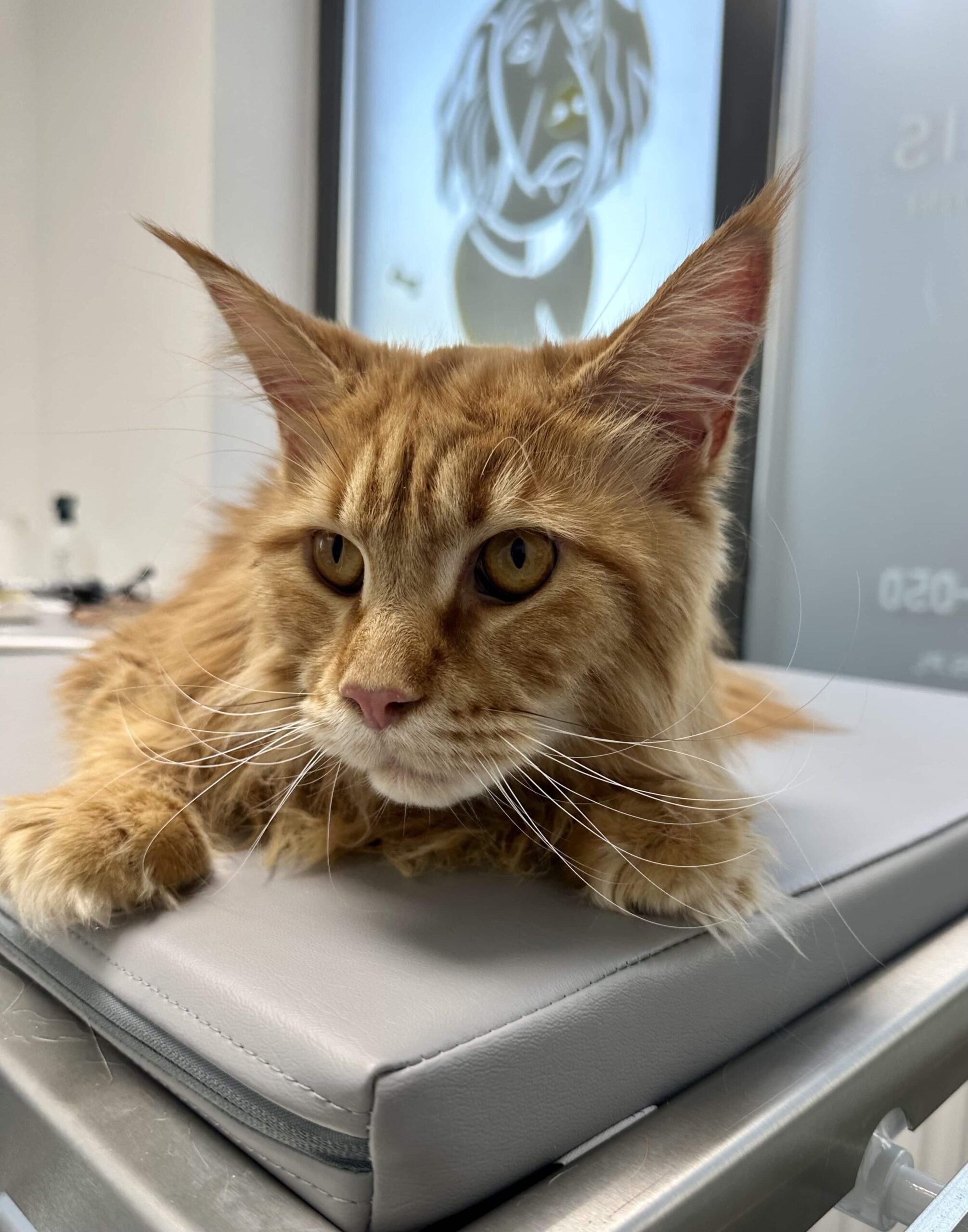
Why do cats become overweight?
Cats put on too much weight when their diet, or the amount they eat, is not matched to how much they move.
When a cat takes in a lot of calories and moves little, it is obvious that the excess will be stored as body fat. Indoor cats, and cats that spend most of the day alone in a flat or house, are more prone to obesity. Another cause can be a hormonal imbalance.
How can you prevent obesity in cats?
There are several ways to keep a cat in good physical shape, including: