

-
Parasitic diseases in rabbits: the commonest threats and how to prevent them
Coccidiosis, encephalitozoonosis, ear mange and cheyletiellosis are the parasitic diseases pet rabbits meet most often, and they can go unnoticed for a long time. We explain how they are diagnosed in the laboratory, how they are treated, and which hygiene, quarantine and feeding rules keep infection at bay.
-

How to protect your dog’s paws in winter
Frost, ice and road salt leave a dog's pads irritated, cracked and sometimes frostbitten every winter. We explain how to pick a route and a protective wax before the walk, how to rinse and dry the paws properly once you are home, and which signs mean it is time to call the veterinary clinic.
-
Horner’s syndrome in dogs and cats: signs, causes, diagnosis and treatment
A drooping eyelid, a smaller pupil and a visible third eyelid on one side add up to Horner's syndrome. It is not painful in itself and does not harm sight, but it often signals another, more serious condition underneath. We explain the causes, the diagnostic steps, the pharmacological tests and the treatment options.
Why do dogs howl at the moon? Is it just a myth?
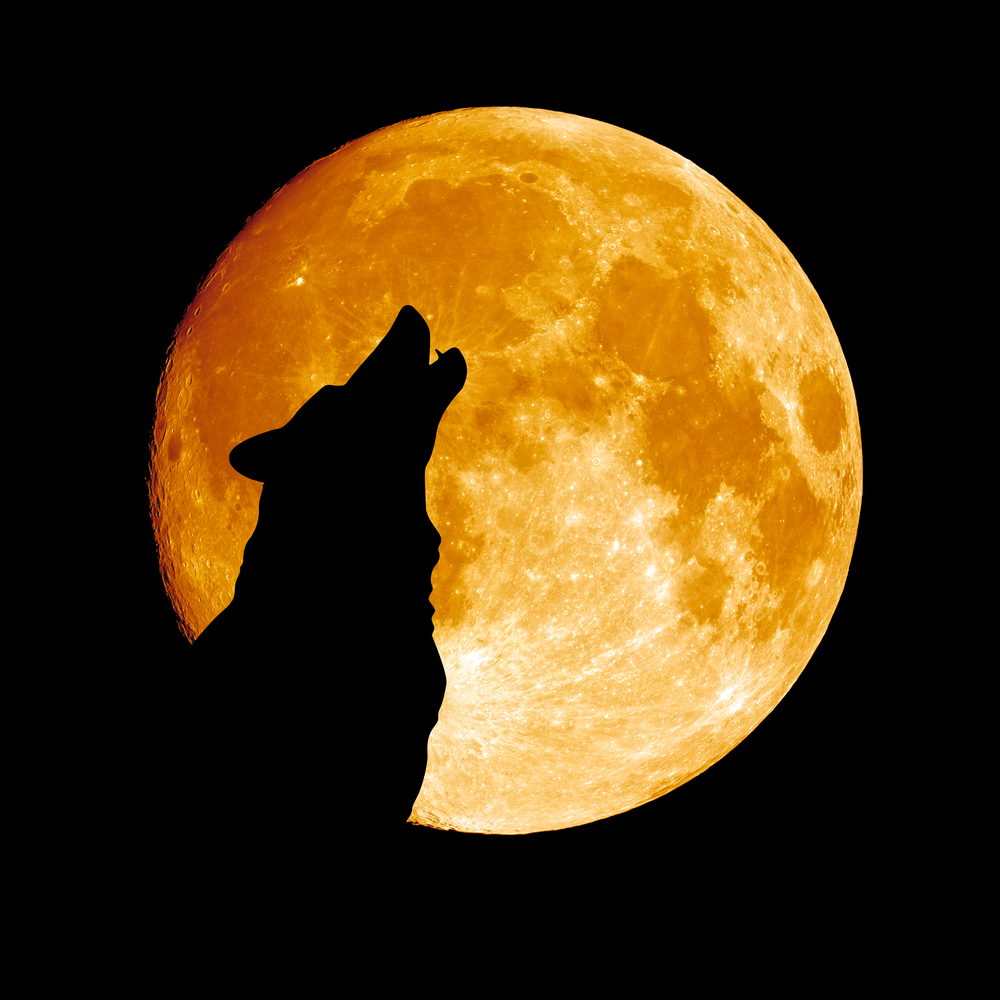
Dogs howling at the moon is a fascinating subject. Is it just a myth, or is there rather more to it? In this article we look at both the cultural and the biological sides of the phenomenon, trying to understand why our four-legged friends so often lift their voices towards the night sky. We will discover what this behaviour meant in old beliefs and how modern science explains this mysterious canine habit. Read on and let us look for the answer together: why do dogs howl at the moon?
Why do dogs howl at the moon? Where did the belief come from?
The belief that dogs howl at the moon has its roots in old beliefs and legends. In many cultures the moon was regarded as a powerful symbol whose influence on life on Earth was beyond question. In antiquity people often linked the howling of dogs to the full moon, quite possibly from watching how these animals behaved at night. In Greek and Roman mythology dogs were frequently the companions of deities associated with the moon, such as Hecate and Diana. In Norse culture, wolves – the close relatives of dogs – were seen as creatures of the night and the moon, which may well have helped the belief take hold.
The cultural influence on the image of dogs as animals that howl at the moon is visible in literature and art too. In many folk tales dogs were portrayed as guardians of the night, whose howling warned of approaching danger or heralded changes in nature. Similar motifs turn up in different parts of the world:
Beliefs of this kind shaped the way people view dogs and their behaviour in relation to the lunar cycle.
Does a full moon affect how dogs behave?
The full moon has stirred curiosity and fascination for centuries, and its supposed influence on animal behaviour, dogs included, is the subject of endless debate. Is there really scientific evidence that a full moon affects how our four-legged friends behave? Research in this area is limited, but what there is suggests no meaningful correlation.
Some people believe that changes in behaviour may come down to the greater amount of light at night, which can affect animals’ biological rhythms. The general view, however, is that this is a myth with no solid scientific grounding. Even so, a few points are worth bearing in mind:
Whether or not we believe the full moon affects our dogs, it is always worth watching their behaviour and adapting their care to their needs.
The biological reasons dogs howl
Howling is a behaviour rooted in biology and inherited from wolves. Dogs, like their wild ancestors, use howling as a form of vocal communication. It can serve various purposes, such as marking territory, warning of danger or calling the pack together. Today’s dogs often howl in response to sounds such as sirens or other loud noises, a leftover from their wolf instincts.
The biological reasons behind howling are also tied to a dog’s need for social contact. Howling can be a way of expressing emotions or needs, such as loneliness or stress. It is worth noting that some breeds are more given to howling than others, thanks to their genetic predisposition. To understand your own pet better, pay attention to the situations in which it starts to howl and think about what might lie behind it. Here are a few reasons dogs howl:
Understanding these biological and behavioural aspects can help owners handle this perfectly natural behaviour in their dogs.
Myths and facts about dogs howling at the moon
Plenty of dog owners wonder why their pets howl at the moon. There are many myths on the subject, and they are worth dispelling. One of the most popular is the belief that dogs sense the energy of the moon and respond by howling. In reality there is no scientific evidence to support that theory. Animal behaviour experts point out that howling is more likely linked to instincts inherited from wolves, which use sound to communicate within the pack.
Another myth is that a full moon makes dogs more aggressive. Scientific research does not bear this out. Specialists suggest instead that changes in behaviour may result from other environmental or emotional factors. Here are a few facts about howling:
Understanding the real reasons behind howling can help owners deal with the behaviour and avoid needless worry rooted in myth.
Summary
This article looks at dogs howling at the moon, examining both the cultural and the biological sides of the phenomenon. In old beliefs the moon was a symbol with a powerful influence over life on Earth, and that gave rise to the myths about dogs howling during a full moon. In various cultures dogs were seen as guardians of the night, and their howling was read as a warning of danger or as communication with ancestral spirits. These beliefs shaped the way people interpret canine behaviour in relation to the lunar cycle.
The biological reasons for howling lie in instincts inherited from wolves. Howling is a form of vocal communication that can serve to mark territory or warn of danger. Although there is no scientific evidence that a full moon directly affects how dogs behave, the belief is deeply rooted in human culture.
It is worth adding that owners can use relaxation techniques and behavioural training to help their pets cope with the stress that lies behind the howling.