
-

Parasitic diseases in rabbits: the commonest threats and how to prevent them
Coccidiosis, encephalitozoonosis, ear mange and cheyletiellosis are the parasitic diseases pet rabbits meet most often, and they can go unnoticed for a long time. We explain how they are diagnosed in the laboratory, how they are treated, and which hygiene, quarantine and feeding rules keep infection at bay.
-

How to protect your dog’s paws in winter
Frost, ice and road salt leave a dog's pads irritated, cracked and sometimes frostbitten every winter. We explain how to pick a route and a protective wax before the walk, how to rinse and dry the paws properly once you are home, and which signs mean it is time to call the veterinary clinic.
-
Horner’s syndrome in dogs and cats: signs, causes, diagnosis and treatment
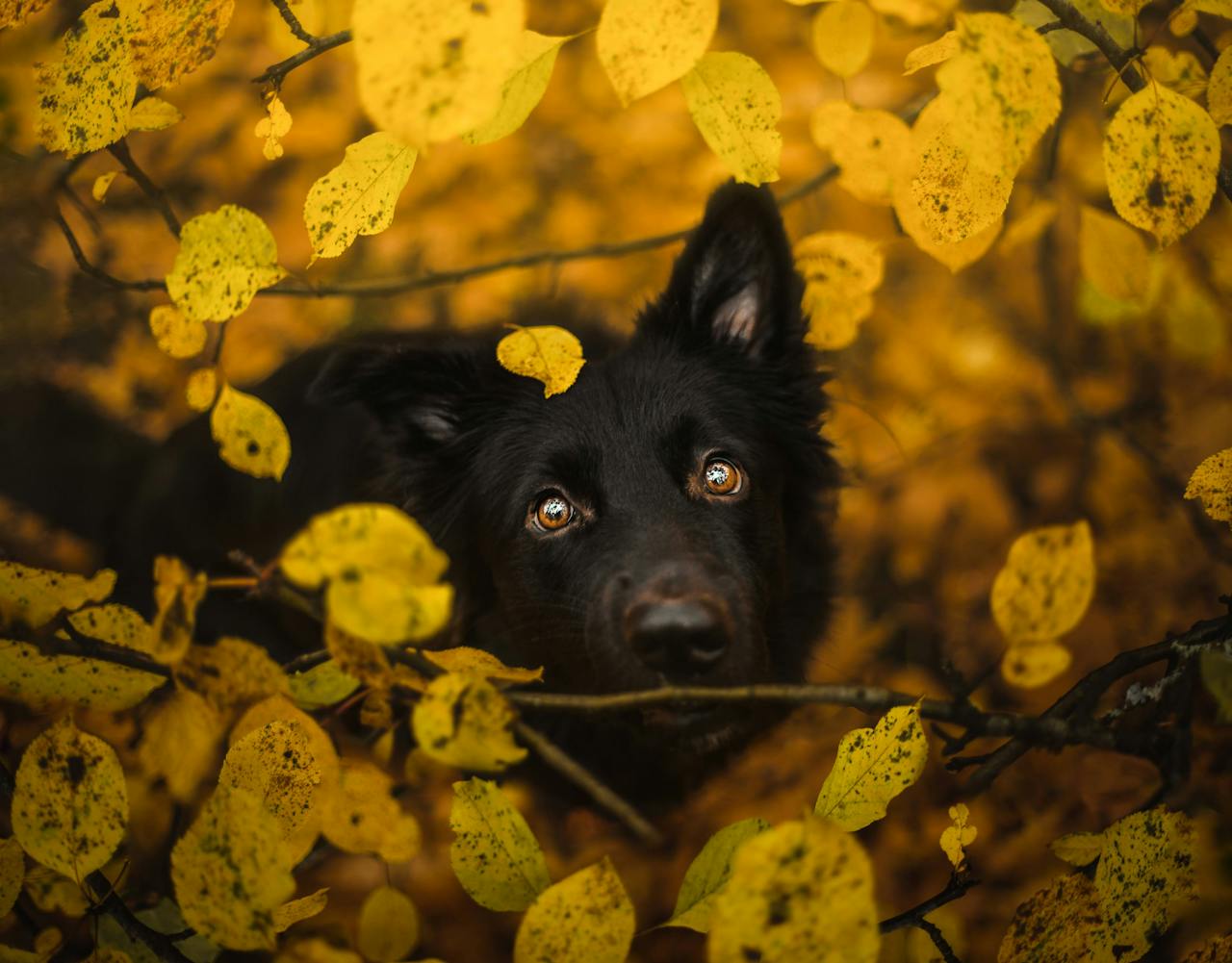
A drooping eyelid, a smaller pupil and a visible third eyelid on one side add up to Horner's syndrome. It is not painful in itself and does not harm sight, but it often signals another, more serious condition underneath. We explain the causes, the diagnostic steps, the pharmacological tests and the treatment options.
Why do dogs eat stones? Causes and solutions
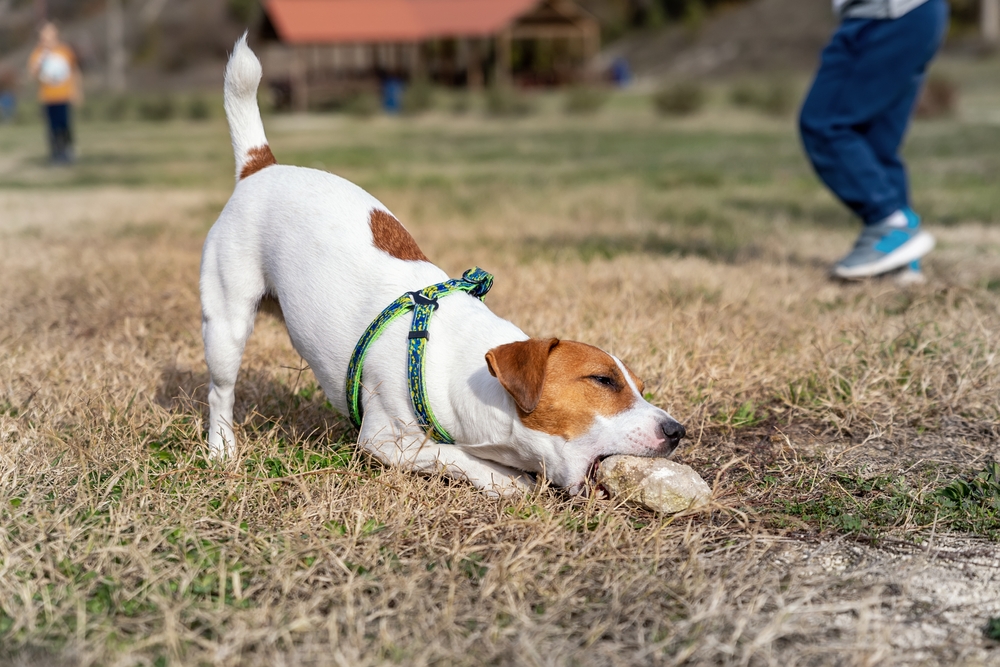
A dog that eats stones is enough to worry any owner. Odd as the habit looks at first glance, there are plenty of reasons behind it. In this article we take a closer look at what drives the behaviour, the health risks it carries, and how to prevent it. Understanding what motivates your dog is key to keeping it safe and well.
Why do dogs eat stones?
Dogs eat stones for a variety of reasons, and health problems are one of them. Indigestion, intestinal inflammation or neurological disease can all trigger this unusual behaviour. In such cases the dog feels discomfort or pain and looks for relief by chewing and swallowing hard objects. Watch out for signs such as vomiting or a change in appetite, which may point to an underlying health problem.
Another reason dogs turn to stones is behavioural. Boredom, stress and a wish to get their owner’s attention are only some of the factors at work. Puppies are naturally curious about the world, and without suitable toys they will experiment with whatever comes to hand. To prevent this, give your dog proper mental and physical stimulation through toys, games and shared activities. Regular walks and time spent together are an effective way of drawing a dog’s attention away from dangerous objects.
Is eating stones dangerous for dogs?
Eating stones is a habit that can lead to serious health problems. First of all, stones can damage a dog’s teeth and the tissues of its mouth. They are hard and sharp, so chewing them can fracture teeth and injure the gums. That is painful for the animal and requires veterinary treatment. Swallowing stones carries an even greater risk — they can lodge in the digestive tract and block it.
A blocked digestive tract is an emergency requiring immediate veterinary care. Stones can cause intestinal obstruction, which in turn may lead to serious complications such as:
Eating stones can also upset the dog’s electrolyte balance. That is why it is so important to keep an eye on our dogs’ behaviour and act quickly at the first worrying sign.
Which deficiencies can lead to stone eating?
Stone eating in dogs can be linked to various nutritional deficiencies that affect behaviour. One of them is anaemia, often the result of too little iron in the diet. Anaemia weakens the body and heightens the urge to seek alternative sources of minerals, which may prompt a dog to swallow inedible objects such as stones. Look out for these signs of anaemia:
A proper diet is fundamental to a dog’s health and wellbeing. Dietary shortfalls can lead to unwanted behaviour, so it is important to supply all the nutrients your dog needs. Besides iron, make sure the diet is rich in other minerals and vitamins. Suitable toys and activities will also help draw your dog’s attention away from stones and satisfy its natural urge to chew. Regular check-ups with a vet and close attention to your dog’s behaviour will help catch any health problems early.
How can you stop your dog eating stones?
Preventing stone eating is a key part of looking after your dog’s health and safety. On walks, pay particular attention to where your dog is going. Avoid places strewn with stones, and if that is not possible, always keep your dog under supervision. A muzzle is worth considering as a temporary safeguard, though it is no long-term solution. Focus instead on giving your dog suitable toys and chewing alternatives. Safe toys are an effective way of drawing a dog’s attention away from stones and satisfying its natural need to chew.
Doing things together with your dog is an excellent way to head off the boredom that so often leads to unwanted behaviour. We suggest engaging games such as fetch or hunting for treats hidden in the grass. Regular training and behavioural therapy can also help eliminate stone eating. It is worth consulting a professional trainer or behaviourist to draw up a plan tailored to your own dog.
With these measures we can protect our dogs effectively from the dangers that come with eating stones.
What should you do if your dog swallows a stone?
If you notice that your dog has swallowed a stone, it is important to act fast. Signs that something is wrong include nausea, vomiting and a change of mood in your dog. It may become subdued or downcast, often because of stomach pain. Loss of appetite or difficulty passing stools are also worth noting. If you suspect your dog has swallowed a stone, do not put off a visit to the vet.
The vet may take a different approach depending on the situation. The most common options are:
Remember that acting quickly can save your dog’s life and prevent serious complications. Keeping an eye on your dog’s behaviour and steering clear of stony places on walks are the key preventive measures.
Summary
Dogs eat stones for a range of reasons, both medical and behavioural. Problems such as indigestion or intestinal inflammation can trigger this unusual habit when a dog seeks relief by chewing hard objects. Boredom, stress or a wish for the owner’s attention, meanwhile, are behavioural factors that can equally drive a dog to pick up stones. The important thing is to observe your dog and provide it with proper mental and physical stimulation.
Eating stones carries serious health risks, including damaged teeth and a blocked digestive tract. Nutritional deficiencies, such as anaemia caused by a lack of iron, may be one reason for the behaviour. To prevent it, supply your dog with all the nutrients it needs and provide safe chew toys. If a stone is swallowed, prompt veterinary treatment is essential.
FAQ
What other objects might dogs try to eat besides stones?
Dogs may try to eat all sorts of inedible things: plastic toys, sticks, fabric and even rubbish. The behaviour can stem from curiosity, boredom or health problems. It is important to keep track of what your dog has access to chew and to offer safe alternatives.
Are all breeds equally prone to eating stones?
Some breeds may be more prone to it because of their natural instincts or energy levels. Highly active breeds, for instance, may show the behaviour more often out of boredom. That said, any dog, whatever its breed, can develop the habit as a result of health or behavioural problems.
What are the long-term effects of a dog eating stones?
The long-term effects can include damaged teeth, chronic gastrointestinal problems and the risk of repeated blockages of the digestive tract. That may mean frequent trips to the vet and surgical intervention.
Are there specialist diets for dogs inclined to eat inedible objects?
Yes, specialist diets have been developed for dogs inclined to eat inedible objects. They often contain additional nutrients and minerals that can help meet the dog’s nutritional needs and reduce its interest in dangerous objects.
How do you spot the first signs of a health problem linked to eating stones?
The first signs may include vomiting, loss of appetite, weakness and changes in behaviour. If you notice these symptoms in your dog, consult a vet as soon as possible.
Can the risk of a dog eating stones be eliminated altogether?
Removing the risk entirely may be difficult, but it can be reduced considerably with proper care and supervision. Regular walks in safe places, suitable toys and attention to diet are the key elements of prevention.