

-
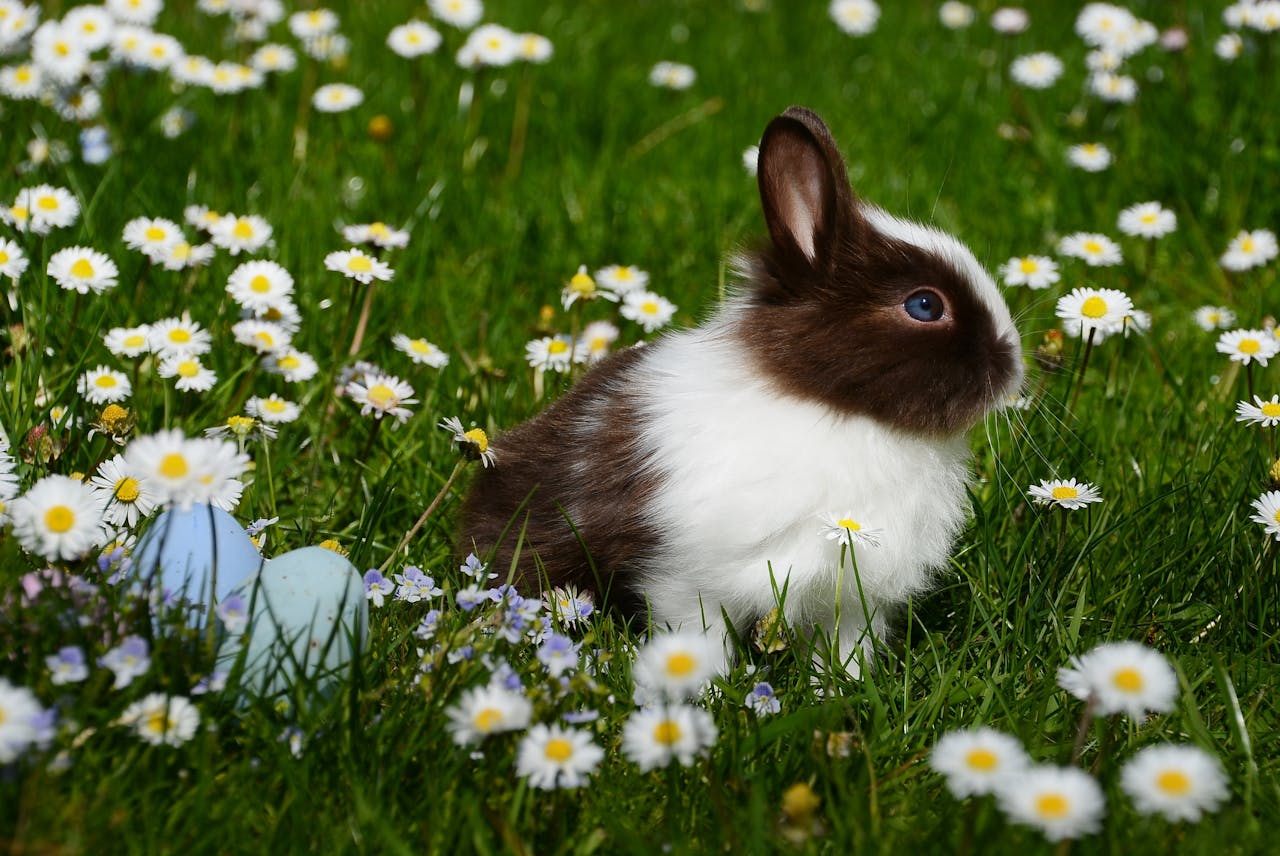
Parasitic diseases in rabbits: the commonest threats and how to prevent them
Coccidiosis, encephalitozoonosis, ear mange and cheyletiellosis are the parasitic diseases pet rabbits meet most often, and they can go unnoticed for a long time. We explain how they are diagnosed in the laboratory, how they are treated, and which hygiene, quarantine and feeding rules keep infection at bay.
-

How to protect your dog’s paws in winter
Frost, ice and road salt leave a dog's pads irritated, cracked and sometimes frostbitten every winter. We explain how to pick a route and a protective wax before the walk, how to rinse and dry the paws properly once you are home, and which signs mean it is time to call the veterinary clinic.
-

Horner’s syndrome in dogs and cats: signs, causes, diagnosis and treatment
A drooping eyelid, a smaller pupil and a visible third eyelid on one side add up to Horner's syndrome. It is not painful in itself and does not harm sight, but it often signals another, more serious condition underneath. We explain the causes, the diagnostic steps, the pharmacological tests and the treatment options.
Why Do Cats Purr? Everything Worth Knowing About Purring
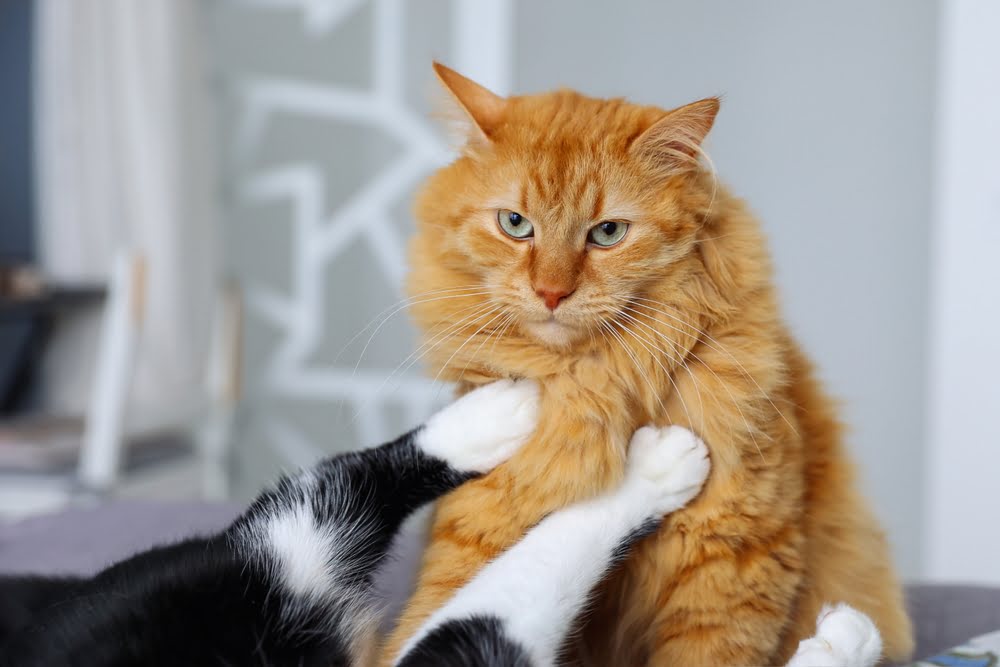
Purring is one of the most distinctive things cats do. In this article you will learn why cats purr and what the different reasons behind it are. We will also look at what purring means to cats and how it affects their wellbeing.
Why do cats purr? Causes and meaning of purring in cats
Cats purr for a variety of reasons, and each purr can carry its own meaning. One of the most important is contentment and comfort. When a cat feels safe and happy in its surroundings, it purrs to express pleasure. Purring can also act as a self-soothing mechanism in stressful situations. Just as people hum or sing to calm themselves down, cats use purring to lower their stress levels.
Cats may also purr to communicate their needs. Hungry cats often add high-pitched, cry-like sounds to their purr, which helps them get their owner’s attention. Paradoxically, purring can also be a sign of pain or discomfort. In such situations cats use purring as a form of self-healing. Fascinatingly, purring may even have therapeutic properties, speeding up bone healing and easing pain in both humans and cats themselves.
Purring as a form of communication: how cats use purring to communicate with people and other cats
Purring is not only a way of expressing contentment or calming down; it is also an important communication tool that cats use with both people and other cats. Cats are able to use purring to convey their needs and emotions.
When a mother cat purrs to her kittens, she strengthens the bond between them and gives them a sense of security. The kittens, in turn, start purring to tell their mother what they need. Purring therefore serves a communicative function in the relationship between a queen and her offspring.
Cats also use purring to communicate with people. They can vary the tone and volume of their purr to get our attention and express their needs. Cats often purr when they are hungry and want to remind us of it. Purring can also be an attempt to make contact and seek closeness with a person.
Between cats, purring can act as a social signal. Cats may purr to signal their intentions, for instance during play or a confrontation with another cat. Purring can serve as a form of vocal communication between cats.
Purring and feline health: can purring be a sign of pain or discomfort?
A cat’s purring can be not only an expression of contentment and comfort but also a signal of pain or discomfort. Cats often use purring as a form of self-healing when something hurts or they feel unwell. As owners, it is important that we stay alert to our cat’s behaviour while it is purring so that we can spot potential health problems.
One sign that may point to pain or discomfort in a purring cat is a change in behaviour. If your cat starts avoiding touch, withdraws or becomes aggressive while purring, it may be a sign that something hurts. It is also worth watching for other symptoms such as reduced appetite, excessive irritability or difficulty moving.
Differences in purring between cats: do all cats purr? What individual differences are there in the behaviour of purring cats?
Not all cats purr to the same extent. There are individual differences in how often and how loudly particular cats purr. Some cats are more inclined to purr than others, and some may not purr at all. This depends on many factors, such as the cat’s personality, life experiences and even its breed.
Cats with a more extroverted personality may be more likely to express their contentment and comfort through purring. More introverted cats, on the other hand, may prefer other forms of communication, such as seeking closeness with their owner or rubbing against them. Life experiences can also shape a cat’s purring behaviour. Cats that were mistreated in the past or had negative experiences may be less inclined to express contentment by purring.
Purring and feline emotions: how can purring reflect a cat’s emotions and wellbeing?
A cat’s purring is not only a form of communication but also a reflection of its emotions and wellbeing. Cats may purr in different situations depending on their mood and needs.
For example, when a cat is content and happy, its purring expresses pleasure and comfort. When a cat feels stressed or unsure, however, its purring may be an attempt to calm itself and those around it. It is worth paying attention to the context and other behavioural cues to better understand your cat’s emotions.
Purring and interaction with people: how should we respond to a cat’s purring?
Interacting with a cat while it purrs is extremely important for building the bond between a person and an animal. Responding appropriately to purring allows us to understand a cat’s needs and emotions better, which builds mutual trust and harmony in the relationship.
To respond properly to the needs a cat expresses through purring, watch the context and the animal’s other behavioural cues. If your cat is purring because it is content and happy, you can carry on stroking it and keep it comfortable. If, however, the cat seems stressed or unsure, it is better to give it space and quiet so that it can calm down on its own.