

-

Parasitic diseases in rabbits: the commonest threats and how to prevent them
Coccidiosis, encephalitozoonosis, ear mange and cheyletiellosis are the parasitic diseases pet rabbits meet most often, and they can go unnoticed for a long time. We explain how they are diagnosed in the laboratory, how they are treated, and which hygiene, quarantine and feeding rules keep infection at bay.
-

How to protect your dog’s paws in winter
Frost, ice and road salt leave a dog's pads irritated, cracked and sometimes frostbitten every winter. We explain how to pick a route and a protective wax before the walk, how to rinse and dry the paws properly once you are home, and which signs mean it is time to call the veterinary clinic.
-

Horner’s syndrome in dogs and cats: signs, causes, diagnosis and treatment
A drooping eyelid, a smaller pupil and a visible third eyelid on one side add up to Horner's syndrome. It is not painful in itself and does not harm sight, but it often signals another, more serious condition underneath. We explain the causes, the diagnostic steps, the pharmacological tests and the treatment options.
What Is Pyometra?
What is pyometra in bitches?
Pyometra is a pus-filled infection of the uterus that can occur at any age, although it is seen more often in older bitches. The infection develops around 2 months after the last season. As it progresses, it can even put the bitch’s life in danger! The underlying cause is hormonal changes taking place in the animal’s body.
What are the symptoms of pyometra?
Two types of pyometra are recognised: closed and open. The characteristic sign of open pyometra is a purulent discharge from the vulva. The other signs are common to both types:
How is pyometra diagnosed?
Diagnosis is based on a detailed history from the owner, a clinical examination and an ultrasound scan. On ultrasound, the vet assesses the diameter of the uterine horns and whether they are filled with fluid. Ultrasound is the most reliable diagnostic method.
It is a good idea to keep a note of the dates of your bitch’s seasons, as this information makes diagnosis much easier and quicker. A bitch receiving hormonal contraception is at higher risk of pyometra.
If you suspect that your bitch may have developed the problem described above, take her to a veterinarian without delay.
How is pyometra treated?
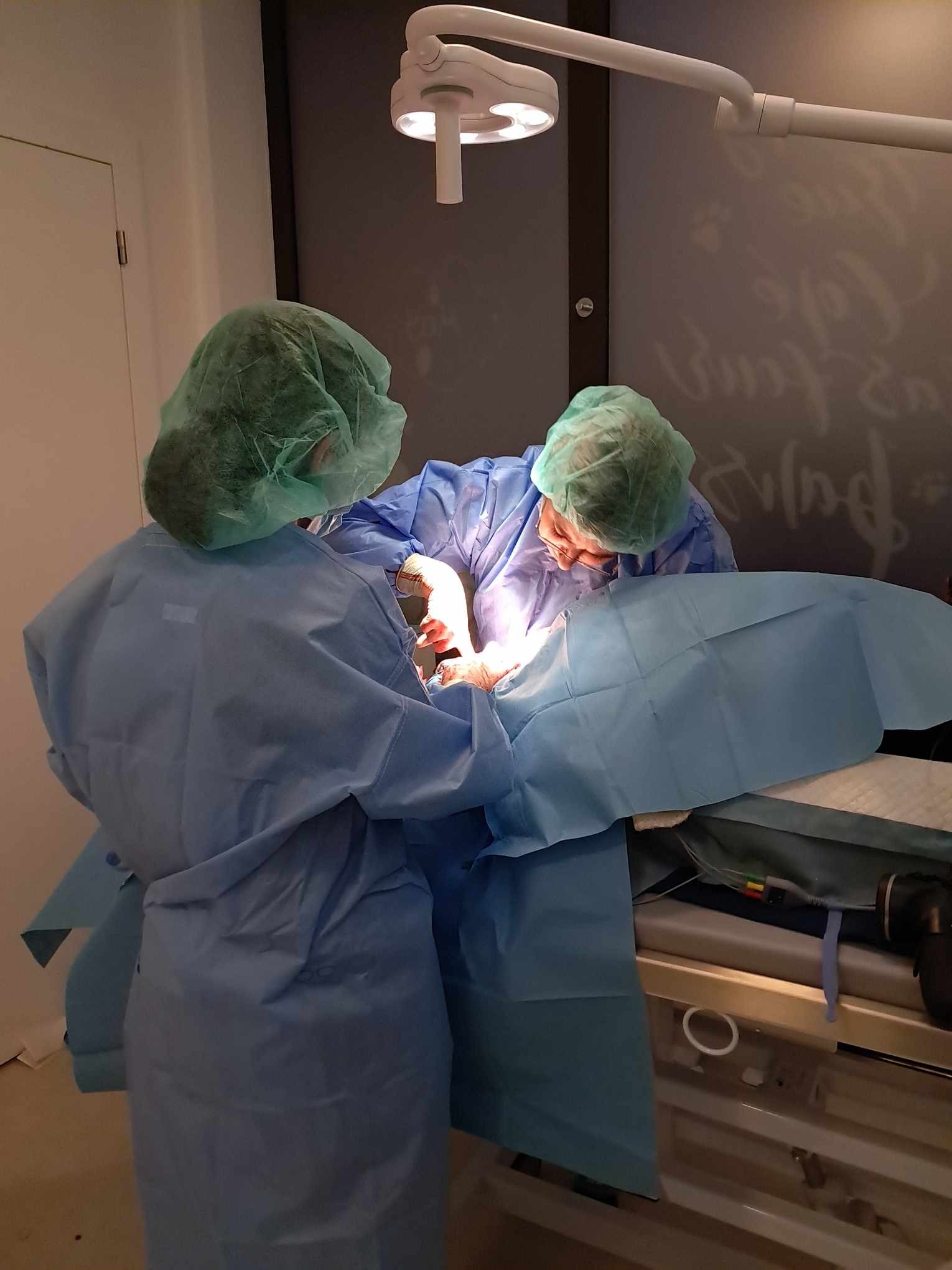
It should be remembered that untreated pyometra puts the patient’s life at risk from septic shock. The most common treatment is surgery, namely an ovariohysterectomy, or in other words spaying. After the operation the bitch needs the painkillers prescribed by the vet and follow-up visits to check on her recovery.
How can pyometra be prevented?
The most effective way to avoid this problem is to have your bitch spayed early. Opting for this procedure gives complete certainty that she will never develop pyometra, because the uterus is removed.