

-

Parasitic diseases in rabbits: the commonest threats and how to prevent them
Coccidiosis, encephalitozoonosis, ear mange and cheyletiellosis are the parasitic diseases pet rabbits meet most often, and they can go unnoticed for a long time. We explain how they are diagnosed in the laboratory, how they are treated, and which hygiene, quarantine and feeding rules keep infection at bay.
-

How to protect your dog’s paws in winter
Frost, ice and road salt leave a dog's pads irritated, cracked and sometimes frostbitten every winter. We explain how to pick a route and a protective wax before the walk, how to rinse and dry the paws properly once you are home, and which signs mean it is time to call the veterinary clinic.
-
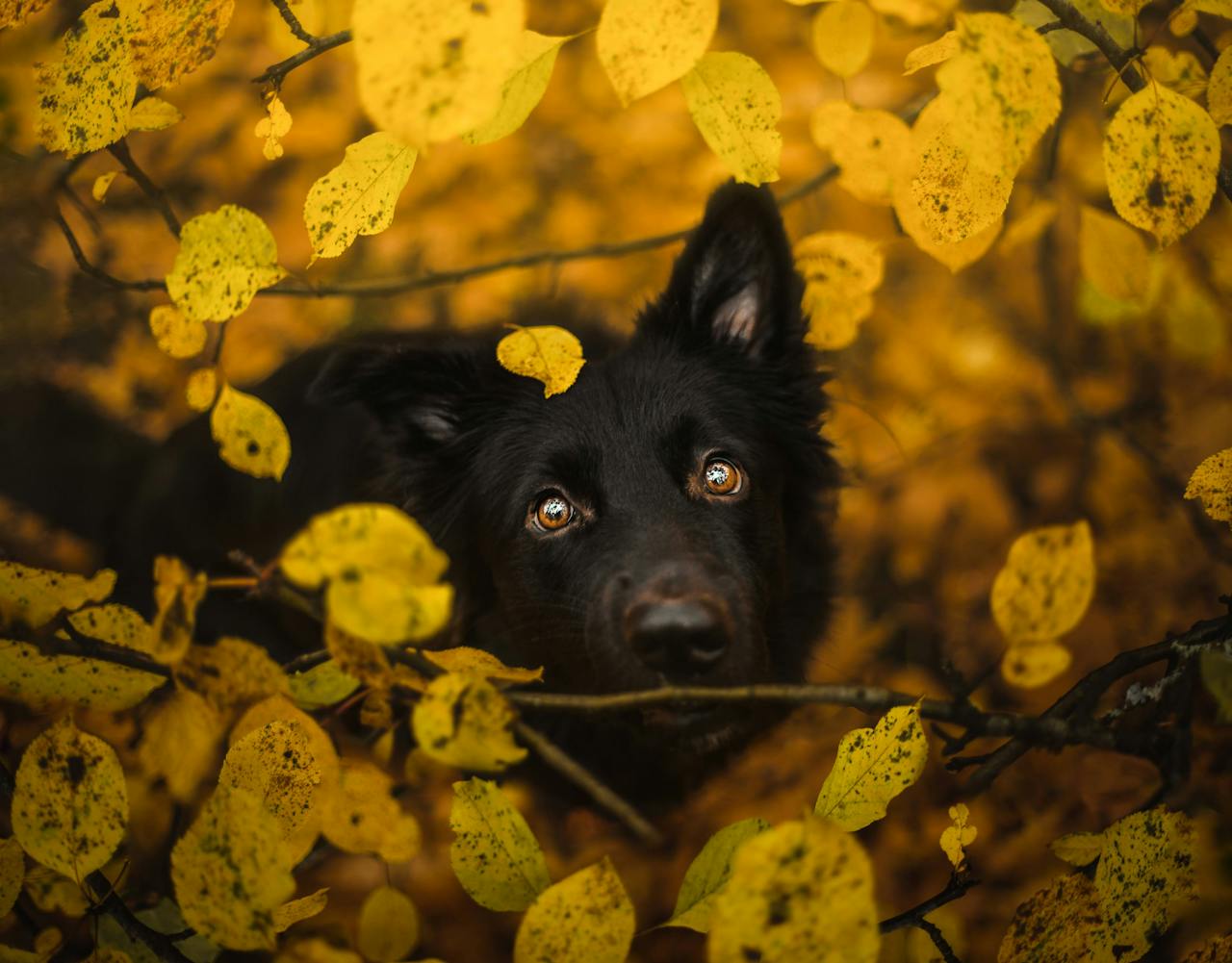
Horner’s syndrome in dogs and cats: signs, causes, diagnosis and treatment
A drooping eyelid, a smaller pupil and a visible third eyelid on one side add up to Horner's syndrome. It is not painful in itself and does not harm sight, but it often signals another, more serious condition underneath. We explain the causes, the diagnostic steps, the pharmacological tests and the treatment options.
What is kennel cough in dogs?

You hear a strange noise in the night. Your dog suddenly starts choking, as if something were stuck in its throat. It makes a sound like a honking goose, and you wonder in a panic whether it has swallowed a toy.
This is one of the most common scenarios that bring terrified owners to us. In the vast majority of cases there is no foreign body in the throat; what there is, is kennel cough. Although the name sounds alarming, the illness is much like human flu. If ignored, however, especially in puppies and older dogs, it can lead to complications.
What is kennel cough and why do dogs get it?
It is often mistakenly assumed that kennel cough is one specific disease. In reality it is infectious tracheobronchitis, a syndrome caused by a whole consortium of viruses and bacteria.
It usually starts with viruses, such as parainfluenza or adenoviruses, which damage the lining of the dog’s airways. This opens the door to bacteria, most commonly Bordetella bronchiseptica.
Why did your dog catch it? The disease spreads through airborne droplets. A brief nose-to-nose greeting on a walk, a shared water bowl in the park or a game with an infected friend is all it takes. The word “kennel” suggests large gatherings of dogs, but the truth is that a dog can catch it anywhere: in the park, at the groomer’s or even at a show.
Symptoms: how to recognise the characteristic cough
The symptoms of kennel cough are very distinctive and hard to confuse with anything else, although owners often mistake them for choking.
What to look out for
The dog usually keeps a good appetite and stays in good spirits, although it may be a little more subdued. If, however, a high fever, pus from the nose or breathing difficulties develop, that is a signal to visit our 24-hour clinic straight away.
How long does it last and how is it treated?
This is one of the questions we hear most often in the consulting room.
How do we treat kennel cough? Antibiotics are not always needed! As it is often a viral infection, antibiotics do not treat the cause. The mainstays are:
What can you do at home?
Kennel cough vaccination: intranasal or injection?
Many people ask: “My dog has been vaccinated against infectious diseases, so why did it get ill?” The core vaccines, given by injection, often contain viral components but offer poor protection against the Bordetella bacterium.
That is why, as vets, we recommend the intranasal vaccine. Why is it so effective?
This is particularly important for dogs that go to doggy day care, boarding kennels or dog parks, or that live in the city.
Is it dangerous?
Can humans catch it? The risk is minimal. Bordetella bronchiseptica rarely affects people, but anyone with a severely weakened immune system should take care around a coughing dog.
What about puppies and brachycephalic breeds? For a strong adult dog, kennel cough is usually no more than a nuisance. In puppies, whose immune systems are weak, and in Pugs or Bulldogs , which have narrowed airways, the illness can quickly turn into pneumonia. For them, any respiratory infection calls for an immediate veterinary check-up.
If your dog is coughing, choking or listless, do not wait. Our clinic is open around the clock to listen to your pet’s chest and choose a safe treatment.